1.The Wheel of Time and Cyclic History
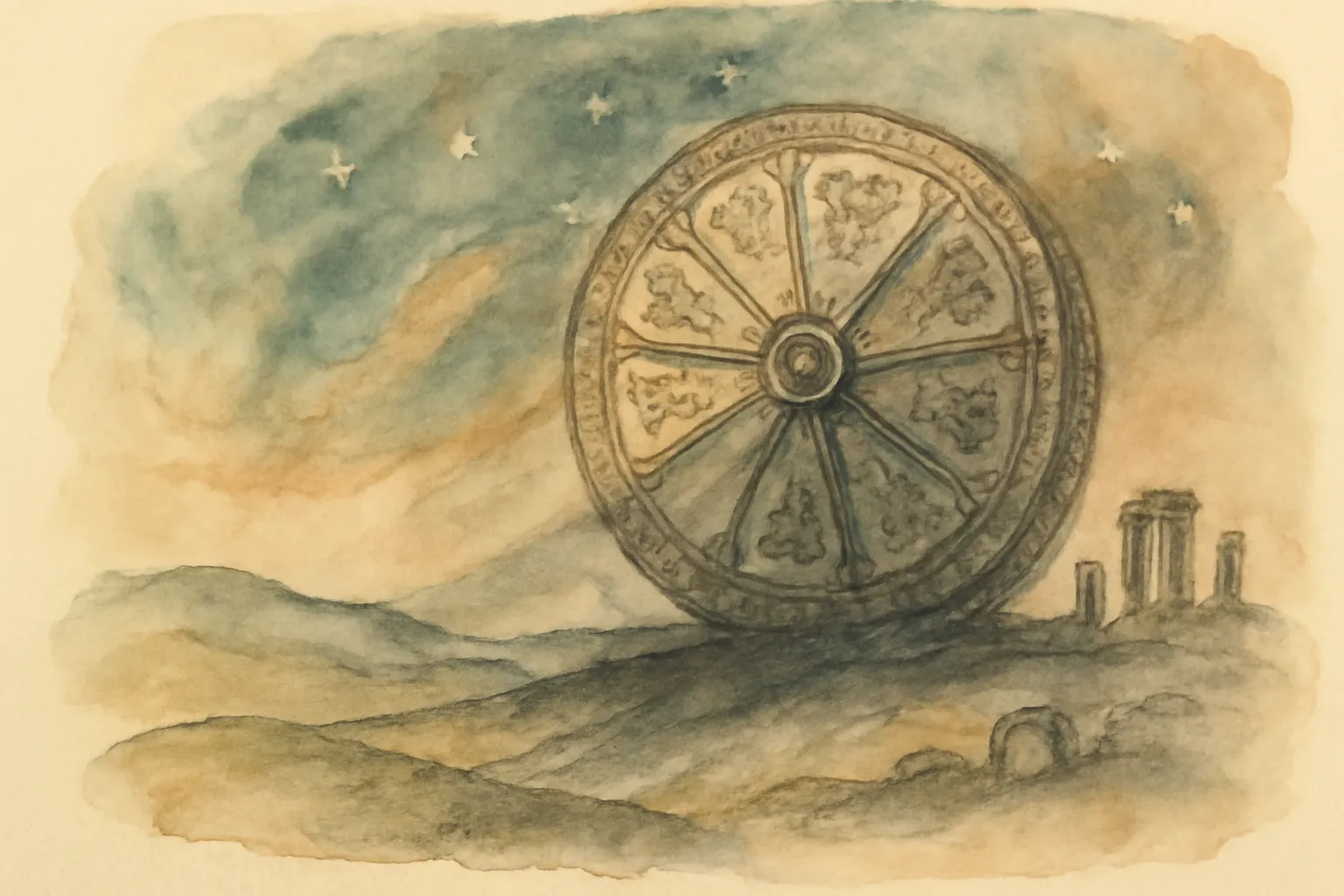
Central to the novel is the idea that time is not linear but cyclical—the Wheel of Time weaves the fabric of ages, repeating patterns of history, myth, and legend. This concept shapes the world’s cultures and the characters’ understanding of destiny. The sense that events recur and that individuals may be reborn to face old evils adds philosophical depth, inviting readers to consider the tension between fate and free will.
2.Ordinary People, Extraordinary Destinies
The protagonists begin as unremarkable villagers from Emond’s Field, thrust into a conflict far beyond their comprehension. Their journey underscores the theme that greatness can emerge from the most unlikely places. Jordan explores how fear, courage, and personal growth are forged in adversity, making the characters’ evolution as compelling as the grand narrative.
3.The Battle Between Light and Shadow
The struggle between good and evil is embodied in the conflict between the forces of the Light and the Shadow, led by the enigmatic Dark One. This battle is not just external but internal, as characters wrestle with their own doubts, temptations, and moral choices. The book frames evil as both a cosmic force and a personal challenge, giving the story both epic and intimate stakes.
4.Power, Gender, and the One Power
Magic, called the One Power, is divided between male and female halves, with each gender wielding it differently. This division reflects broader themes of balance, gender dynamics, and the dangers of unchecked power. The taint on the male half of the Power, causing madness, is a metaphor for the destructive potential of power and the need for harmony between opposing forces.
5.World-Building and Mythic Resonance
Jordan’s world is meticulously constructed, drawing from a tapestry of global mythologies and cultures. The societies, languages, and histories feel lived-in and complex. The book’s allusions to Arthurian legend, Eastern philosophies, and other traditions enrich the narrative, rewarding attentive readers and lending the story a sense of timelessness and universality.
6.Prophecy and the Burden of Knowledge
Prophecies and foretellings drive the plot and loom over the characters, particularly the notion of the Dragon Reborn. The tension between trying to escape or fulfill prophecy raises questions about agency, responsibility, and the cost of knowledge. Characters must navigate the weight of what is foretold, often at great personal risk.