1.The Harsh Realities of Prairie Life
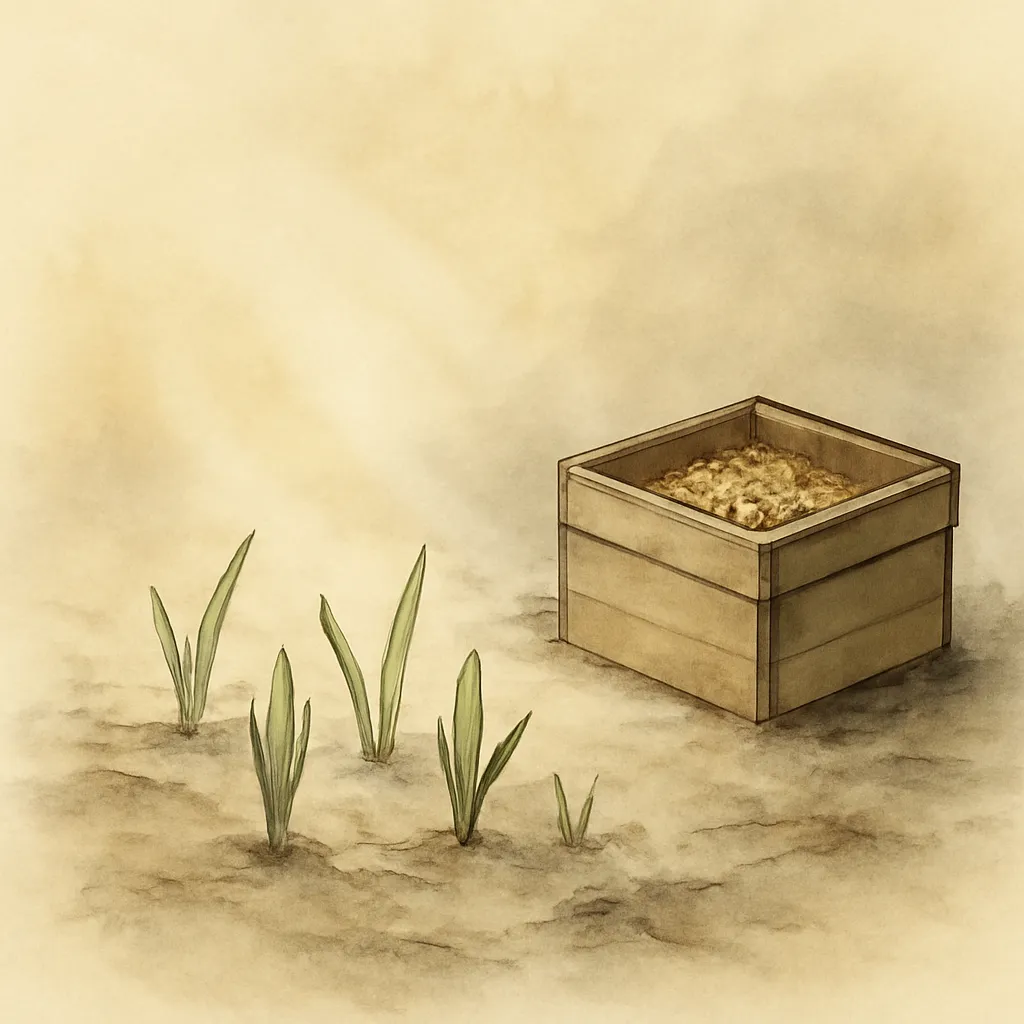
The opening chapters set the stage with a stark depiction of the Kansas prairie under the relentless sun, where a fourteen-year-old girl, Elizabeth, finds herself herding cattle in a landscape that is as unforgiving as the life it represents. The drought has rendered the land barren, reflecting the struggles of the settlers who have come to stake their claim. The imagery of the dry, monotonous grass and the stunted trees serves as a metaphor for the limited opportunities available to the characters. Elizabeth's daily toil under the oppressive heat symbolizes the weight of her responsibilities, not just to the cattle but to her family, as she learns early on that survival is intertwined with hard work and perseverance. This environment shapes her character, instilling in her a sense of resilience that will be tested throughout the narrative.
2.Hope Amidst Despair
As spring arrives and the young grass begins to grow, there is a flicker of hope among the settlers, contrasting sharply with the previous winter's despair. The arrival of seed corn from the East offers a promise of renewal, yet it also brings anxiety as the grasshopper eggs hatch, threatening the fragile crops. The tension among the farmers is palpable as they rise at dawn, driven by the fear of losing everything they've worked for. Josiah Farnshaw, a key character, emerges as a beacon of determination, refusing to be cowed by nature's whims. His unwavering faith in Kansas inspires others to follow suit, demonstrating how hope can galvanize a community in the face of adversity. This theme of resilience is central to Elizabeth's journey, as she learns to balance hope with the harsh realities of her circumstances.
3.The Weight of Family Expectations
Elizabeth's relationship with her family, particularly her parents, underscores the societal expectations placed upon her. As she matures, she becomes acutely aware of her mother’s insistence on financial contributions to the family, which conflicts with her own desire for education and independence. This internal struggle is vividly illustrated when Elizabeth decides to withhold her earnings to fund her education in Topeka, defying her father's expectations. Her mother’s fear of her husband’s wrath adds another layer of complexity to Elizabeth's dilemma. This dynamic illustrates the broader theme of women’s roles in society, where personal aspirations are often sacrificed for familial duties. Elizabeth's determination to pursue her own path reflects a growing awareness of her worth beyond the confines of her family's expectations.
4.The Quest for Identity
As Elizabeth grapples with her identity, the arrival of new characters, such as John Hunter and Hugh Noland, complicates her journey. John, a cultured man, represents the world beyond the prairie, and Elizabeth finds herself drawn to him, yet plagued by insecurities about her own upbringing. This tension between her humble origins and her aspirations is palpable, especially when she compares herself to the more refined women in her community. Her encounters with John and Hugh serve as a catalyst for her self-discovery, prompting her to confront her fears and desires. The narrative explores the struggle for self-acceptance and the desire to break free from societal constraints, as Elizabeth navigates her feelings for both men while trying to define her own identity.
5.Love and Sacrifice
Elizabeth's relationships reveal the complexities of love and the sacrifices that come with it. Her bond with John Hunter evolves from admiration to a deeper connection, yet it is fraught with the challenges of their differing backgrounds and expectations. John’s proposal to Elizabeth is both a romantic gesture and a reflection of his desire for companionship, but it also signifies the weight of responsibility that Elizabeth must bear. As she enters marriage, Elizabeth grapples with the reality of being a wife and the expectations that come with it, often feeling overshadowed by John’s ambitions. This dynamic illustrates the theme of sacrifice in love, as Elizabeth must navigate her own desires while supporting her husband’s dreams. The narrative poignantly captures the tension between personal fulfillment and marital duty.
6.Navigating Community Dynamics
The interactions between Elizabeth and her neighbors highlight the complexities of community dynamics in a rural setting. Initially met with suspicion and judgment, Elizabeth learns to navigate these relationships carefully. Her attempts to integrate into the community are met with mixed responses, reflecting the prejudices and biases that exist within small towns. The arrival of Aunt Susan and her unwavering support provides Elizabeth with a sense of belonging, yet the societal expectations of her role as a wife complicate her integration. Elizabeth’s journey illustrates the challenges of forging connections in a tightly-knit community, where gossip and reputation can dictate one’s standing. Her resilience in the face of adversity and her ability to rise above petty judgments exemplify her strength of character.
7.The Burden of Motherhood
As Elizabeth embraces motherhood, she faces new challenges that test her resilience and resolve. The arrival of her first child brings joy, but it also exacerbates her feelings of isolation and inadequacy. The narrative explores Elizabeth’s internal conflict as she grapples with the societal expectation to be a devoted mother while also yearning for personal fulfillment. Her struggles with postpartum feelings and the demands of raising a child amidst the harsh realities of farm life are depicted with raw honesty. Elizabeth’s journey through motherhood becomes a powerful exploration of identity, as she seeks to reconcile her roles as a mother, wife, and individual. This theme resonates deeply, highlighting the often-unspoken challenges women face in balancing their multiple identities.
8.Financial Struggles and Independence
The narrative delves into the financial struggles faced by the Farnshaw family, reflecting the broader economic challenges of the time. Elizabeth's determination to secure her family's financial stability drives her decisions, yet it often comes at the cost of her personal aspirations. The burden of debt looms large, as she navigates the complexities of managing finances while trying to support her family. The tension between economic necessity and personal desire is palpable, especially as Elizabeth contemplates selling land to pay off debts. This struggle for financial independence becomes a central theme, illustrating how economic pressures can shape one’s choices and impact relationships. Elizabeth's resilience in the face of these challenges underscores her growth and determination to forge her own path.
9.The Impact of Loss and Grief
The story takes a poignant turn with the introduction of loss and grief as central themes. The death of key characters serves as a catalyst for Elizabeth’s transformation, forcing her to confront her own vulnerabilities and the fragility of life. The emotional weight of these losses compels Elizabeth to reevaluate her relationships and her place within the community. The narrative captures the profound impact of grief on Elizabeth’s psyche, illustrating how it shapes her decisions and actions moving forward. This exploration of loss is not merely about mourning; it becomes a powerful vehicle for growth and self-discovery. Elizabeth’s ability to find strength in the face of grief speaks to the resilience of the human spirit and the transformative power of love.
10.Empowerment Through Adversity
Ultimately, Elizabeth’s journey is one of empowerment through adversity. Each challenge she faces, from familial obligations to societal expectations, serves as a stepping stone toward self-discovery and personal growth. The narrative illustrates how adversity can forge strength and resilience, as Elizabeth learns to advocate for herself and her desires. Her evolution from a dutiful daughter and wife to an empowered woman who claims her identity is a testament to the human spirit's capacity for growth. The story culminates in Elizabeth’s realization that her worth extends beyond her roles within the family and community, and she embraces her individuality with newfound confidence. This theme resonates deeply, inspiring readers to reflect on their own journeys and the power of resilience in overcoming life’s challenges.