1.History Through Personal Lives
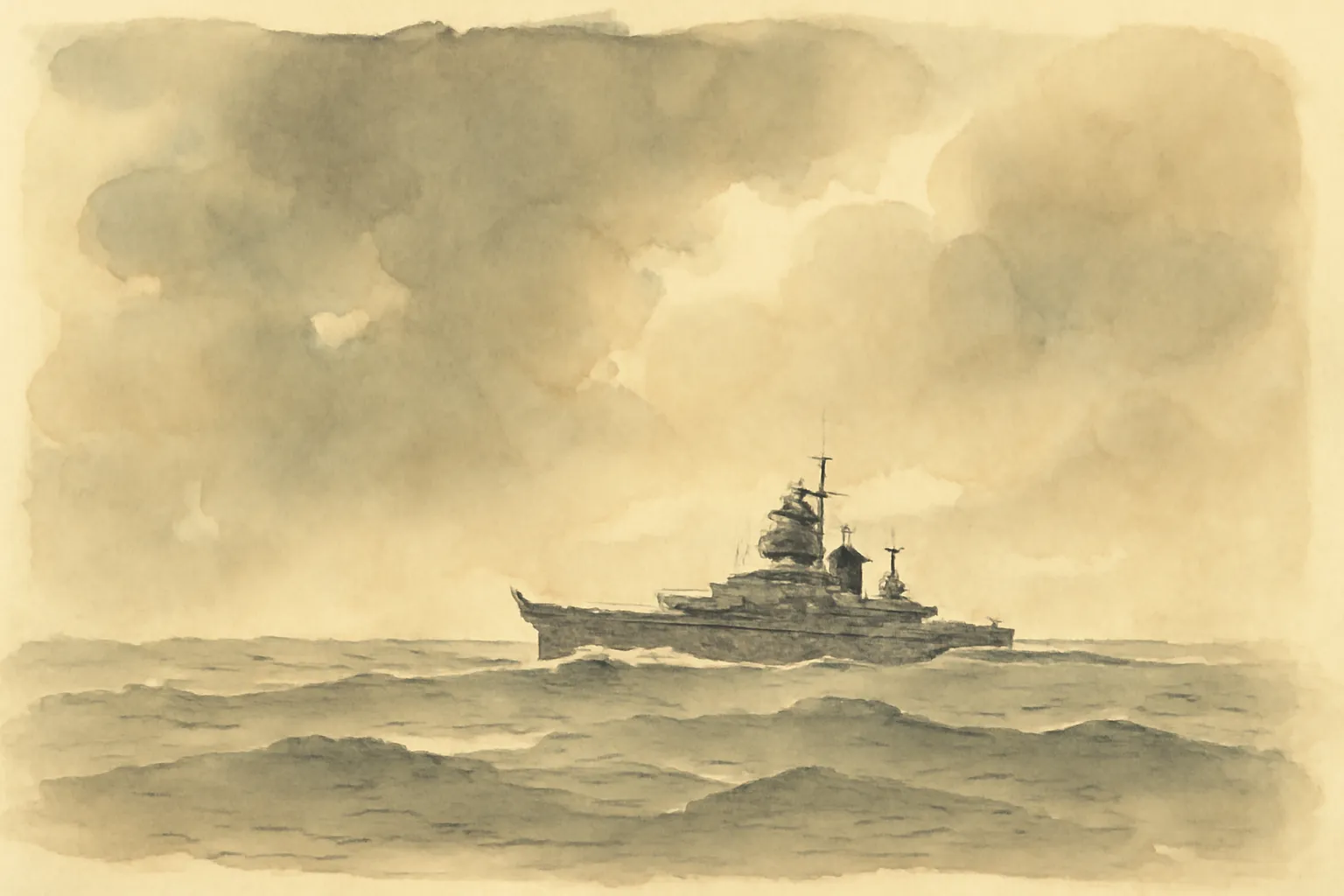
Wouk’s central achievement is blending the grand sweep of world events with the private struggles and triumphs of the Henry family. By following Victor 'Pug' Henry and his relatives across continents, the novel personalizes the abstract forces of war, making the reader feel the stakes of diplomacy, military strategy, and shifting alliances. This approach humanizes history, showing how ordinary people are swept up in extraordinary times.
2.The Complexity of War’s Origins
The novel delves deeply into the political, social, and ideological currents that led to World War II. Wouk meticulously reconstructs the lead-up to the conflict, from the rise of fascism in Europe to the hesitant response of America. Through the Henrys’ encounters with historical figures and their own evolving views, readers gain insight into why the world failed to prevent catastrophe—and how easily nations can be blindsided by events.
3.Moral Ambiguity and Duty
Characters in The Winds of War grapple with questions of loyalty, responsibility, and the gray areas of right and wrong. Pug Henry, as a naval officer and diplomat, must balance personal convictions with his duty to country and family. Wouk avoids simplistic heroism, instead exploring the difficult choices individuals face when ideals collide with reality.
4.Love and Loss in Wartime
Alongside the political drama, the novel is rich with personal relationships—romantic entanglements, marriages under strain, and the pain of separation. Wouk uses these stories to illustrate how war disrupts lives, tests bonds, and forces characters to confront what truly matters to them. The emotional stakes are as high as the historical ones.
5.The Power and Limits of Perspective
By weaving in multiple points of view—including Americans, Europeans, and even fictionalized versions of real leaders—Wouk demonstrates how perspective shapes understanding of events. The novel suggests that no single person or nation has a monopoly on truth, and that history is always experienced subjectively, often with tragic consequences.
6.Meticulous Historical Detail
Wouk’s research is evident in his vivid depictions of settings, military procedures, and diplomatic intrigue. The inclusion of 'excerpts' from a fictional German general’s memoir adds another layer, offering a counterpoint to the Henrys’ perspective and deepening the reader’s grasp of the era’s complexity.