1.The Nariokotome Boy: A Singular Discovery
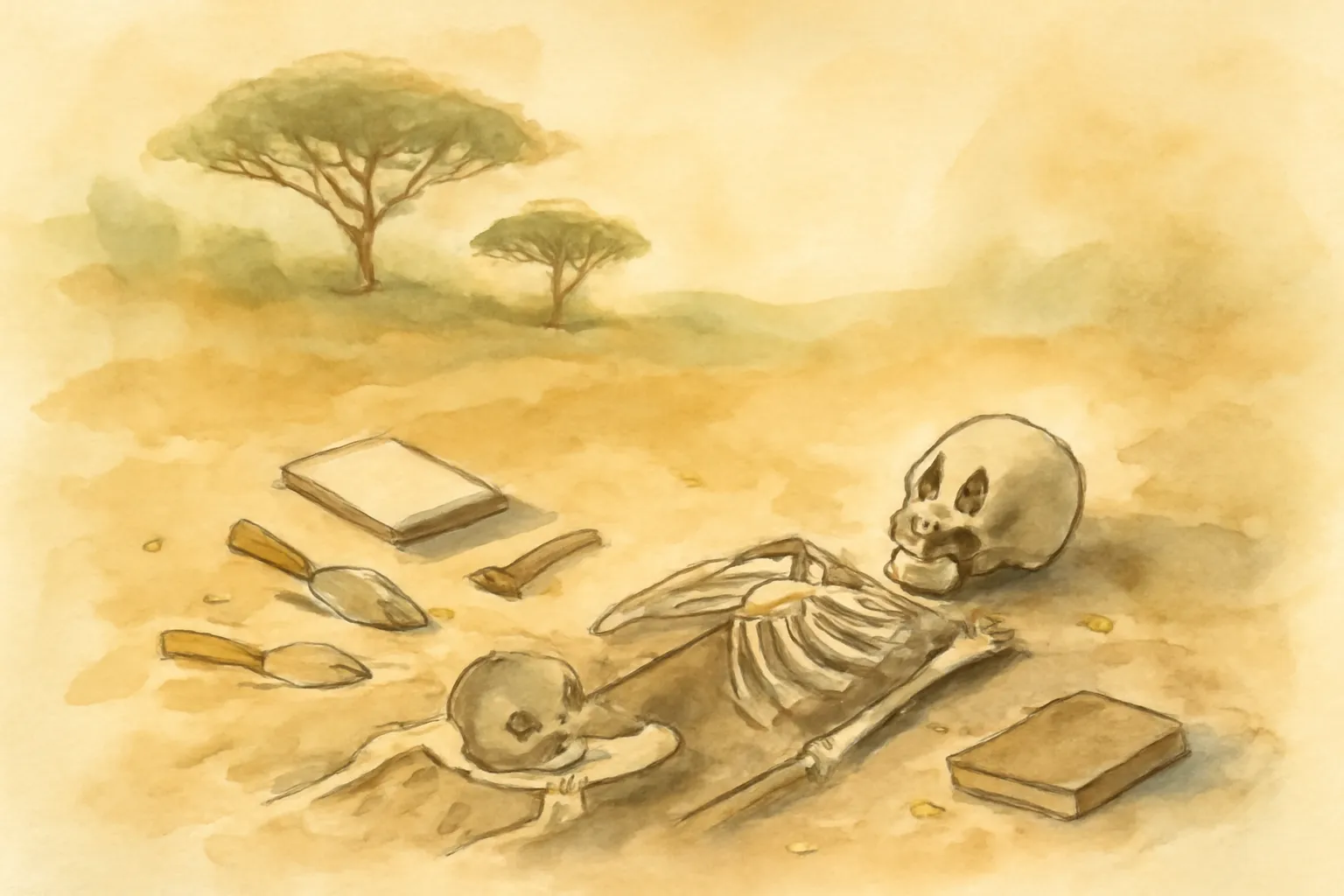
At the heart of the book is the 1984 discovery of the Nariokotome Boy, the most complete early human skeleton ever found. Walker and Shipman detail how this adolescent Homo erectus specimen revolutionized our understanding of early humans—offering direct evidence of stature, growth, and development. The find allowed scientists to move beyond fragments and conjecture, providing a nearly full picture of an individual who lived 1.5 million years ago. This skeleton became a touchstone for debates about what makes us human and how our ancestors lived and evolved.
2.Science as Detective Work
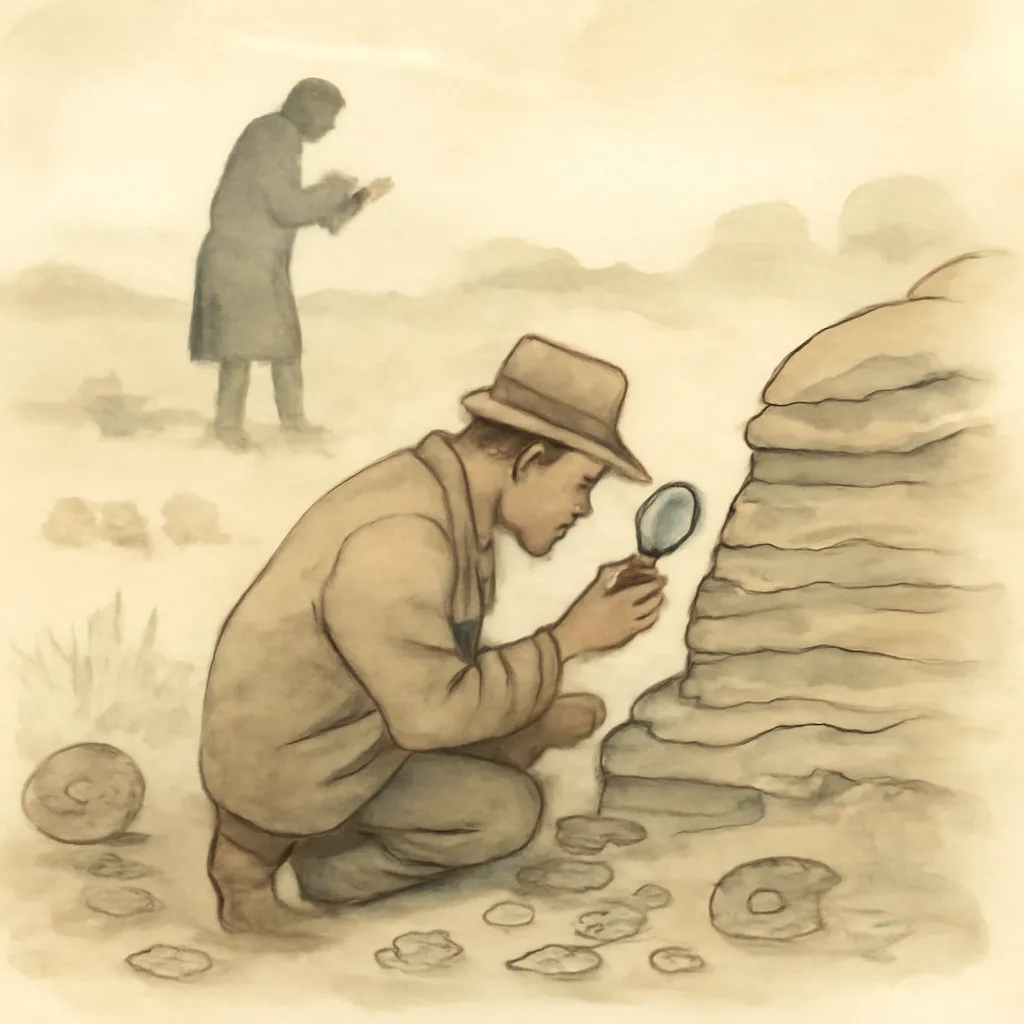
Walker and Shipman demystify paleoanthropology, showing it as a blend of painstaking fieldwork, lab analysis, and creative hypothesis. The book is as much about the process of science—false leads, rivalries, and the gradual accumulation of evidence—as it is about the fossil itself. Readers see how scientists build narratives from scattered clues, and how new discoveries can overturn decades of accepted wisdom. The authors invite readers to appreciate the rigor, uncertainty, and excitement of scientific discovery.
3.Redefining the 'Missing Link'
The search for the so-called 'missing link' has long been a driving force in human origins research. The Wisdom of the Bones critically examines this concept, revealing it as both a scientific quest and a cultural myth. By tracing the history of fossil discoveries and shifting theories, the book shows how each new find—like Nariokotome Boy—reshapes our understanding, making the idea of a single 'link' increasingly obsolete. Instead, human evolution emerges as a branching, complex process.
4.What the Bones Reveal About Early Humans
Through detailed anatomical analysis, Walker and Shipman show how Nariokotome Boy’s skeleton reveals key insights: upright walking, body proportions suited for endurance, and evidence of a highly social, active lifestyle. Yet, despite these modern traits, the fossil also points to limits—especially in the development of the vocal tract, suggesting that full language was likely absent. The book explores how physical form both enabled and constrained the evolution of human behavior.
5.The Human Story: Collaboration and Competition
The narrative is also about the people behind the science: the rivalries, collaborations, and passions that drive discovery. Walker and Shipman reflect on the personalities and politics of paleoanthropology, showing how scientific progress is shaped by both evidence and ego. The book highlights the importance of teamwork, perseverance, and open-mindedness in advancing knowledge.
6.Why Fossils Matter Today
Beyond the specifics of Nariokotome Boy, the book argues for the enduring value of fossils in understanding ourselves. Fossil evidence grounds debates about what it means to be human, challenging assumptions and connecting us to deep time. The authors make the case that studying our origins is not just academic—it shapes how we see our place in the natural world.