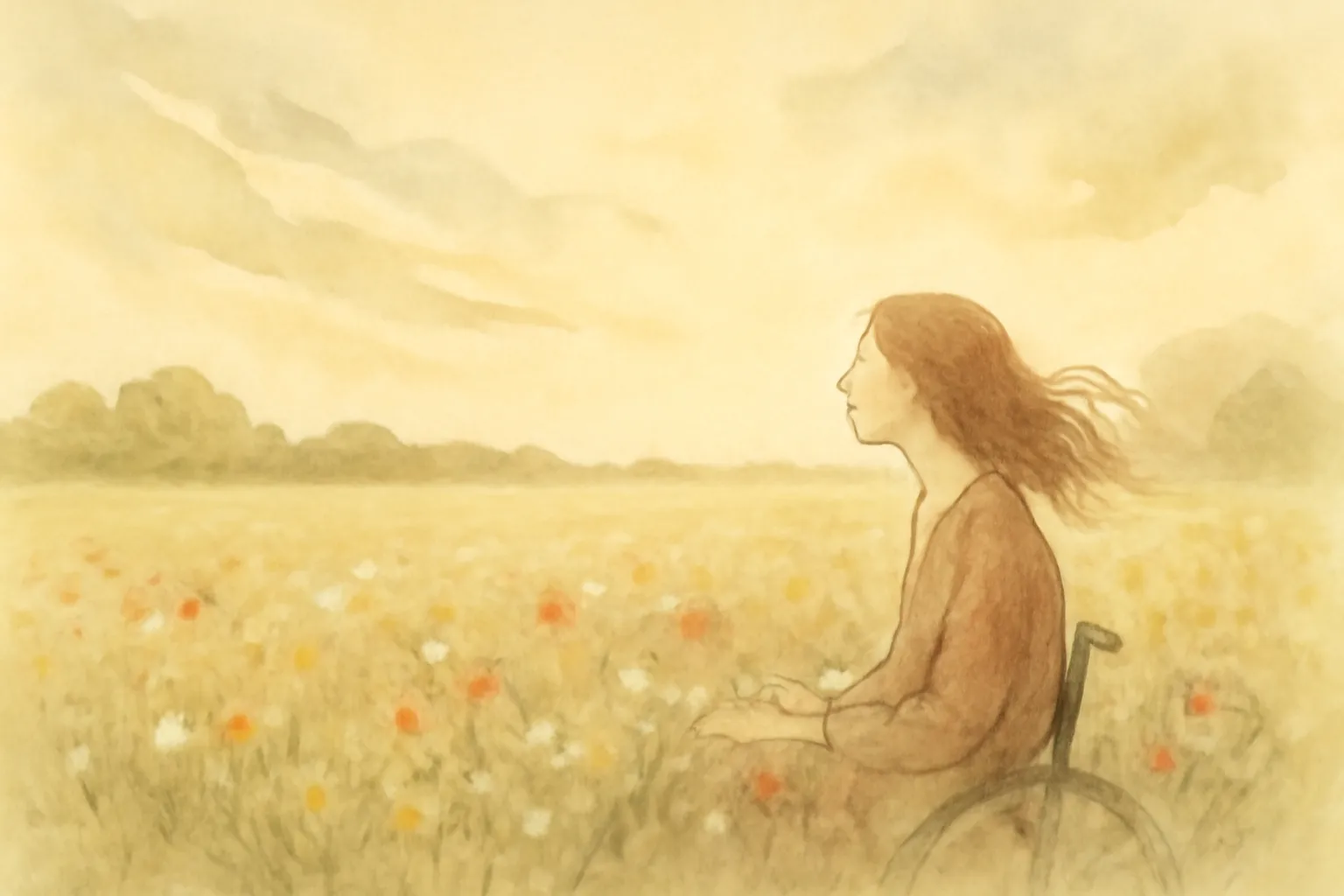
1.The Primacy of Touch
Keller emphasizes that for her, touch is not just a sense but a lifeline to the world around her. She describes her hand as a gateway through which she experiences love, joy, and connection. In her essay 'The Seeing Hand,' she recounts a simple yet profound encounter with her dog, where the tactile experience becomes a moment of pure bliss. Keller argues that touch allows her to form bonds with others, illustrating that intimacy transcends sight and sound. She believes that the essence of communication lies in the warmth and understanding conveyed through physical contact, reinforcing that touch can be a more profound expression of love than words or visual cues could ever be. This insistence on touch as a primary mode of engagement with the world opens a dialogue about the ways in which we, as individuals, might deepen our connections beyond the limitations of spoken language.
2.The Richness of Human Connection
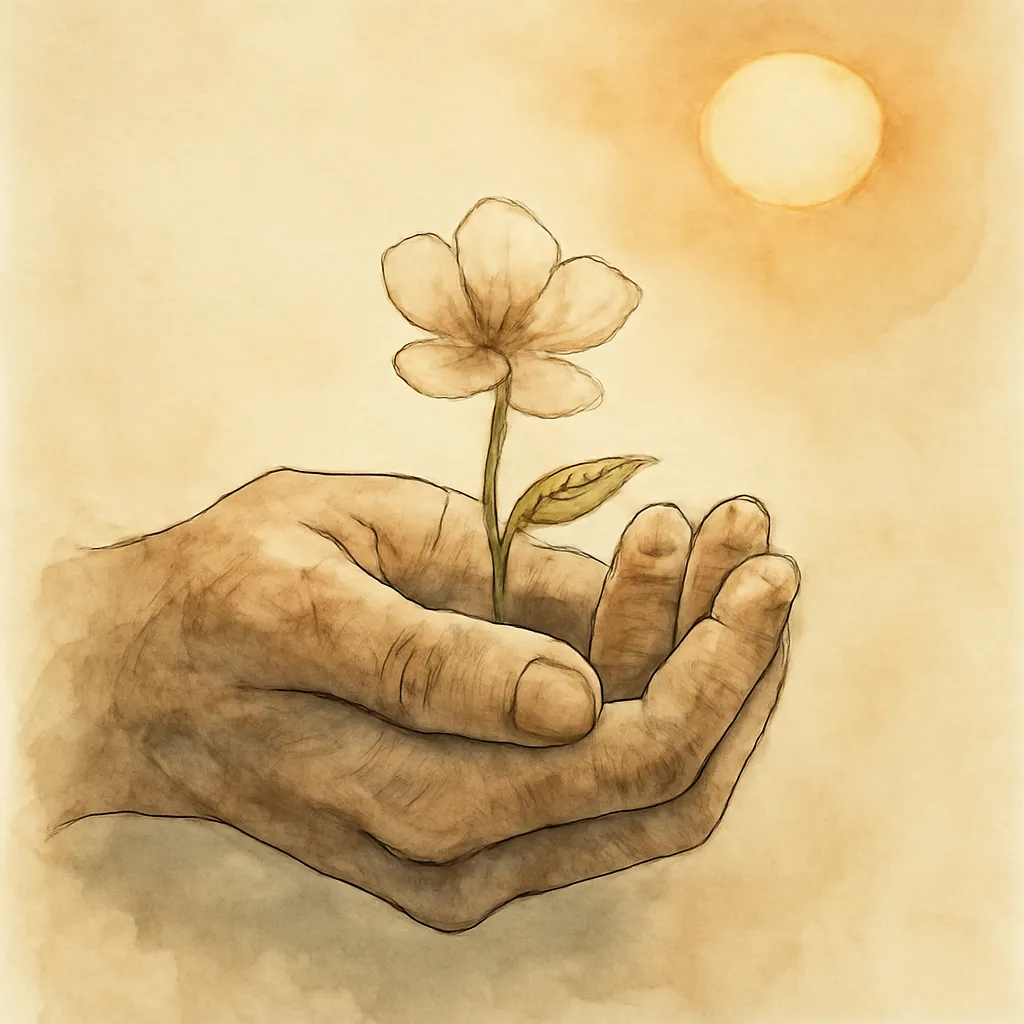
Keller explores the warmth and protectiveness found in the human hand, asserting that the hands of others convey emotions and histories. She recounts her memories of the hands of notable figures, such as Bishop Brooks and Mark Twain, infusing them with personality and spirit. This connection is not merely physical; it is an emotional tapestry woven through shared experiences and memories. Keller's ability to recall the essence of a person through their touch highlights the depth of human relationships. For Keller, the hands symbolize more than just physical attributes; they represent the emotional energies and stories of the people who touch her life. When she touches a hand, she feels the vitality and warmth that transcends her own experience, reminding readers that each person they encounter carries a world of experience within them. This profound recognition fosters empathy and underscores the power of human connection, reinforcing her belief that emotional experiences create a tapestry of mutual understanding.
3.The Symbolism of the Hand
In her reflections, Keller delves into the symbolic significance of hands throughout history and language. She notes that many idioms and expressions arise from the concept of the hand, linking it to human achievement, labor, and creativity. By examining these linguistic connections, Keller demonstrates how integral the hand is to our understanding of the world. The hand symbolizes action, control, and connection, serving as a powerful metaphor for human agency. Keller's exploration of language reveals her deep appreciation for the nuances of communication, even as she navigates her own limitations. She insists that the richness of human experience can be captured and expressed through the symbolism of the hand, reinforcing her belief in the importance of touch. For instance, she points out that terms like 'hand in hand' symbolize unity and shared journeys, reinforcing the idea that our lives are interconnected through our actions and relationships.
4.The Power of Music and Sound

Keller's relationship with music is a poignant testament to her ability to experience beauty beyond sight. In 'The Power of Touch,' she articulates her love for music, describing how she feels the vibrations of sound through her body. She connects with the essence of music not through auditory perception, but through tactile sensations and emotional resonance. Keller conveys how music transcends the physical world, allowing her to connect with a universal language of emotion and spirit. She illustrates the joy she derives from the piano, where she can feel the energy of each note and the spirit of the composer, allowing music to be an integral part of her existence. Keller's ability to interpret music through touch and feeling exemplifies her resilience and creativity in navigating a world not designed for her. This connection to music exemplifies her deep understanding of beauty and art, showing that even without conventional senses, one can still experience profound joy and connection. By allowing herself to feel music in a way that many might overlook, she demonstrates that beauty is not confined to visual perceptions.
5.Smell as a Powerful Sense

Keller argues that smell is an undervalued sense that plays a critical role in shaping our experiences. She reflects on how scents evoke memories and emotions, providing a rich tapestry of associations that enhance her understanding of the world. For Keller, the fragrance of flowers or the scent of rain can transport her back to cherished moments, illustrating the power of olfactory experiences. She challenges the stigma surrounding smell, asserting that it deserves recognition alongside sight and sound. Keller's vivid descriptions of scents and their impact on her emotions reveal a depth of perception that transcends physical limitations. Through her reflections on smell, she emphasizes that all senses contribute to our understanding of beauty and the richness of life. Smells can remind us of loved ones, lost moments, and joyous occasions, enriching our emotional landscape in ways that are often overlooked. This perspective invites readers to explore their own sensory experiences and recognize the profound connections scents can create.
6.The Interconnectedness of the Senses
Keller explores the idea that the senses are not isolated but interconnected in profound ways. She notes that her experiences with touch, sound, and smell often overlap, creating a holistic understanding of her environment. For instance, she describes how the texture of an object can evoke memories associated with its scent or sound. This interconnectedness allows her to form a multi-dimensional understanding of the world, enriching her experiences. Keller's insights challenge the notion of sensory limitations, illustrating that the mind can adapt and create meaning even when certain senses are absent. By embracing the interplay of her remaining senses, she demonstrates that the richness of human experience is not confined to conventional perceptions. This interdependence among the senses indicates that our understanding of the world is multifaceted, allowing individuals to draw from their experiences in unique and creative ways. Keller's narrative encourages readers to recognize the value of all senses and how they can complement each other in forming a complete picture of reality.
7.The Depth of Inward Vision

Keller reflects on the concept of 'inward vision,' which she believes is an essential aspect of understanding beauty and truth. She argues that beauty is not solely dependent on visual perception but can be comprehended through the mind and spirit. Keller asserts that her blindness has not hindered her ability to appreciate the world; instead, it has allowed her to cultivate a deeper understanding of its essence. She draws on her experiences to illustrate how imagination and thought can create vivid mental images that rival physical sight. This inward vision empowers her to explore abstract concepts and emotions, demonstrating that true understanding goes beyond mere sensory input. Keller's perspective encourages readers to consider the richness of their own inner worlds and the potential for creativity and insight that lies within. The cultivation of this inward vision aligns with her belief in the transformative power of education and personal growth, as she encourages others to seek beauty and understanding through imagination and reflection.
8.The Nature of Dreams and Reality

In her exploration of dreams, Keller draws parallels between her waking life and her dream experiences. She suggests that dreams serve as a bridge between the conscious and subconscious, allowing for exploration of thoughts and emotions that may not surface in everyday life. Keller's reflections on her dreams reveal a world filled with rich imagery and sensations, which she describes as a continuation of her inner life. She emphasizes that dreams can symbolize deeper truths and insights, challenging the notion that they are merely inconsequential fantasies. This perspective highlights the importance of introspection and the exploration of one's inner world. Keller's insights into the nature of dreams encourage readers to embrace their own dream experiences as valuable sources of wisdom and understanding. She believes that the boundaries between dreams and reality are porous, and understanding this connection can lead to greater self-awareness and creativity.
9.The Journey from Darkness to Light

Keller's narrative depicts her transformative journey from a state of ignorance and isolation to one of enlightenment and connection. She describes her early years as a deaf-blind child, where her world was shrouded in darkness and silence. However, through the love and guidance of her teacher, she began to awaken to the richness of life. Keller's vivid imagery captures the moment when she first grasped the beauty of language and knowledge, likening it to a light illuminating her existence. This journey symbolizes the universal quest for understanding and connection, as she learns to navigate the complexities of human experience. Keller's triumph over her disabilities serves as an inspiring testament to the power of education, love, and perseverance in overcoming life's challenges. She emphasizes that the journey from darkness to light is not just her own but shared by anyone who seeks knowledge and connection in their lives. This journey encourages self-discovery and the pursuit of personal growth, making it relatable to anyone who has faced obstacles.
10.The Value of Human Experience
Keller's reflections on her life emphasize the inherent value of all human experiences, regardless of physical abilities. She asserts that the essence of existence lies in our capacity for love, empathy, and understanding. Through her writings, she challenges societal perceptions of disability, advocating for the recognition of the richness that each individual brings to the world. Keller's insights reveal that the human spirit can thrive even in the face of adversity, and that true beauty is not confined to traditional notions of ability. By sharing her experiences, she encourages readers to appreciate the diverse tapestry of human existence and to celebrate the unique contributions of every individual, fostering a sense of inclusivity and unity. This celebration of human experience reinforces the idea that every person's life story, regardless of challenges faced, is valuable and deserving of recognition, pushing against the barriers constructed by societal norms.