1.The Burden of Duty
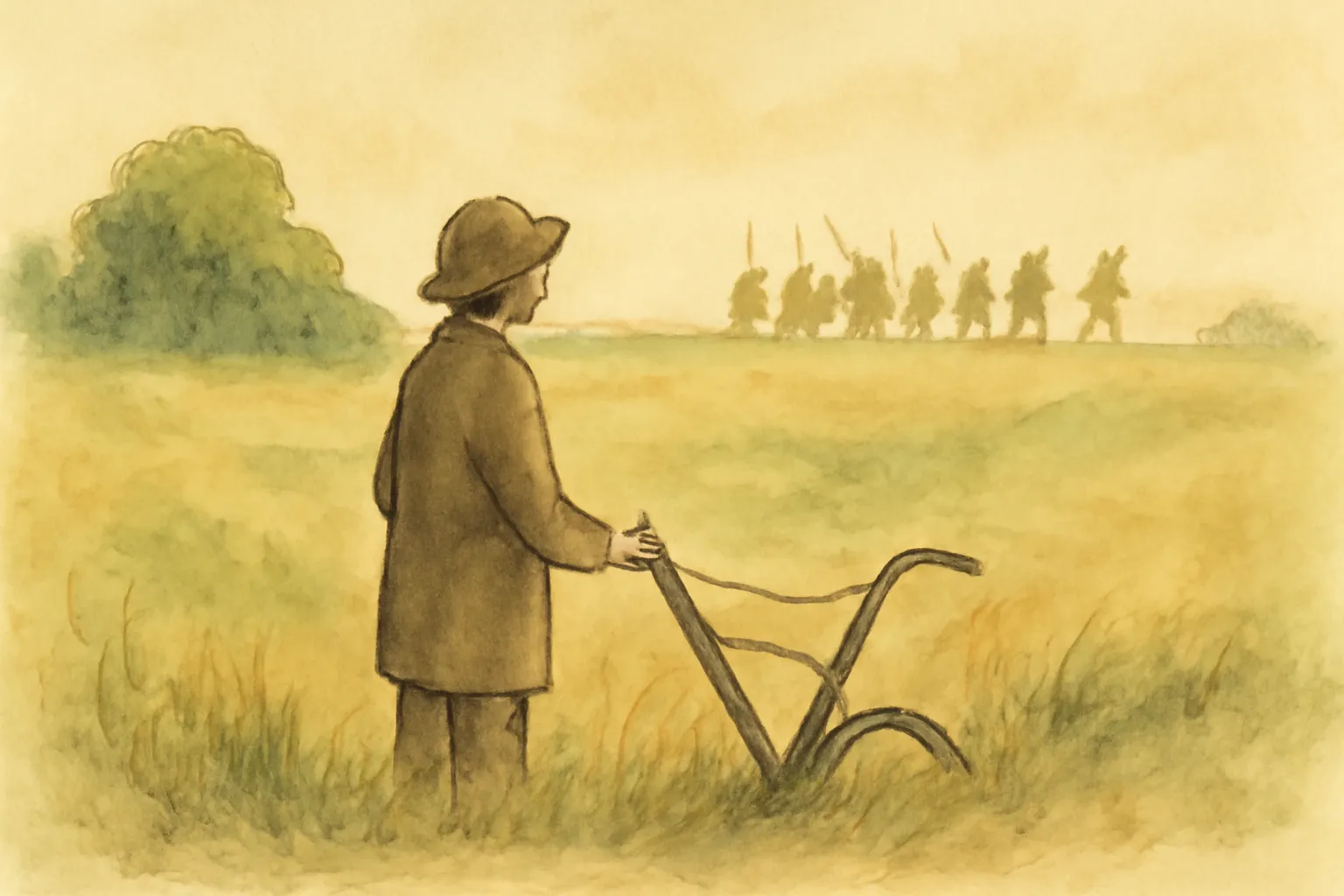
Oliver Wheatman's refusal to accompany Kate to watch the soldiers march encapsulates the emotional turmoil of a young man caught between duty and desire. He feels the weight of his responsibilities to his family, especially after the loss of his mother, which makes his longing for adventure even more poignant. The soldiers represent not just a call to arms but a reminder of what he has lost—a life filled with promise and excitement. This internal conflict highlights the broader theme of duty versus personal desire, as Oliver grapples with the societal expectations placed upon him as a farmer and a young man in a turbulent era. His decision marks the beginning of a deeply personal journey, reflecting the struggles many face when their aspirations clash with the expectations of their roles in society. Oliver’s thoughts reveal a profound sense of loss, as he feels trapped in a life that denies him the freedom to pursue his dreams.
2.Friendship Amidst Conflict
The camaraderie between Oliver and his friends, like Joe Braggs, serves as a crucial element in the narrative. Their interactions provide moments of levity and warmth, showcasing the bonds forged through shared experiences, whether they are mundane or perilous. The friendships are tested as the backdrop of war looms larger, and the characters must confront their fears and insecurities. Gough illustrates how these relationships become lifelines in times of chaos, allowing individuals to find solace and strength in each other. The banter and shared memories between Oliver and Joe not only enrich the narrative but also emphasize the importance of friendship as a source of resilience and support in the face of life's unpredictability. Joe's unwavering loyalty serves as a reminder of the power of companionship, highlighting how friends can act as both a buffer against the harshness of reality and a catalyst for personal growth.
3.The Complexity of Love

The relationship between Oliver and Mistress Margaret Waynflete embodies the intricate dance of love amidst societal constraints. As Oliver becomes entangled in Margaret's plight, their bond deepens, yet is fraught with challenges. The class differences and the expectations placed on Margaret as a noblewoman create tension in their relationship, forcing Oliver to confront his feelings and the implications of their love. Gough deftly portrays the nuances of romance, illustrating how love can be both a source of joy and a cause of heartache. The moments they share are charged with emotion, capturing the exhilaration of newfound affection against the backdrop of impending danger and societal judgment. This exploration of love's complexity reflects the broader human experience, resonating with anyone who has navigated the challenges of desire and obligation. Margaret's hesitations and Oliver's steadfastness encapsulate the struggle between societal expectations and personal happiness, making their love both tender and tragic.
4.The Call to Adventure

Oliver's journey from the familiarity of the Hanyards to the uncertainties of the world beyond signals a classic hero's journey. The initial reluctance to embrace adventure gives way to a sense of purpose as he realizes that his actions can make a difference. Gough frames this transformation in a way that resonates with readers, emphasizing the importance of stepping outside one's comfort zone. Oliver's encounters with danger and intrigue serve as catalysts for personal growth, challenging him to rise to the occasion. The call to adventure is not merely a physical journey but also a metaphorical one, representing the inner struggles and triumphs that define the human experience. Through Oliver's eyes, readers are encouraged to reflect on their own lives and the choices that shape their paths, as he discovers that true growth often lies beyond the safety of the familiar. His evolution from a sheltered farmer to a determined adventurer illustrates how challenges can ignite latent courage and ambition.
5.The Price of Freedom
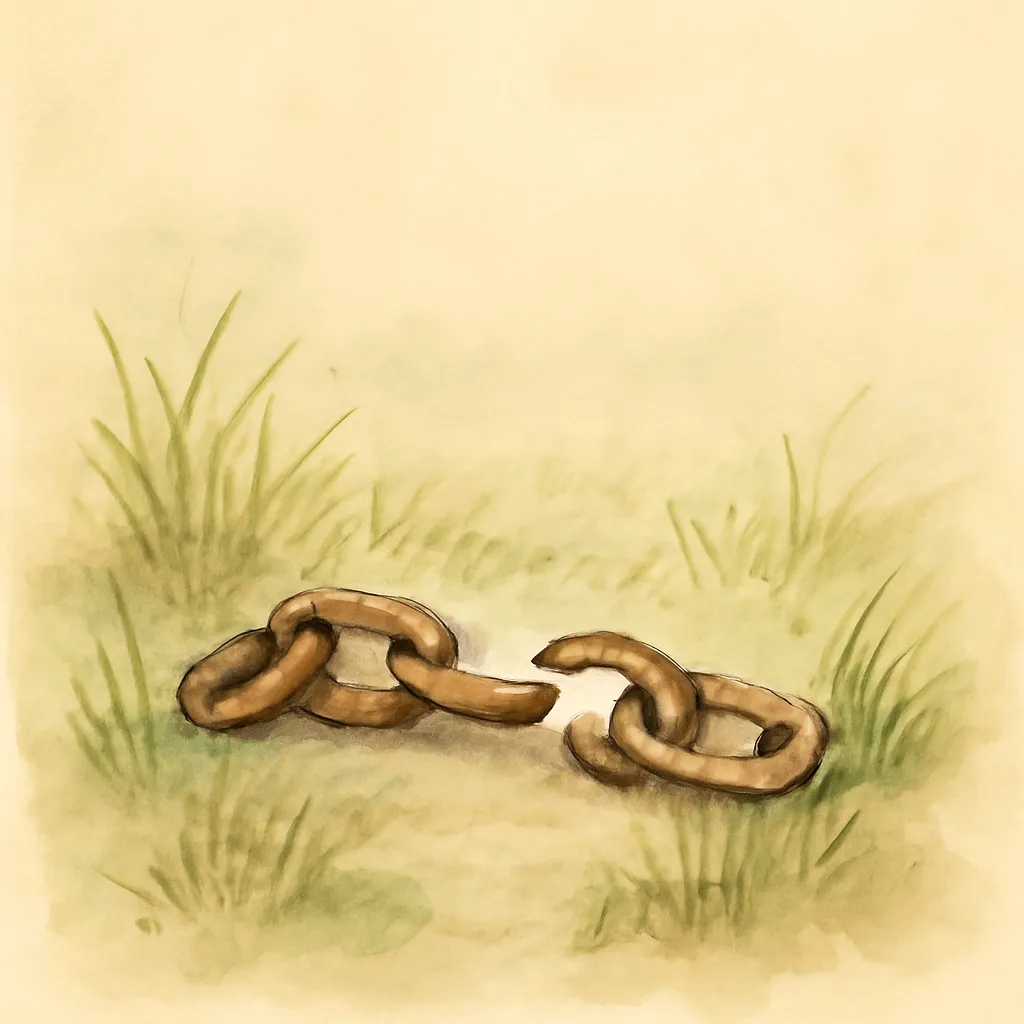
The narrative grapples with the concept of freedom, both personal and societal. As Oliver and Margaret navigate the dangers posed by the soldiers and the impending conflict, the question of what it truly means to be free becomes central to their journey. Gough illustrates that freedom is not just the absence of constraints but also the ability to make choices that align with one's values and desires. Oliver's actions, driven by a desire to protect Margaret and assert his agency, highlight the sacrifices individuals must make in the pursuit of freedom. This theme is underscored by the historical context of the story, where the fight for independence intertwines with personal struggles. The tension between personal desires and societal obligations underscores the complex nature of freedom, prompting readers to consider the costs associated with achieving it. Oliver’s quest becomes not just about physical liberation but also about emotional and moral autonomy, forcing him to confront what he is willing to sacrifice for those he loves.
6.Courage in the Face of Adversity
Throughout 'The Yeoman Adventurer,' Gough emphasizes the theme of courage as characters confront their fears and uncertainties. Oliver's transformation from a hesitant farmer to a courageous individual willing to risk everything for love and honor is a central arc of the story. His encounters with danger, whether in the form of soldiers or the challenges of the journey, test his resolve and push him to discover his inner strength. Gough portrays courage not as an absence of fear but as the ability to act in spite of it. This nuanced understanding of bravery resonates deeply, reminding readers that true courage often emerges from vulnerability and the willingness to face the unknown. Oliver’s journey is filled with moments that require him to summon this courage, whether in confronting a soldier or making a difficult decision to protect Margaret, serving as an inspiring testament to the human spirit.
7.The Role of Fate and Chance

The elements of fate and chance play a significant role in shaping the characters' destinies throughout the novel. Gough weaves moments of serendipity and unexpected turns that challenge Oliver's plans and force him to adapt. The seemingly random encounters with characters like Mistress Tonks and the soldiers create a sense of unpredictability, underscoring the idea that life is often beyond our control. This interplay between fate and free will invites readers to reflect on the nature of their own lives, questioning how much is determined by chance versus personal choice. Gough's exploration of this theme adds depth to the narrative, illustrating the complexities of navigating a world where the unexpected can alter the course of one's journey. Oliver’s navigation through these twists of fate highlights the importance of adaptability and resilience, as he learns to embrace uncertainty rather than fear it. This theme resonates with the idea that while we may not control our circumstances, we can control how we respond to them.
8.Class and Society
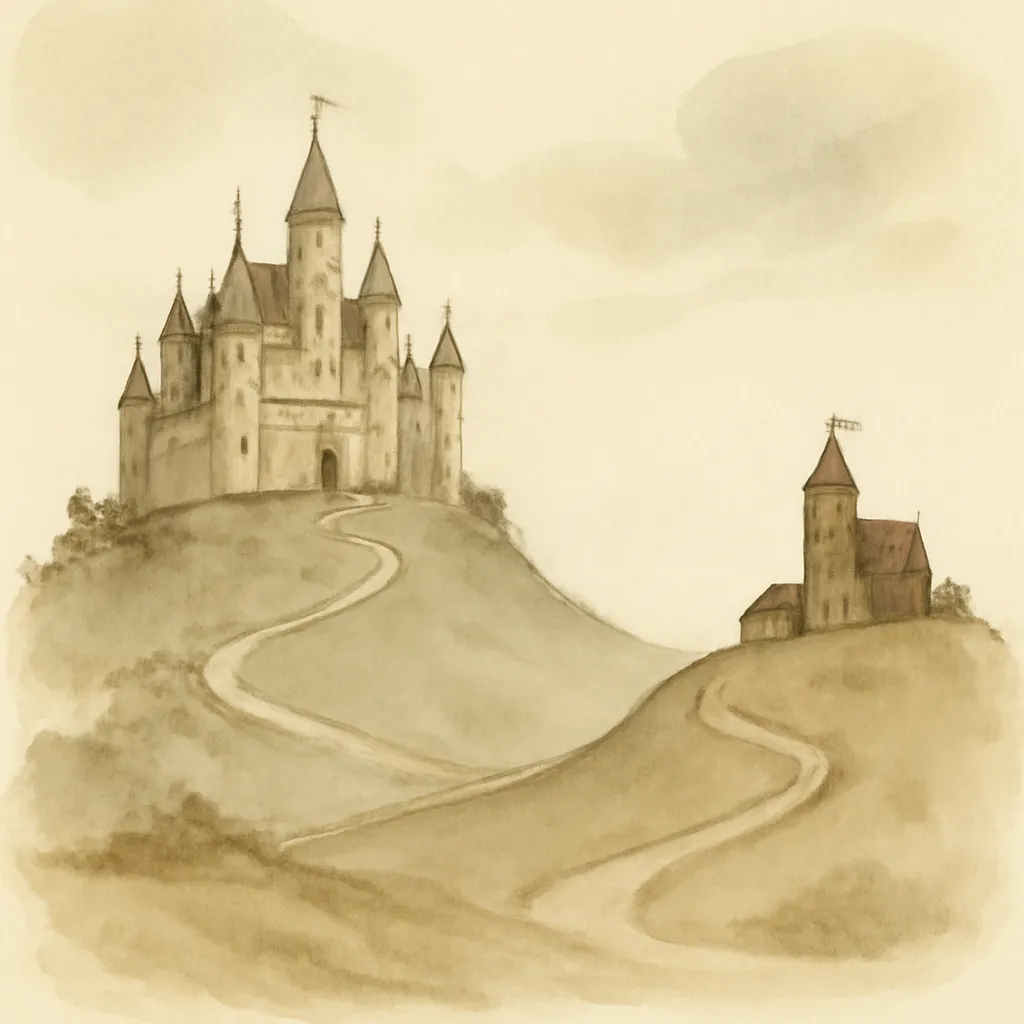
The novel delves into the rigid class structures of 18th-century England, highlighting the barriers that exist between characters of different social standings. Oliver's humble origins as a farmer contrast sharply with Margaret's noble lineage, creating a backdrop of societal expectations that complicate their relationship. Gough uses this dynamic to explore themes of privilege, power, and the limitations imposed by class. The interactions between characters from different backgrounds reveal the prejudices and assumptions that dictate their behavior and choices. Through Oliver and Margaret's journey, Gough critiques the societal norms that dictate worth and value, urging readers to consider the implications of class in shaping identity and relationships. The tension in their romance becomes a powerful lens through which to examine the broader social landscape, illustrating how love can transcend class boundaries, yet also highlighting the challenges that arise when societal expectations clash with personal desires.
9.The Influence of History
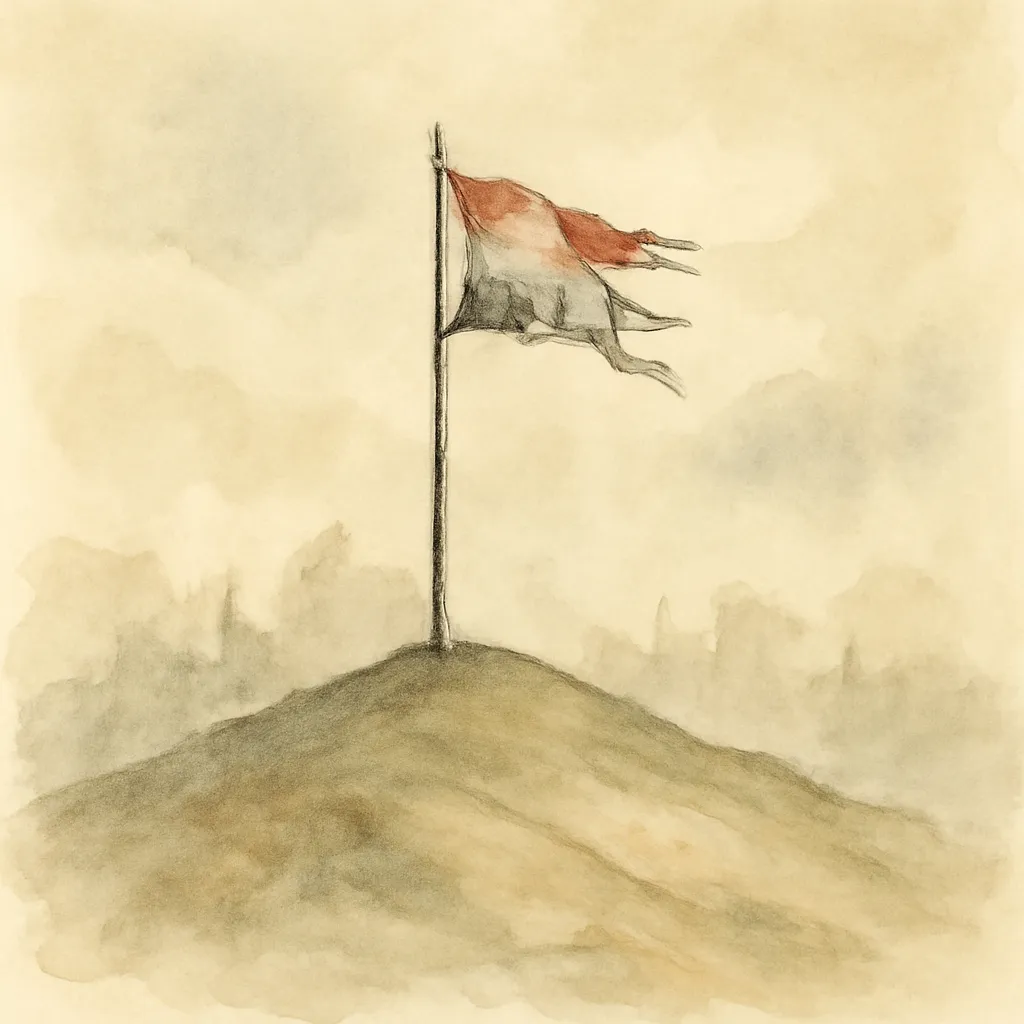
Set against the backdrop of historical events, 'The Yeoman Adventurer' offers a vivid portrayal of life during a tumultuous period in England. The narrative is infused with references to the political climate, the military conflicts, and the societal upheaval of the time. Gough's attention to historical detail enriches the story, providing context for the characters' motivations and challenges. The historical setting serves not only as a backdrop but also as a catalyst for the characters' actions, illustrating how larger forces shape individual lives. This intertwining of personal and historical narratives invites readers to reflect on the ways in which history impacts our present, reminding us that we are all part of a larger story. The author's ability to weave historical events into the personal struggles of the characters enhances the emotional resonance of the story, as it mirrors the real-life challenges faced by many during this period of upheaval. This historical context adds layers of meaning to the characters' journeys, emphasizing that their personal stories are intricately linked to the fabric of their time.
10.The Nature of Heroism
Gough redefines heroism through the character of Oliver, who embodies the idea that true heroes are not born but made through their choices and actions. Rather than being a traditional warrior, Oliver's heroism lies in his willingness to stand up for what he believes in, even when faced with overwhelming odds. Gough explores the notion that heroism is not limited to grand gestures but can be found in everyday acts of bravery, compassion, and integrity. This nuanced portrayal of heroism challenges conventional notions and encourages readers to recognize the potential for greatness within themselves and others. Oliver's journey serves as a reminder that everyone has the capacity to be heroic in their own way, and that true heroism often involves grappling with difficult choices and moral dilemmas. Through Oliver's experiences, Gough suggests that the essence of heroism lies in the courage to act in alignment with one’s values, regardless of the circumstances.