1.The Allure of Adventure
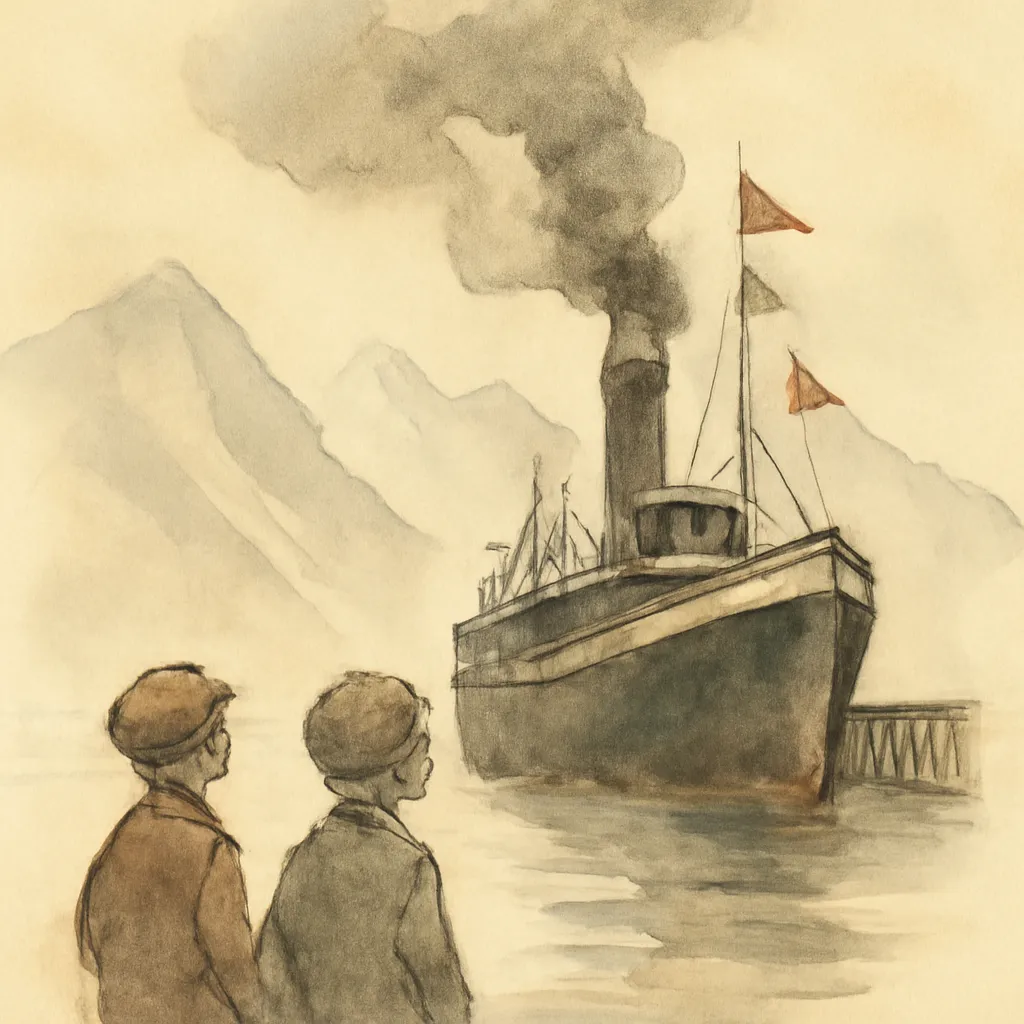
The story captures the essence of adventure from its opening scenes, as Rob McIntyre eagerly announces the arrival of the steamboat in Valdez. The steamboat symbolizes hope, excitement, and connection to the broader world, igniting the boys' imaginations and propelling them into a quest for exploration. Hough illustrates how the anticipation of adventure permeates life in remote Alaska, where the arrival of a vessel brings not just supplies but also stories and news from the outside. This yearning for adventure showcases the natural curiosity of youth, as the boys are drawn to the unknown, eager to engage with the wilderness beyond their town. Their initial eagerness serves as a foreshadowing of the trials they will face, emphasizing the notion that adventure is not solely about the destination but also about the transformative journey itself.
2.The Power of Friendship
Friendship is a central theme in 'The Young Alaskans', as Rob, Jesse, and John rely on one another for support and encouragement throughout their adventures. Their camaraderie serves as an emotional backbone, reminding readers of the importance of collaboration when facing challenges. For instance, while preparing for their journey to Kadiak, the boys share their hopes and fears, deepening their bond and reinforcing their commitment to one another. As the narrative unfolds, their friendship is tested through various challenges, from navigating treacherous waters to confronting wildlife. Hough skillfully illustrates that true friendship flourishes in adversity, as the boys inspire each other to push beyond their limits, demonstrating that shared experiences can forge unbreakable connections that withstand the trials of nature.
3.Confronting Nature's Challenges
As the boys embark on their journey aboard the Yucatan, they encounter the awe-inspiring yet formidable forces of nature that characterize the Alaskan wilderness. From navigating through thick fog to witnessing the majestic sight of whales, their experiences emphasize the unpredictability and power of the natural world. One pivotal moment occurs when the Nora finds itself lost in the fog, illustrating the boys' need to remain calm and resourceful in the face of uncertainty. Hough highlights how nature serves as both a beautiful backdrop and a formidable adversary, requiring respect and adaptability. The boys learn firsthand that survival in the wild necessitates awareness, quick thinking, and a willingness to embrace the unknown. This interplay between fascination and danger encapsulates the essence of adventure, encouraging readers to reflect on their relationship with nature and the lessons it imparts.
4.The Struggle with Isolation
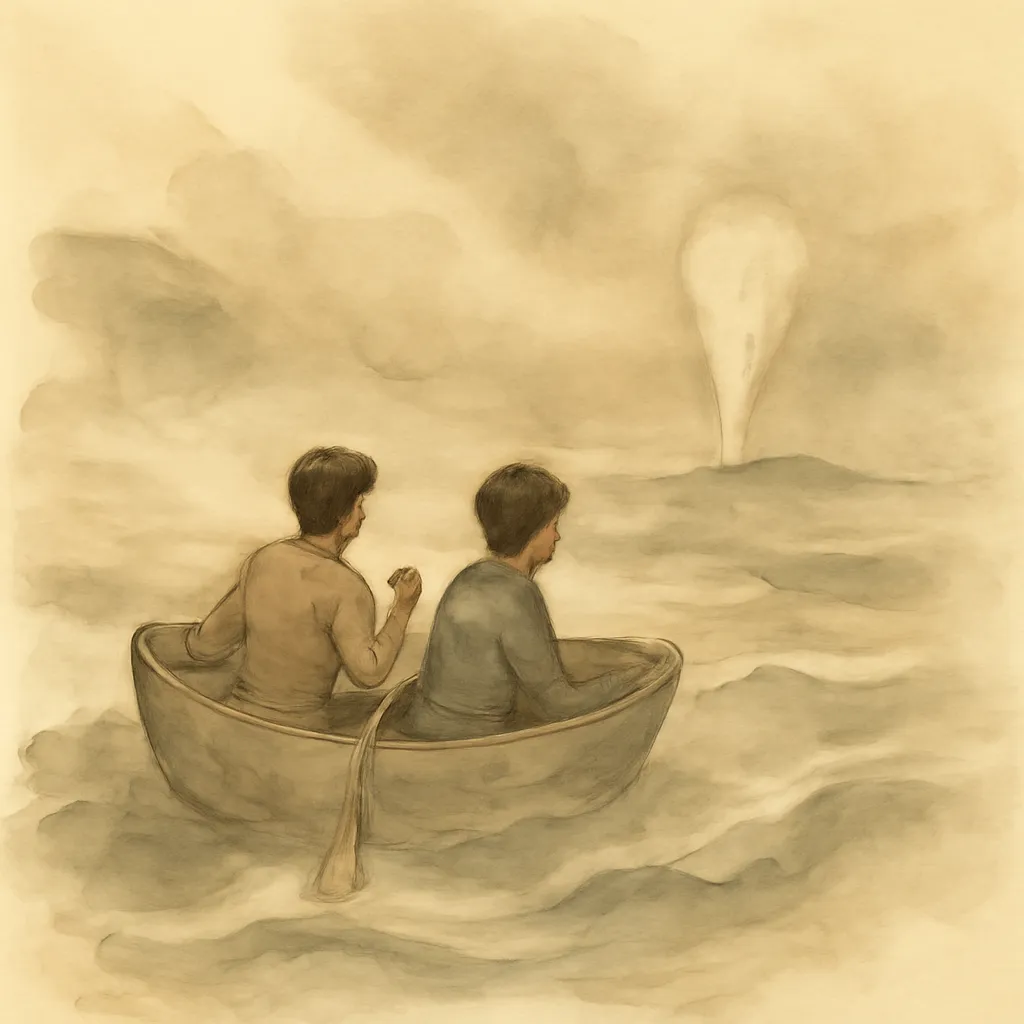
The experience of isolation becomes a prominent theme when the boys find themselves lost at sea, emphasizing the psychological and physical challenges of being adrift in an immense wilderness. Their time in the dory, battling against choppy waves and uncertainty, serves as a poignant reminder of the dangers that accompany exploration. Hough vividly depicts the boys' fear and anxiety, highlighting the emotional toll caused by their isolation. Yet, even in the face of despair, their resilience shines through as they muster the courage to confront their situation. This theme resonates with readers, illustrating that moments of vulnerability can lead to profound personal growth and understanding. The boys' struggle against isolation underscores the importance of inner strength and determination when navigating the challenges of life, both in the wilderness and beyond.
5.Resourcefulness and Ingenuity
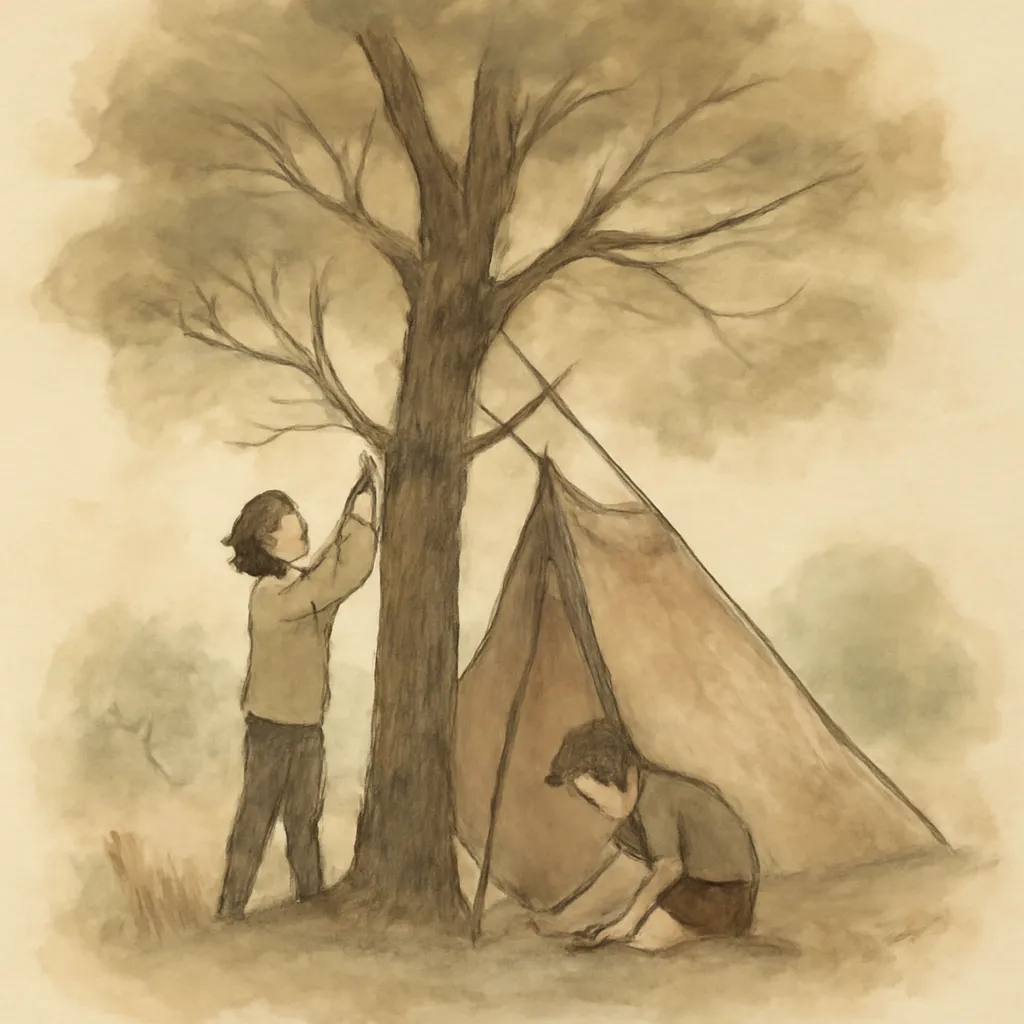
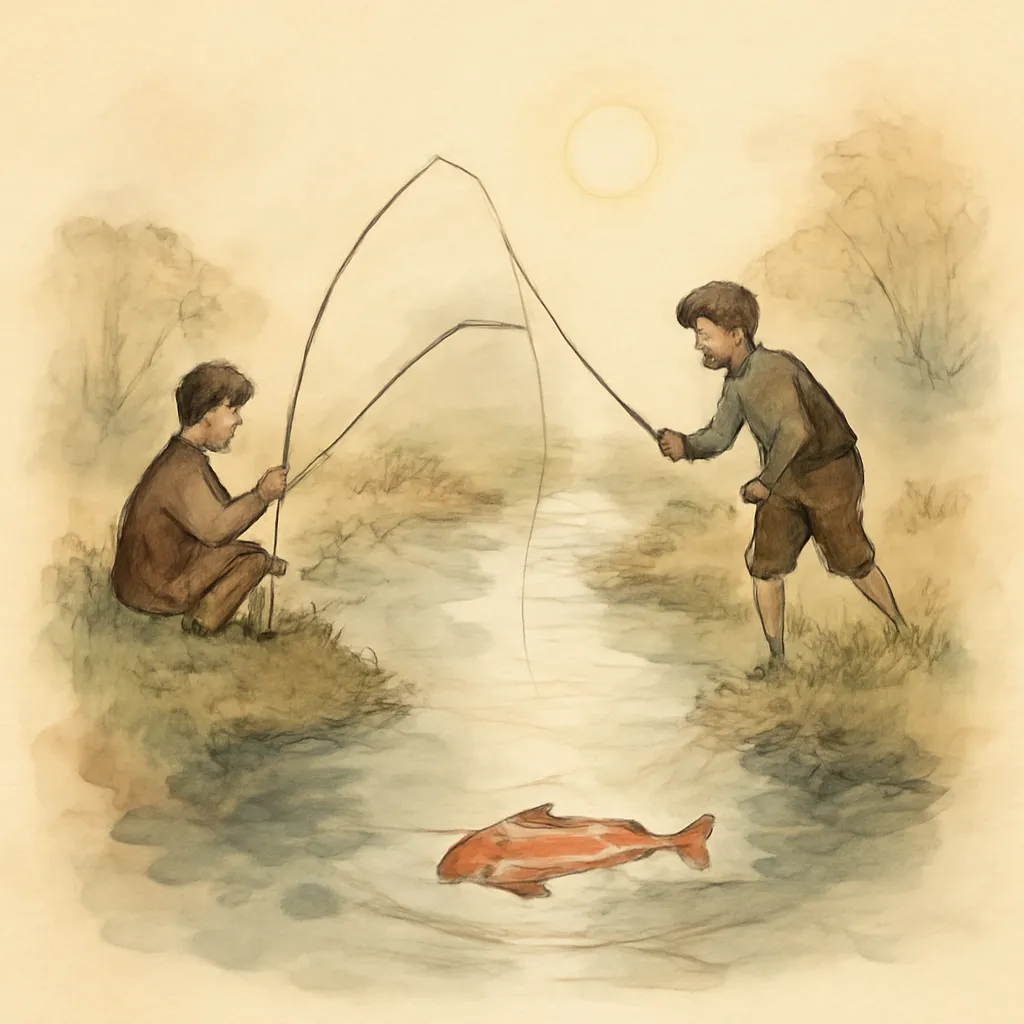
The narrative emphasizes the boys' resourcefulness as they learn to adapt to their surroundings and develop survival skills. From fishing for salmon to building makeshift shelters, their ability to think creatively becomes crucial for their survival. Hough showcases specific instances where the boys demonstrate ingenuity, such as when they devise a plan to catch salmon running up the creek. Their experiences highlight the importance of practical knowledge and quick problem-solving in the wild, illustrating that survival often hinges on one's ability to innovate and act decisively. These moments serve as a reminder that the challenges posed by nature can inspire creativity and resilience, ultimately leading to personal growth and a deeper understanding of one's capabilities.
6.Cultural Encounters: Learning from the Aleut
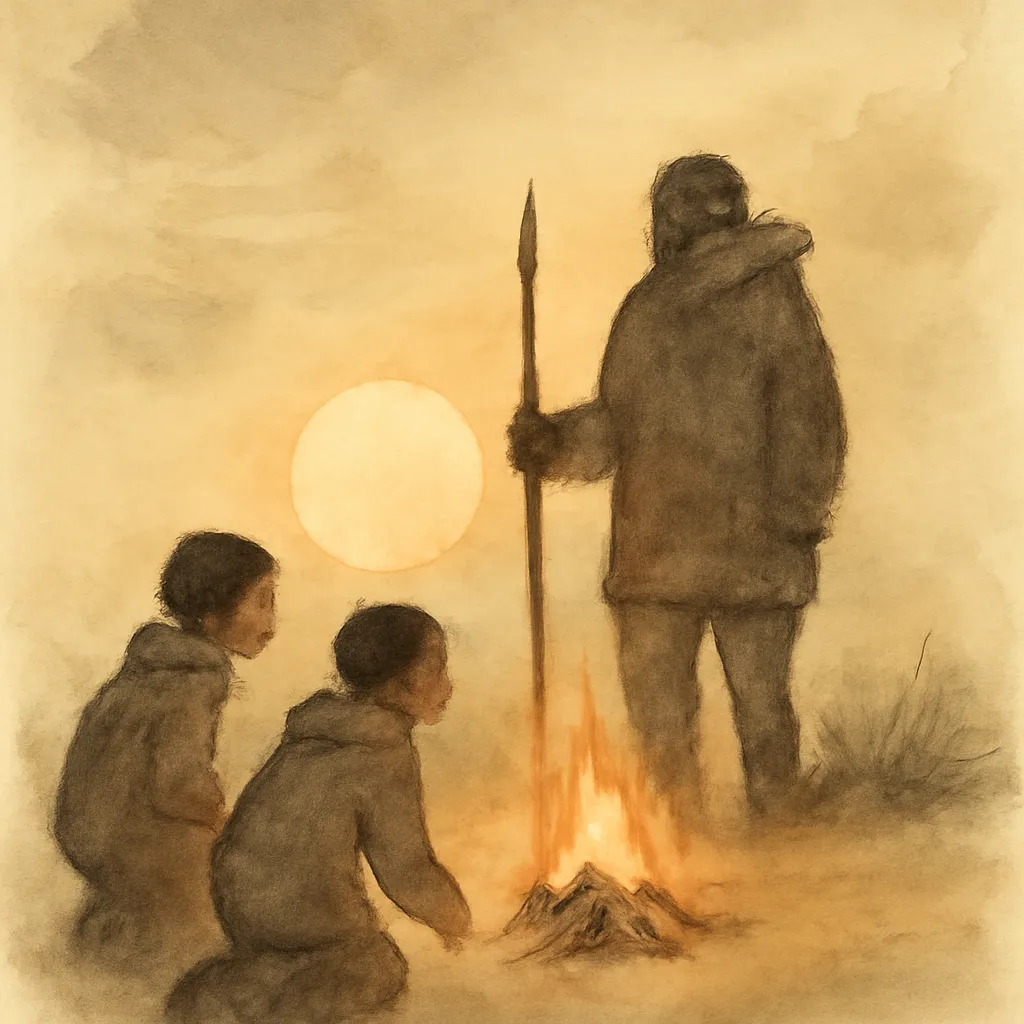
The boys' encounter with the Aleut savage represents a critical turning point in their journey, exposing them to a different culture and way of life. Initially apprehensive, the boys must navigate their fear and uncertainty to establish a connection with the Aleut. Hough skillfully explores the complexities of cultural exchange, illustrating how the boys learn to appreciate the Aleut's unique skills and knowledge of the land. Their relationship evolves from one of suspicion to mutual respect, emphasizing the importance of empathy and understanding in bridging cultural divides. This encounter enriches the boys' experience, highlighting that survival is not solely an individual endeavor but often involves learning from others and embracing diverse perspectives. The boys' willingness to engage with someone from a different background fosters growth and broadens their understanding of the world.
7.Facing Fears and Taking Risks
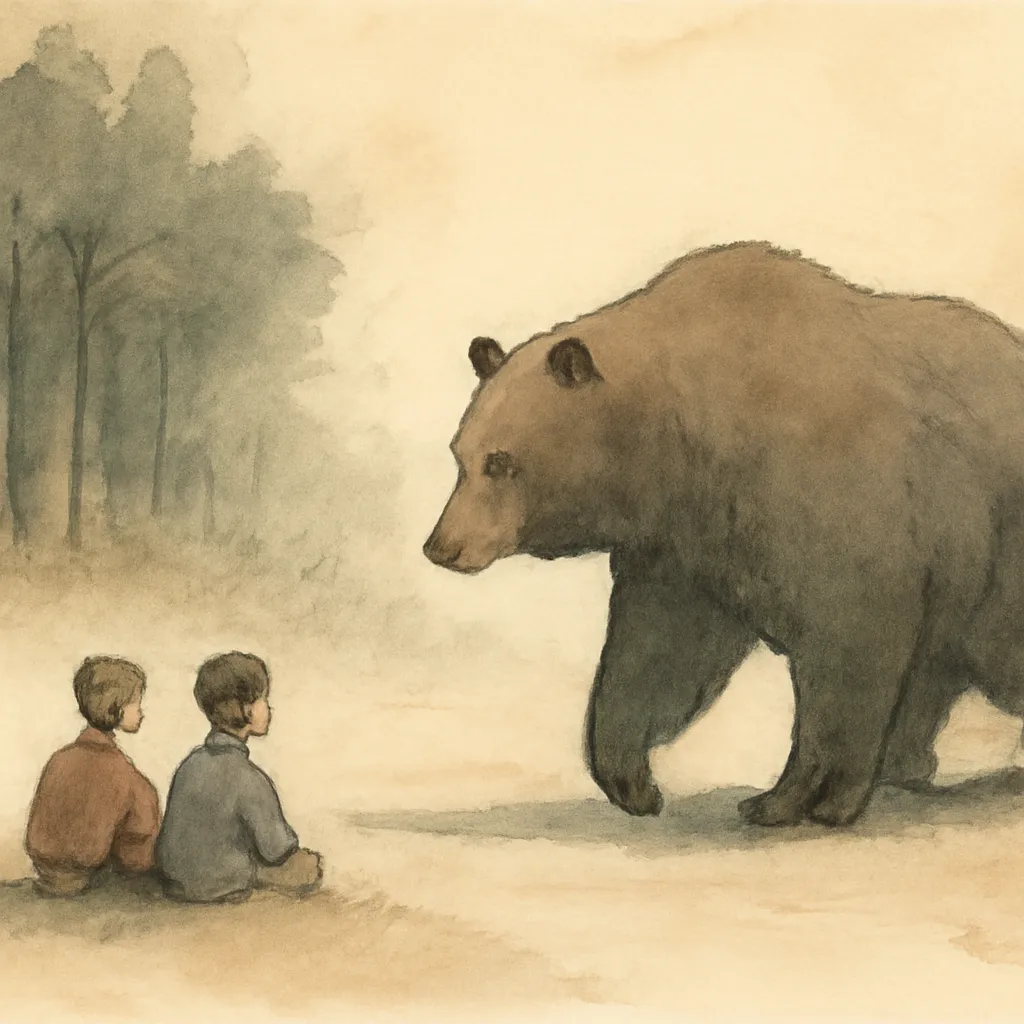
The theme of courage emerges as the boys confront various fears throughout their adventure, showcasing the importance of bravery in the face of danger. Their encounters with wildlife, such as the bear, symbolize the primal instincts that arise when confronted with the unknown. Rather than succumbing to fear, the boys choose to confront their challenges head-on, demonstrating resilience and determination. For instance, Rob's resolve to hunt the bear reflects a pivotal moment of growth, as he learns to balance caution with the need to take calculated risks. Hough illustrates that facing fears is an integral part of the journey, fostering personal development and newfound confidence. This theme resonates with readers, reminding us that confronting our fears can lead to transformative experiences and a deeper understanding of ourselves.
8.The Spirit of Community and Sharing
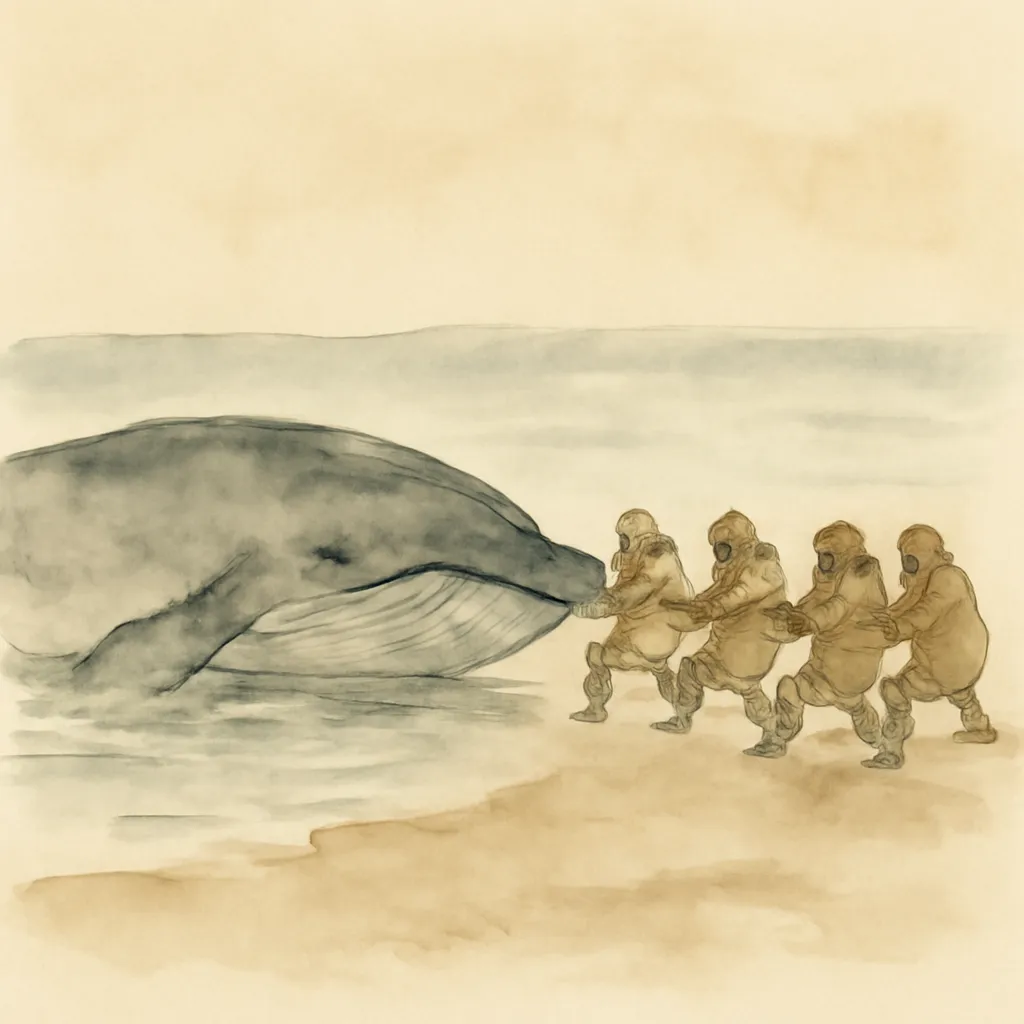
The arrival of the Aleut tribe introduces the theme of community and shared resources, emphasizing the importance of collaboration in survival. As the Aleuts gather to harvest the whale, the boys witness the collective effort and spirit of cooperation that defines their community. Hough highlights how the act of sharing resources fosters a sense of belonging and unity among the Aleuts, illustrating that survival is often a communal endeavor. This moment underscores the idea that individuals are interconnected, and that working together can yield greater success than solitary efforts. The boys' growing understanding of the Aleut culture enriches their journey, reminding readers of the value of community and the strength that comes from shared purpose and collaboration.
9.Lessons from Nature: Respect and Interconnectedness
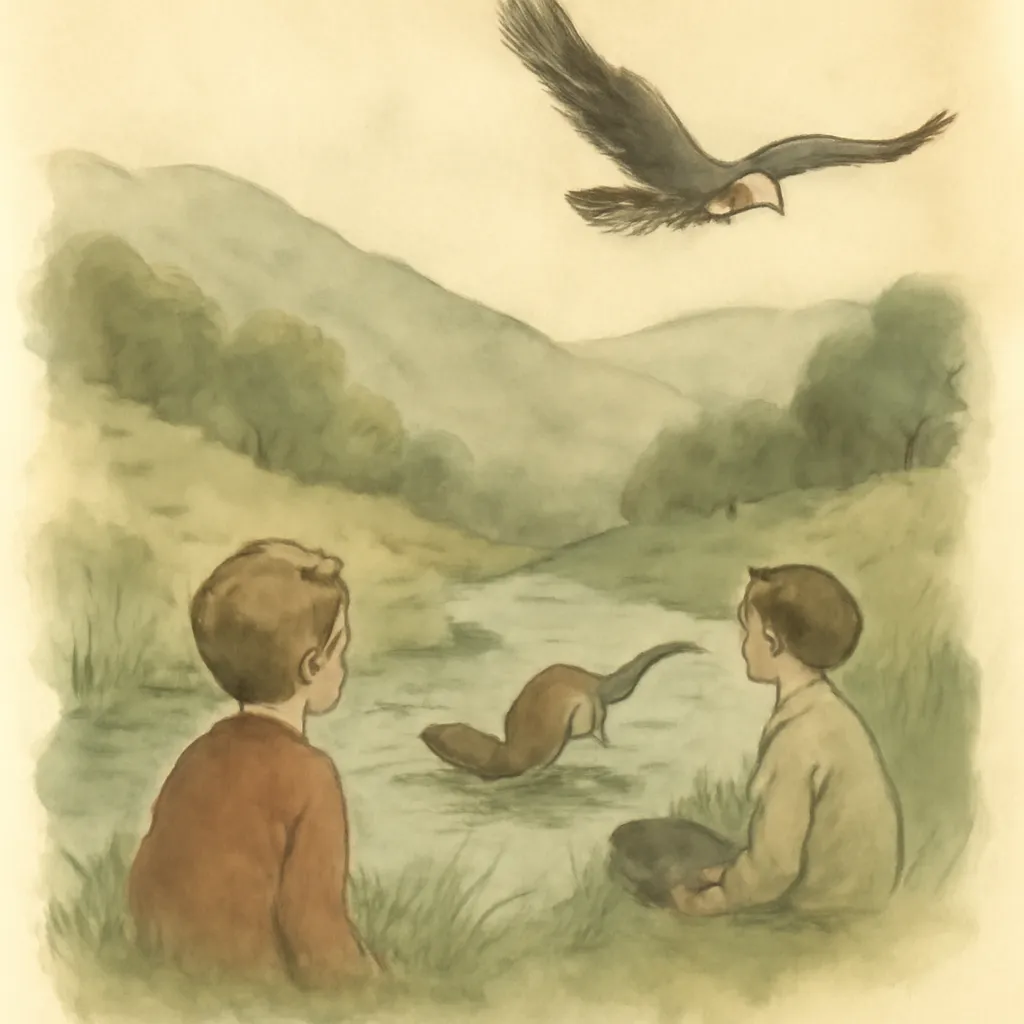
Throughout their adventure, the boys glean invaluable lessons from nature that shape their understanding of life and survival. Hough illustrates how the boys come to recognize the delicate balance of the ecosystem, observing the interactions between various species and their environments. For example, their experiences with the salmon run teach them about respect for nature and the importance of sustainable practices. As they witness the beauty and brutality of the wilderness, they develop a deeper appreciation for the interconnectedness of all living beings. This theme encourages readers to reflect on their own relationship with the natural world, fostering a sense of stewardship and responsibility toward the environment. By learning to respect nature's rhythms and cycles, the boys embody the idea that humans are part of a greater ecological web.
10.The Journey Toward Home and Self-Discovery
As the boys navigate their way back toward civilization, the narrative highlights the significance of home and belonging in their lives. Their longing for home becomes a driving force in their journey, motivating them to persevere despite the challenges they face. Hough skillfully weaves the theme of self-discovery into their adventure, as the boys learn more about themselves through their experiences in the wilderness. Each trial they encounter shapes their identities and strengthens their bonds of friendship. As they return to Valdez, they carry not only the memories of their adventures but also the valuable lessons learned along the way. The journey emphasizes that every adventure serves as an opportunity for growth and reflection, shaping who we are and where we belong in the world.