1.The Unexpected Thrill of Adventure
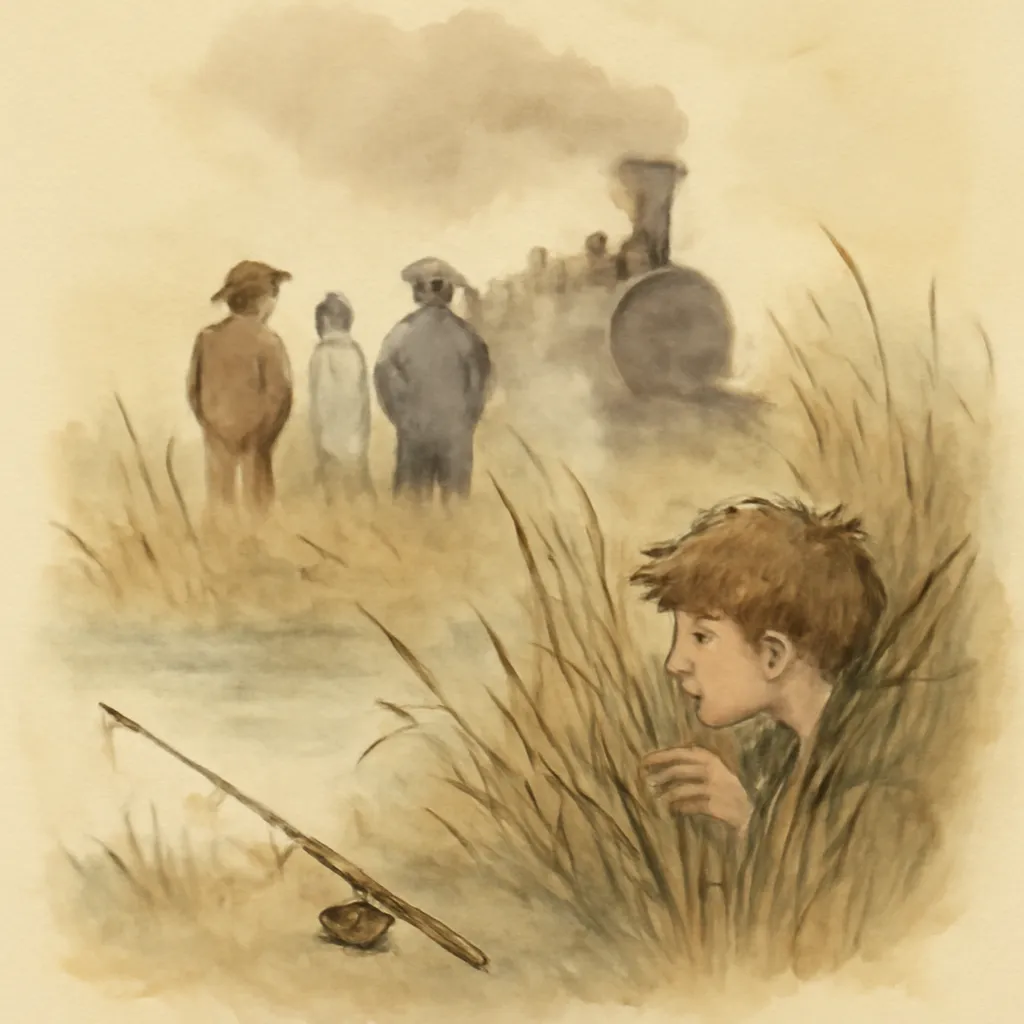
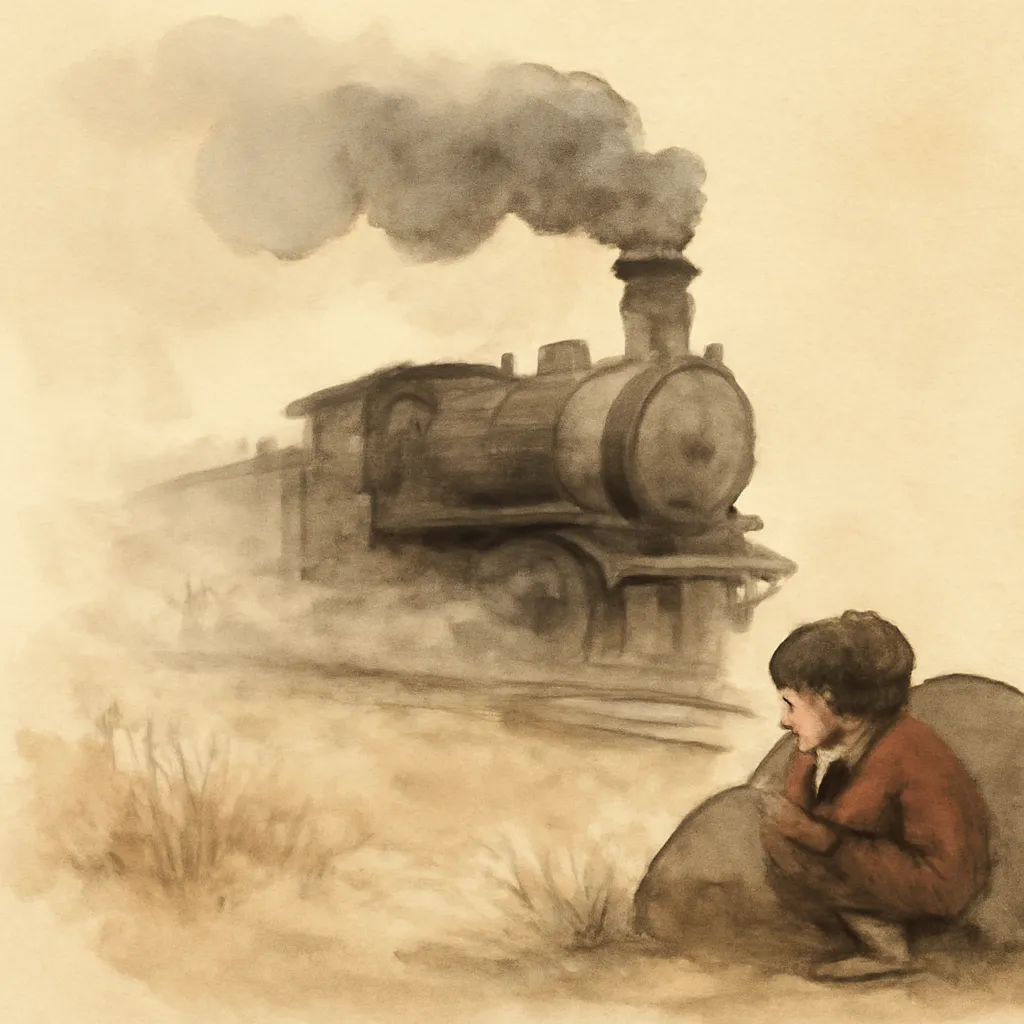
The story begins with Alex Ward, a young boy who sets off for a fishing trip, only to stumble upon a situation far more exciting than he anticipated. As he hides from a group of foreign workers who have taken their foreman hostage, Alex's initial disappointment transforms into a gripping adventure. This moment sets the tone for the book, illustrating how everyday settings can quickly turn into extraordinary experiences. The tension and excitement that Alex feels resonate with the reader, reminding us that adventure often lurks just around the corner, waiting to be discovered by those willing to embrace the unexpected. The juxtaposition of a mundane fishing trip with the chaos of the railroad world emphasizes the unpredictability of life, especially in a young boy's journey toward maturity.
2.Youthful Responsibility and Growth
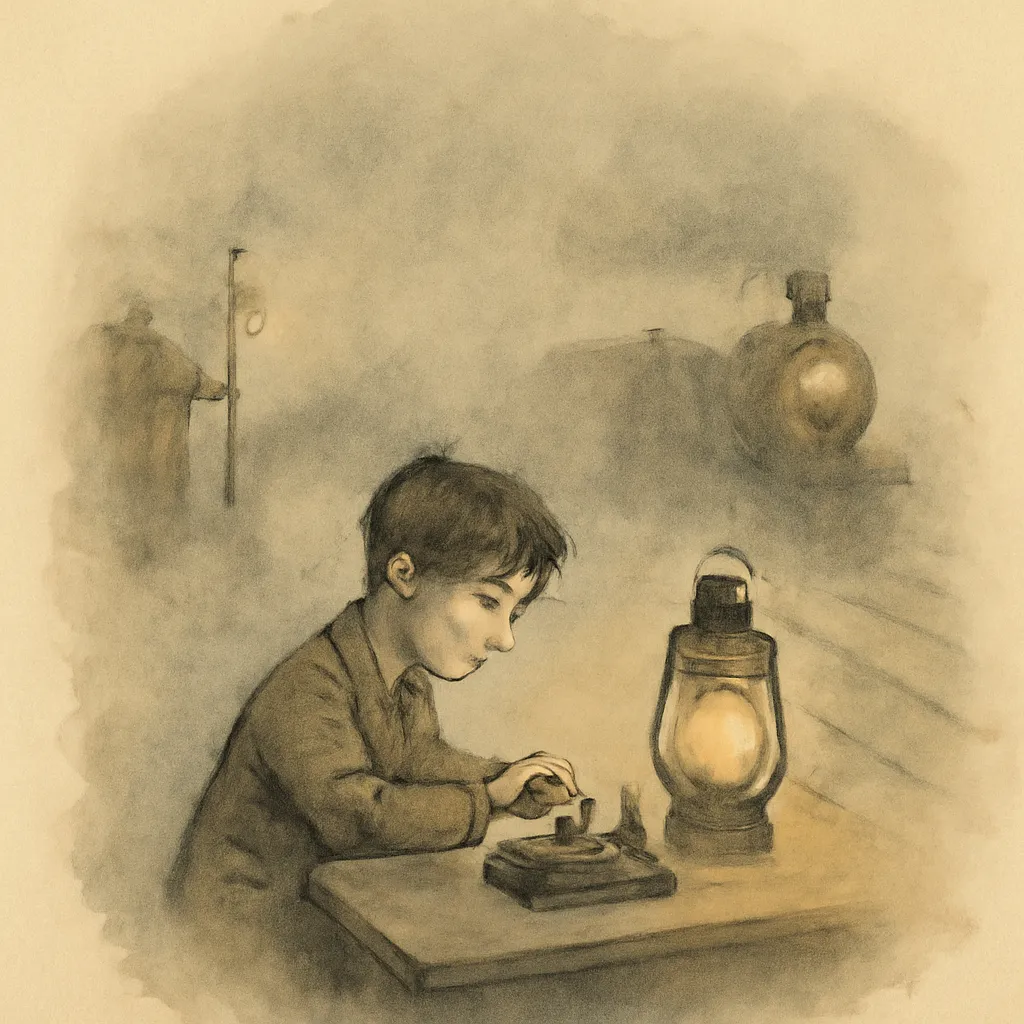
Alex's journey extends beyond mere adventure as he takes on his first significant responsibility as a night station operator at Watson Siding. At just fourteen, he faces the challenges of communication failures and the potential for disaster when a heavy fog threatens a train's safe passage. This pivotal moment highlights the theme of growing up and the weight of responsibility that comes with maturity. Alex learns that being entrusted with such duties is both a privilege and a challenge. His experience with the fog and the impending threat of a train collision forms a crucial turning point, marking his transition from boyhood into a young man capable of significant decision-making. Each challenge he faces teaches him lessons that prepare him for future responsibilities, emphasizing the importance of readiness and reliability in any role, especially in high-stakes environments like the railroad.
3.The Power of Friendship and Collaboration
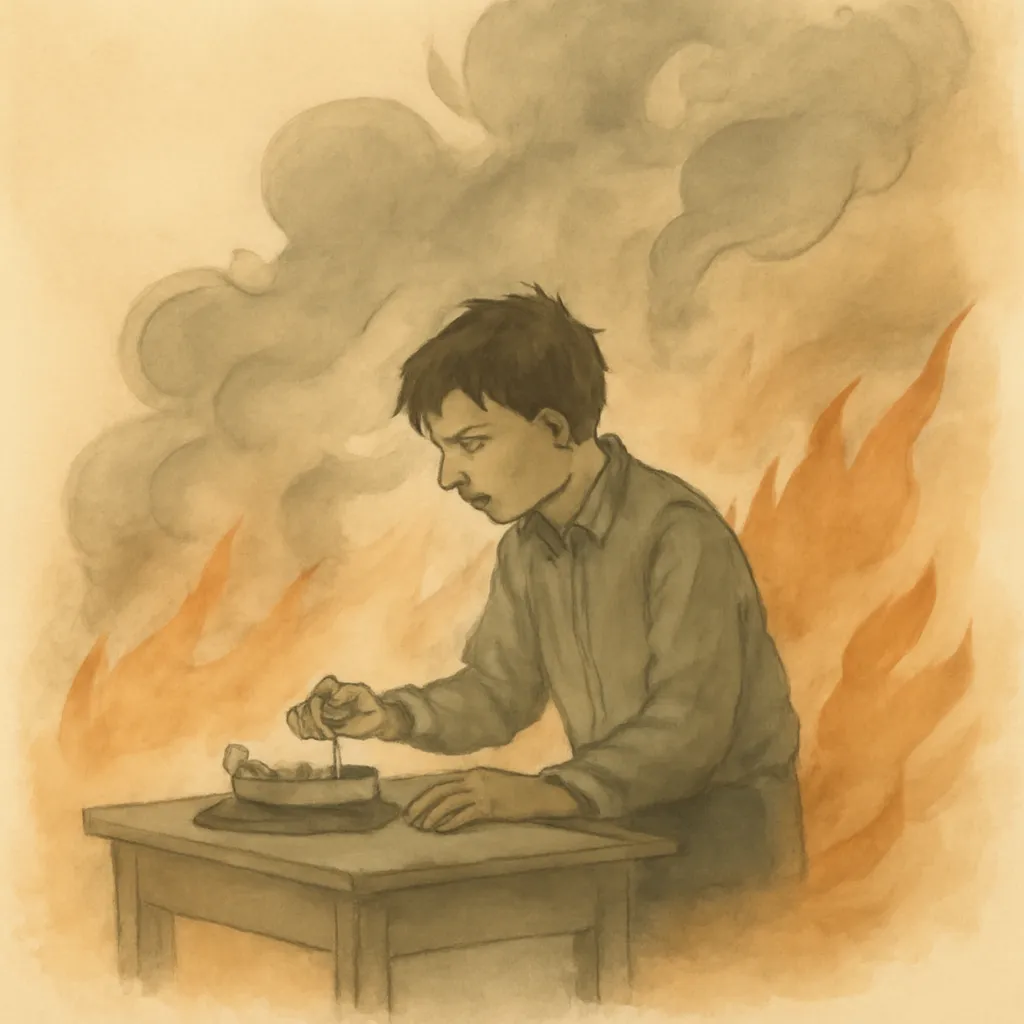
Throughout the book, the bond between Alex and his telegraph operator friend, Jack Orr, plays a crucial role in their adventures. Their interactions over the wire showcase a unique form of friendship that is both supportive and encouraging. They share knowledge, tackle challenges together, and celebrate each other's successes. For instance, when Jack faces a fire emergency, he instinctively seeks Alex's help, demonstrating how their camaraderie strengthens their resolve. This theme of friendship highlights the value of collaboration, showing that challenges can be more manageable when faced together. Their relationship is not just one of companionship but of mutual growth, as they push each other to explore their interests and develop their skills. The consistent support they offer one another underscores the narrative’s message about the importance of having a strong network during formative years.
4.Curiosity and Innovation
The boys' natural curiosity leads them to experiment with telegraph systems, sometimes resulting in humorous predicaments. Jack's tinkering with the telegraph relay exemplifies the spirit of innovation, even when it leads to trouble. When he disassembles the instrument, he learns the importance of understanding how things work rather than merely using them. This theme of curiosity as a driver for learning and growth is prevalent throughout the narrative. The boys’ experiments not only deepen their understanding of technology but also embody the adventurous spirit of youth, where exploration and learning often come hand in hand with mischief. Their willingness to engage with the complexities of the telegraph illustrates the book's underlying message about the value of inquiry and the power of knowledge, suggesting that true learning occurs outside the confines of traditional education.
5.Facing Fear and Danger
In several instances, the boys confront real danger, whether it's Alex hiding from the foreign workers or navigating a runaway train situation. These moments encapsulate the essence of bravery, showing how fear can be both a paralyzing and motivating force. For example, when Alex realizes the potential disaster of a train running into an obstruction, he must summon all his courage to act swiftly. These encounters with danger not only test their mettle but also serve as defining moments that shape their characters. The narrative emphasizes that true bravery is not the absence of fear but the willingness to face it head-on, a lesson that resonates deeply with readers. Each encounter serves to reinforce the idea that while fear is a natural reaction, overcoming it is part of what defines a person's character and readiness to embrace life's challenges.
6.The Importance of Communication
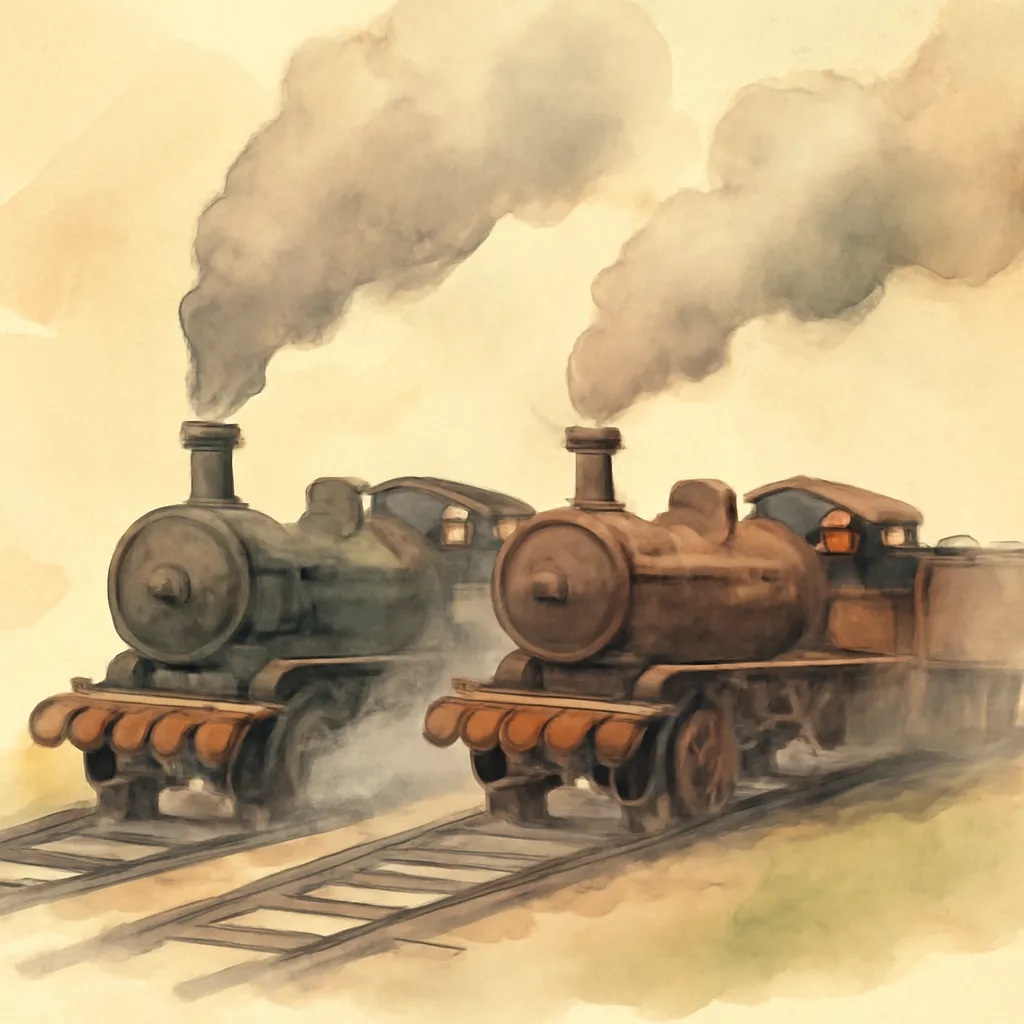
The telegraph system serves as a critical communication tool throughout the book, illustrating how vital effective communication is in the railroad industry. The boys learn to rely on the telegraph for updates, instructions, and emergencies. In one instance, when Alex struggles to communicate with the dispatcher due to poor conditions, it underscores the fragility of systems we often take for granted. The theme of communication extends beyond the technical aspects; it reflects the broader need for connection and clarity in all relationships. The crucial moments when Alex and Jack are able to communicate under pressure showcase the lifeline that clear communication can provide. Their experiences highlight that miscommunication can lead to disastrous outcomes, while effective communication fosters teamwork and enhances safety on the railroad.
7.Resourcefulness in Crisis
The boys repeatedly demonstrate resourcefulness when faced with crises. For instance, when Jack is tasked with reporting on a fire, he quickly adapts to the situation, using his skills to send messages and gather information. Similarly, Alex's quick thinking during a potential train collision showcases the necessity of being resourceful and thinking on one's feet. These instances highlight the importance of adaptability and creativity in problem-solving. The boys learn that challenges often require innovative solutions, and their ability to think critically in high-pressure situations is a vital skill that will serve them well beyond their railroad adventures. The narrative showcases their inventive spirit, emphasizing that resourcefulness often leads to success in difficult circumstances, cultivating a mindset that is essential for future endeavors.
8.The Role of Technology in Adventure
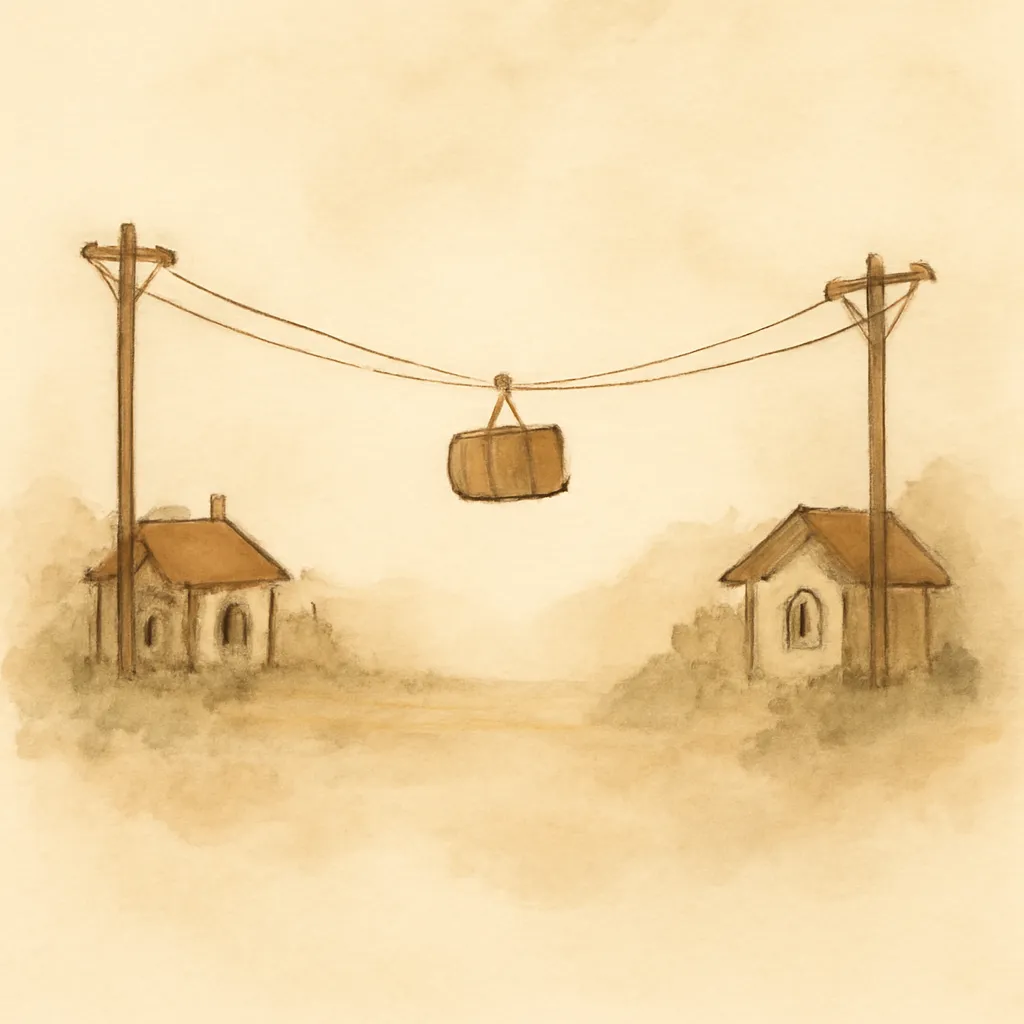
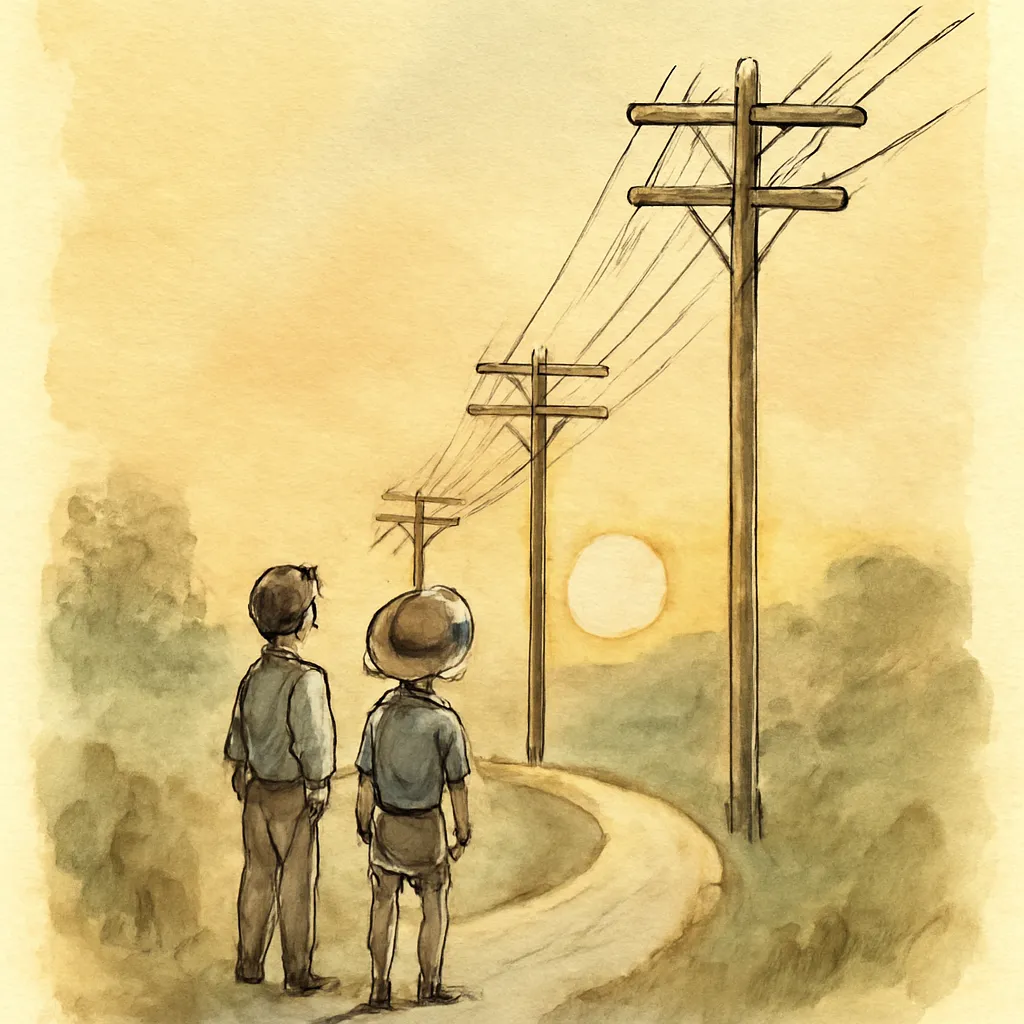
The introduction of telegraphy and other technologies plays a significant role in shaping the boys' experiences. Their fascination with electrical systems and telegraph wires not only drives the plot but also reflects the era's technological advancements. The boys' experiments with the telegraph illustrate their eagerness to embrace new technologies, and their adventures often revolve around these innovations. This theme invites readers to consider how technology can be both a tool for adventure and a source of challenges. The interplay between technology and adventure highlights the transformative power of innovation and its ability to connect people across distances. The boys' experiences serve as a reminder that technology, while beneficial, requires responsibility and understanding to use effectively, thereby enriching their journey.
9.The Value of Mentorship
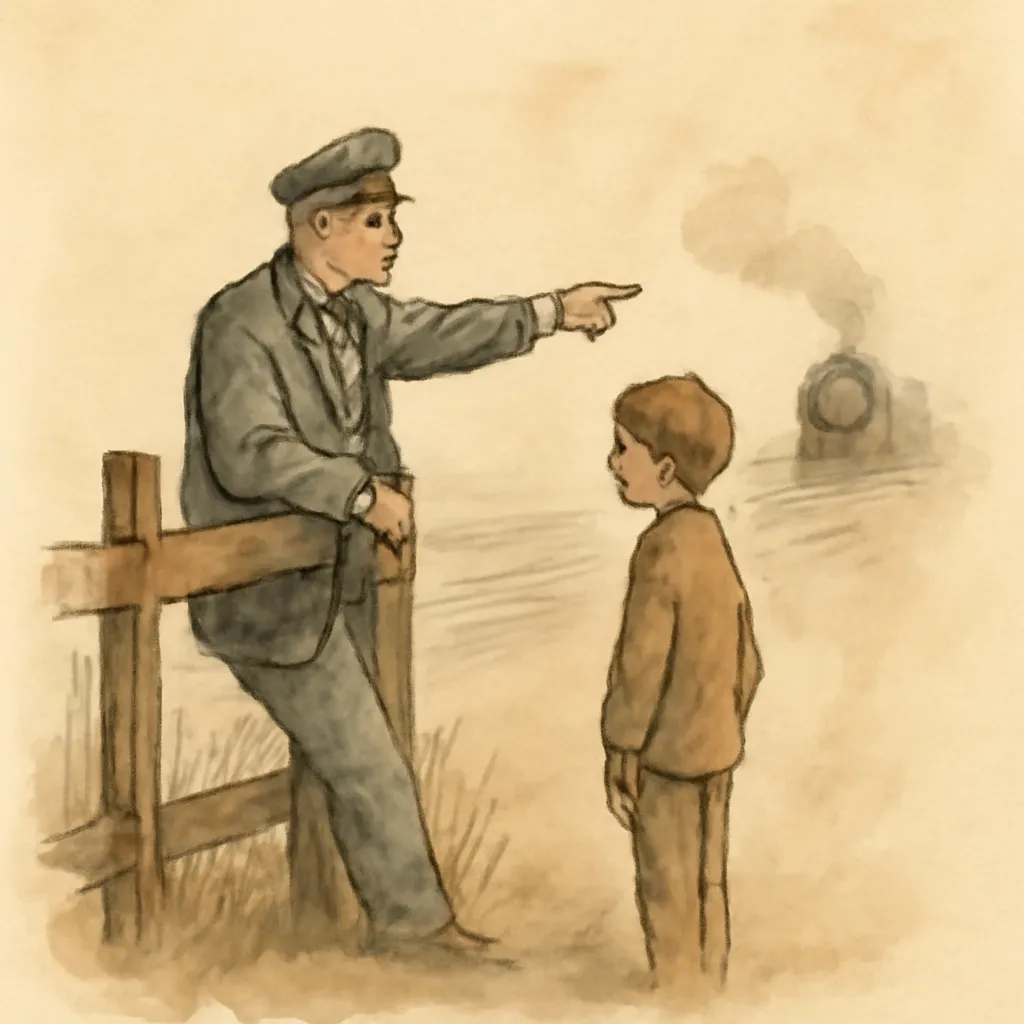
Mentorship is a recurring theme as the boys interact with older operators and railroad workers who guide them through their challenges. Figures like Alex's father and the station despatcher serve as mentors, imparting wisdom and practical knowledge. Their guidance helps the boys navigate the complexities of operating on the railroad and instills a sense of responsibility. This relationship underscores the importance of learning from those with experience, emphasizing that mentorship can shape the next generation's success. The stories illustrate how guidance and support from mentors can empower young individuals, fostering growth and confidence as they tackle life's challenges. The positive impact of mentorship reinforces the idea that passing down knowledge and experience is crucial for nurturing talent and leadership in future generations.
10.The Spirit of Competition
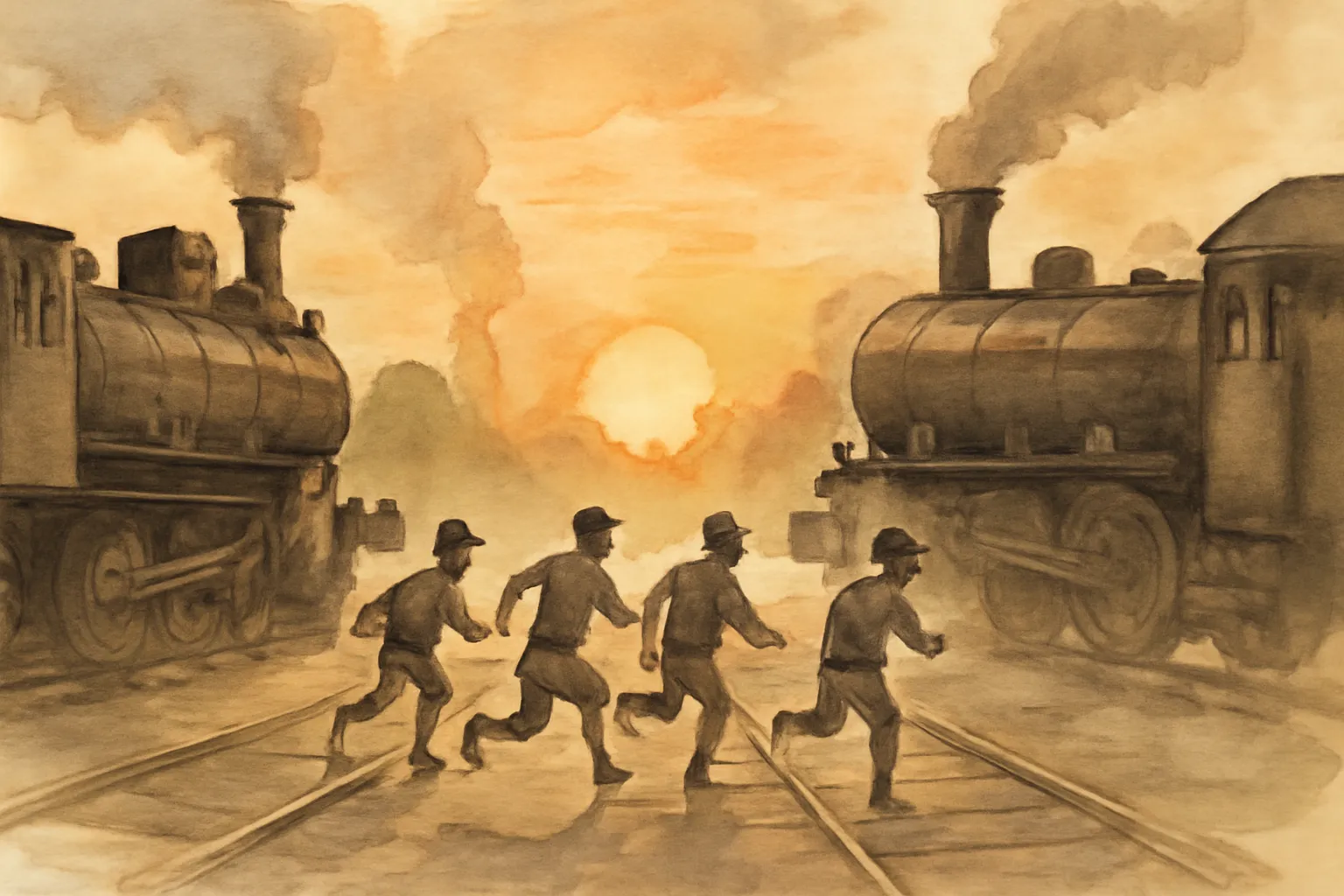
The rivalry between railroad companies reflects a broader theme of competition that drives innovation and progress. As the Middle Western and K. & Z. race to claim the new gold fields, the young railroaders find themselves caught up in this competitive spirit. Their adventures are not just about personal growth but also about contributing to a larger goal. This competition pushes them to excel, work harder, and think strategically. The narrative captures the essence of healthy competition, showcasing how it can motivate individuals to achieve their best. The boys learn that while competition can be fierce, it can also inspire camaraderie and teamwork, ultimately benefitting the greater good. The depiction of competition serves as a microcosm for life, encouraging readers to embrace challenges as opportunities for growth and achievement.