1.The Allure of Nature
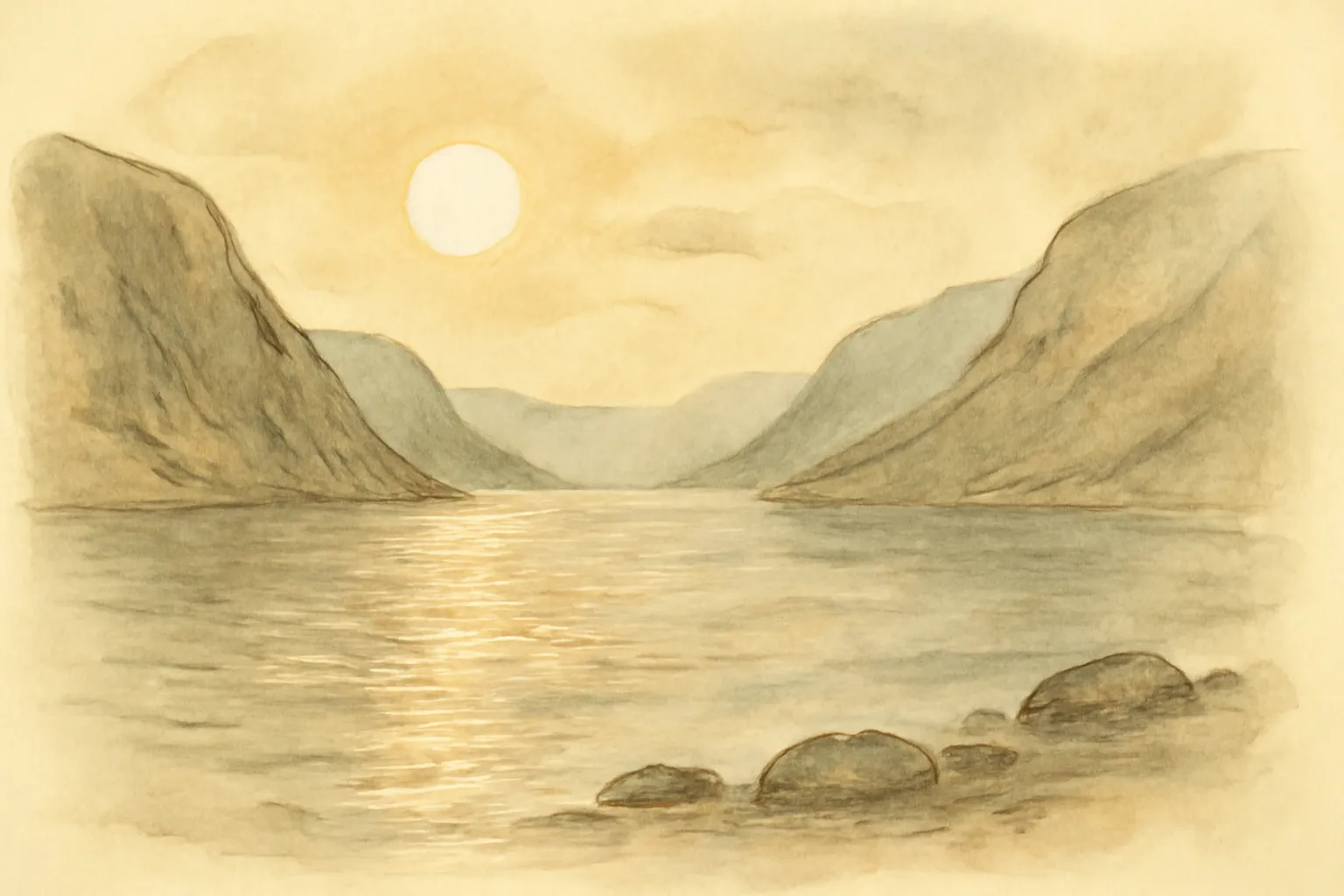
The novel opens with a vivid description of the midnight sun over Altenfjord, painting a picture of breathtaking beauty that serves as a backdrop to the unfolding drama. The setting is not merely a backdrop but a character in itself, reflecting the emotions and transformations of the protagonists. Corelli's lyrical prose captures the ethereal quality of the Norwegian landscape, suggesting that nature's beauty can inspire profound feelings and thoughts. The serene yet powerful imagery invites readers to consider how the natural world influences human emotions, establishing an atmosphere that is both enchanting and reflective. The contrast between the idyllic setting and the tumultuous events in the characters' lives emphasizes the theme of nature's superiority over human strife, illustrating how beauty can evoke both joy and sorrow.
2.The Enigmatic Thelma
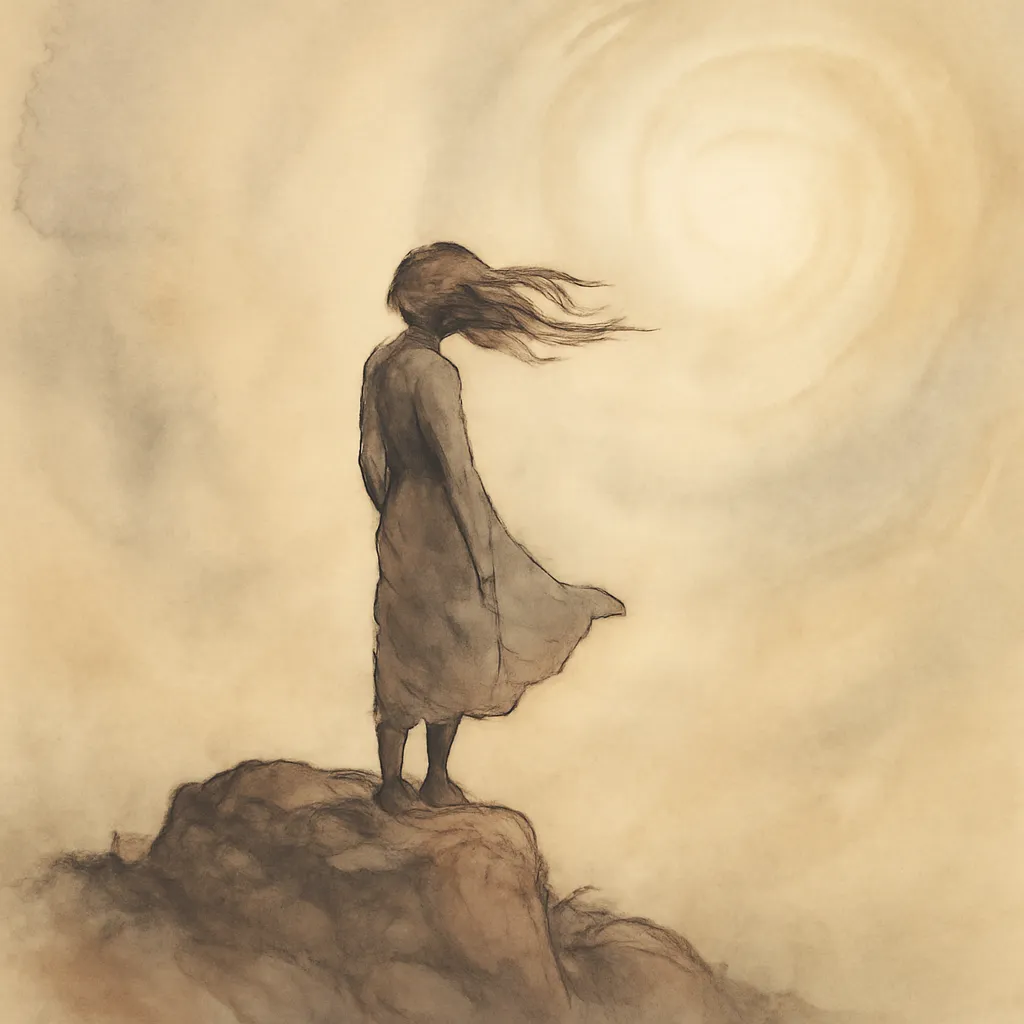
Thelma emerges as a strikingly beautiful and mysterious figure, captivating Sir Philip Bruce-Errington and the readers alike. Her character is described with reverence and awe, embodying qualities of grace, nobility, and an almost ethereal presence. Throughout the narrative, she is portrayed as a 'forest-empress' and 'sea-goddess', suggesting her connection to nature and an otherworldly charm that transcends societal norms. Thelma's depth is revealed through her moments of introspection, showcasing her intelligence and emotional complexity. This duality—her enchanting exterior contrasted with her thoughtful interior—raises questions about the nature of beauty and its impact on personal identity. Thelma's character challenges societal expectations, as she navigates the complexities of her feelings for Philip while grappling with the weight of her heritage and the scrutiny of her community.
3.Sir Philip's Inner Conflict
Sir Philip Bruce-Errington is a character torn between his privileged upbringing and his genuine feelings for Thelma. Initially, he is depicted as a man accustomed to admiration and flattery, with a life that appears enviable to those around him. However, his encounter with Thelma awakens a deeper yearning for authenticity and connection. As he reflects on his past, Philip grapples with feelings of aimlessness and the superficiality of his previous pursuits. His admiration for Thelma forces him to confront his own identity and the societal pressures that dictate his life choices. This internal struggle is a critical element of the narrative, illustrating how love can catalyze profound personal transformation. Philip's journey from a carefree bachelor to a man seeking meaningful connection underscores the theme of love as a transformative force, prompting readers to consider the sacrifices and changes one may endure for true love.
4.Societal Expectations vs. True Love

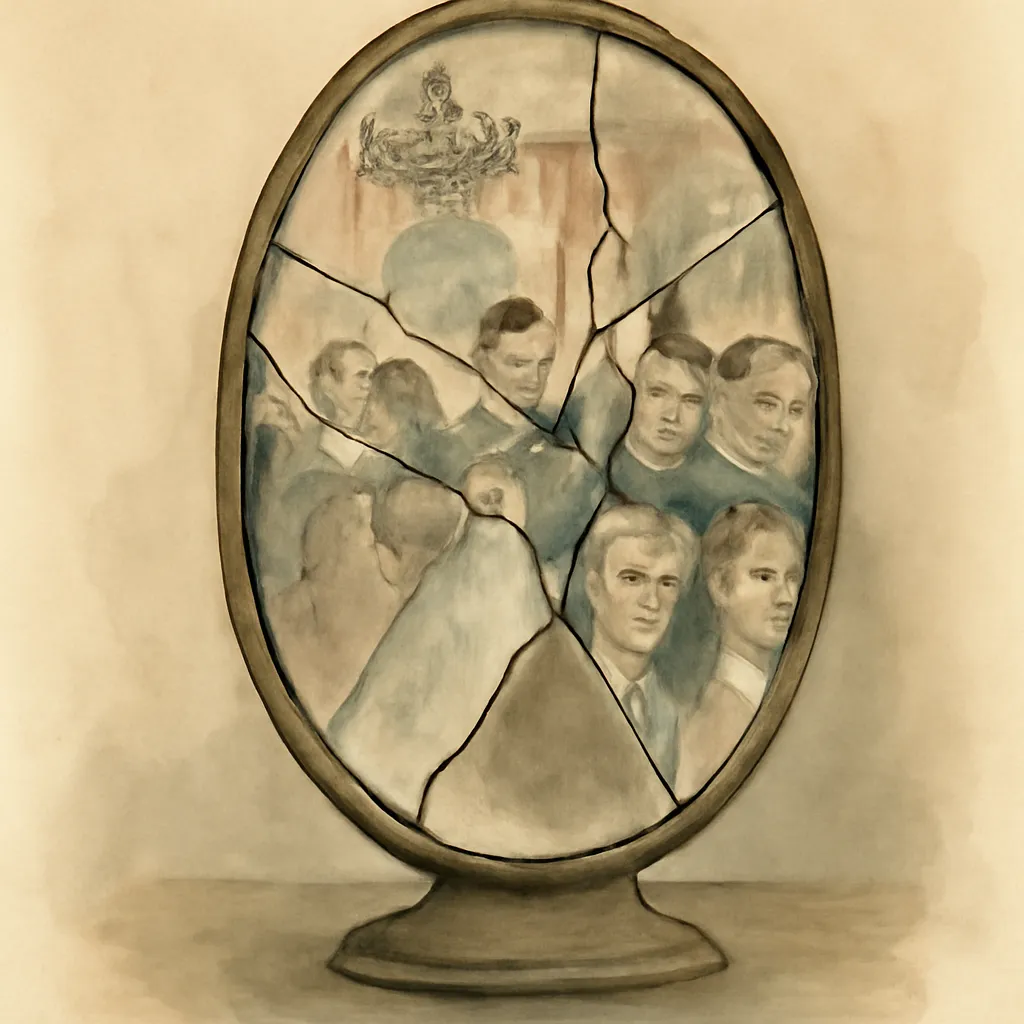
The tension between societal expectations and the pursuit of true love is a central theme in 'Thelma'. As Philip and Thelma's relationship blossoms, they are confronted by the judgment and scrutiny of those around them. The novel reflects the rigid social structures of the time, where class distinctions and societal norms dictate personal choices and relationships. Thelma's background as a farmer's daughter places her at odds with Philip's aristocratic status, leading to external pressures that threaten their bond. Corelli critiques these societal constraints, suggesting that love should transcend class and status. This theme resonates throughout the narrative, as both characters navigate the challenges posed by their respective worlds. Their struggle against societal expectations serves as a poignant reminder of the timeless conflict between individual desire and social conformity, encouraging readers to reflect on the nature of love and the sacrifices it often demands.
5.The Role of Destiny
Destiny plays a significant role in the lives of Philip and Thelma, shaping their paths and influencing their decisions. The novel suggests that their meeting was fated, as if the forces of nature conspired to bring them together. This idea of destiny is woven throughout the narrative, manifesting in the characters' emotional responses and the seemingly serendipitous events that unfold. Corelli explores the concept of predestination versus free will, prompting readers to consider how much control individuals truly have over their lives. Thelma's acceptance of her fate, combined with Philip's struggle to assert his own choices, creates a dynamic interplay between the two concepts. This theme invites reflection on the larger forces at play in our own lives, challenging readers to contemplate the balance between fate and personal agency.
6.The Influence of Folklore and Mythology
Corelli infuses 'Thelma' with elements of Norwegian folklore and mythology, enriching the narrative with cultural depth and resonance. The characters frequently reference ancient Norse legends, drawing parallels between their experiences and the tales of gods and heroes. This incorporation of folklore not only enhances the setting but also serves to illustrate the timeless themes of love, sacrifice, and the human experience. Thelma's connection to her heritage becomes a source of strength and identity, as she embodies the qualities of the mythological figures that inspire her. By weaving these elements into the story, Corelli invites readers to explore the intersection of personal narratives with cultural history, suggesting that our identities are shaped by the stories we inherit. This theme underscores the importance of understanding one's roots and the ways in which they influence our present choices and relationships.
7.The Complexity of Human Relationships
The relationships depicted in 'Thelma' are multifaceted and complex, reflecting the intricacies of human emotion and connection. Philip and Thelma's romance is at the forefront, but the novel also delves into the dynamics of familial relationships, friendship, and societal interactions. The bond between Thelma and her father, Olaf Gueldmar, adds emotional depth to the narrative, showcasing the protective nature of parental love and the challenges of understanding across generations. Additionally, the interactions between Philip and his friend George Lorimer highlight the nuances of male friendship, as they navigate their feelings for Thelma and each other. Corelli's exploration of these relationships reveals the myriad ways in which love and loyalty can manifest, emphasizing that human connections are rarely straightforward. This complexity invites readers to reflect on their own relationships, acknowledging that love often exists alongside conflict, misunderstanding, and growth.
8.The Symbolism of the Sea
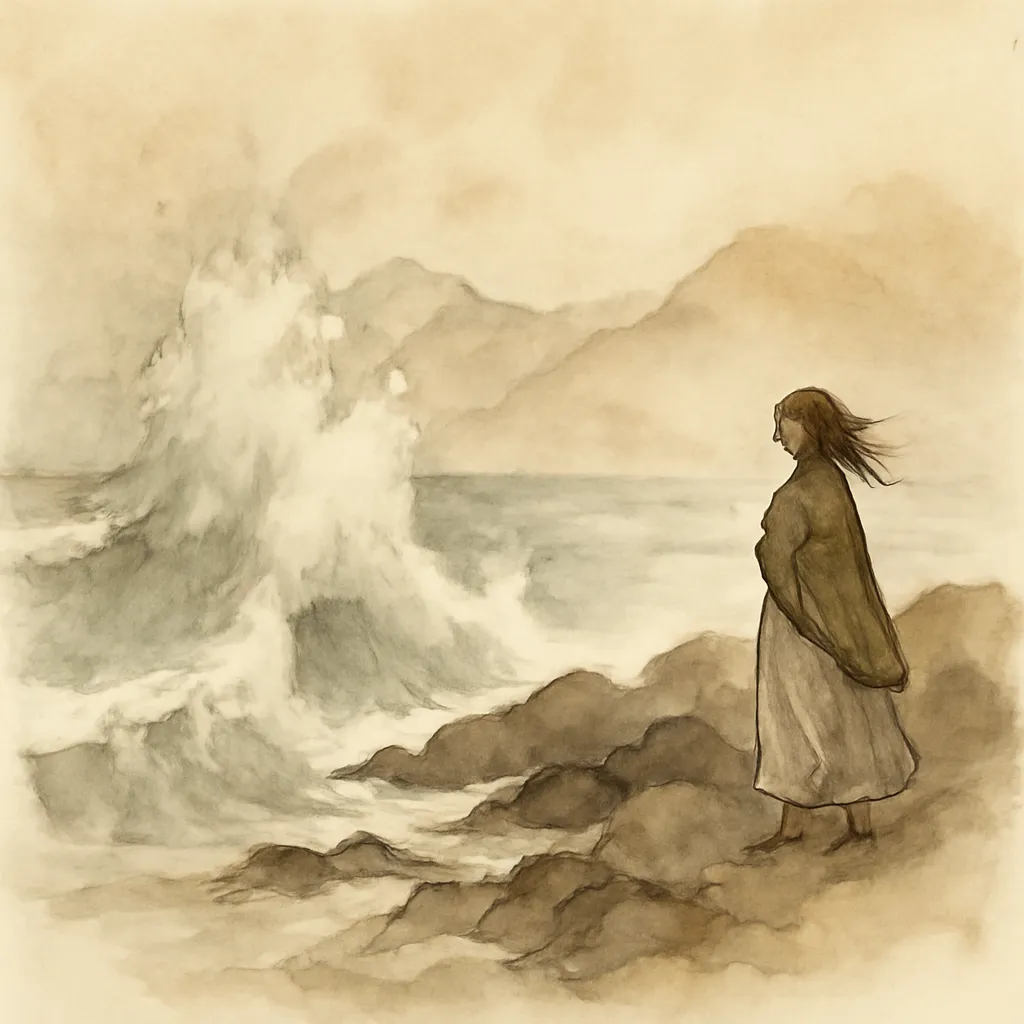
The sea serves as a powerful symbol throughout 'Thelma', representing both the beauty and unpredictability of life. The Altenfjord, with its shimmering waters and dramatic landscape, reflects the emotional states of the characters, mirroring their joys and struggles. Corelli uses the sea as a metaphor for the depths of human emotion, suggesting that just as the tides ebb and flow, so too do the feelings of love and despair. The sea's vastness also symbolizes the unknown aspects of life, inviting characters to confront their fears and desires. This imagery reinforces the theme of exploration, both of the external world and the internal self. The characters' journeys across the sea parallel their emotional journeys, highlighting the transformative power of love and the allure of the unknown. The symbolism of the sea ultimately serves as a reminder that life is a journey filled with both beauty and turbulence, encouraging readers to embrace the complexities of their own experiences.
9.The Power of Artistic Expression
Artistic expression emerges as a significant theme in 'Thelma', underscoring the importance of creativity and imagination in the human experience. Throughout the narrative, characters engage in various forms of art, whether through storytelling, music, or visual imagery, as a means of expressing their emotions and connecting with one another. Thelma's spinning, for instance, becomes a metaphor for the creation of beauty and the weaving of relationships. Corelli emphasizes that art has the power to transcend societal barriers, allowing individuals to communicate their innermost thoughts and feelings. The novel suggests that through artistic expression, characters find solace and meaning, navigating the complexities of their lives. This theme resonates with readers, encouraging them to consider the role of art in their own lives and the ways in which it serves as a bridge between individuals and cultures.
10.The Impact of Social Critique
Corelli's 'Thelma' is not only a romance but also a critique of societal norms and expectations. The novel challenges the rigid class structures and moral codes of the time, highlighting the limitations they impose on individual freedom and happiness. Through the characters' experiences, Corelli exposes the hypocrisy and superficiality of high society, illustrating how these societal pressures can stifle genuine connections and authentic self-expression. The portrayal of Reverend Charles Dyceworthy exemplifies this critique, as he embodies the moral rigidity and self-righteousness that often accompany social status. Corelli's exploration of these themes encourages readers to question the societal constructs that shape their own lives, inviting them to consider the importance of authenticity and individuality in a world that often prioritizes conformity.