1.Amory's Inherited Identity
Amory Blaine's character is shaped significantly by his mother, Beatrice, a woman of privilege and sophistication. From her, he inherits not only physical traits but also a complex emotional landscape filled with expectations and ideals. Beatrice's elite upbringing in America and Europe instills in Amory a sense of entitlement and a yearning for cultural sophistication. However, the shadow of his father's ineffectuality looms large, creating a dichotomy within Amory that fuels his insecurities and his quest for self-definition. This interplay between maternal influence and paternal absence sets the stage for Amory's struggles as he navigates the expectations of society and his own desires.
2.The Princeton Experience
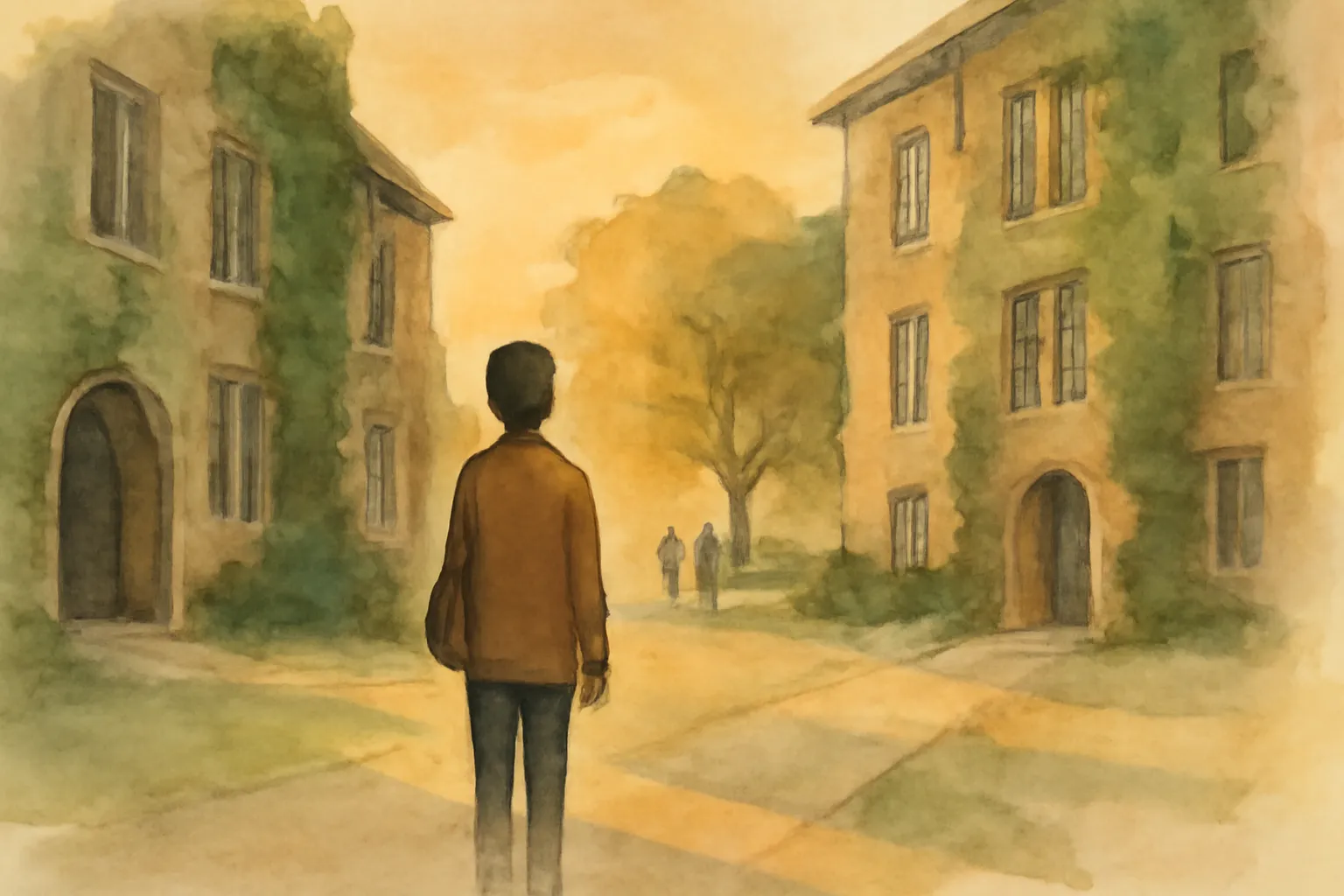
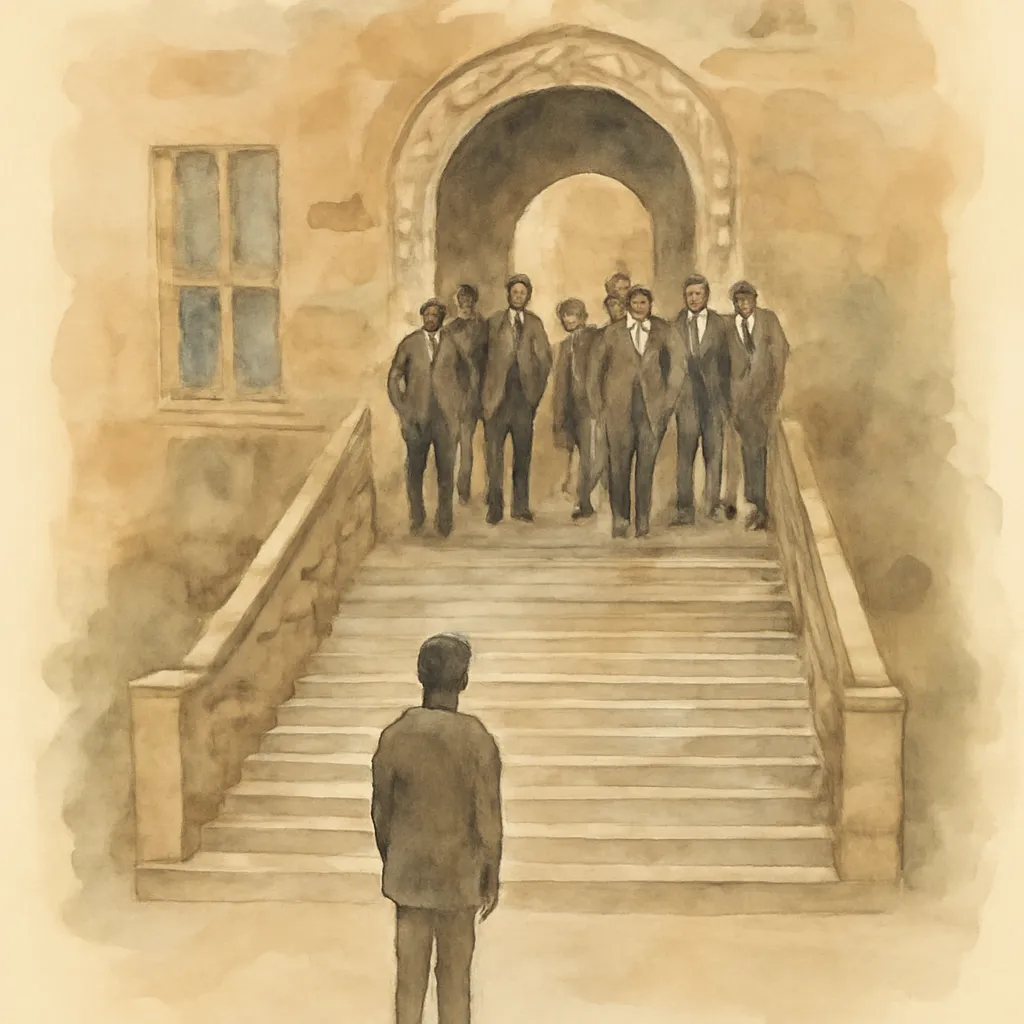
Amory's time at Princeton University is pivotal in shaping his worldview and sense of self. The university serves as a microcosm of American society, where class distinctions and social hierarchies are palpable. Amory initially feels out of place, grappling with feelings of inadequacy as he compares himself to wealthier peers. As he becomes more acclimated, he engages in the intellectual and social life of the campus, forming friendships that challenge his perspectives. This period of exploration and self-discovery is marked by his interactions with various characters who embody the complexities of ambition, privilege, and disillusionment. Fitzgerald illustrates how the collegiate experience can be both a breeding ground for personal growth and a reflection of societal pressures.
3.Romantic Entanglements and Disillusionment
Amory's relationships with women are central to his journey, reflecting his evolving understanding of love and identity. His first significant romance with Isabelle is marked by youthful passion, but also by misunderstandings and emotional turmoil. This relationship encapsulates the theme of idealized love versus reality, as Amory struggles to reconcile his romantic ideals with the complexities of human emotions. As he navigates further relationships, including a tumultuous affair with the enigmatic Eleanor, Amory confronts the painful realities of love, loss, and the often unfulfilling nature of his pursuits. Fitzgerald poignantly captures the bittersweet nature of romance, illustrating how it can lead to both profound joy and deep disillusionment.
4.The Quest for Meaning Amidst Materialism
At the heart of This Side of Paradise is Amory's quest for meaning in a world dominated by materialism and social status. Fitzgerald critiques the emptiness of the American Dream, highlighting how the pursuit of wealth and social standing can lead to a profound sense of disillusionment. Amory's encounters with the wealthy elite expose him to the hollowness of their lives, prompting him to question the values he once aspired to. This conflict between personal ideals and societal expectations drives Amory to seek a deeper understanding of his place in the world, ultimately leading to moments of introspection and revelation about the true nature of happiness and fulfillment.
5.The Role of Ego in Personal Development
Amory's journey is largely defined by his ego, which both propels him forward and leads to his downfall. His self-centered nature often blinds him to the needs and feelings of others, resulting in strained relationships and emotional turmoil. Fitzgerald explores how Amory's ego is both a product of his upbringing and a response to the societal pressures he faces. As he grapples with his own self-worth, Amory's experiences reveal the dual nature of ego: it can be a source of motivation and ambition, but it can also foster isolation and alienation. This nuanced portrayal of ego serves as a critical lens through which readers can examine their own identities and aspirations.
6.The Influence of Social Class
Social class plays a crucial role in shaping the characters and narrative of This Side of Paradise. Fitzgerald presents a society divided by wealth and privilege, where class distinctions are not only a backdrop but a driving force in the characters' interactions and aspirations. Amory's struggles with his own class identity highlight the limitations imposed by social status, as he navigates the expectations and prejudices of the elite. Through his relationships, particularly with women like Rosalind and Eleanor, Fitzgerald illustrates how class can dictate not only personal connections but also one's sense of self-worth. This exploration of social class emphasizes the pervasive influence of societal structures on individual destinies.
7.The Search for Authenticity
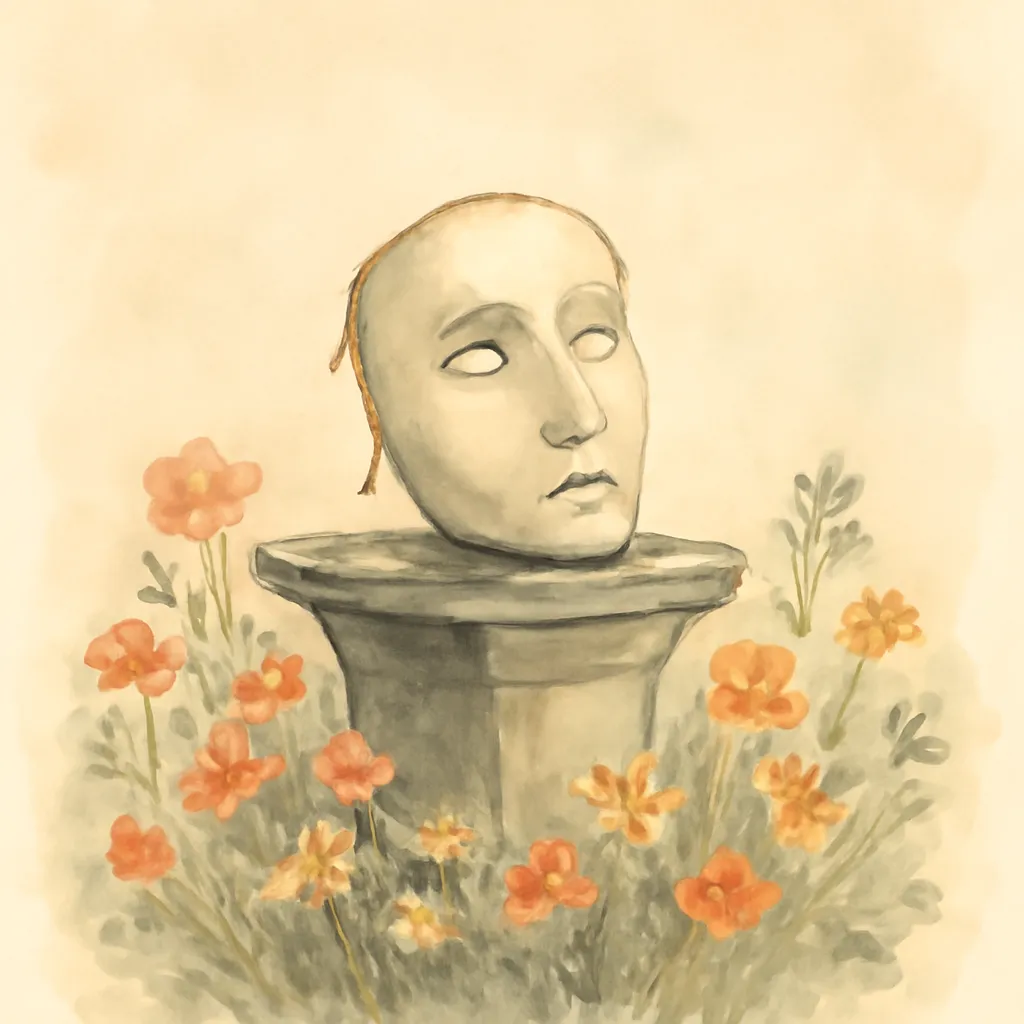
As Amory journeys through love, ambition, and personal discovery, a recurring theme is his search for authenticity in a superficial world. Fitzgerald captures the tension between societal expectations and individual desires, illustrating how Amory grapples with the masks he wears to fit into various social circles. His encounters with different women and peers force him to confront the disparity between his true self and the personas he adopts. This quest for authenticity becomes increasingly urgent as Amory faces disillusionment and loss, prompting him to seek deeper connections and a more genuine existence. Fitzgerald's portrayal of this struggle resonates with readers, inviting them to reflect on their own quests for authenticity in a world often defined by pretense.
8.Disillusionment and the Loss of Idealism
A significant turning point in Amory's journey is the gradual loss of his idealism, a theme that permeates the narrative. Initially filled with dreams of greatness and romantic notions, Amory's experiences lead to a growing sense of disillusionment. His encounters with love, loss, and the harsh realities of life strip away his youthful naivety, forcing him to confront the complexities of adulthood. Fitzgerald poignantly depicts this decline of idealism as a universal experience, illustrating how the harshness of reality can challenge even the most fervent dreams. This theme resonates deeply, as it reflects the struggles many face in reconciling their aspirations with the realities of life.
9.The Impact of War on Identity
Set against the backdrop of World War I, This Side of Paradise reflects the profound impact of war on individual identity and societal values. Amory's experiences in the war serve as a catalyst for his transformation, forcing him to confront the fragility of life and the futility of conflict. The war's disillusionment echoes throughout the narrative, influencing Amory's relationships and his understanding of self. Fitzgerald captures the sense of loss and confusion that accompanies such a tumultuous period, emphasizing how external events can shape internal struggles. This exploration of war's impact on identity adds a layer of depth to Amory's journey, highlighting the interconnectedness of personal and societal challenges.
10.The Enduring Quest for Self
Ultimately, Amory's journey in This Side of Paradise is an enduring quest for self-discovery and understanding. Throughout the novel, he grapples with his identity, desires, and the societal pressures that shape his life. Fitzgerald's nuanced portrayal of Amory's evolution reflects the complexities of human experience, as he navigates the challenges of love, ambition, and disillusionment. The novel concludes with Amory's realization that the search for self is an ongoing process, marked by moments of clarity and confusion. This exploration of selfhood resonates with readers, offering insights into the universal struggle for identity and meaning in an ever-changing world.