1.The Burden of Overthinking
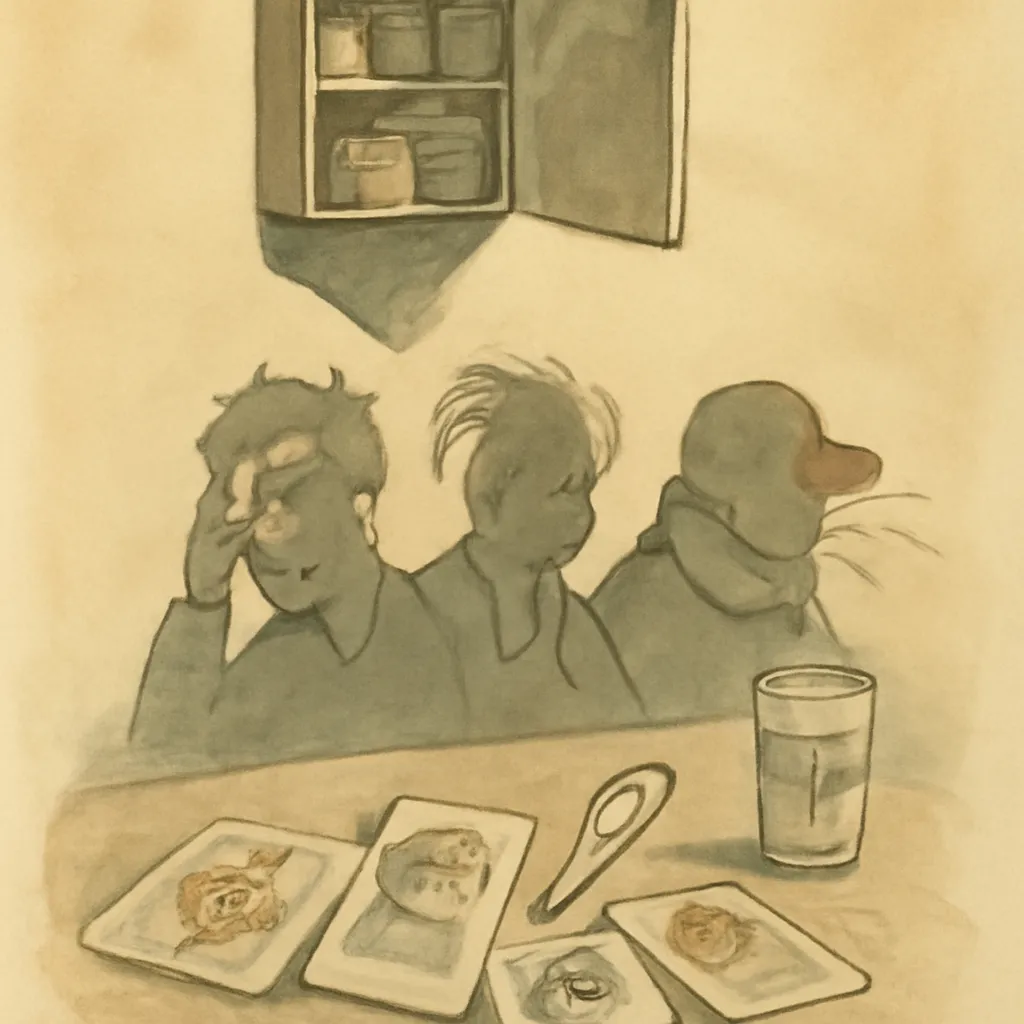
The story opens with the three friends lamenting their various ailments, which serves as a humorous commentary on how people often overthink their health. Each character believes they are suffering from numerous maladies, with J. diagnosing himself based on a patent medicine advertisement. This obsessive self-diagnosis reflects the absurd lengths to which we go to attribute our discomforts to serious conditions. The friends’ shared neuroses lead to a decision to take a break from their overworked lives, highlighting a universal struggle against the pressures of modern existence. The humor in their exaggerated ailments sets the stage for the comedic misadventures to follow, illustrating the theme of how our worries can cloud our judgment and lead us to irrational decisions.
2.The Allure of Adventure
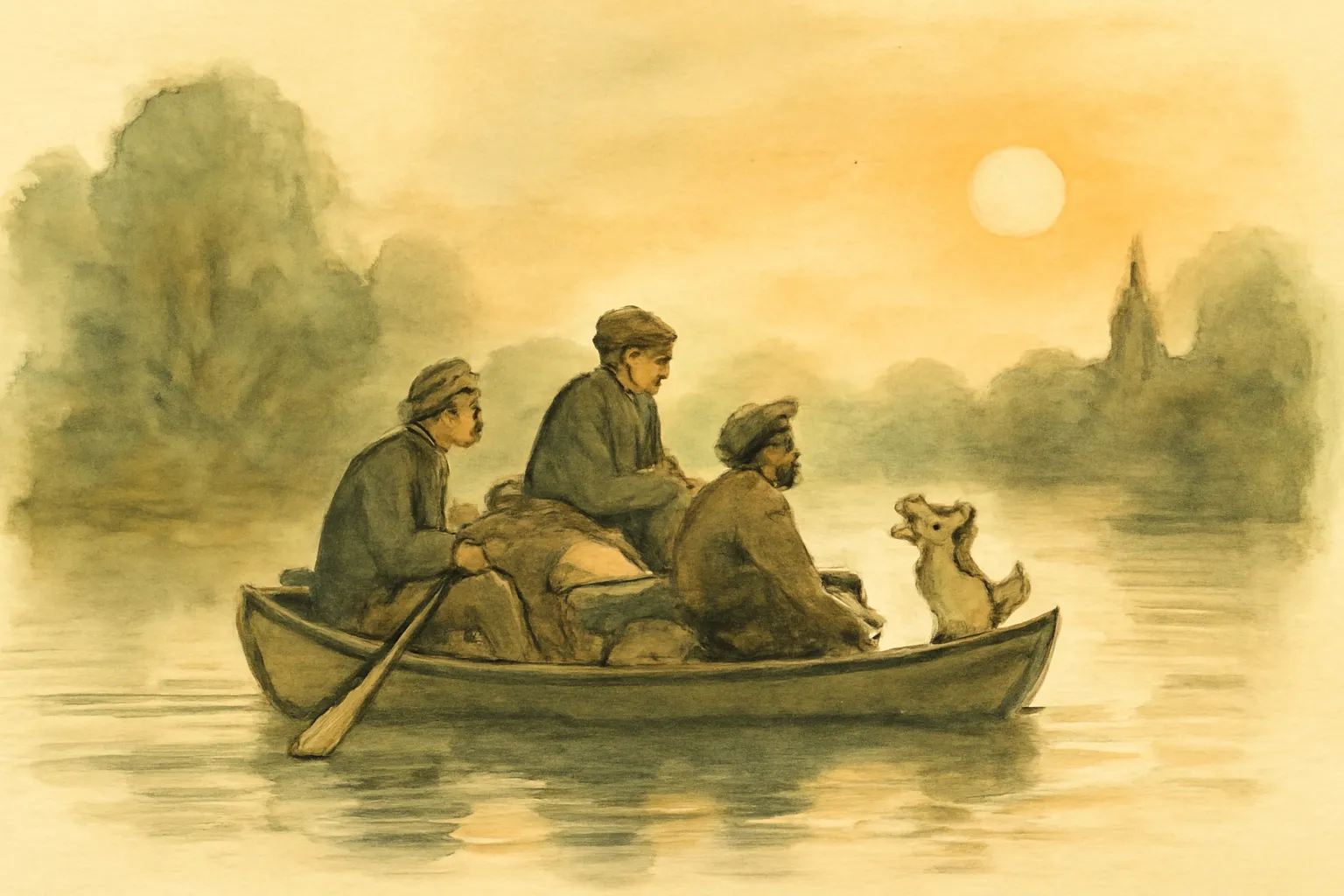
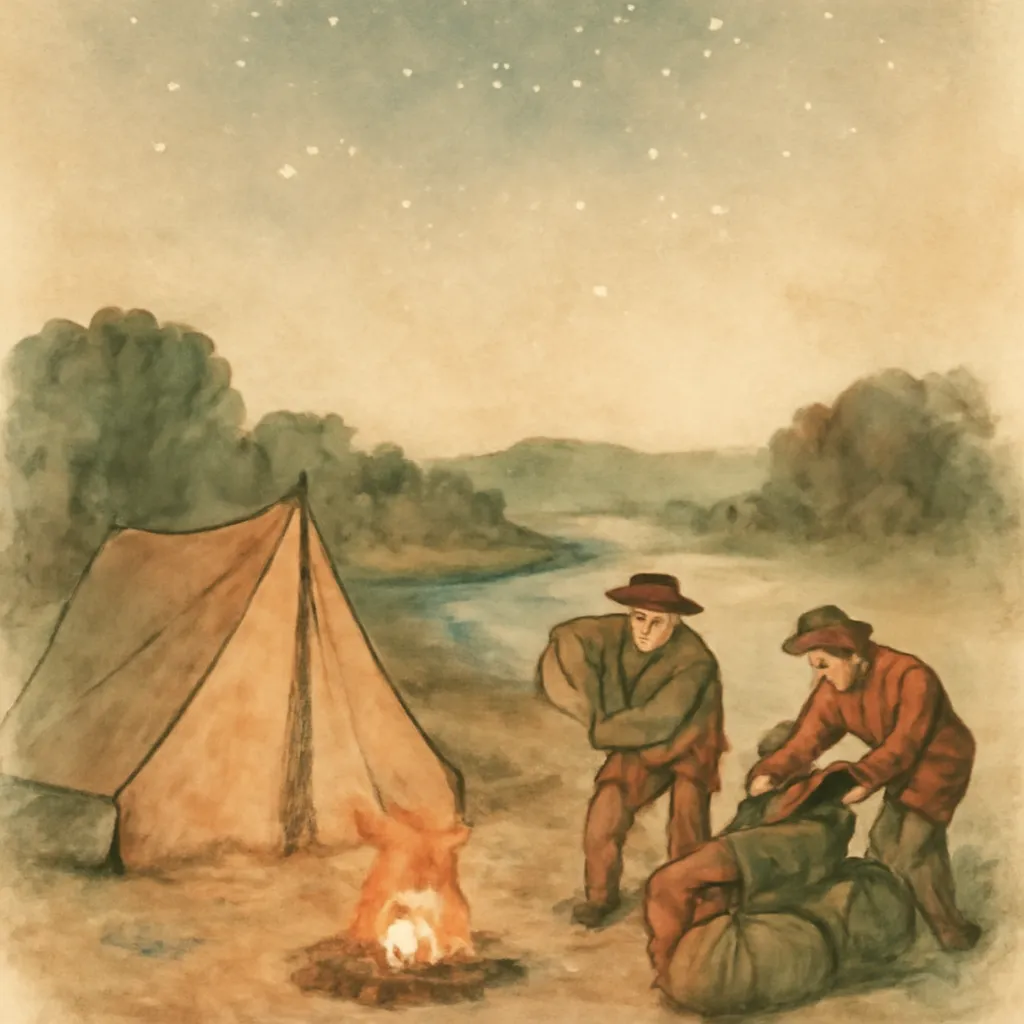
The initial decision to take a boating trip is portrayed as a liberating escape from their mundane lives. The friends discuss the idea of 'camping out' versus staying at inns, with George and J. favoring the wild, adventurous spirit of camping. This reflects a romanticized view of nature and the desire for freedom that many people feel. Their vision of idyllic evenings by the river, under the stars, contrasts sharply with the reality of their subsequent struggles. This juxtaposition between the ideal and the actual serves to enhance the comedic narrative, as their grand plans are continually thwarted by unforeseen circumstances. The notion that adventure can be both thrilling and disastrous is a recurring theme, showcasing the unpredictability of life.
3.The Comedic Chaos of Packing
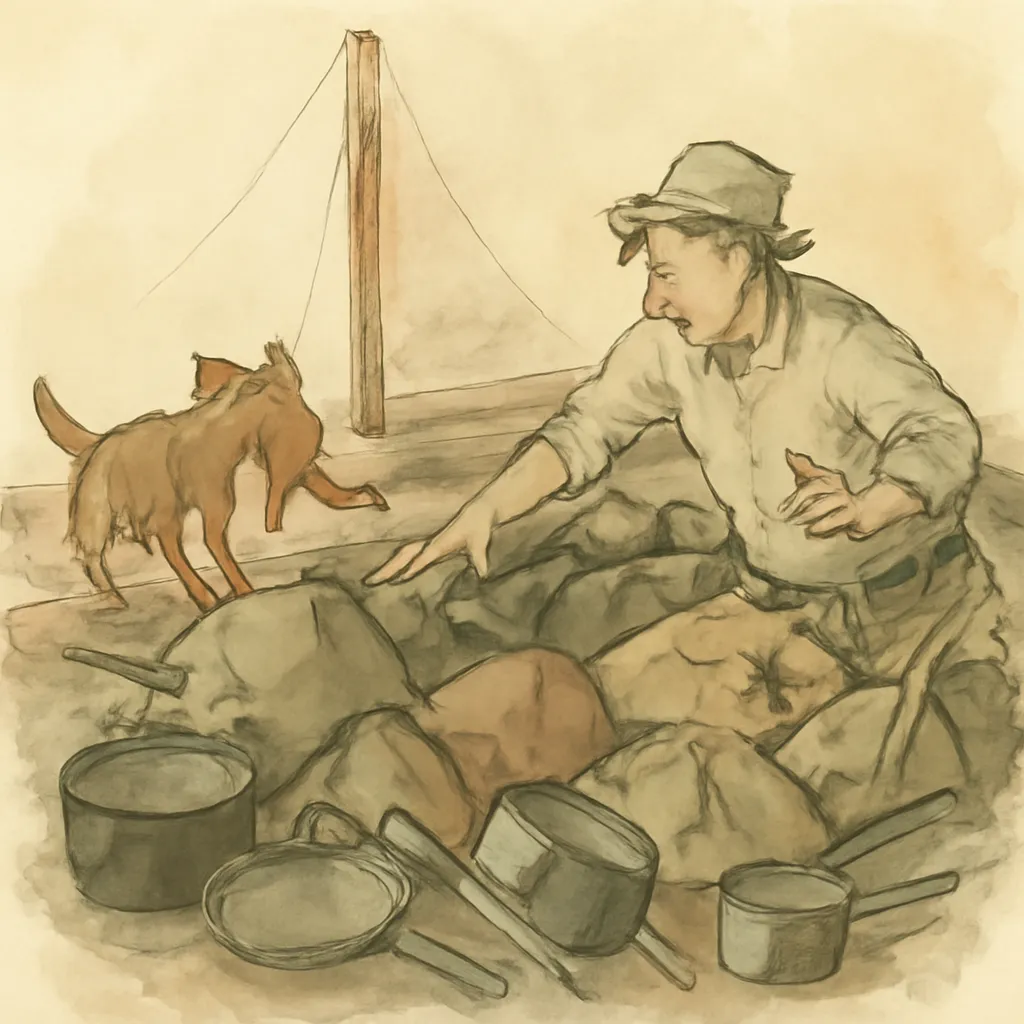
The packing process becomes a source of humor and chaos, particularly through Harris’s ineffectual leadership. His attempts to organize the packing reflect the often-frustrating reality of group travel, where one person's enthusiasm can lead to confusion for everyone else. Harris’s method of delegating tasks to others while avoiding responsibility himself is a comedic trope that resonates with anyone who has experienced the dynamics of group planning. The scene is rife with absurdity as they struggle with the logistics of food, equipment, and the infamous paraffin stove, which they all agree to avoid due to its previous disastrous effects. This highlights the theme of incompetence that runs throughout the narrative, as their plans consistently unravel due to their inability to execute them effectively.
4.The Importance of Friendship
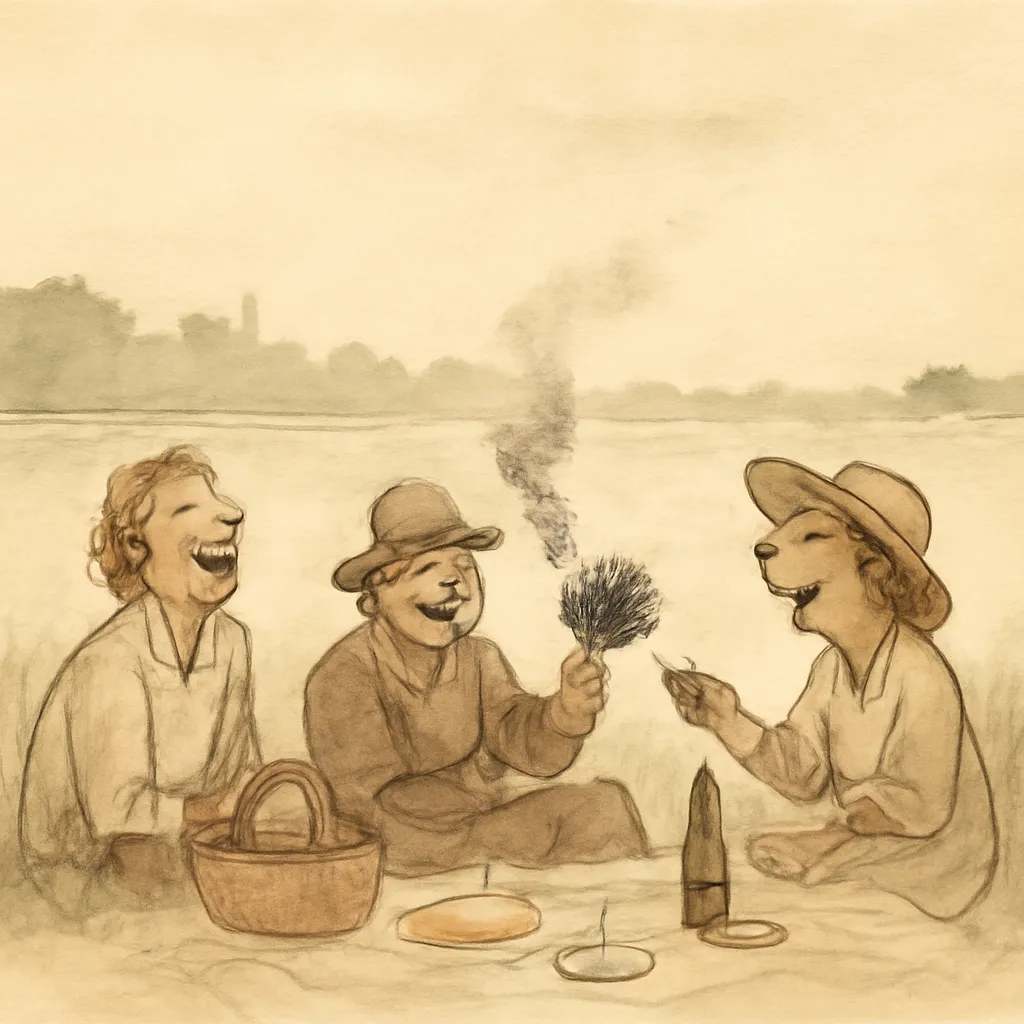
As the journey unfolds, the bond between the three friends is tested through various trials and tribulations. Moments of camaraderie emerge amid the chaos, such as when they share a laugh over their failed attempts at cooking or navigating the river. The interactions between the characters reveal the dynamics of friendship, showcasing how they support one another despite their bickering and frustrations. This theme is particularly evident when they confront challenges together, such as dealing with the local riverbank authorities or managing Montmorency's antics. The book emphasizes that friendship is often forged in adversity, and the shared experiences—both good and bad—strengthen their connection. This exploration of friendship resonates deeply, as it reflects the importance of companionship in navigating life's unpredictability.
5.Nature’s Beauty and Its Challenges
The narrative paints a vivid picture of the English countryside, with Jerome's descriptive prose bringing the river and its surroundings to life. The beauty of the Thames is juxtaposed with the challenges the friends face, such as difficult weather and navigational mishaps. Their romanticized view of nature quickly clashes with the harsh realities of outdoor living, from the discomfort of sleeping on the ground to the difficulties of cooking outdoors. This duality reflects a broader commentary on the human experience—our desire to connect with nature often comes with challenges that test our resolve. The picturesque descriptions serve to enhance the comedic elements, as the characters' struggles with the natural world create moments of hilarity and frustration.
6.The Absurdity of Authority
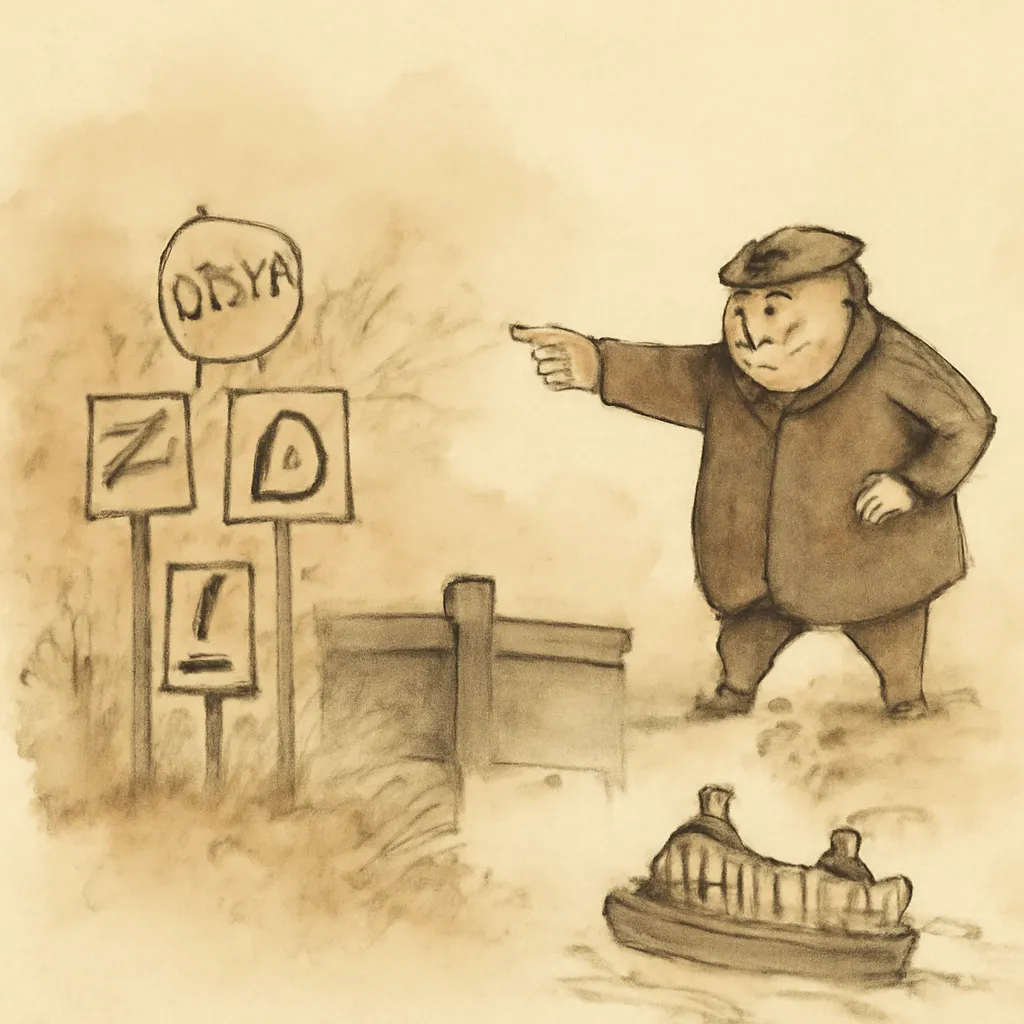
Throughout their journey, the friends encounter various figures of authority, from lock-keepers to local landowners, who often embody the absurdities of bureaucratic rules and regulations. These encounters serve as comedic critiques of social conventions and the often arbitrary nature of authority. For instance, when they are confronted by a landowner about trespassing, the situation escalates into a humorous exchange that highlights the ridiculousness of their predicament. Jerome uses these interactions to explore themes of social class and the arbitrary nature of rules, suggesting that authority figures can sometimes be more concerned with their own power than with common sense. This critique resonates with readers, as it mirrors the frustrations many experience in dealing with authority in their own lives.
7.The Trials of Cooking
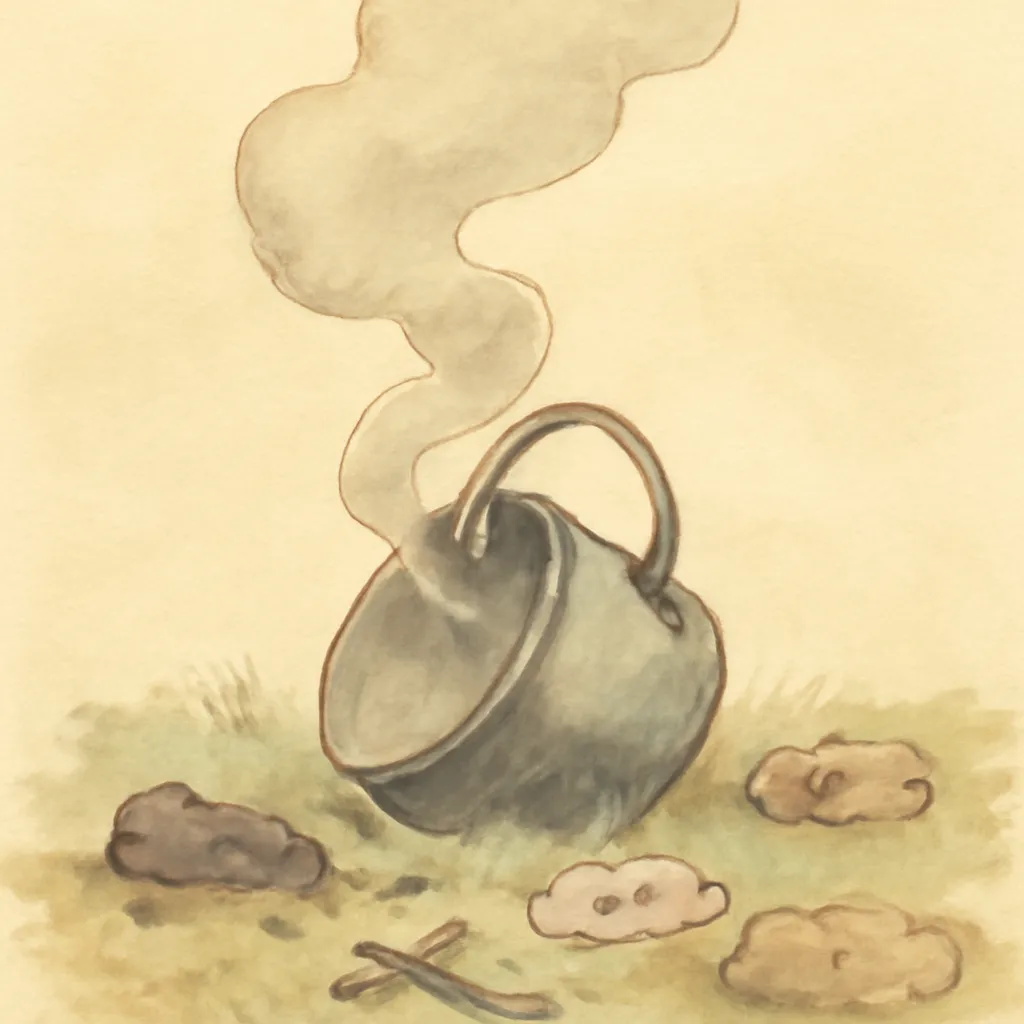
The friends' attempts at cooking while on their boating trip become a recurring source of humor and disaster. Their struggles with simple tasks, such as boiling water or frying bacon, highlight the challenges of outdoor cooking and the incompetence of the characters. Harris’s role as the cook is particularly amusing, as he grapples with the logistics of preparing meals in a limited space with inadequate equipment. The absurdity of their culinary misadventures serves to illustrate the theme of human fallibility, as their best intentions often lead to comical failures. This element of the narrative is relatable, as many can identify with the frustrations of cooking in unconventional settings, making these scenes both humorous and poignant.
8.The Role of Montmorency
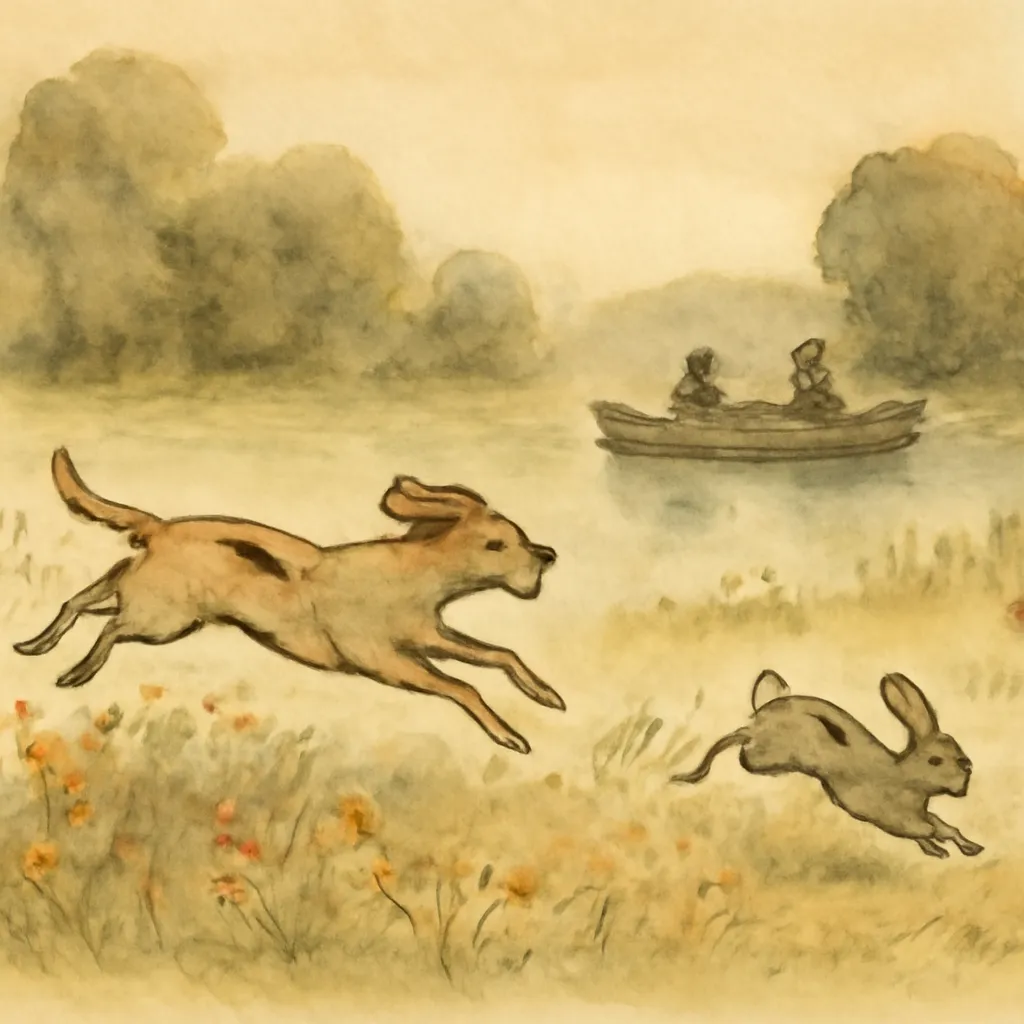
Montmorency, the dog, serves as both a comedic foil and a catalyst for much of the chaos that ensues during the trip. His antics, including his confrontations with other animals and his relentless pursuit of mischief, add an additional layer of humor to the narrative. Montmorency embodies the unpredictability of life, often causing trouble at the most inopportune moments, which serves to further complicate the friends' adventures. The dog's presence highlights the theme of loyalty and companionship, as he remains a steadfast part of the group despite his troublesome behavior. Jerome's portrayal of Montmorency adds depth to the story, illustrating how pets can bring both joy and chaos to our lives.
9.The Journey as a Metaphor for Life
The boating trip ultimately serves as a metaphor for the journey of life itself, filled with unexpected twists, challenges, and moments of joy. The friends’ experiences reflect the universal human condition, where plans often go awry, and the best-laid schemes can lead to unforeseen consequences. Their misadventures highlight the importance of adaptability and resilience in the face of adversity. Jerome uses humor to convey deeper truths about the nature of existence, suggesting that life is often unpredictable, and it is our responses to these challenges that define our experiences. The narrative encourages readers to embrace the absurdity of life and to find humor even in the most trying situations.
10.The Power of Humor
At its core, 'Three Men in a Boat' is a celebration of humor as a coping mechanism. Jerome’s witty observations and comedic storytelling provide a lens through which to view the absurdities of life, allowing readers to laugh at their own struggles. The humor in the book serves to lighten the mood, even when the characters are faced with genuine challenges. Through their misadventures, Jerome illustrates that laughter can be a powerful tool for navigating the complexities of human relationships and the unpredictability of life. This theme resonates with readers, reminding us of the importance of finding joy in the chaos and laughter in the mundane.