1.The Allure of Finnish Baths
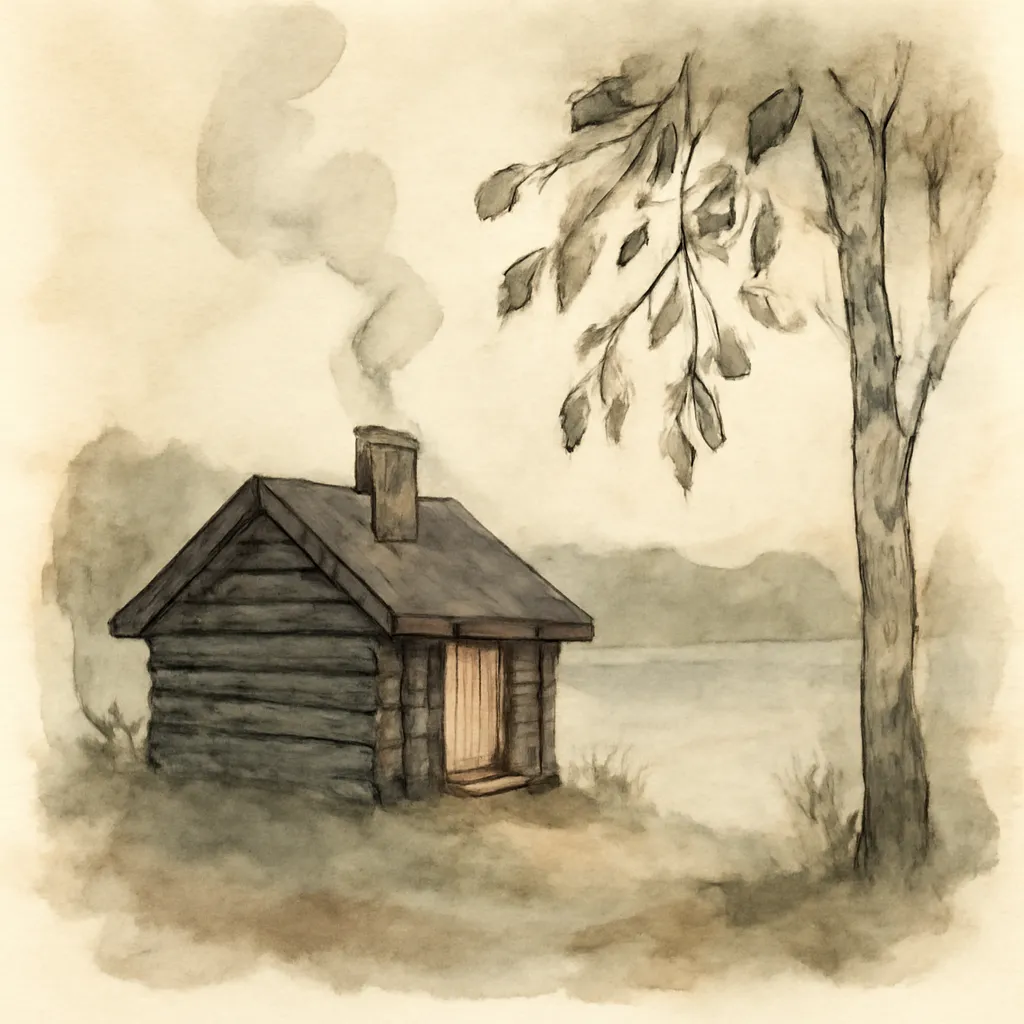
In Finland, the bath is not merely a hygienic necessity but a cherished cultural experience. The author emphasizes that a visit to Finland is incomplete without indulging in its famous bastu or sauna. Every Finnish home, no matter how modest, boasts a sauna, where families gather weekly to cleanse both body and spirit. This weekly ritual is steeped in tradition, often involving the entire family—men, women, children, and even pets partake in the cleansing process. The author’s own experience in a sauna highlights its significance, illustrating how it serves as a communal space for connection, relaxation, and rejuvenation. The Finnish bath is more than a physical cleansing; it symbolizes a return to nature and an embrace of the simple pleasures of life.
2.Finland's Enigmatic Scenery
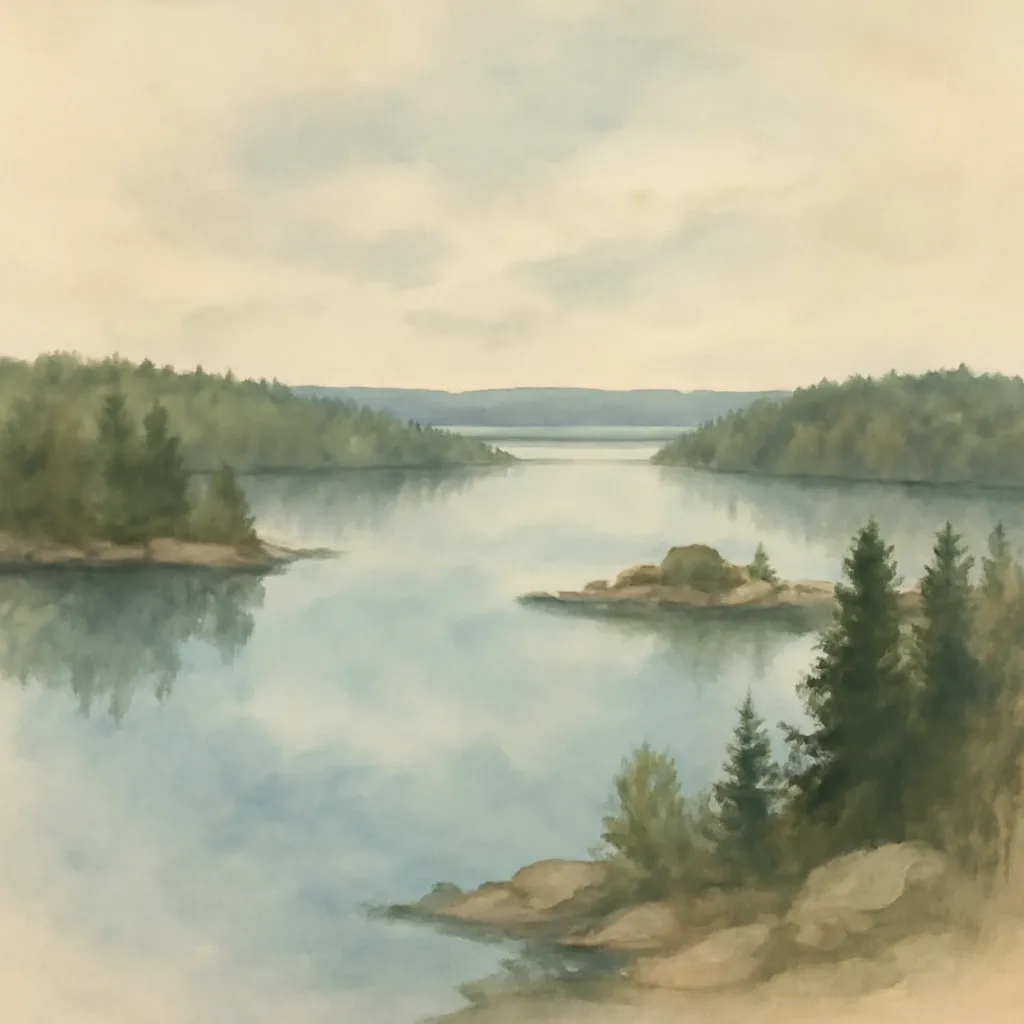
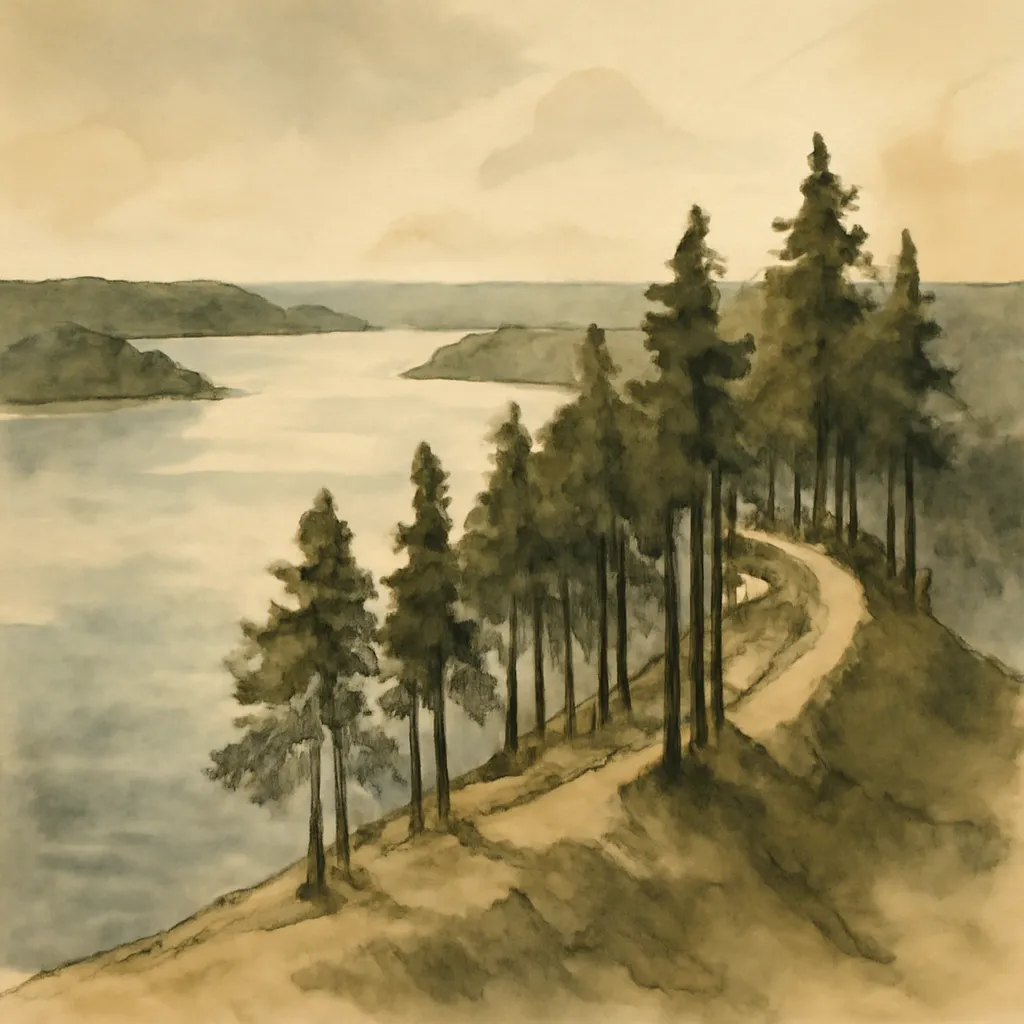
Finland’s landscape is characterized by its thousands of lakes and islands, offering a unique charm that sets it apart from other European destinations. The author describes the country as a vast continent, rich in natural beauty yet often overlooked by tourists. From the tranquil waters of its lakes to the dense pine forests, each vista presents a postcard-perfect image of serenity. Despite lacking the dramatic mountains of Switzerland or the rugged coasts of Norway, Finland’s flat terrain is dotted with enchanting features, including quaint islands and hidden coves. The author’s reflections on the scenery evoke a sense of peace and connection to the earth, encouraging readers to appreciate the subtler, quieter forms of beauty that Finland has to offer. This appreciation of nature is deeply interwoven with the Finnish way of life, where the outdoors is both a playground and a sanctuary.
3.The Warmth of Finnish Hospitality
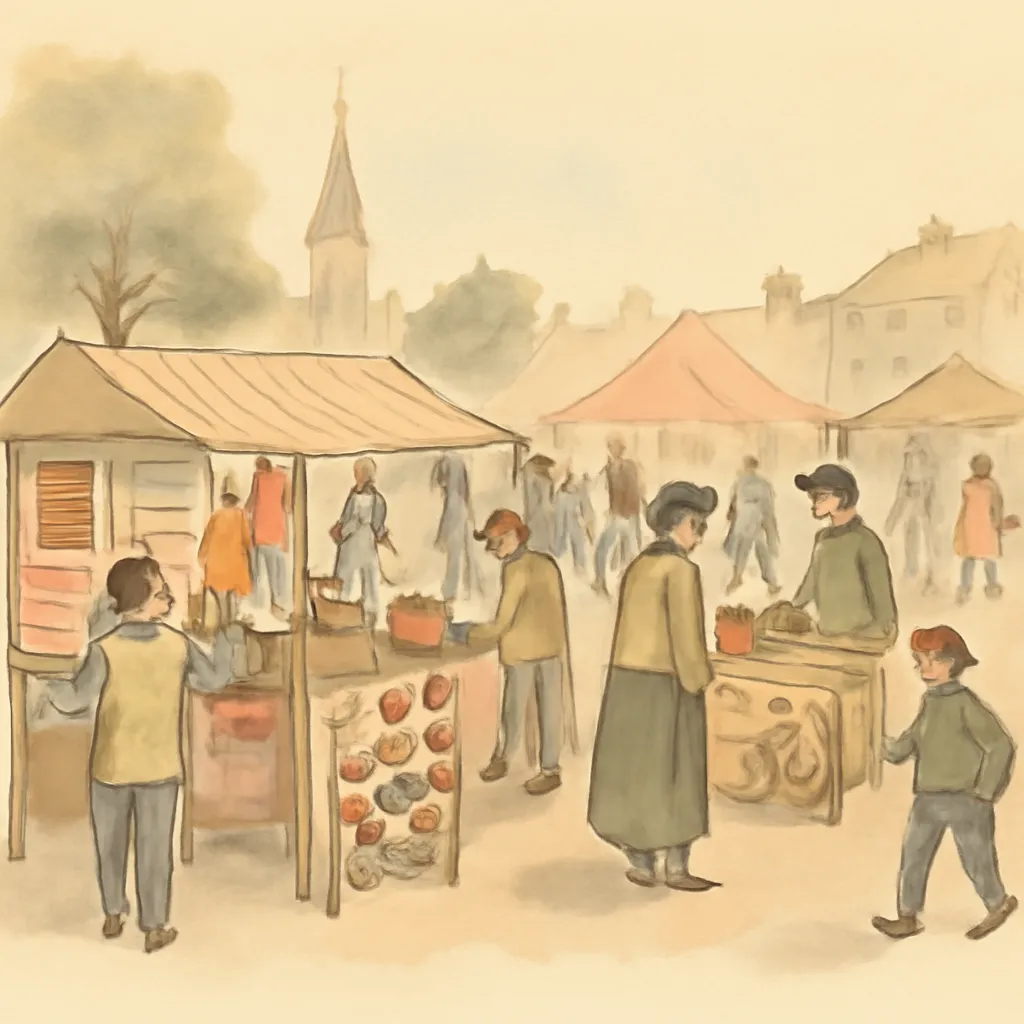
Throughout her travels, the author encounters the genuine hospitality of the Finnish people, who welcome visitors with open arms. From the moment she arrives in Wiborg, where she is greeted by consuls and local dignitaries, to her stays in various homes, the warmth of the locals shines through. The author recounts charming anecdotes about the Finnish customs of hospitality, including the practice of sharing meals and stories with guests. This cultural trait reflects a deep-seated respect for community and connection, where strangers are treated as friends. The author’s interactions with her hosts reveal the Finns’ pride in their heritage and their eagerness to share their traditions with others. This hospitality not only enriches her travel experience but also fosters a sense of belonging in a foreign land, highlighting the power of kindness in bridging cultural divides.
4.The Kalevala: Finland's Epic Heritage
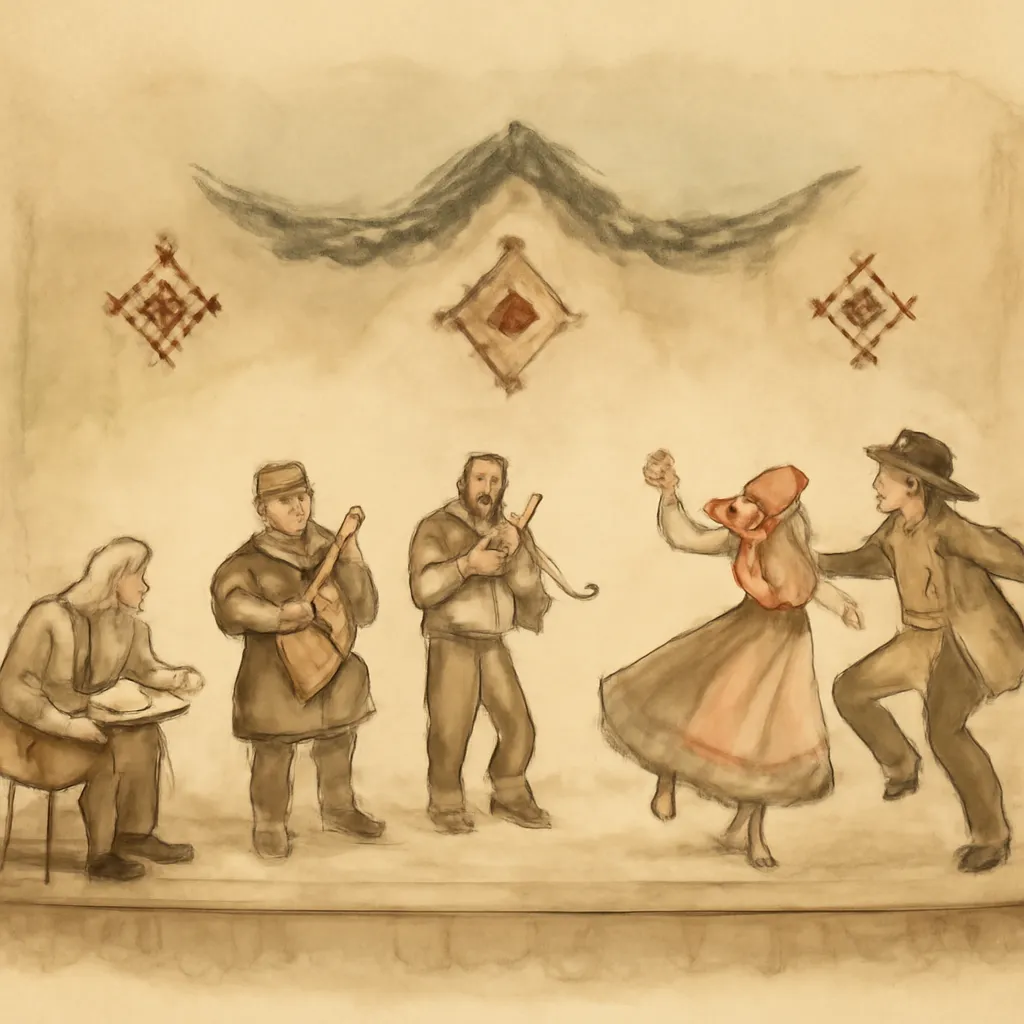
The significance of the Kalevala, Finland's national epic, is woven throughout the narrative, illustrating the country’s rich folklore and cultural heritage. The author describes attending a performance of a native wedding, which incorporates traditional songs from the Kalevala, showcasing how these ancient tales continue to resonate with contemporary Finns. This epic poem, composed in the 19th century from older oral traditions, serves as a cornerstone of Finnish identity, encapsulating the values, struggles, and aspirations of the Finnish people. The author’s admiration for the Kalevala is palpable, as she reflects on how it connects the past with the present, inspiring a sense of national pride and unity. The performances she witnesses are not merely artistic displays but living traditions that keep the spirit of the Kalevala alive, reinforcing the importance of storytelling in preserving cultural identity.
5.Finnish Customs and Traditions
The exploration of Finnish customs reveals a society deeply rooted in tradition yet evolving with the times. The author observes various local practices, from the communal bathing rituals to the unique wedding customs that emphasize the significance of family and community. The depiction of a traditional Finnish wedding, where a spokesman proposes on behalf of the bridegroom, highlights the cultural nuances that define Finnish social interactions. Such customs reflect a collective mindset, where individuality often takes a backseat to community values. The author’s keen observations offer insights into how these traditions shape Finnish identity and social cohesion, illustrating the delicate balance between preserving heritage and embracing modernity. These customs serve as a reminder of the importance of cultural continuity in an ever-changing world.
6.The Political Landscape of Finland
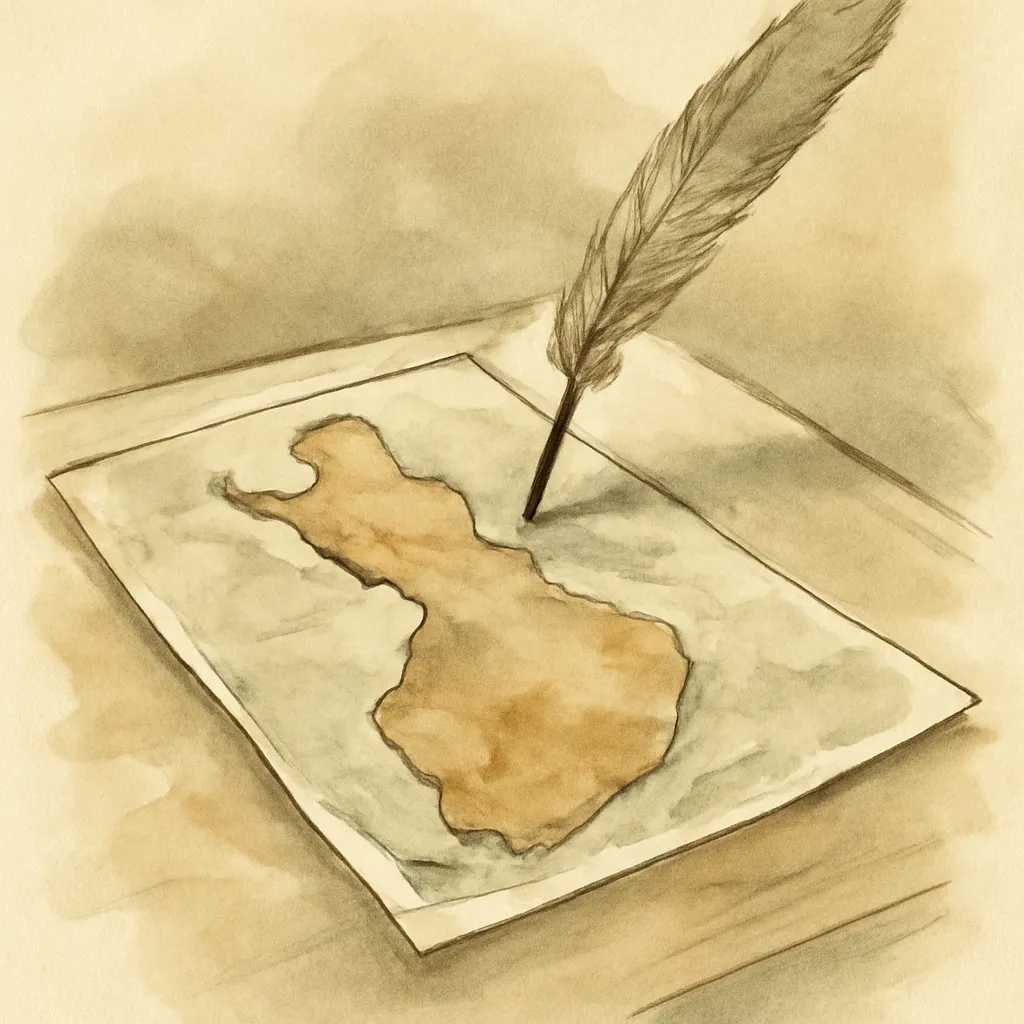
Amidst the scenic beauty and cultural richness, the author provides a glimpse into the political landscape of Finland, particularly its relationship with Russia. Following centuries of Swedish rule, Finland's annexation by Russia in 1808 marked a significant turning point in its history. The author explains how the Finnish people have navigated their complex political identity, maintaining a sense of autonomy and national pride despite external pressures. The establishment of a Grand Duchy under Russian sovereignty allowed Finland to preserve its constitution and Lutheran Church, fostering a unique political environment that balanced local governance with imperial oversight. This historical context enriches the reader's understanding of modern Finland, where the echoes of past struggles for independence continue to shape national consciousness and aspirations for the future.
7.The Role of Women in Finnish Society
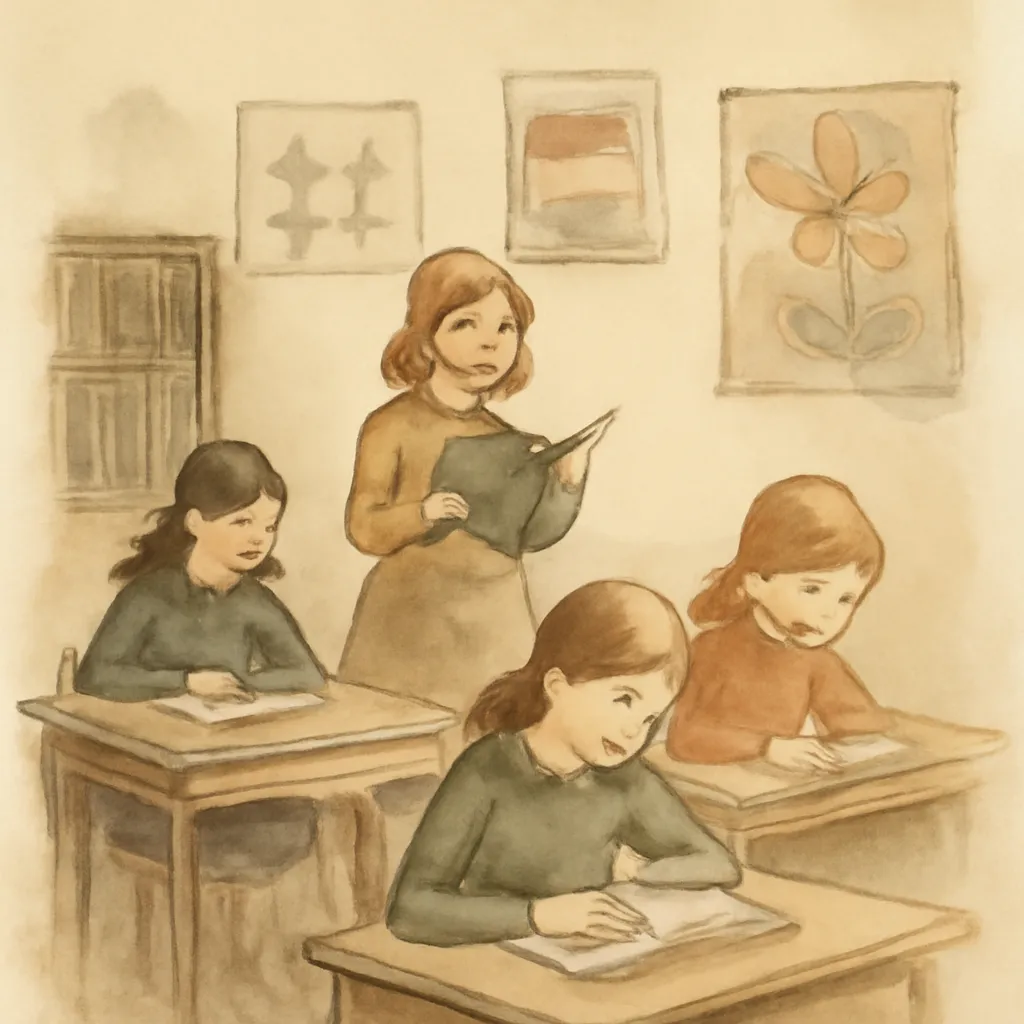
The evolving role of women in Finnish society is another focal point of the author’s observations, highlighting the strides made toward gender equality and education. The author notes the significant increase in the female population and the growing prominence of women in various professional fields. Education is a key driver of this change, with Finnish women increasingly pursuing higher education and entering traditionally male-dominated professions. The author emphasizes how the women’s movement in Finland has gained momentum, advocating for equal rights and opportunities. This progress is not merely a reflection of social change but a testament to the resilience and determination of Finnish women to carve out their place in society. The author’s insights into the changing dynamics of gender roles serve as a powerful reminder of the ongoing journey toward equality and empowerment.
8.The Enchantment of Punkaharju
Punkaharju stands out as a natural wonder that captures the essence of Finland’s beauty, earning it a special place in the author’s heart. Described as a 'freak of Nature,' this unique ridge offers breathtaking views and a serene atmosphere that draws visitors from afar. The author’s visit to Punkaharju is filled with awe as she reflects on the landscape’s striking contrasts—lush greenery against the shimmering waters. This picturesque locale is not just a tourist destination but a symbol of Finland’s natural heritage, embodying the harmony between land and water. The author’s vivid descriptions invite readers to imagine themselves in this enchanting setting, experiencing the tranquility and beauty that characterize Finland’s natural wonders. Punkaharju serves as a reminder of the importance of preserving such landscapes for future generations to enjoy.
9.Adventures in Tar-Boat Sailing
One of the most exhilarating experiences recounted in the book is the descent of the rapids in a tar-boat, showcasing the adventurous spirit of the Finnish people and their deep connection to the land. The author describes the excitement and trepidation of navigating the turbulent waters, where skilled pilots maneuver their boats with precision and strength. This traditional method of transport, rooted in Finland's history of tar production, highlights the ingenuity and resilience of its people. The author’s vivid narrative captures the thrill of the journey, emphasizing the camaraderie among the crew as they work together to navigate the challenges of the rapids. This adventure not only provides a thrilling experience but also serves as a metaphor for the Finnish spirit—undaunted by challenges and always ready to embrace the journey ahead.
10.The Cultural Significance of Wild Berries
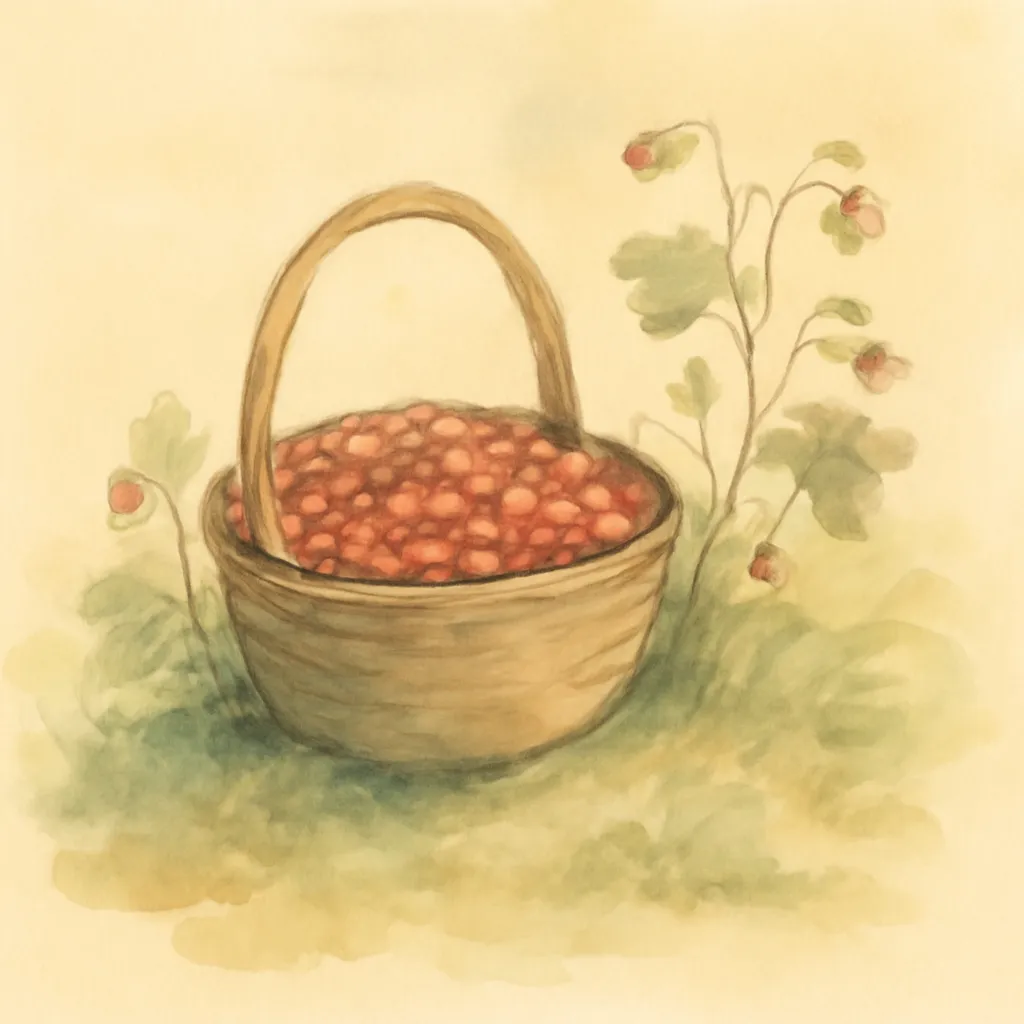
The abundance of wild berries in Finland is a delightful aspect of the author’s travels, representing a unique cultural and culinary tradition. The author notes how Finnish children gather wild strawberries, which are not only a local delicacy but also a source of pride for the community. This practice of foraging for berries reflects a deep connection to nature, as well as the importance of sustainability and resourcefulness in Finnish culture. The author’s descriptions of the vibrant berry fields evoke a sense of nostalgia and appreciation for the simple pleasures of life. Moreover, the significance of wild berries extends beyond mere nutrition; they symbolize the Finnish ethos of embracing the natural environment and celebrating its bounties. This cultural connection to the land enriches the reader's understanding of Finnish identity and lifestyle.