1.The Three Metamorphoses
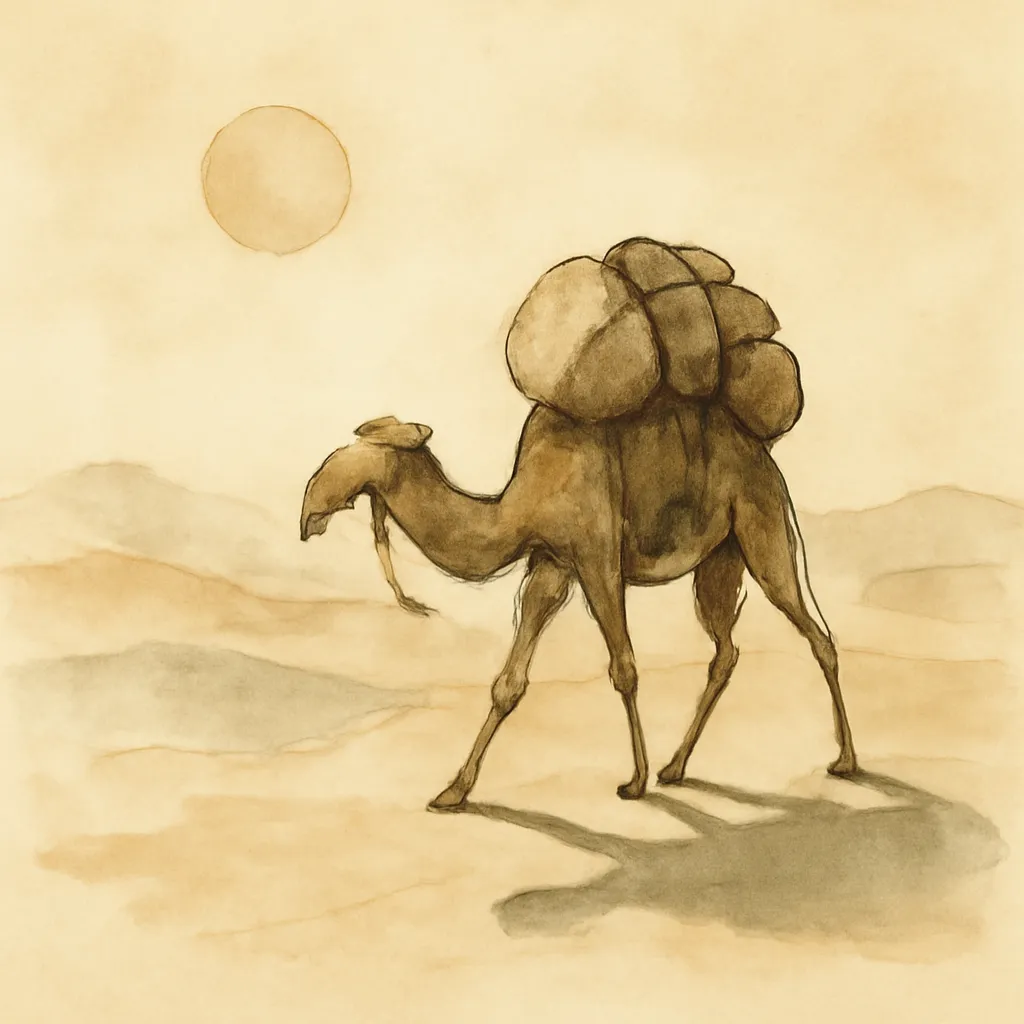
Nietzsche begins with a parable of transformation, illustrating the journey of self-creation through three stages: the camel, the lion, and the child. The camel represents the burdened individual who accepts the weight of societal expectations and moral law. The lion symbolizes the rebellious spirit that asserts its own will against tradition, declaring 'I will.' Finally, the child embodies the creative force of innocence and spontaneity, capable of forging new values. This progression emphasizes that true freedom and creativity require first the acceptance of existing burdens, followed by the courageous rejection of them, leading to a rebirth of the self. Nietzsche asserts that only by embracing these transformations can one rise above conventional morality to become a creator of new values.
2.The Academic Chairs of Virtue
In this chapter, Zarathustra critiques those who equate virtue with complacency and mediocrity. Nietzsche challenges the notion that virtue should foster security and ease, instead arguing that true virtue is born from struggle and the pursuit of greatness. He warns against the dangers of a society that values safety over risk, suggesting that such a mindset leads to stagnation. Nietzsche emphasizes that the greatest individuals are forged through conflict and the overcoming of obstacles, rather than through passive acceptance of conventional morality. This critique serves as a call to action for readers to embrace discomfort and strive for excellence, rather than settling for the safety of mediocrity.
3.The Despisers of the Body
Zarathustra confronts the dualism of body and spirit, arguing against the tendency to belittle the physical in favor of the intellectual. He introduces the concept of 'little sagacity' (intellect) versus 'big sagacity' (instincts), highlighting the integral role of the body in shaping human experience. Nietzsche posits that the intellect is merely an instrument of the body, and that dismissing the bodily instincts leads to a disconnection from one's true self. He advocates for the acknowledgment and celebration of bodily desires as essential to a fulfilling life. This perspective encourages readers to embrace their physicality and instincts, recognizing them as vital components of their identity and creativity.
4.The Preachers of Death
In this discourse, Zarathustra critiques those who promote pessimism and a disdain for life, often under the guise of morality or spirituality. He identifies these figures as 'preachers of death,' who advocate for self-denial and resignation rather than embracing the vitality of existence. Nietzsche argues that such attitudes stem from a deep-seated resentment towards life and a desire for revenge against the vitality of others. He urges individuals to reject this nihilistic outlook, advocating instead for an affirmation of life, with all its challenges and joys. By embracing life fully, Nietzsche believes individuals can cultivate a sense of purpose and meaning, countering the despair propagated by pessimistic ideologies.
5.The Doctrine of Relativity in Morality
Zarathustra introduces the idea that morality is not absolute but rather a construct shaped by power dynamics. He argues that traditional moral values serve as tools for the powerful to maintain control over the weak. By examining the moral frameworks of various cultures, including the Greeks, Persians, Jews, and Germans, Nietzsche illustrates the relativity of moral values and their dependence on societal context. This discourse challenges readers to question their own moral beliefs and consider how they may have been influenced by prevailing power structures. Nietzsche's insights invite a reevaluation of morality as a means to an end, rather than an intrinsic good, encouraging individuals to create their own values based on personal strength and experience.
6.The Nature of Women
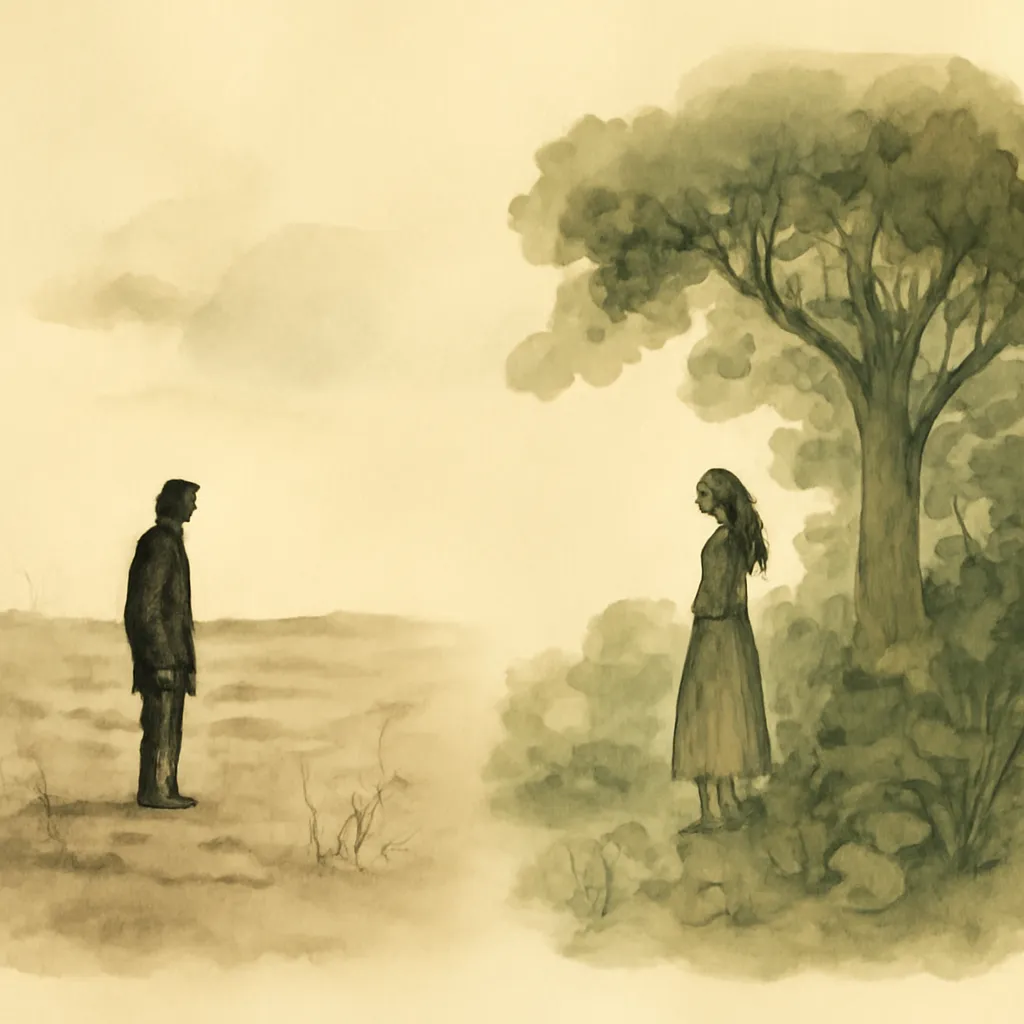
In a controversial yet thought-provoking discourse, Nietzsche addresses the relationship between men and women, arguing that the sexes are fundamentally antagonistic and different. He critiques modernity's tendency to blur these distinctions in an effort to promote equality, which he sees as detrimental to the natural order. Nietzsche posits that the unique strengths and instincts of both sexes should be celebrated rather than homogenized. He calls for a recognition of the vital role women play in the propagation of future generations and the importance of preserving their distinct qualities. This perspective challenges contemporary notions of gender equality, urging a deeper understanding of the complementary nature of male and female roles in society.
7.Voluntary Death versus Suicide
Zarathustra redefines the concept of suicide as 'Voluntary Death,' seeking to elevate it to a noble act rather than a tragic end. Nietzsche argues that individuals should have the autonomy to choose their own fate, emphasizing the importance of agency in the face of suffering. By framing this choice as a form of empowerment, he encourages readers to contemplate the nature of existence and the value of life. This discourse challenges societal taboos surrounding death and invites a deeper exploration of what it means to live authentically. Nietzsche's perspective serves as a call to embrace the complexities of life, including the acceptance of death as a natural part of the human experience.
8.The Will to Power
One of Nietzsche's central concepts, the 'Will to Power,' emerges as a driving force behind human behavior and creativity. Zarathustra explains that this instinct for growth and domination is not merely about physical power but encompasses a broader desire for self-overcoming and the creation of values. Nietzsche asserts that individuals must harness this will to shape their own destinies and assert their individuality in a world that often seeks to impose conformity. This idea encourages readers to embrace their ambitions and desires, recognizing them as essential components of their identity. Through the lens of the Will to Power, Nietzsche reframes challenges as opportunities for growth, urging individuals to strive for greatness in all aspects of life.
9.Eternal Recurrence
Zarathustra introduces the provocative idea of Eternal Recurrence, the notion that all events in life will repeat infinitely. Nietzsche challenges readers to consider how they would live if they knew their lives would recur eternally, prompting a reevaluation of their choices and values. This thought experiment serves as a litmus test for authenticity; if one would not embrace their life as it is, they are encouraged to reflect on what changes are necessary. Nietzsche's concept of Eternal Recurrence invites a profound acceptance of life, urging individuals to affirm their existence fully, with all its joys and sorrows. This radical perspective challenges the nihilistic tendencies of modern thought, offering a path toward embracing life's inherent value.
10.The Nature of Greatness
In the culmination of Zarathustra's teachings, Nietzsche addresses the qualities that define greatness, emphasizing the importance of individual strength and creativity. He argues that true greatness arises from overcoming adversity and transcending conventional morality. Nietzsche calls for a reevaluation of societal values, advocating for a culture that celebrates exceptional individuals rather than conformists. This discourse encourages readers to aspire to their highest potential, recognizing that greatness is not merely a product of circumstance but a deliberate choice to embrace one's unique path. By fostering an environment that nurtures individuality and creativity, Nietzsche envisions a future where humanity can achieve its highest aspirations.