1.The Concept of Time as a Dimension
Wells introduces a revolutionary idea: time is not merely a linear progression but a fourth dimension, akin to the three-dimensional space we inhabit. The Time Traveller, with his keen intellect, challenges his companions’ perceptions, asserting that just as we navigate through length, breadth, and height, we should also consider duration as a dimension of existence. This notion reframes our understanding of reality and encourages us to contemplate our place in the continuum of time. The implications of this concept suggest that the past, present, and future are interconnected, and by traveling through time, one might witness the unfolding of history firsthand. Wells' exploration of this idea lays the foundation for the entire narrative, inviting readers to ponder the nature of existence itself.
2.The Invention of the Time Machine
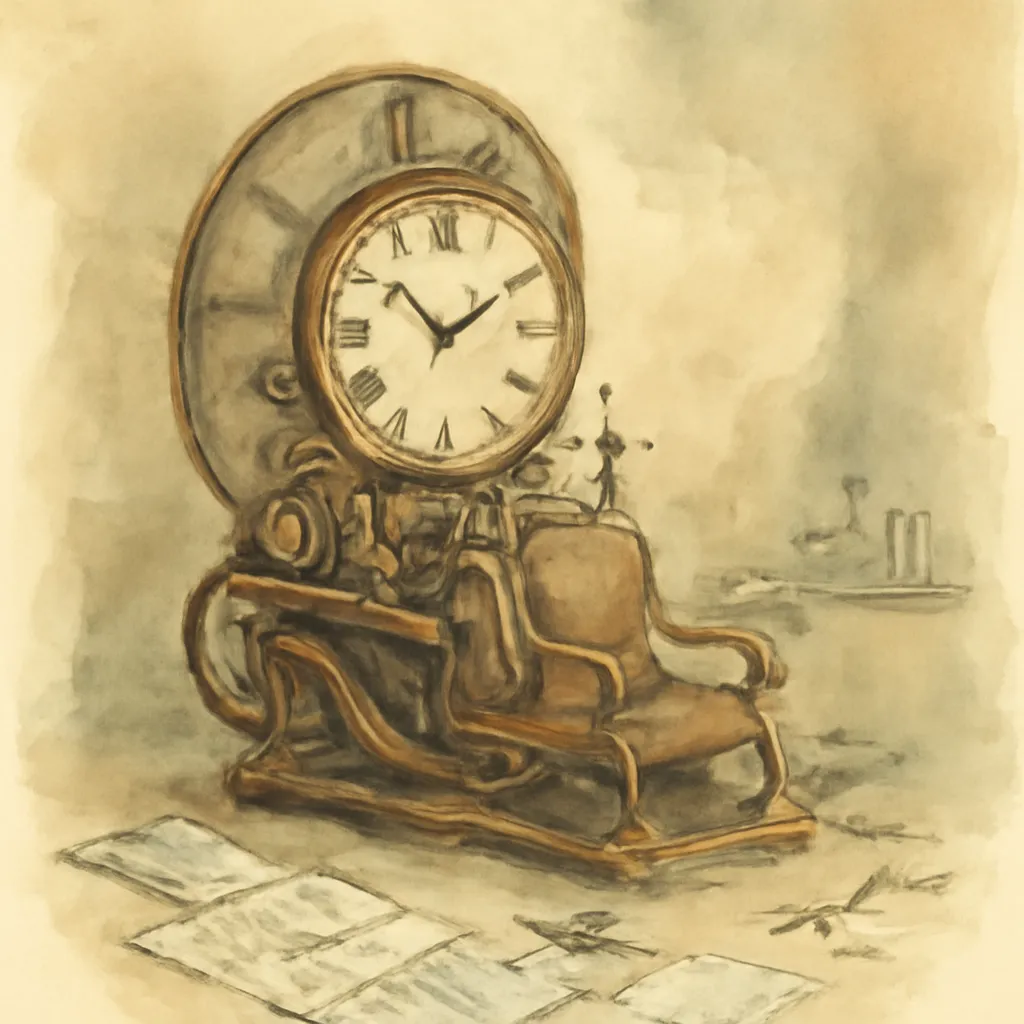
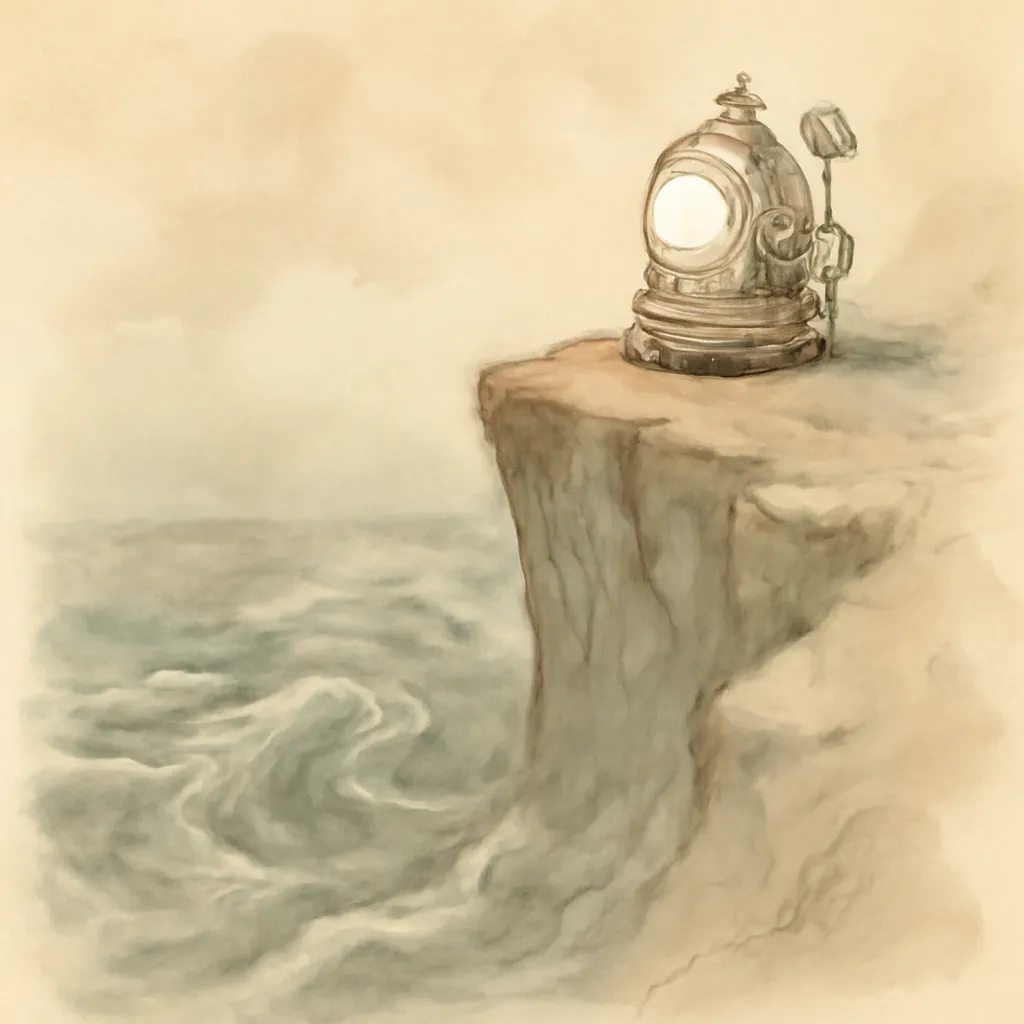
The Time Machine itself is a marvel of invention, described in meticulous detail as a delicate, metallic framework that embodies the hopes and dreams of its creator. Its design, resembling a small clock, symbolizes the intertwining of technology and human ambition. The Time Traveller’s meticulous construction process, taking two years, reflects the dedication required to breach the barriers of time. This machine serves as a metaphor for humanity's relentless quest for knowledge and understanding. As he passionately explains its workings to his skeptical friends, the machine becomes a character in its own right, representing both the pinnacle of human ingenuity and the potential for unforeseen consequences. It is through this device that Wells explores the duality of technological advancement: the promise of discovery and the threat of hubris.
3.Skepticism and the Nature of Belief
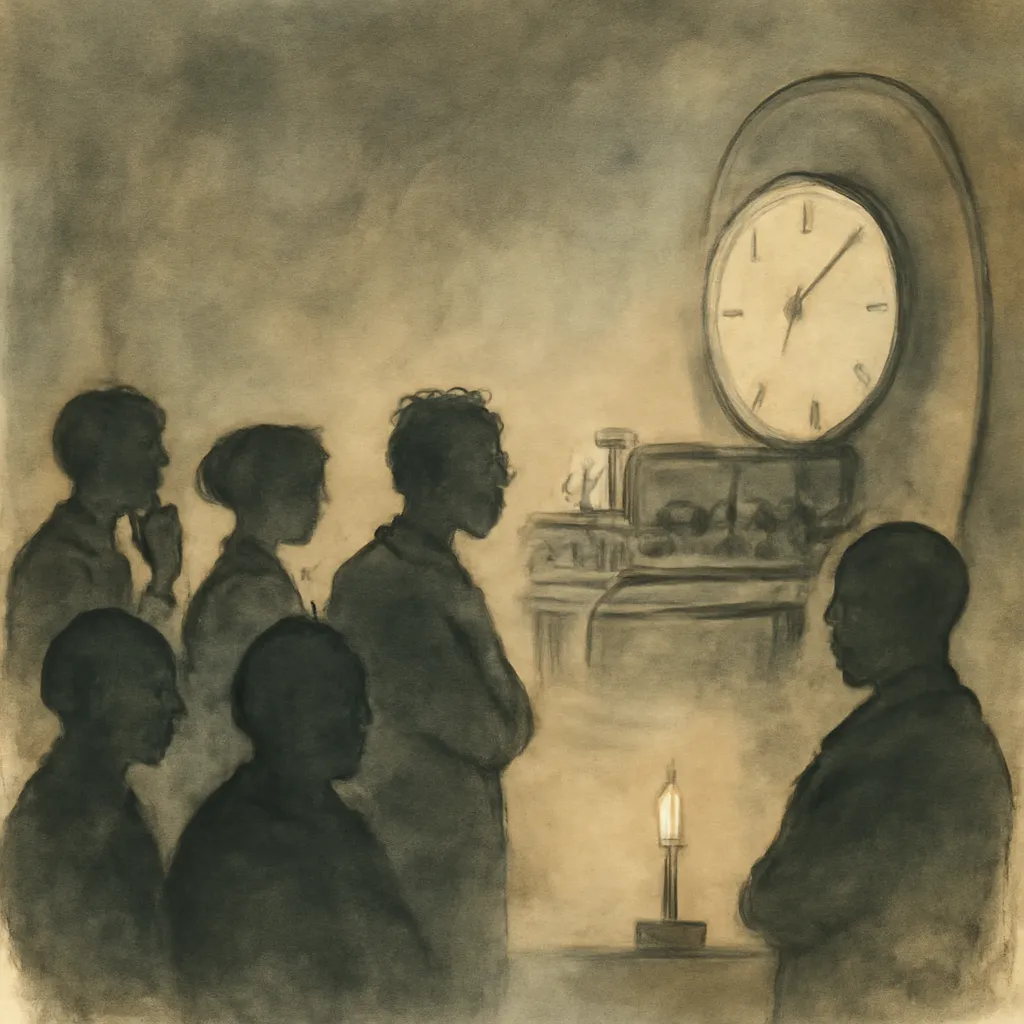
Upon first presenting the Time Machine, the Time Traveller faces skepticism from his peers, who struggle to grasp the concept of time travel. This skepticism reflects a broader theme in the narrative: the tension between belief and disbelief in the face of the extraordinary. The Time Traveller's intelligence and charisma are met with doubt, revealing how the human mind grapples with concepts that defy conventional understanding. Wells uses this dynamic to critique the limitations of human perception and the willingness to accept new ideas. The reactions of the Time Traveller’s friends underscore the societal tendency to dismiss what cannot be easily explained, prompting readers to consider how often we reject possibilities that challenge our worldview. This theme resonates with contemporary discussions about scientific advancements and the resistance faced by innovators.
4.The Eloi: A Glimpse of a Utopian Society
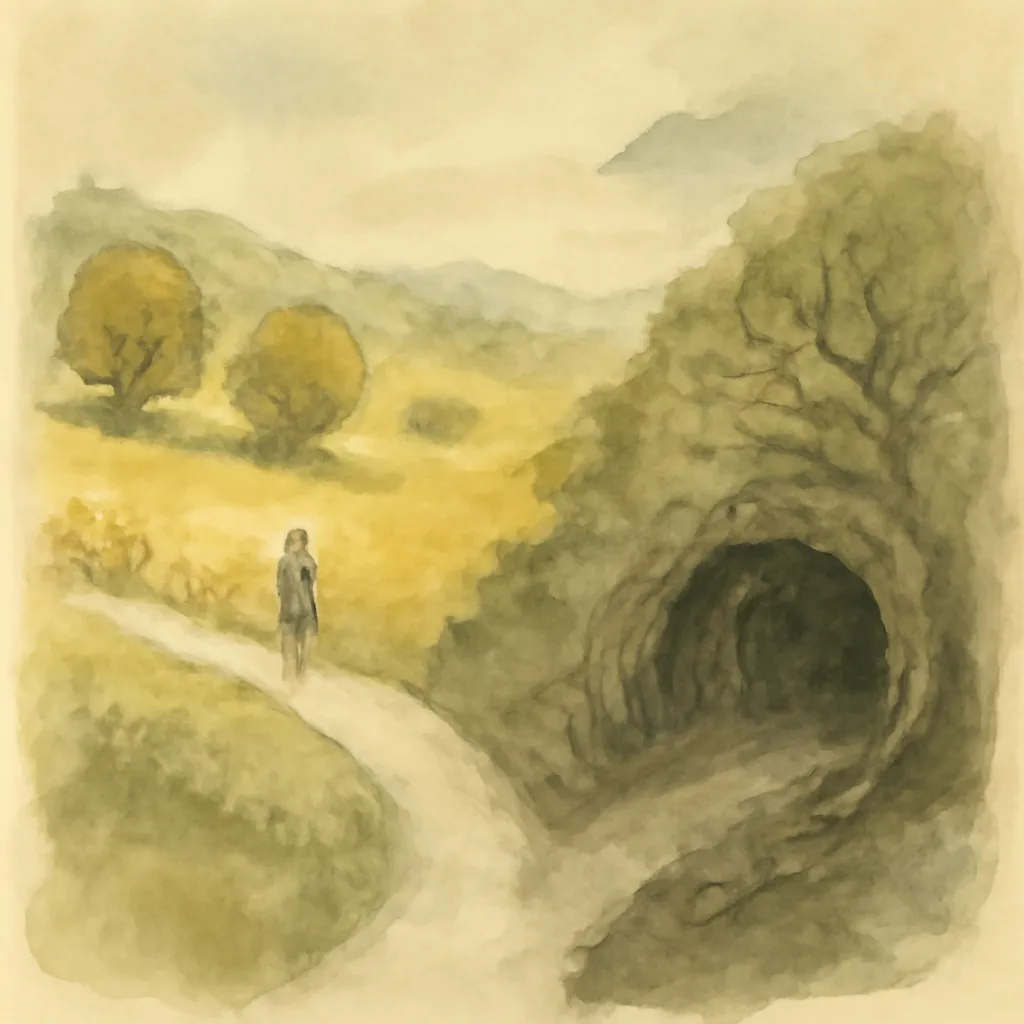
Upon arriving in the distant future, the Time Traveller encounters the Eloi, a seemingly idyllic race that embodies the apparent triumph of humanity's aspirations. They are delicate, beautiful beings living in a lush, tranquil environment, representing a vision of what a utopian society might look like. However, beneath their serene exterior lies an unsettling truth: the Eloi are intellectually and physically diminished, living a life of ease devoid of challenges or adversity. They are the product of a long evolution that has favored comfort over resilience, illustrating the dangers of complacency and the loss of intellectual vigor. Wells uses the Eloi to provoke thought about the consequences of a society that prioritizes security and leisure over knowledge and ambition. This paradoxical existence serves as a cautionary tale about the fragility of human progress when faced with the absence of struggle.
5.The Morlocks: The Underbelly of Progress
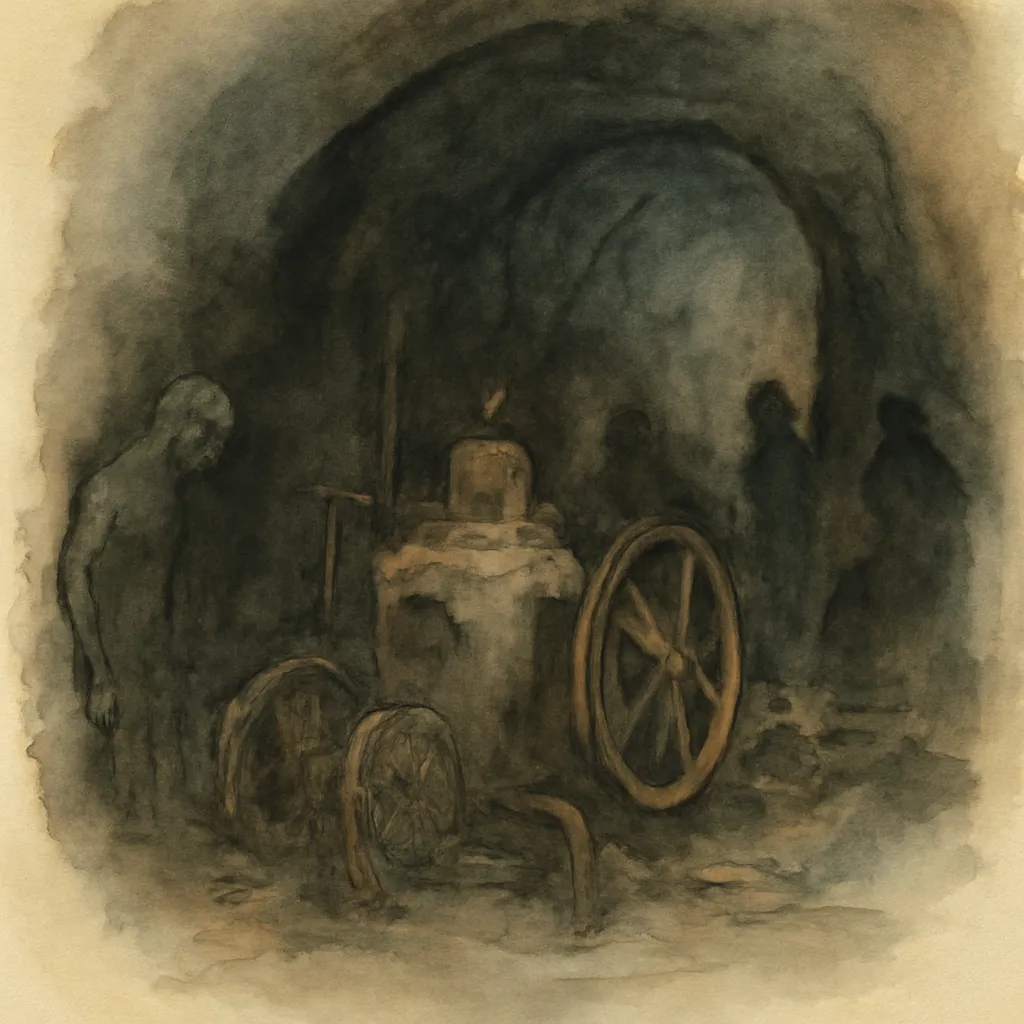
In stark contrast to the Eloi, the Morlocks represent the darker side of humanity's evolution. These subterranean creatures are the remnants of the working class, now evolved into a predatory, nocturnal species that thrives in the darkness. Their existence raises profound questions about class structure and the consequences of societal neglect. The Morlocks embody the fears of a society that has abandoned its roots, illustrating how the privileged can become disconnected from the labor that sustains them. Wells critiques the capitalist system that allows for such disparity, suggesting that the Morlocks are a reflection of the exploitation inherent in social hierarchies. Their chilling nature serves as a reminder of the potential consequences of ignoring the needs of the underprivileged, warning that a society that overlooks its foundational elements may ultimately face its own demise.
6.The Ruins of Civilization: A Reflection on Humanity’s Legacy
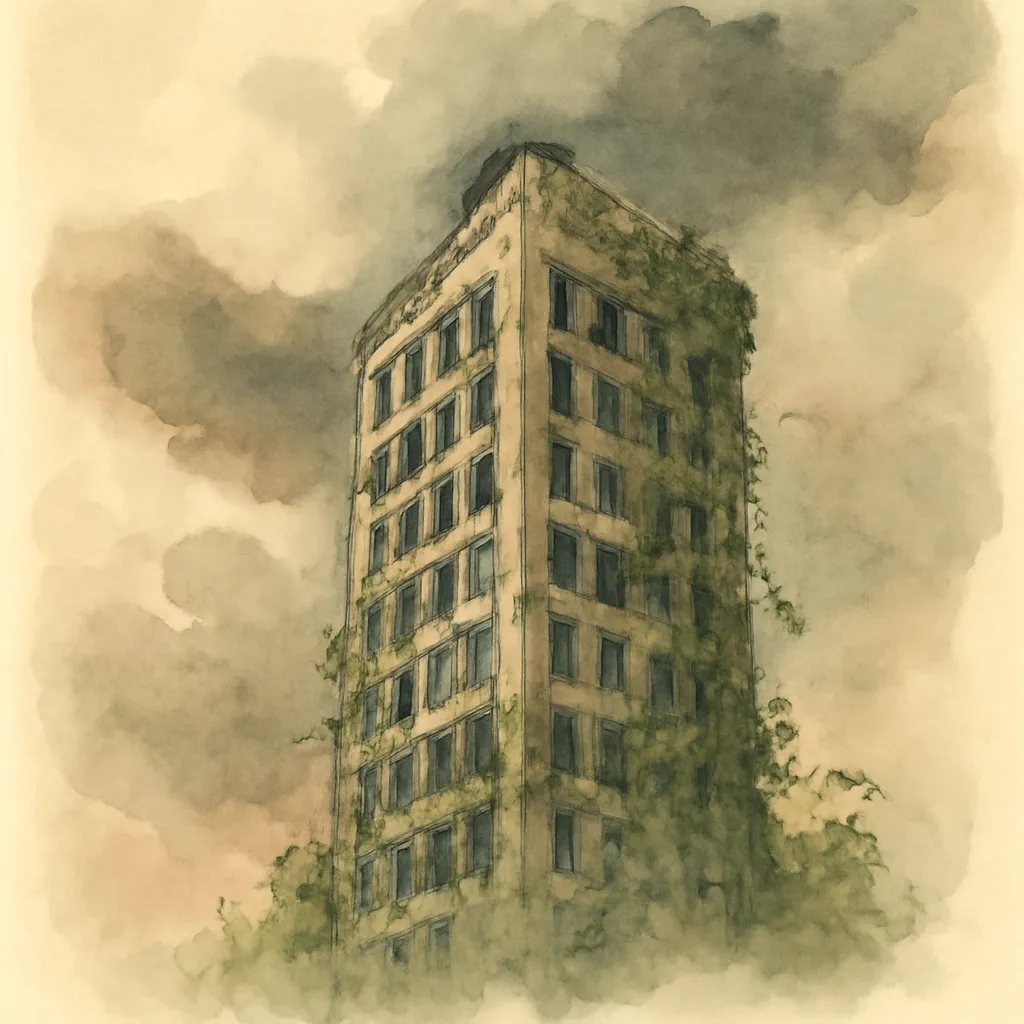
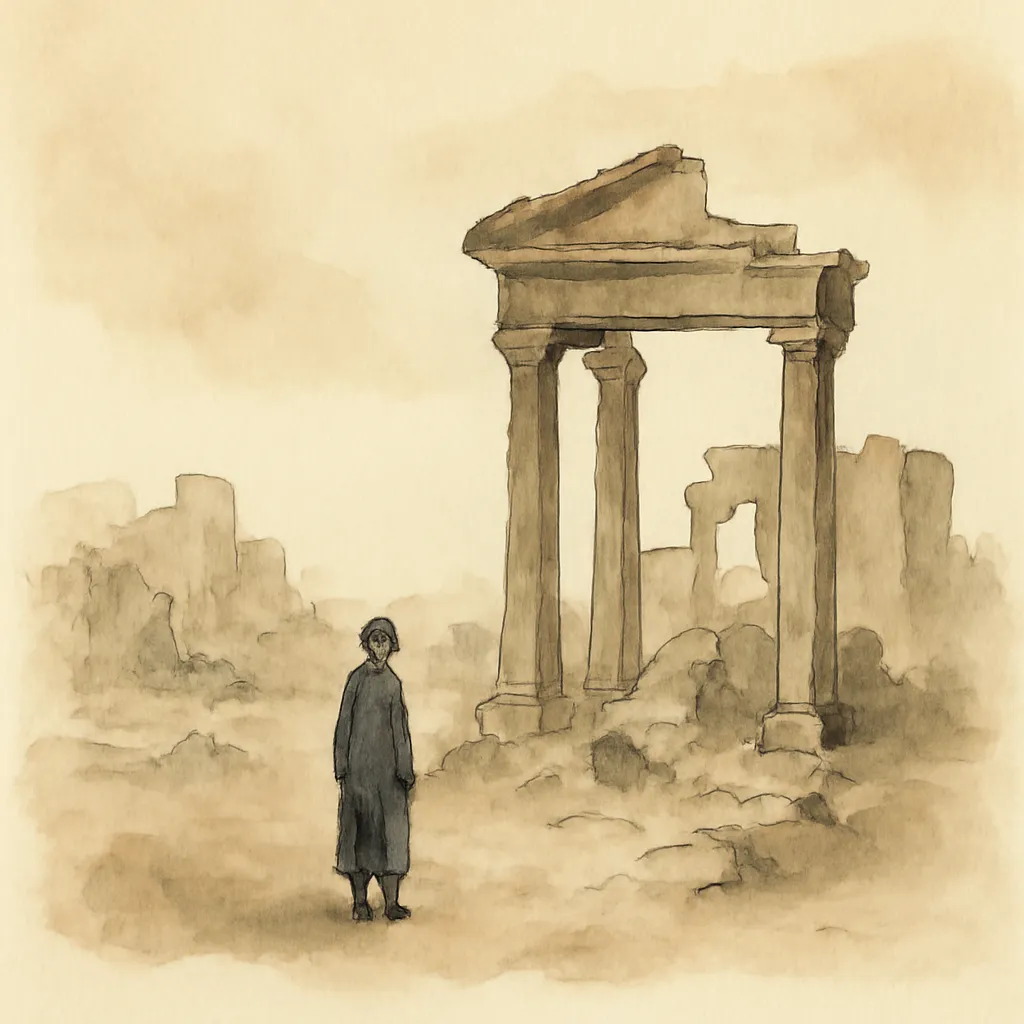
As the Time Traveller explores the remnants of a once-thriving civilization, he encounters the ruins of human achievement, now overgrown and decaying. This landscape serves as a poignant reminder of the impermanence of human endeavors and the inevitable decline that follows periods of prosperity. Wells vividly describes the remnants of grand structures, now mere shadows of their former glory, prompting readers to reflect on the fragility of civilization. The juxtaposition of beauty and decay highlights the transient nature of human accomplishments, suggesting that no matter how advanced a society may become, it is ultimately subject to the ravages of time. This theme resonates with contemporary concerns about environmental degradation and the sustainability of modern life, urging readers to consider the legacy they wish to leave behind.
7.The Nature of Fear: Darkness and the Unknown
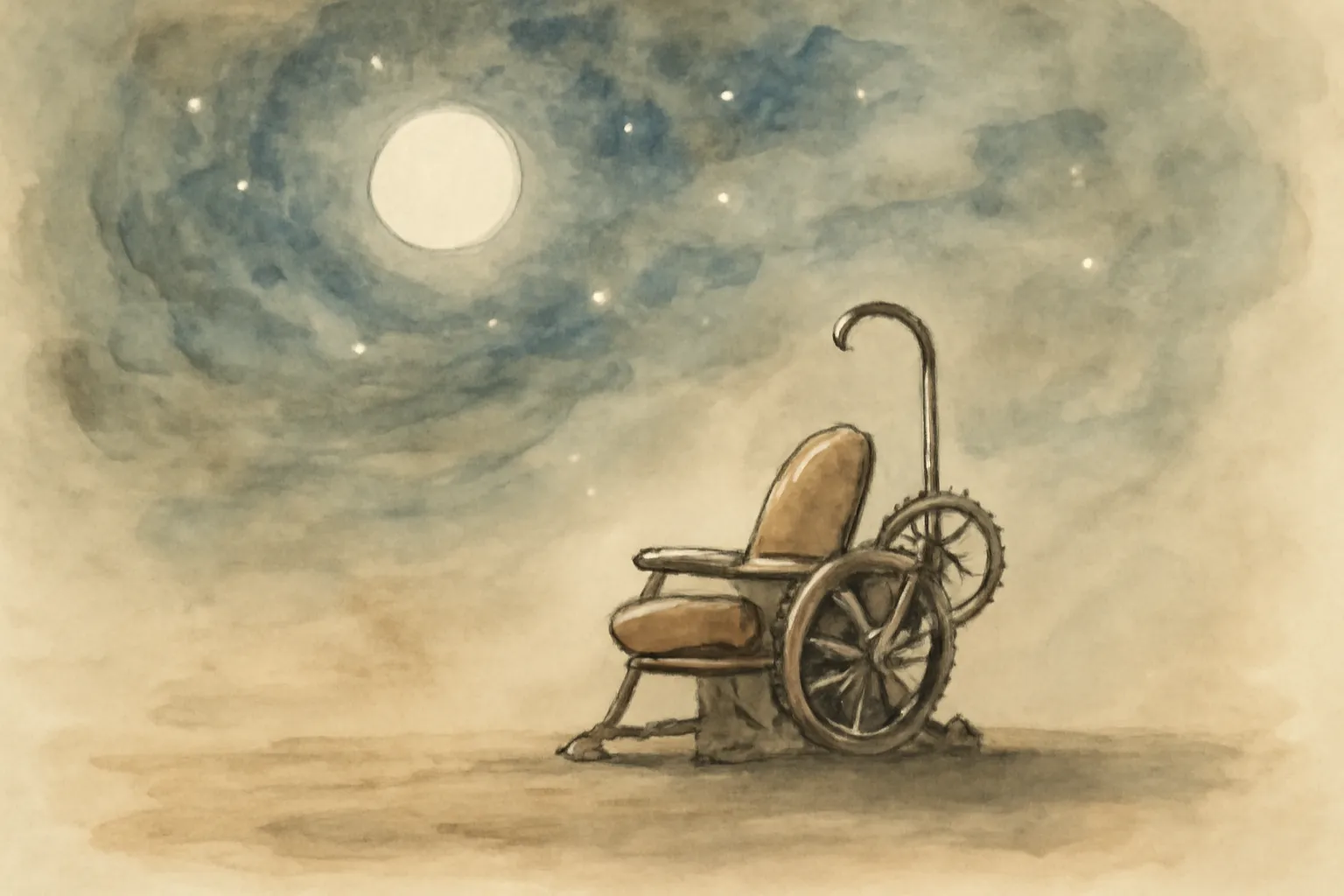
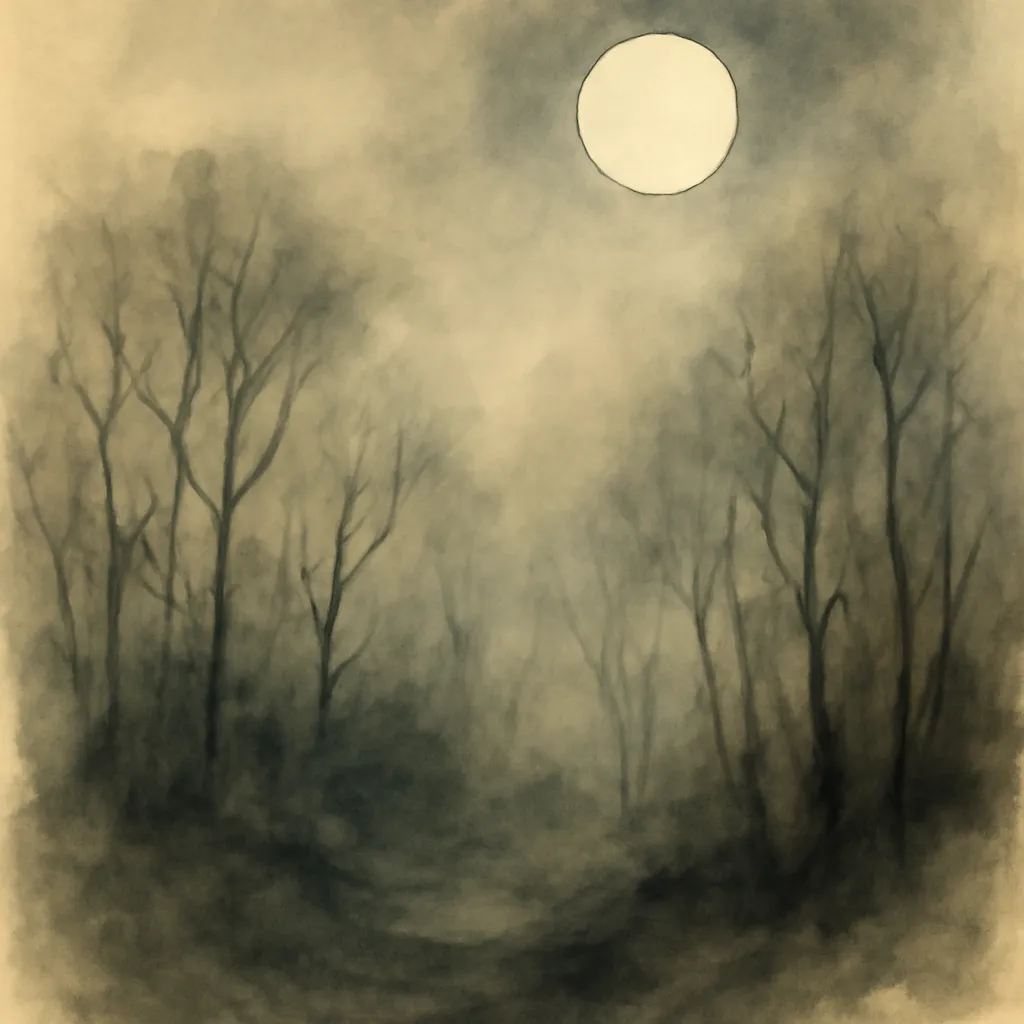
Throughout the narrative, the concept of fear plays a central role, particularly in relation to the darkness that envelops the world at night. The Time Traveller’s dread of the Morlocks and the lurking dangers of the dark reflect a primal fear of the unknown. As the moon wanes, the sense of impending danger intensifies, symbolizing the struggle between light and dark, knowledge and ignorance. Wells uses this motif to explore the psychological aspects of fear, showing how it can paralyze individuals and communities. The Morlocks, thriving in darkness, represent the fears that humans often suppress, suggesting that confronting our deepest anxieties is essential for progress. This theme resonates with contemporary discussions about mental health and the importance of addressing fears to foster resilience and growth.
8.The Cycle of Evolution: Progress and Regression
Wells presents a compelling argument about the cyclical nature of evolution, showcasing how progress can lead to regression if societal values shift. The Time Traveller observes that the Eloi and Morlocks are two branches of humanity that have evolved in response to their environments, yet they also epitomize a decline in intellectual and physical prowess. This duality prompts a reflection on the nature of progress: is it linear, or does it spiral back upon itself? The narrative suggests that without challenges, societies may stagnate and ultimately regress. Wells warns that complacency is a dangerous state, as it can lead to the erosion of the very qualities that define humanity. This exploration of evolution and its implications invites readers to consider the importance of adaptability and the need for continuous growth in an ever-changing world.
9.The Role of Technology: A Double-Edged Sword
The Time Machine serves as a powerful metaphor for technology's dual nature: it can be a tool for progress or a harbinger of destruction. The Time Traveller’s invention embodies the hope of exploring new realms of knowledge, yet it also unveils the darker aspects of human existence. Wells critiques the overreliance on technology, suggesting that while it can enhance life, it can also lead to unforeseen consequences. The Eloi's dependence on machines for their survival highlights the dangers of losing essential skills and knowledge. As society becomes increasingly reliant on technology, Wells prompts readers to consider the balance between innovation and self-sufficiency. This theme remains relevant today, as we navigate the complexities of technological advancement and its impact on our lives.
10.The Search for Meaning: Humanity’s Quest
Ultimately, 'The Time Machine' is a profound exploration of humanity's quest for meaning and purpose. The Time Traveller's journey through time reveals the complexities of existence, prompting him to confront the consequences of human choices. As he grapples with the realities of the future, he reflects on the values and aspirations that define humanity. Wells encourages readers to consider what it means to be human in a world that is constantly evolving. The search for meaning is a universal theme that resonates across time, urging individuals to seek understanding and connection in their lives. This exploration of purpose invites readers to reflect on their own journeys and the legacies they wish to create.