1.The Mischief of Youth
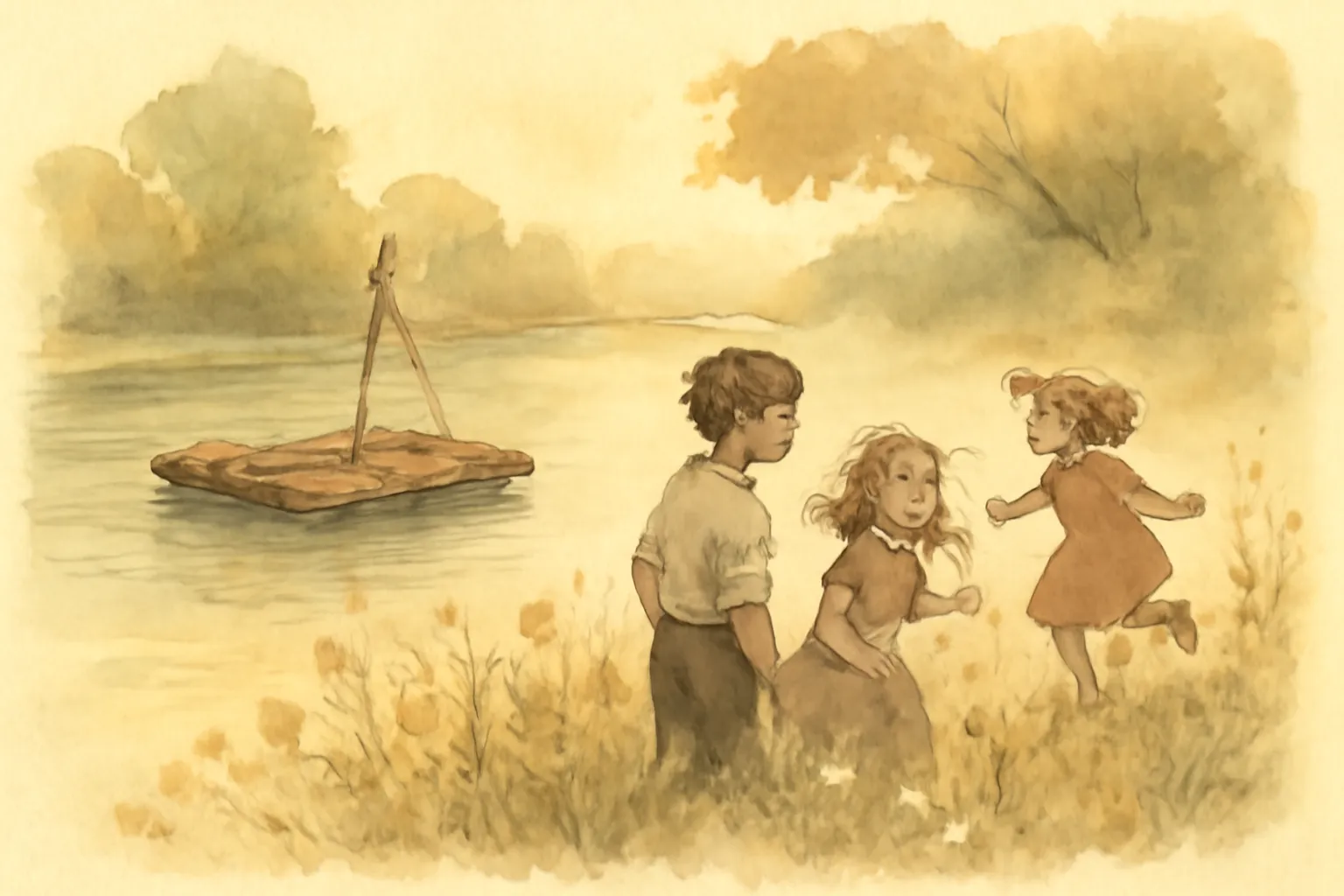
Tom Sawyer's character is defined by his love for mischief and adventure. The novel opens with Aunt Polly's frustrated calls for Tom, setting the tone for his playful defiance. Tom's antics, like sneaking away to play instead of completing chores, highlight the carefree spirit of childhood. This mischief is not just for amusement; it's a form of rebellion against adult authority and societal norms. For instance, Tom cleverly persuades his friends to whitewash the fence for him, transforming a dreaded chore into a desirable activity through manipulation and charm. This episode encapsulates the essence of childhood ingenuity, where play and responsibility intersect in unexpected ways.
2.The Burden of School
School is depicted as a source of misery for Tom, contrasting sharply with his adventurous spirit. On Monday mornings, he grapples with feelings of dread as he faces the return to the confines of the classroom. Twain humorously portrays Tom's attempts to feign illness to escape school, highlighting the universal struggle against authority and the desire for freedom. Tom's interactions with his peers, including his rivalries and friendships, further illustrate the social dynamics of childhood. The pressure to succeed academically, coupled with the fear of punishment, paints a vivid picture of the burdens that often accompany the pursuit of knowledge. This theme resonates with anyone who has experienced the tension between the joys of learning and the constraints of formal education.
3.Friendship and Loyalty
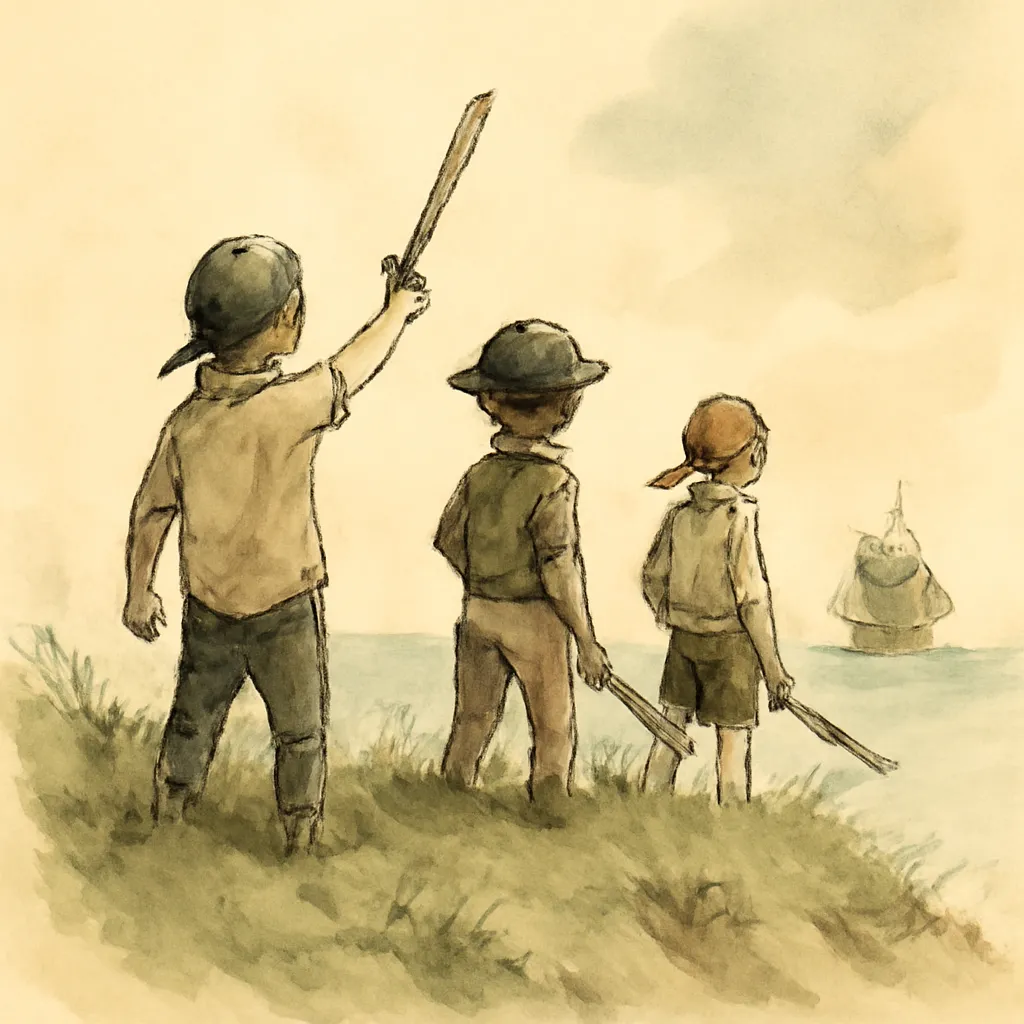
Tom's relationships with his friends, particularly Huck Finn and Joe Harper, underscore the importance of camaraderie in childhood. Their adventures together, from treasure hunting to playing pirates, create a bond that is both joyous and profound. Huck, as the embodiment of freedom and anti-establishment values, serves as a foil to Tom's more socially compliant nature. Together, they explore the boundaries of friendship, loyalty, and the impact of societal expectations. For example, their decision to fake their own deaths and attend their funerals reflects a deep desire for validation and recognition from their community. This act of rebellion not only cements their friendship but also allows them to experience the thrill of adventure in a way that challenges societal norms.
4.The Complexity of Love
Tom's infatuation with Becky Thatcher introduces the complexities of young love and attraction. His initial bravado gives way to insecurity and jealousy, particularly when Becky seems to favor another boy. Twain captures the emotional turmoil of adolescence, where feelings can swing from exuberance to despair in an instant. Tom's attempts to win Becky's affection, including his public display of jealousy, reveal the often irrational nature of young love. As their relationship unfolds, readers witness the innocence and confusion that accompany first crushes, highlighting the emotional landscape of childhood. This exploration of love serves as a reminder that even the simplest interactions can carry deep emotional weight.
5.Moral Dilemmas and Conscience
As the story progresses, Tom faces moral dilemmas that challenge his sense of right and wrong. The pivotal moment occurs when he witnesses Injun Joe commit a murder but initially chooses to remain silent out of fear. This internal conflict illustrates the struggle between self-preservation and moral integrity. Twain effectively conveys the weight of conscience through Tom's character, portraying the tension between societal expectations and personal ethics. Tom's eventual decision to testify against Muff Potter, despite the risks, represents a significant turning point in his moral development. This theme resonates with readers, prompting reflection on the complexities of morality and the courage it takes to stand up for what is right.
6.The Quest for Identity
Throughout the novel, Tom Sawyer grapples with his identity in the context of societal expectations. He oscillates between the carefree spirit of childhood and the responsibilities that come with growing up. Tom's adventures, whether they involve piracy, treasure hunts, or courtroom drama, serve as a backdrop for his search for self. His interactions with authority figures, particularly Aunt Polly and the schoolmaster, further complicate this quest, as he navigates the pressures to conform. Twain's portrayal of Tom's internal struggles highlights the universal journey of self-discovery that all children face. The tension between individuality and conformity is a central theme that resonates across generations.
7.The Role of Society
The novel presents a critical view of society and its expectations, particularly through the lens of childhood. Tom and Huck's adventures often serve as a rebellion against the constraints of their small-town life. The hypocrisy and moral rigidity of the adult world are evident in the way characters like Injun Joe and Muff Potter are treated, highlighting the flaws in societal judgment. Twain uses satire to critique the superficiality of social norms, exposing the often arbitrary nature of morality. This commentary invites readers to question the values and beliefs that govern their own lives, urging a deeper understanding of justice, fairness, and human dignity. The societal backdrop against which Tom's adventures unfold serves as a powerful reminder of the complexities of human behavior.
8.Adventure as a Form of Escape
For Tom, adventure is not just a source of excitement; it represents a form of escape from the constraints of his daily life. Whether he is playing pirates, exploring caves, or seeking buried treasure, these escapades allow him to transcend the limitations imposed by society. Twain captures the essence of childhood imagination, where the mundane transforms into the extraordinary through the lens of adventure. Tom's escapades often reflect a longing for freedom and autonomy, underscoring the importance of play in the lives of children. This theme resonates with readers, reminding them of the joy and creativity that accompany the spirit of adventure. The narrative emphasizes that these moments of play are essential for personal growth and self-expression.
9.The Impact of Guilt
Tom's guilt over his role in Muff Potter's trial adds a layer of complexity to his character. As he struggles with the consequences of his silence, the emotional weight of his conscience becomes increasingly burdensome. Twain adeptly portrays the psychological effects of guilt, illustrating how it can shape behavior and influence decision-making. Tom's fear of Injun Joe serves as a constant reminder of the stakes involved, heightening his sense of anxiety and apprehension. This exploration of guilt resonates with readers, prompting reflection on the moral implications of their own actions. The narrative ultimately suggests that confronting one's conscience is a crucial step in the journey toward personal growth and integrity.
10.The Resolution of Conflict
The climax of the novel centers around the resolution of the conflicts that have been building throughout Tom's adventures. When Injun Joe's fate is sealed, Tom's internal struggles come to a head, culminating in a moment of catharsis. Twain's portrayal of justice, as well as the consequences of actions taken throughout the story, underscores the importance of accountability. Tom's journey from innocence to experience is encapsulated in this resolution, as he learns valuable lessons about bravery, loyalty, and the complexities of human nature. The narrative concludes with a sense of hope and possibility, suggesting that while childhood may be fraught with challenges, it is also a time of growth and discovery. This resolution serves as a powerful reminder of the resilience of the human spirit and the potential for redemption.