1.The Power and Limits of Collaboration
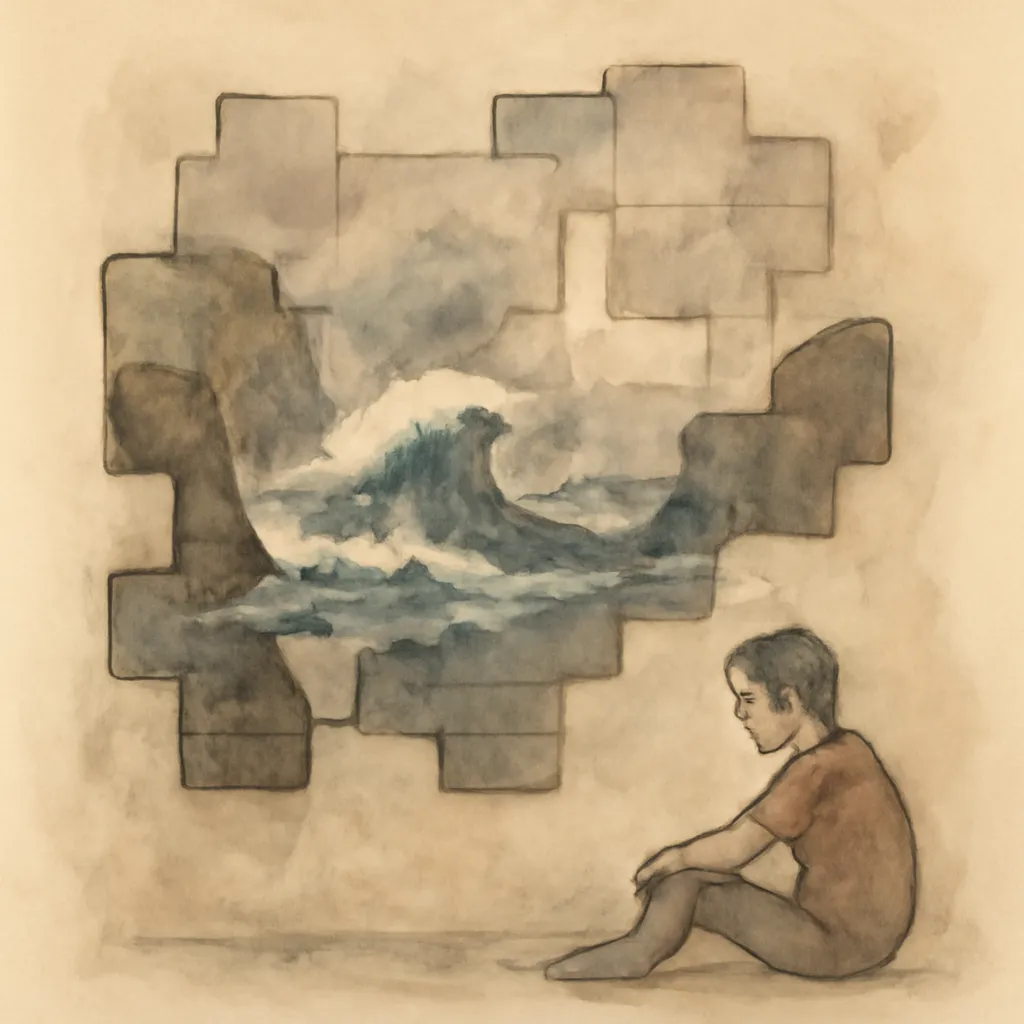
At its heart, the novel is about the creative partnership between Sam and Sadie, whose shared passion for video games becomes both a source of joy and a battleground. Zevin explores how collaboration can be exhilarating, generative, and deeply intimate, but also fraught with miscommunication, ego, and unspoken wounds. The book asks: Can two people ever truly share a vision, or are all creative acts ultimately solitary? Their partnership is both a refuge and a crucible, showing how the act of making something together can bind people—and sometimes break them.
2.Games as Art, Escape, and Mirror
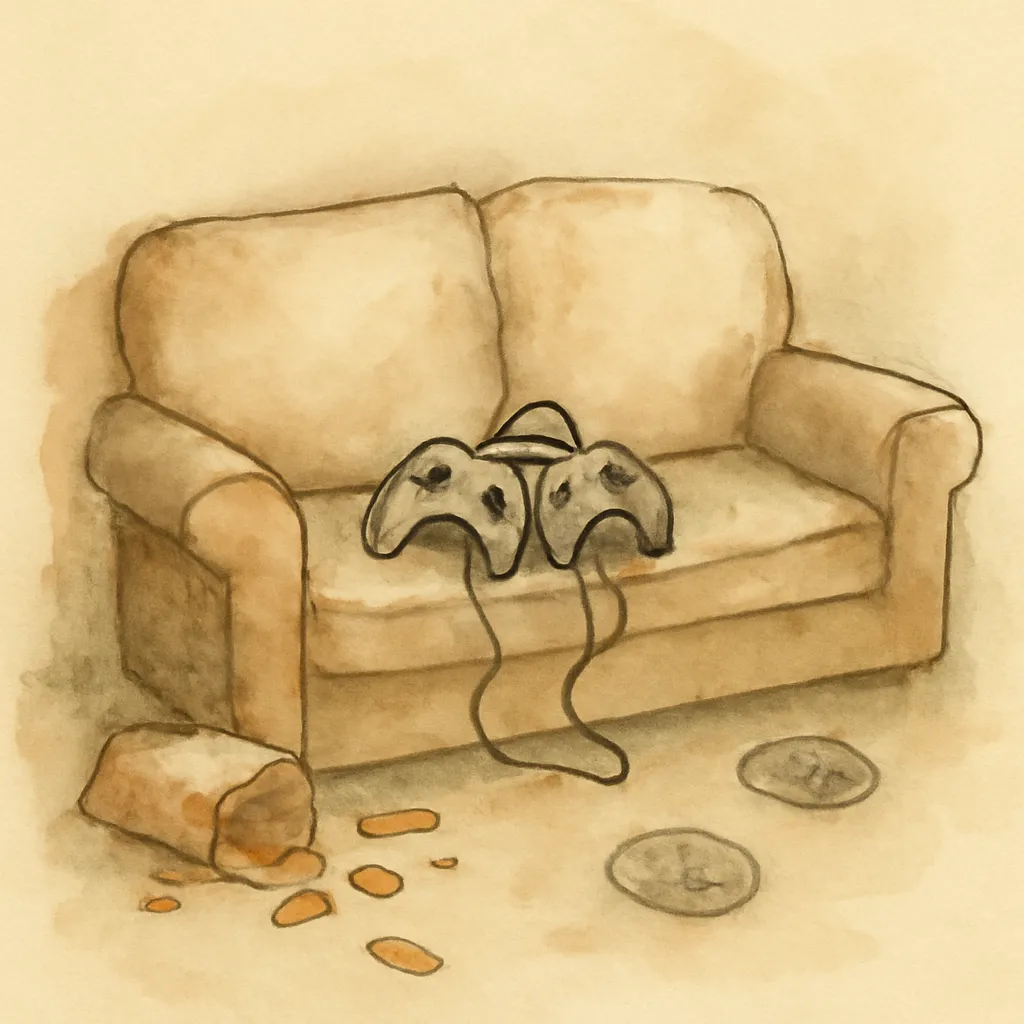
Zevin treats video games not just as entertainment but as complex art forms that reflect and shape their creators’ inner lives. The games Sam and Sadie build are extensions of their hopes, traumas, and desires. The novel argues that play is not frivolous but essential, offering both escape from pain and a way to process it. Through the characters’ evolving relationship to their creations, Zevin suggests that the worlds we build—digital or otherwise—reveal as much about us as any novel or painting.
3.Friendship Beyond Romance
One of the book’s most radical choices is its insistence that love stories need not be romantic. Sam and Sadie’s relationship is intensely loving, but not sexual. Zevin explores the depths, ambiguities, and heartbreaks of platonic intimacy, challenging the idea that romantic love is the only—or even the highest—form of connection. The novel is a testament to the power and complexity of friendship, especially between men and women.
4.Identity, Disability, and Belonging
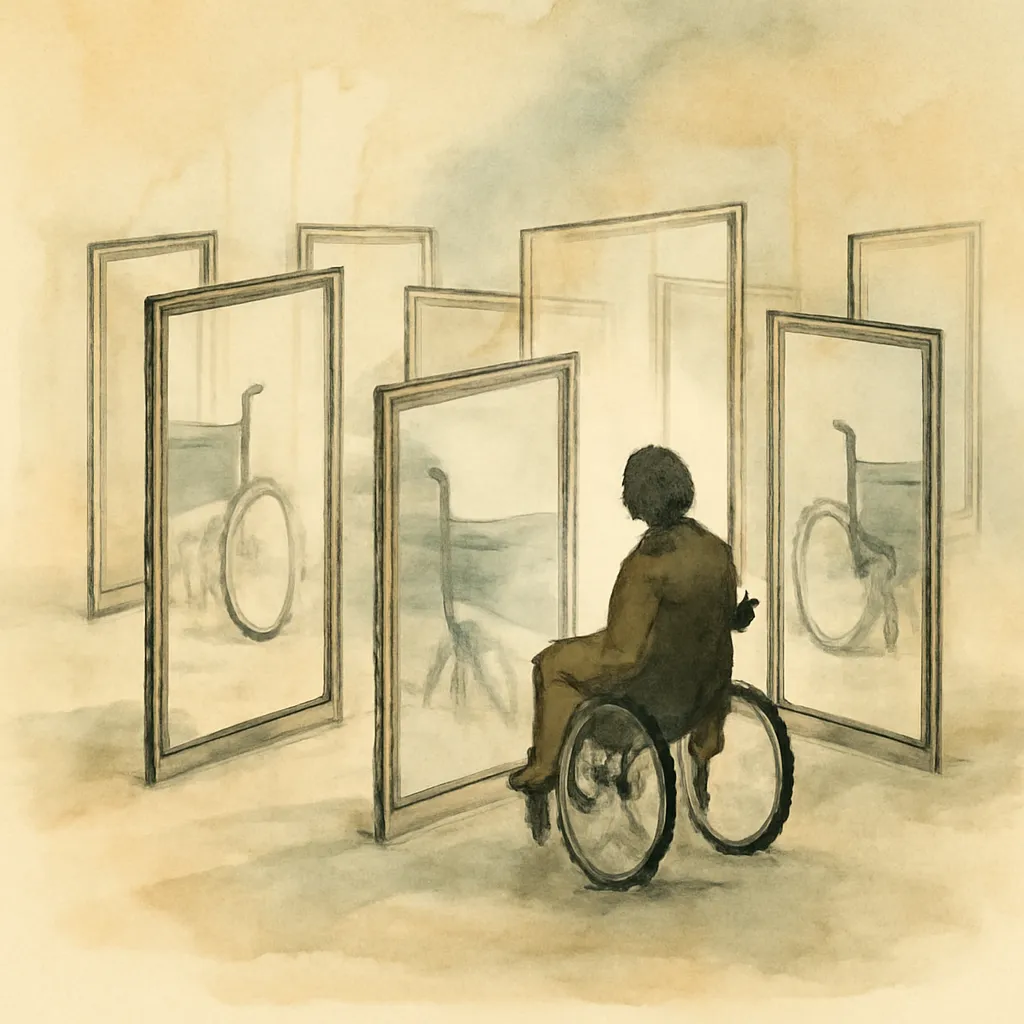
Sam’s physical disability is woven into the narrative not as a defining trait, but as one of many elements shaping his experience. Zevin is attentive to how disability, ethnicity, and outsider status inform her characters’ sense of self and their relationships. The book is sensitive to the ways in which marginalization can both isolate and motivate, and how the longing to belong—to a community, to a creative project, to another person—drives much of human behavior.
5.The Cost of Success and Ambition
The meteoric rise of Sam and Sadie’s careers brings not just fame and fortune but also new pressures, betrayals, and losses. Zevin is unsparing about the toll that ambition can take on relationships and mental health. The novel interrogates the myth of the creative genius and the price of making something meaningful in a competitive world. It asks readers to consider: What is sacrificed in the pursuit of greatness, and is it worth it?
6.The Redemptive Possibility of Play
Throughout the novel, play is depicted as redemptive—a way to process grief, repair relationships, and imagine new futures. Even as the characters face setbacks and heartbreak, the act of creating and playing games offers moments of transcendence and healing. Zevin suggests that, like life, games offer endless chances to try again: tomorrow, and tomorrow, and tomorrow.