1.The Unlikely Partnership
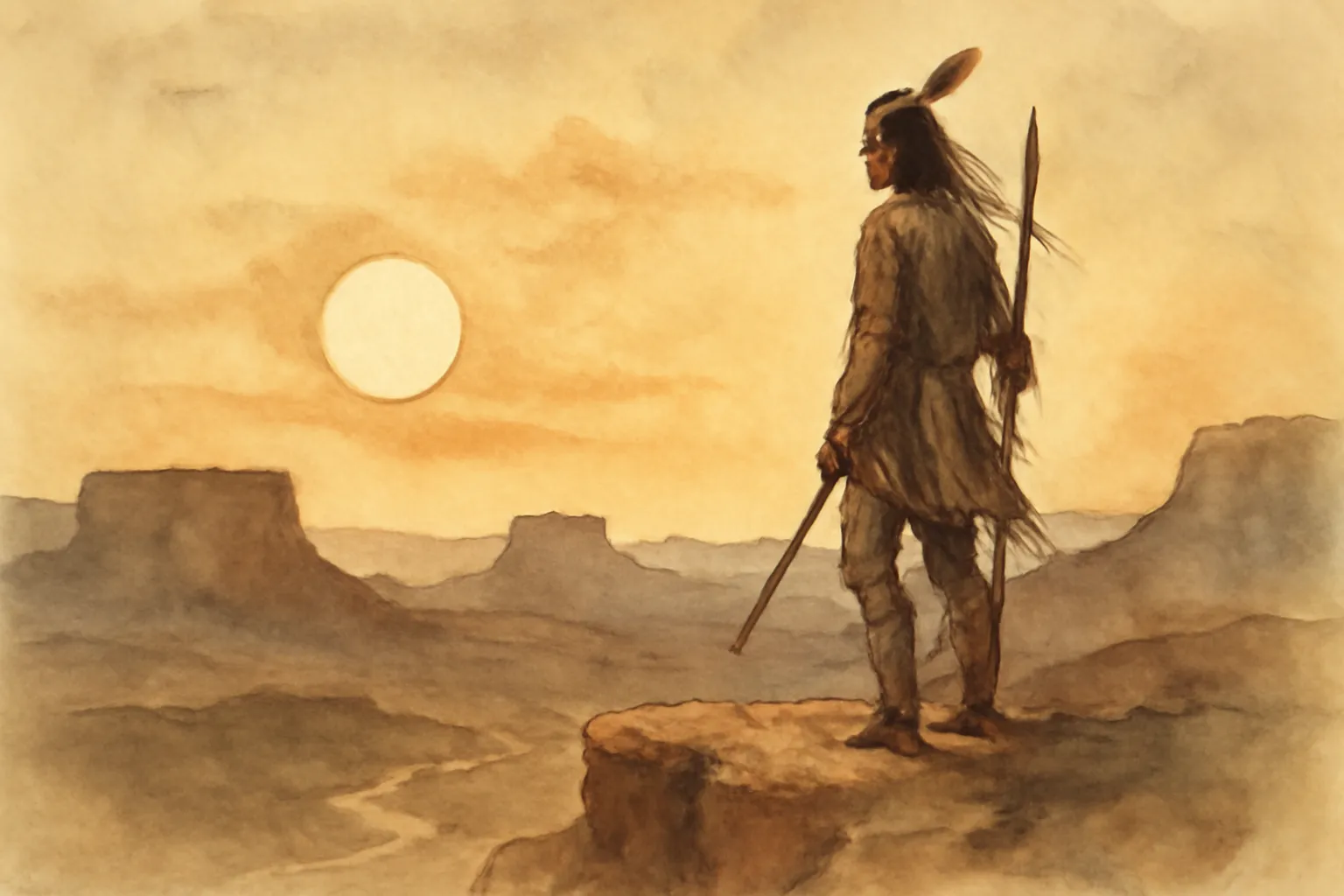
'Tonio and Lieutenant Harris form an unusual duo, representing the intersection of two vastly different cultures. Harris, a young officer with a solid record in the cavalry, relies on 'Tonio's intimate knowledge of the terrain and the Apache way of life to navigate the complexities of the war. Their partnership is marked by mutual respect, despite the cultural chasm between them. 'Tonio's experience as an Apache scout allows them to locate hostile rancherias and track marauding parties effectively. This unique collaboration showcases the potential for cooperation between soldiers and Native Americans, challenging the prevailing notions of animosity and distrust. The bond they share becomes a testament to the power of understanding and respect in a time of conflict, illuminating the human capacity for connection across cultural divides.
2.Life at Camp Almy
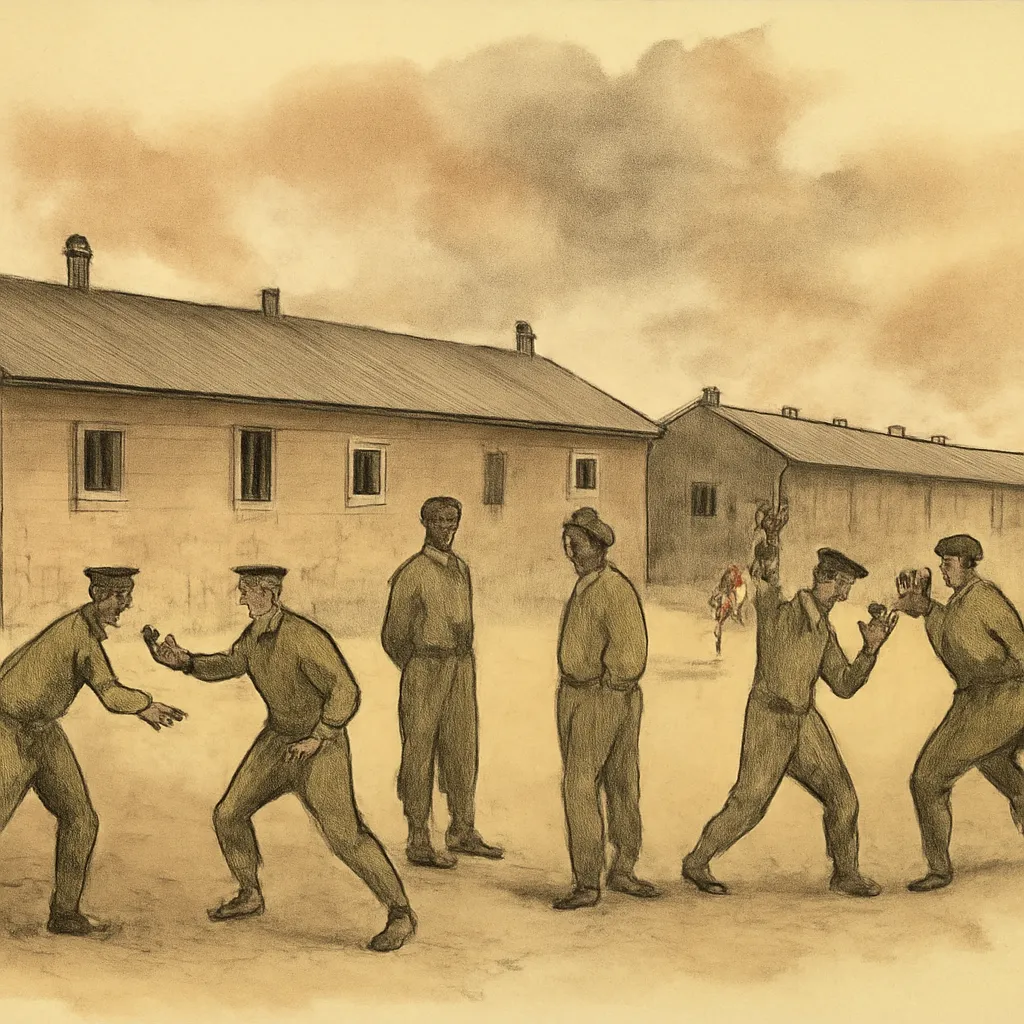
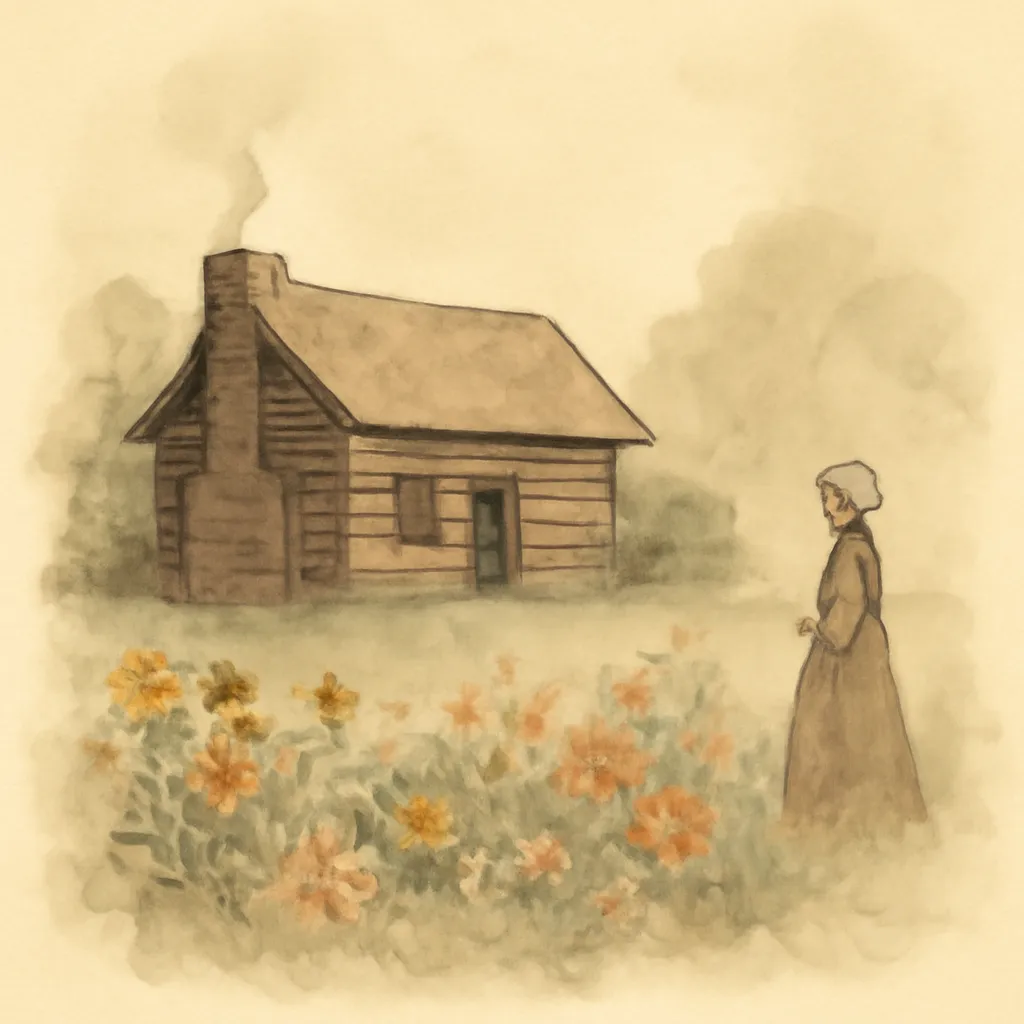
Camp Almy serves as a microcosm of military life in the late 19th century, illustrating the daily routines and challenges faced by soldiers stationed on the frontier. The barracks are filled with a mix of camaraderie and competition, as officers and enlisted men navigate their roles in a male-dominated environment. The social dynamics within the camp are influenced by factors such as rank, personal ambition, and the looming threat of Apache raids. The camaraderie among the officers is evident during dinner gatherings, where stories are exchanged, and bonds are forged. However, the tension between duty and personal desires adds complexity to their relationships. This setting encapsulates the essence of life in the military, marked by moments of levity amidst the ever-present danger, and highlights the psychological toll that constant vigilance takes on the men stationed there.
3.The Tension of Duty and Morality
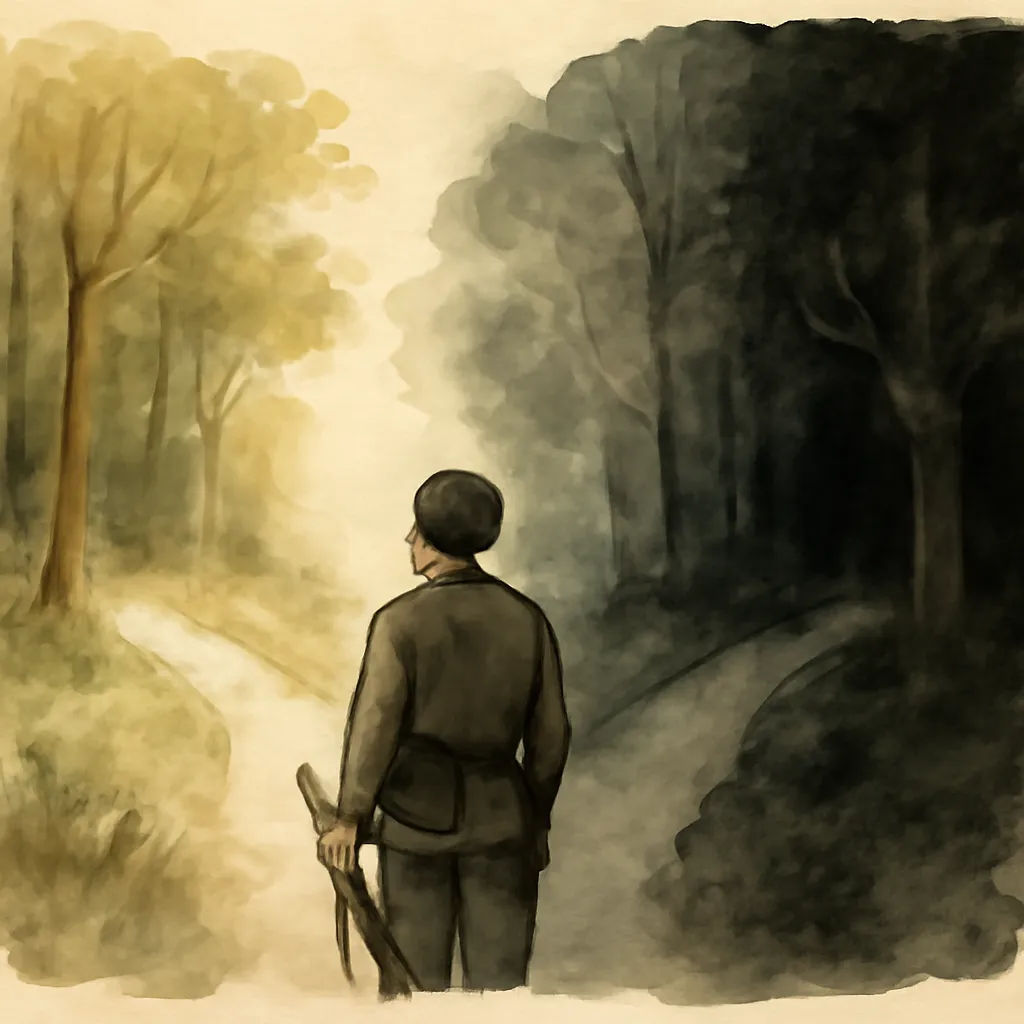
Throughout the book, characters grapple with the tension between their military duties and their personal morals. Harris, in particular, embodies this conflict as he navigates his responsibilities as an officer while trying to maintain his integrity. When faced with the potential betrayal of 'Tonio, Harris refuses to accept the idea that his Apache companion could turn against him. This unwavering belief in 'Tonio's loyalty reflects Harris's internal struggle to reconcile the harsh realities of war with his desire for justice and camaraderie. The text raises profound questions about loyalty, betrayal, and the moral complexities of warfare, prompting readers to reflect on the choices made by individuals in extreme circumstances. As the narrative unfolds, the characters are forced to confront their beliefs about honor, loyalty, and the cost of survival in a world where the lines between right and wrong are often blurred.
4.Apache Identity and Agency
The portrayal of 'Tonio allows for a nuanced exploration of Apache identity and agency within the context of the war. Rather than being depicted solely as a savage or a villain, 'Tonio is presented as a complex character with his motivations, fears, and dreams. His deep-rooted connection to the land and his people informs his actions and decisions throughout the narrative. 'Tonio's struggles highlight the impact of colonialism and the fight for autonomy faced by Native Americans during this period. The book challenges stereotypes and invites readers to engage with the Apache experience on a deeper level, fostering empathy and understanding. By presenting 'Tonio as a loyal ally and skilled scout, the narrative emphasizes the importance of recognizing the humanity of individuals often marginalized in historical accounts, encouraging a more inclusive understanding of the past.
5.The Role of Women in Frontier Life
While 'Tonio and Harris are at the forefront of the action, the book also subtly acknowledges the role of women in the frontier setting. Although their presence is often overshadowed by the male characters, the women in the narrative provide essential support and stability to the soldiers. The social gatherings and domestic scenes at Camp Almy reflect the contributions of women, who navigate the challenges of life on the frontier with resilience. Characters like Mrs. Stannard and Mrs. Archer represent the emotional backbone of the military community, offering solace and care to their husbands and fellow soldiers. Their perspectives serve as a reminder of the sacrifices made by women during this tumultuous period, emphasizing that their experiences and struggles are equally significant in understanding the broader narrative of the American West.
6.The Consequences of Betrayal
Betrayal looms large in the story, particularly concerning 'Tonio's perceived treachery. The tension surrounding his loyalty becomes a focal point for Harris, who battles against the growing doubts of his fellow officers. The fear that 'Tonio may have turned against them encapsulates the paranoia and mistrust that can fester in wartime environments. This betrayal, whether real or imagined, has dire consequences for all involved, leading to a series of events that alter the course of their lives. The narrative delves into the psychological impact of betrayal, illustrating how it can fracture relationships and sow discord among allies. It serves as a poignant reminder of the fragility of trust, especially in a world where survival often depends on unwavering loyalty. The fallout from these betrayals underscores the emotional stakes of the conflict, adding depth to the characters' motivations and actions.
7.The Nature of Conflict
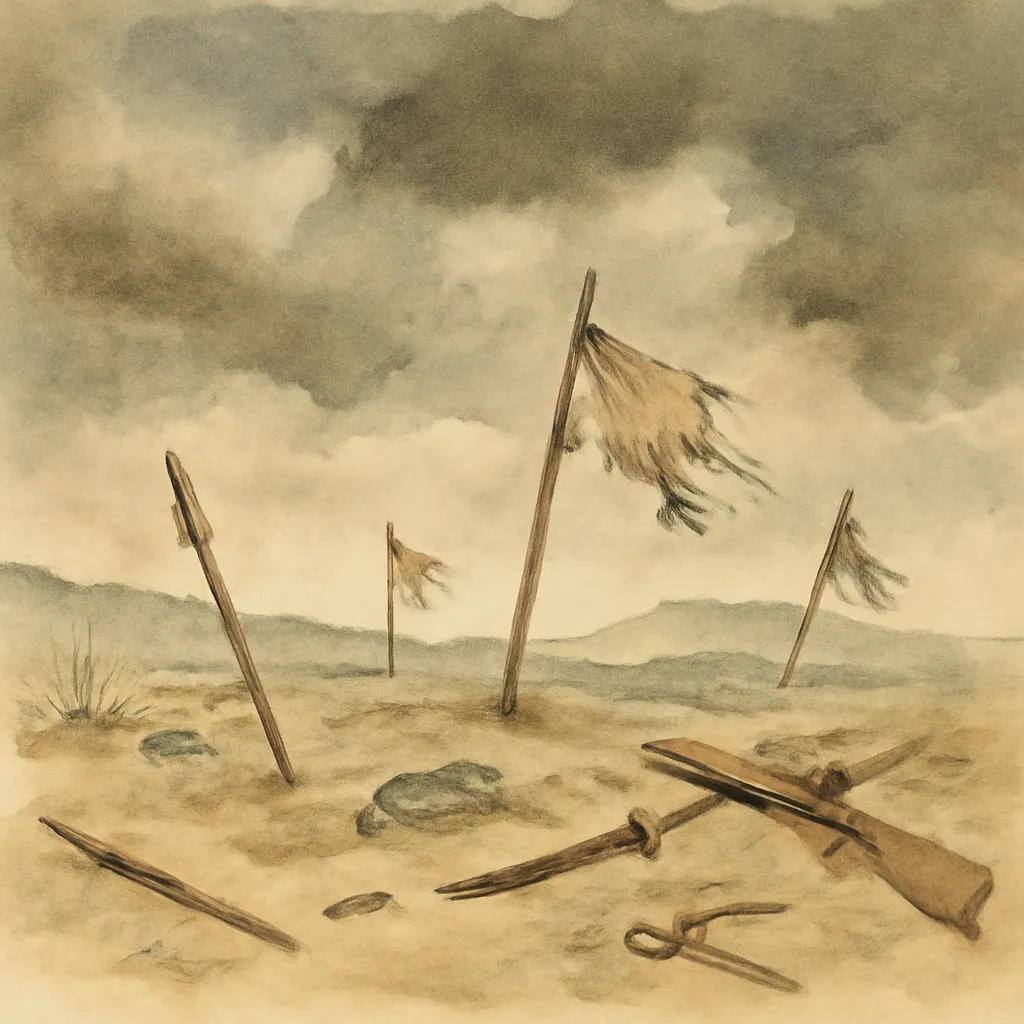
The book vividly depicts the brutal realities of the Apache War, illustrating the harsh conditions and moral ambiguities faced by both soldiers and Native Americans. The conflict is not merely a backdrop; it shapes the characters' identities and actions, forcing them to confront their beliefs about honor, duty, and survival. The narrative does not shy away from the violence and loss inherent in warfare, presenting the emotional toll it takes on individuals. The descriptions of skirmishes and encounters with the Apache reflect the chaos and unpredictability of frontier life, highlighting the thin line between civilization and savagery. This portrayal encourages readers to consider the broader implications of conflict, prompting reflections on the cost of war and the human capacity for resilience in the face of adversity. The book's exploration of conflict serves as a powerful commentary on the complexities of human nature and the societal forces that drive individuals to violence.
8.The Search for Identity
As the characters navigate the challenges of war, they are also on a quest for identity and purpose. Harris struggles to define his role as an officer and a leader, grappling with the expectations placed upon him by his peers and superiors. His relationship with 'Tonio serves as a catalyst for self-discovery, forcing him to confront his prejudices and assumptions about Native Americans. This journey toward understanding is mirrored in 'Tonio's own experiences, as he seeks to reconcile his Apache heritage with his role as a scout for the U. S. Army. The narrative highlights the complexities of identity formation in a time of conflict, illustrating how external pressures can shape personal beliefs and values. This exploration of identity resonates with readers, inviting them to reflect on their own journeys of self-discovery and the factors that influence their sense of self in a rapidly changing world.
9.Friendship Amidst Chaos
At its heart, the story is a testament to the power of friendship in the face of adversity. The bond between Harris and 'Tonio transcends cultural barriers, showcasing the potential for connection and understanding in a world rife with conflict. Their friendship is tested by external pressures, including the expectations of their respective communities and the ever-present threat of violence. Yet, it is this very bond that sustains them through the trials they face, providing a source of strength and resilience. The narrative emphasizes the importance of loyalty and trust in relationships, particularly in times of crisis. As they navigate the complexities of their friendship, readers are reminded of the transformative power of human connection, encouraging a sense of hope and solidarity amidst the chaos of war.
10.The Legacy of the Apache War
The Apache War serves as a backdrop for examining the broader implications of colonialism and the impact of U. S. expansion on Native American communities. The narrative highlights the struggles faced by the Apache people as they navigate the challenges of survival and resistance against encroaching settlers. The consequences of the war extend beyond the battlefield, shaping the cultural landscape of the American West for generations to come. The book invites readers to consider the lasting legacy of these conflicts, prompting reflections on the importance of understanding history from multiple perspectives. By shedding light on the experiences of both soldiers and Native Americans, the narrative contributes to a more nuanced understanding of the complexities of American history, emphasizing the need for empathy and recognition of the diverse voices that have shaped the nation's past.