1.The Complexity of Domestic Life
Torchy Ballard's life with Vee is a constant dance between affection and frustration, capturing the essence of married life. Their interactions reveal the balance necessary for a harmonious relationship, filled with love yet clouded by misunderstandings. For instance, Torchy’s initial excitement about returning home from his work trip quickly turns to concern as Vee brings up the tragedy of their neighbor, Marion Gray. This moment illustrates how domestic life can be both a refuge and a source of emotional complexity. Vee’s deep concern for Marion speaks to her empathetic nature, while Torchy’s attempts to seek light-heartedness in their reunion show his desire for a smoother domestic experience. This tension between personal aspirations and collective emotional responsibilities underscores much of their relationship, creating a dynamic that feels both realistic and relatable.
2.Workplace Dynamics
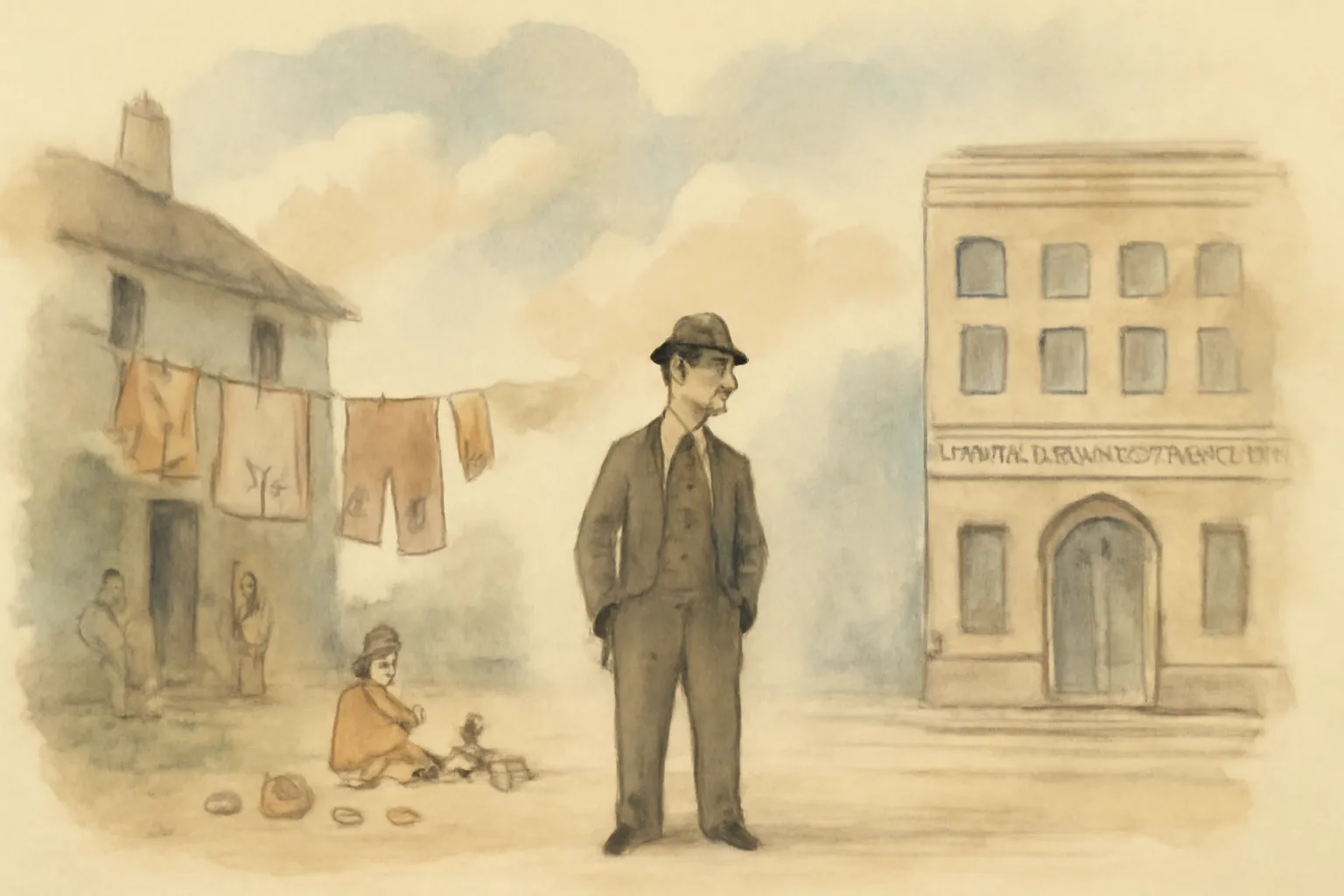
The Corrugated Trust serves as a microcosm of society, where Torchy encounters a variety of characters that represent different facets of human behavior. From the assertive Old Hickory Ellins to the overly cautious Mr. Piddie, the office dynamics provide insight into the often absurd nature of corporate life. For example, Torchy’s interactions with Major Wellby highlight the tension between military authority and civilian work culture, showcasing how individuals from different backgrounds can clash, leading to humorous yet revealing situations. Old Hickory, with his demanding nature, contrasts sharply with Torchy's more jovial and laid-back approach, creating a consistent source of tension and humor. Additionally, Torchy’s experiences with a new office typist reveal the challenges of adapting to change in a professional environment, illustrating the necessity of flexibility and resilience within workplace relationships.
3.Friendship and Loyalty
Friendships play a crucial role in Torchy’s life, serving as a support system amidst the chaos. His camaraderie with colleagues such as Ernie Sudders and Babe Cutler highlights the importance of loyalty and shared experiences. Ernie is depicted as the reliable, steady presence in the office, holding onto his job with the utmost seriousness, while Babe represents the carefree, adventurous spirit. Their contrasting personalities complement Torchy’s own, which makes for dynamic interactions filled with comedy and warmth. For instance, when Babe proposes a reckless yacht trip, it serves as a reminder of how friendships can encourage us to step outside our comfort zones, even if just for a moment. This theme resonates with readers who appreciate the value of loyalty in their own lives, especially in times of change, as it exemplifies how friendships can uplift individuals through shared laughter and shared dreams.
4.Romantic Entanglements
The story explores the intricacies of romance through Torchy's encounters with various women, most notably his interactions with Vee and the mysterious Lucy Lee. Their relationships are filled with both charm and complications, reflecting the unpredictable nature of love. For instance, Lucy’s arrival disrupts Torchy’s routine, leading to moments of both tension and humor as he navigates her affections. This exploration of romance serves as a reminder of the emotional rollercoaster that relationships can often be, illustrating how love can be both exhilarating and bewildering. The narrative skillfully balances comedic misunderstandings with tender moments, allowing readers to empathize with Torchy's struggles while also celebrating the joys of companionship. Through this lens, Ford underscores the importance of communication and understanding in romantic relationships, suggesting that missteps are often just stepping stones on the path to deeper connections.
5.Societal Expectations and Individual Identity

Throughout the narrative, characters grapple with societal expectations that shape their identities and relationships. Vee’s desire to fit into the social fabric of Harbor Hills often clashes with Torchy’s more laid-back approach to life. This tension is particularly evident in scenes where Vee expresses concern about their social standing, pushing Torchy to conform to societal norms that he finds unnecessary. For example, when Vee becomes preoccupied with how they are perceived by neighbors, Torchy’s resistance to such expectations illustrates the conflict between individual desires and societal pressure. Ford cleverly critiques these expectations, illustrating how they can lead to conflict within personal relationships and highlighting the importance of authenticity in a world that often values appearances over genuine connections. This dynamic encourages readers to reflect on their own experiences with societal expectations and the importance of remaining true to oneself.
6.The Humor in Everyday Life
Ford masterfully weaves humor throughout the narrative, using wit to address serious themes without losing the light-hearted tone. Torchy’s observations about his colleagues and the absurd situations they find themselves in provide comedic relief while also offering insightful commentary on human behavior. For instance, his description of the office manager Mr. Piddie’s anxieties about daily routines resonates with anyone who has felt trapped by the mundane aspects of work life. Torchy’s humorous take on these situations invites readers to laugh at the absurdity of life, reminding them that humor can be a powerful coping mechanism. This clever use of humor not only entertains but also encourages readers to find joy in their everyday experiences, suggesting that every moment has the potential for levity, even in challenging circumstances.
7.Navigating Change
The post-war setting of 'Torchy and Vee' reflects a society in transition, with characters adapting to new realities and challenges. Torchy’s experiences mirror the struggles of many who faced uncertainty after the war, highlighting themes of resilience and adaptability. For example, as he encounters unexpected changes at work and home, Torchy learns to navigate these shifts with humor and grace, embodying the spirit of a generation striving to find its footing in a rapidly changing world. His encounters range from dealing with new office policies to adapting to changes in his personal life, illustrating the necessity of flexibility. This theme of navigating change resonates deeply with readers, encouraging them to embrace life's unpredictability and find strength in adaptability, ultimately portraying change as a critical component of growth.
8.The Role of Women in Society
The portrayal of female characters in 'Torchy and Vee' provides insight into the evolving roles of women in early 20th-century America. Vee, Lucy, and other women in the story are depicted as complex individuals with their own desires and challenges, reflecting the broader societal shifts occurring at the time. For instance, Vee’s ambitions and social aspirations clash with Torchy’s more laid-back perspective, creating tension that drives much of the narrative. Lucy Lee’s character further exemplifies the changing landscape of womanhood, embodying a mix of independence and vulnerability that resonates with contemporary discussions on gender. Through these portrayals, Ford challenges traditional gender roles, suggesting that women are not merely defined by their relationships to men but are multi-dimensional characters in their own right. This exploration of women's roles serves as a commentary on the changing dynamics of gender and identity, making the story relevant to contemporary discussions about feminism and equality.
9.The Nature of Tragedy
The mention of Marion Gray’s tragic circumstances serves as a poignant reminder of life’s unpredictability and the fragility of happiness. Vee’s concern for Marion introduces a serious undertone to the narrative, contrasting with the otherwise humorous tone. This tragedy impacts the community, highlighting how personal struggles can reverberate through social circles. Torchy’s initial indifference evolves as he becomes more aware of the emotional weight of those around him, illustrating how tragedy can foster empathy and connection among individuals, even in a light-hearted context. The nuanced portrayal of Marion’s situation serves to remind readers that behind every smile, there may be hidden struggles, reinforcing the importance of compassion in our interactions with others. Ford's exploration of the nature of tragedy underscores the complexity of human emotion, suggesting that even within a comedic narrative, profound themes can emerge.
10.Finding Joy in the Ordinary
Ultimately, 'Torchy and Vee' celebrates the beauty of ordinary life, showcasing how joy can be found in the mundane. Torchy’s experiences, from his work at the Corrugated Trust to his domestic life with Vee, illustrate how everyday moments can be filled with meaning and laughter. Ford’s vivid descriptions of simple pleasures, such as family gatherings and friendly banter, remind readers to appreciate the small things that make life worthwhile. Through Torchy’s perspective, readers are encouraged to find joy in everyday interactions, suggesting that happiness is often found in the overlooked moments of life. This theme encourages a positive outlook on life, suggesting that even amidst chaos, there is always room for joy and connection. By embracing the ordinary, Torchy exemplifies how we can cultivate a fulfilling and meaningful existence.