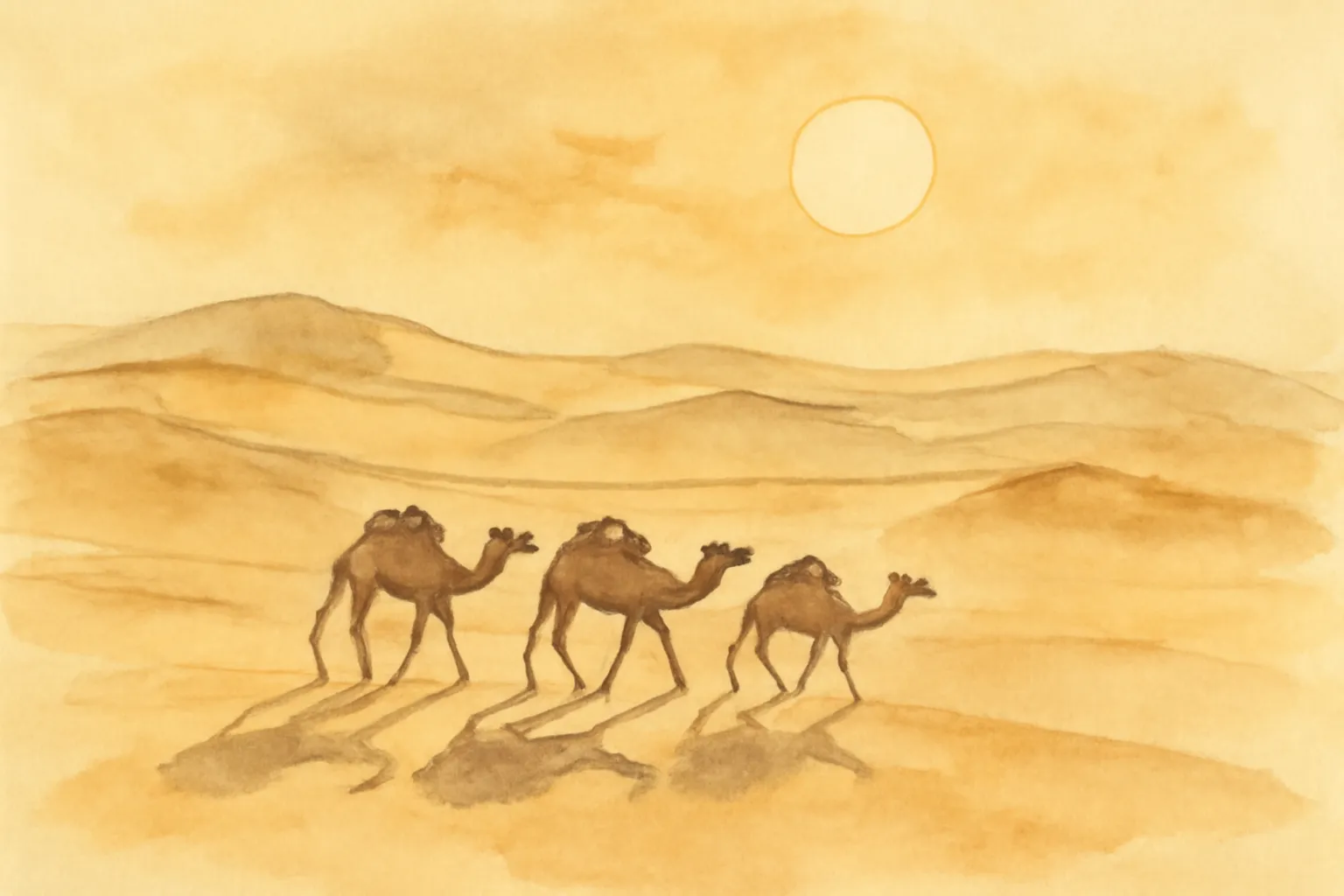
1.The Moral Imperative of Exploration
Richardson's journey is deeply rooted in a moral philosophy that emphasizes the importance of being useful to others. He expresses disdain for a life focused solely on personal gratification, asserting that the true purpose of existence is to serve one's fellow humans. This guiding principle not only motivates his expedition into the Sahara but also shapes his interactions with the diverse tribes he encounters. He aims to expose the horrors of the Saharan slave trade, believing that his firsthand accounts can instill a sense of abhorrence in his fellow countrymen. This moral imperative drives him to document the lives of the Saharan tribes, their customs, and their struggles, offering a nuanced perspective on a complex issue that transcends mere observation; it's a call to action against inhumanity. Richardson's conviction is underscored by his belief that knowledge, particularly about the darker aspects of human society, can serve as a catalyst for change.
2.The Perils of Travel in the Sahara
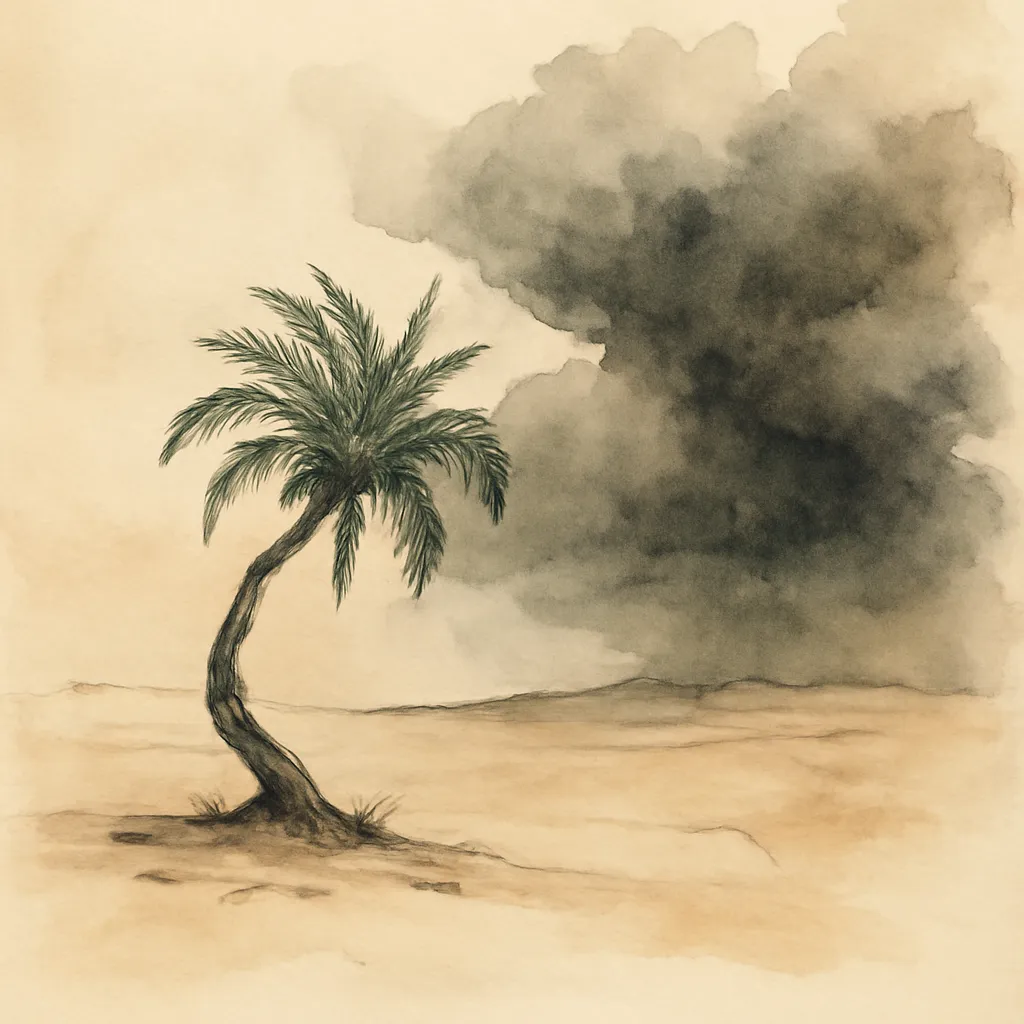
Richardson's account vividly illustrates the numerous dangers inherent in traversing the Sahara, from the treacherous landscapes to the unpredictable nature of human interactions. His initial plans to travel from Tunis to Tripoli are met with skepticism and warnings of potential death from sun exposure or violence at the hands of local tribes. The journey itself is marked by accidents and unforeseen delays, showcasing the chaotic nature of travel in such a harsh environment. His description of the caravan's struggles—encounters with rough weather, the need for water, and the challenges of keeping the group together—paints a vivid picture of the hardships faced by explorers. The difficulty of maintaining morale and coordination among the caravan members is a recurring theme, emphasizing the importance of leadership and adaptability. These obstacles serve not only as physical challenges but also as tests of character, revealing Richardson's resilience and determination to push forward despite the daunting odds. Every setback becomes a lesson in patience and perseverance.
3.Cultural Encounters and Observations
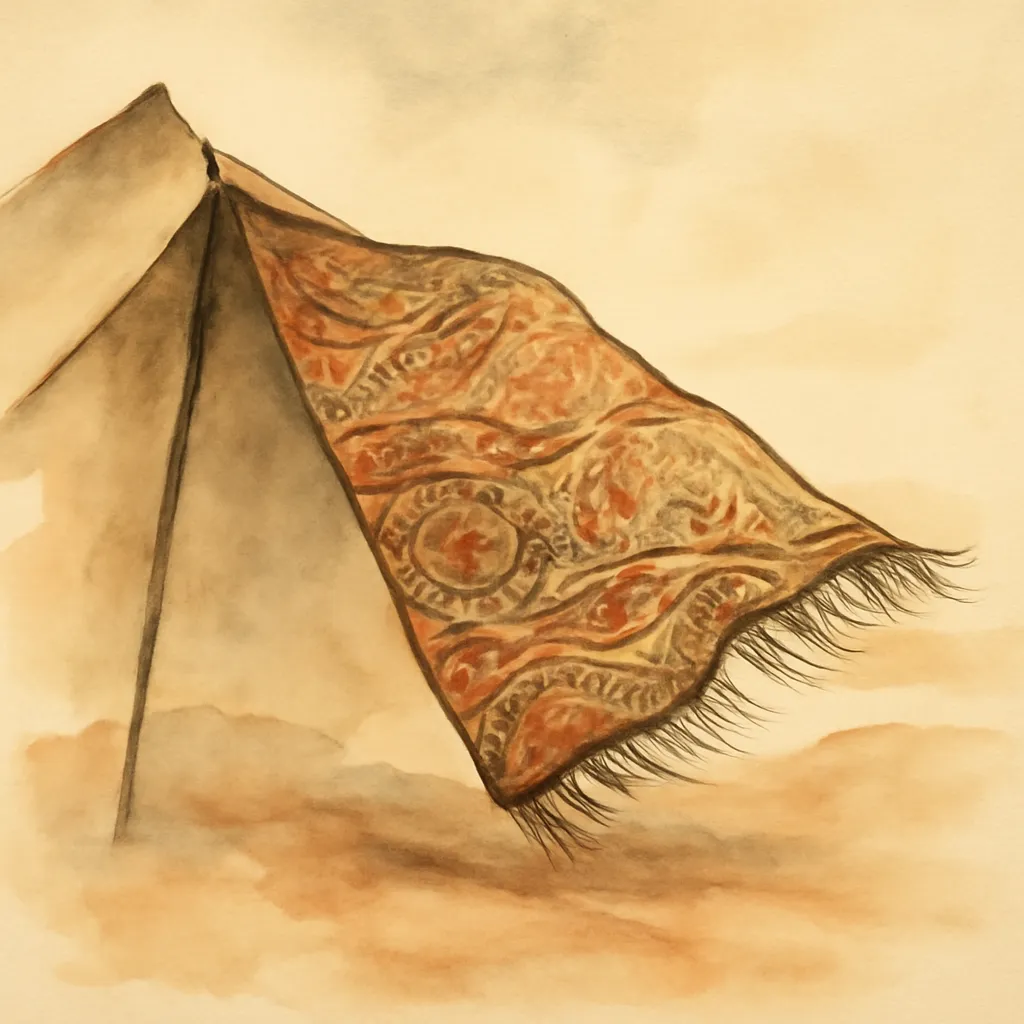
As Richardson journeys deeper into the Sahara, he offers rich insights into the lives and cultures of the Saharan tribes. His encounters with the Arabs reveal a complex society marked by deep-rooted traditions, religious fervor, and a unique social structure. He describes the hospitality extended to him, the curiosity of the local women, and the intricate dynamics of trade and politics among the tribes. For example, he notes how the women of Ghadames respond with intrigue to his presence, reflecting both their curiosity and the cultural norms surrounding interactions with outsiders. Through his eyes, readers witness the interplay of commerce and culture, where merchants navigate both the physical and moral landscapes of the desert. Richardson's interactions with the tribes also highlight the contrasts between European and Saharan customs, prompting readers to reflect on their own cultural assumptions. The rich tapestry of beliefs, social hierarchies, and economic practices he encounters speaks to the resilience of these communities and their adaptive strategies in a harsh environment. This cultural lens adds depth to his travel narrative, transforming it into a broader exploration of human connection and understanding.
4.The Slave Trade: A Central Theme
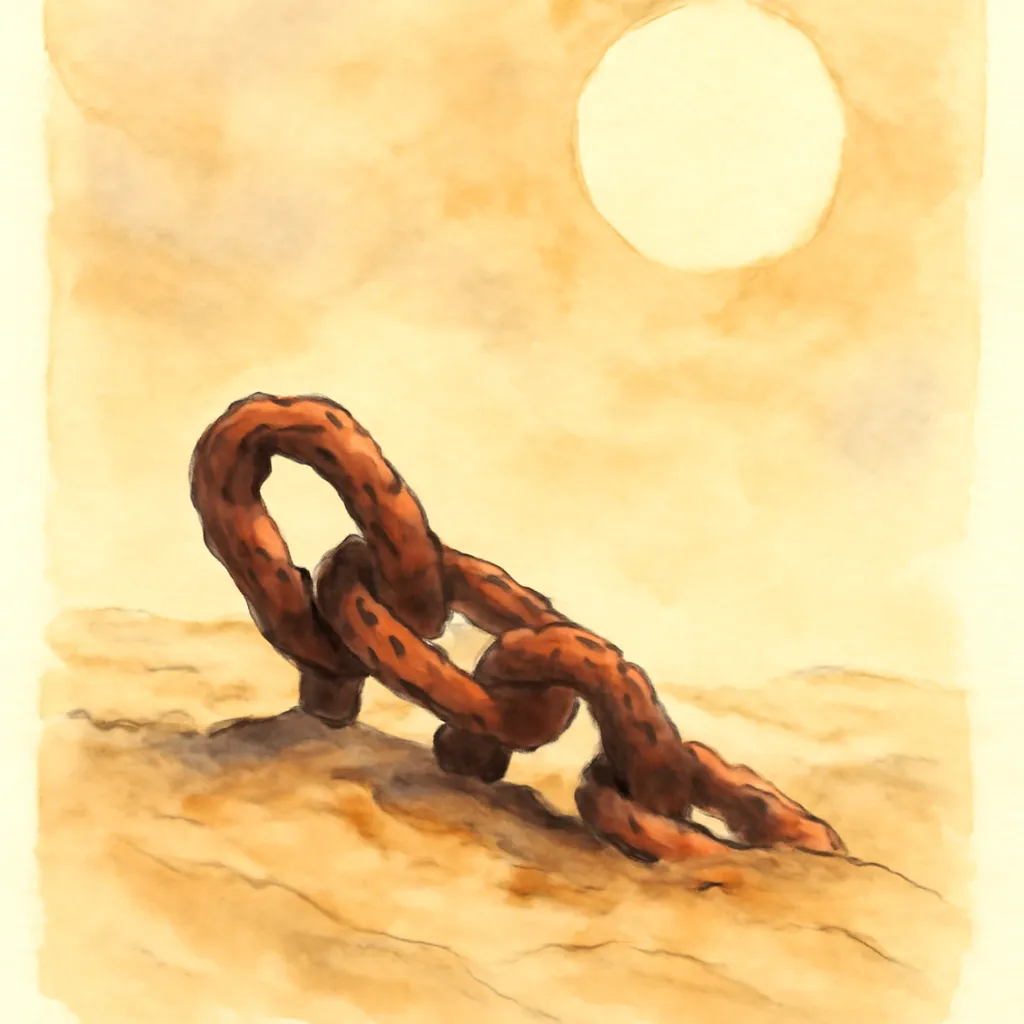
Richardson's exploration of the Saharan slave trade is one of the most poignant aspects of his journey. He delves into the mechanics of the trade, the routes taken, and the human suffering it entails, aiming to shed light on an often-overlooked atrocity. His observations reveal the complicity of various parties, including European merchants, in perpetuating this inhumane practice. He notes the dehumanizing conditions faced by slaves, the moral apathy of those who profit from their suffering, and the societal structures that allow such exploitation to flourish. For instance, he highlights the conversations he has with traders, wherein their casual acceptance of the trade reflects a troubling normalization of cruelty. By documenting these realities, Richardson seeks to galvanize public opinion against the slave trade, urging his readers to acknowledge their role in a global system of oppression. This moral confrontation serves as a powerful reminder of the interconnectedness of human rights and economic interests, urging readers to consider the ethical implications of their own consumption. He presents the slave trade not just as an economic enterprise but as a moral failure of humanity.
5.Geographical Insights of the Sahara
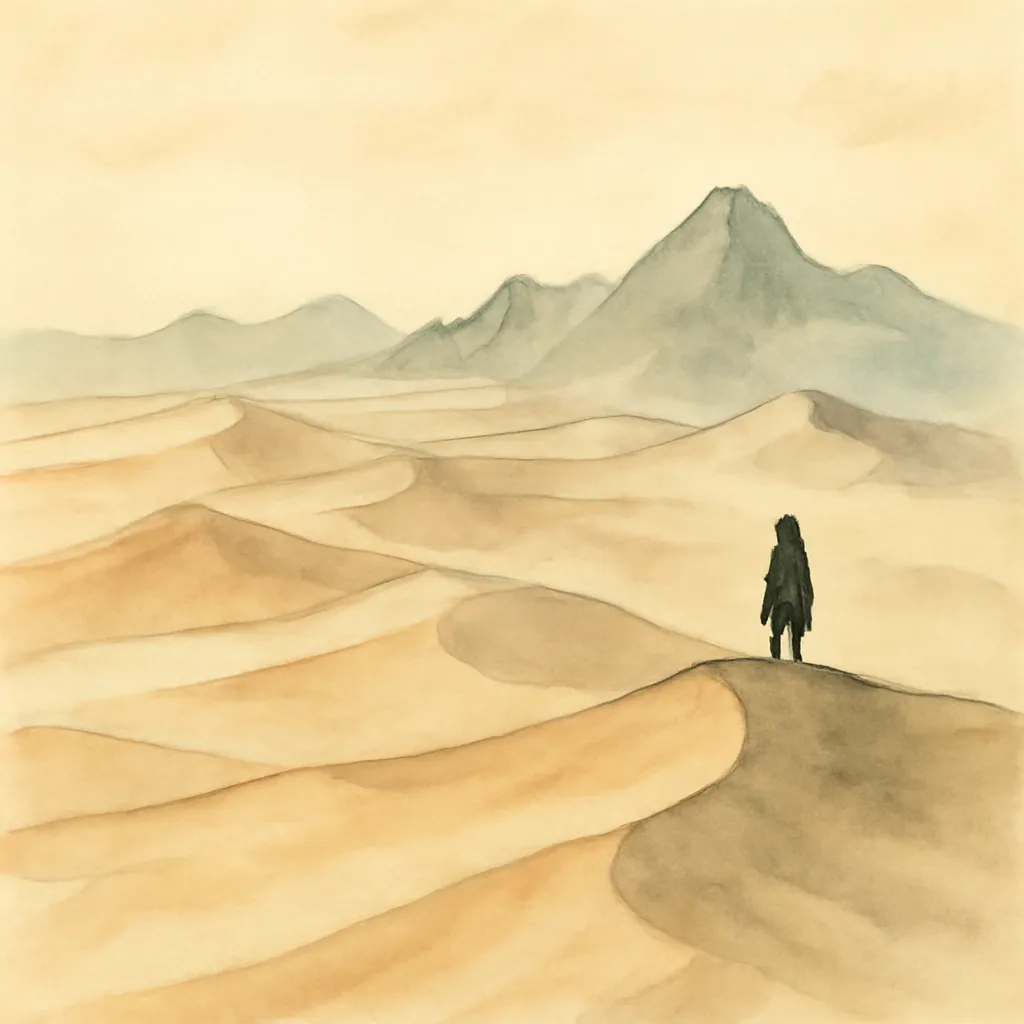
Richardson's journey is not merely a personal odyssey; it is also a geographical exploration that provides valuable insights into the Sahara's vast and varied landscapes. He describes the shifting sands, rocky outcrops, and the stark beauty of the oases that punctuate the desert expanse. His observations on the geography of the Sahara are enriched by his experiences, as he navigates through different terrains, each presenting its own challenges and wonders. The contrast between the desolate stretches of sand and the lush oases serves as a metaphor for the duality of life in the desert: beauty and danger coexist in this unforgiving environment. His detailed descriptions contribute to a greater understanding of the Sahara's geography, making it a character in its own right within the narrative. As he encounters diverse landscapes, he reflects on their impact on the people who inhabit them, illustrating the profound connection between environment and culture. This geographical awareness enhances the reader's appreciation of the terrain and its impact on the people who inhabit it, illustrating how geography shapes their lives and livelihoods.
6.The Role of Commerce in Saharan Life
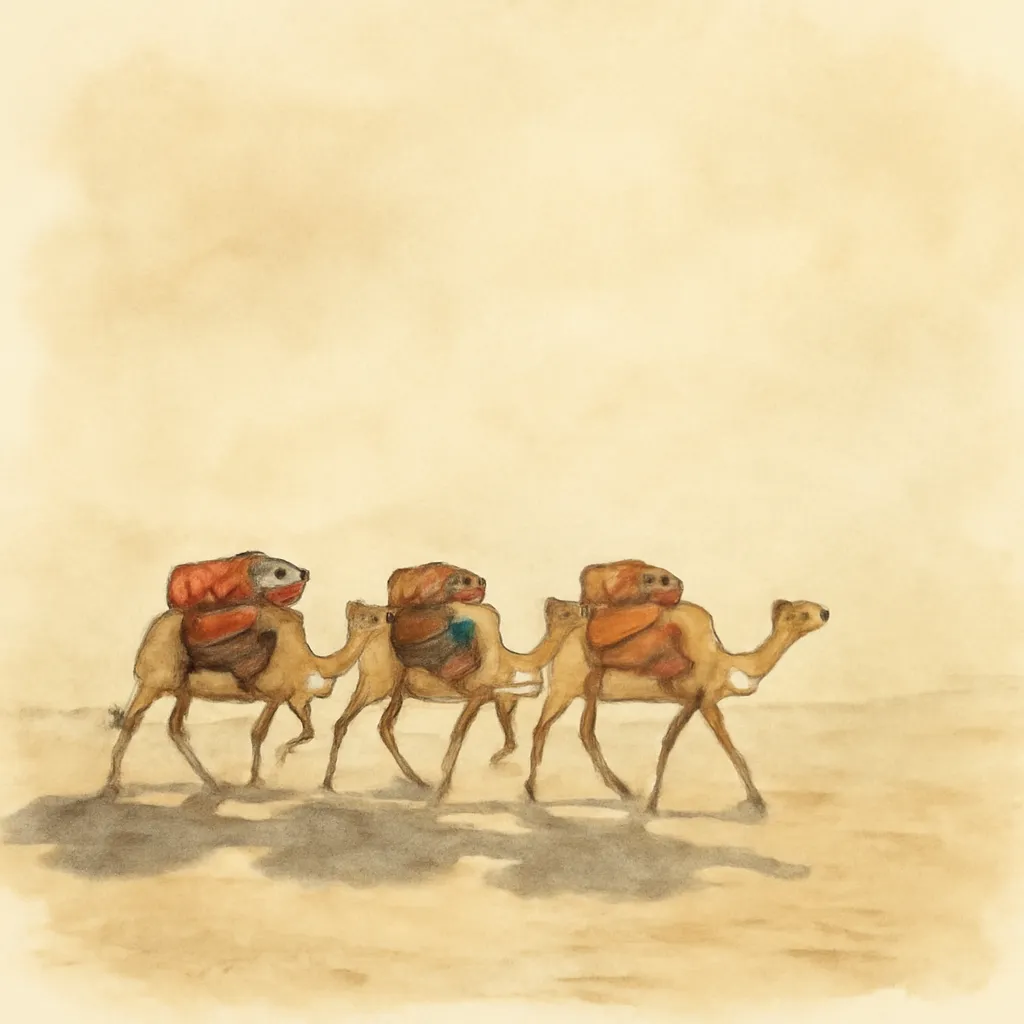
Commerce is a vital thread woven throughout Richardson's narrative, highlighting the economic realities of life in the Sahara. He observes the bustling trade routes and the caravans that transport goods across the desert, revealing the intricate web of commerce that connects different regions. The exchanges of goods, from dates to textiles, illustrate the interdependence of various cultures and the significance of trade in sustaining communities. Richardson's interactions with merchants and local traders shed light on their motivations, challenges, and the delicate balance between profit and ethical considerations. He notes the precariousness of these commercial ventures, where the threat of banditry looms large, and the risks taken by traders underscore the entrepreneurial spirit that defines Saharan life. This exploration of commerce provides a backdrop for understanding the broader socio-economic dynamics at play in the region. He illustrates how trade acts as both a lifeline and a source of conflict, with merchants navigating a landscape fraught with danger and opportunity.
7.Political Intrigues and Alliances
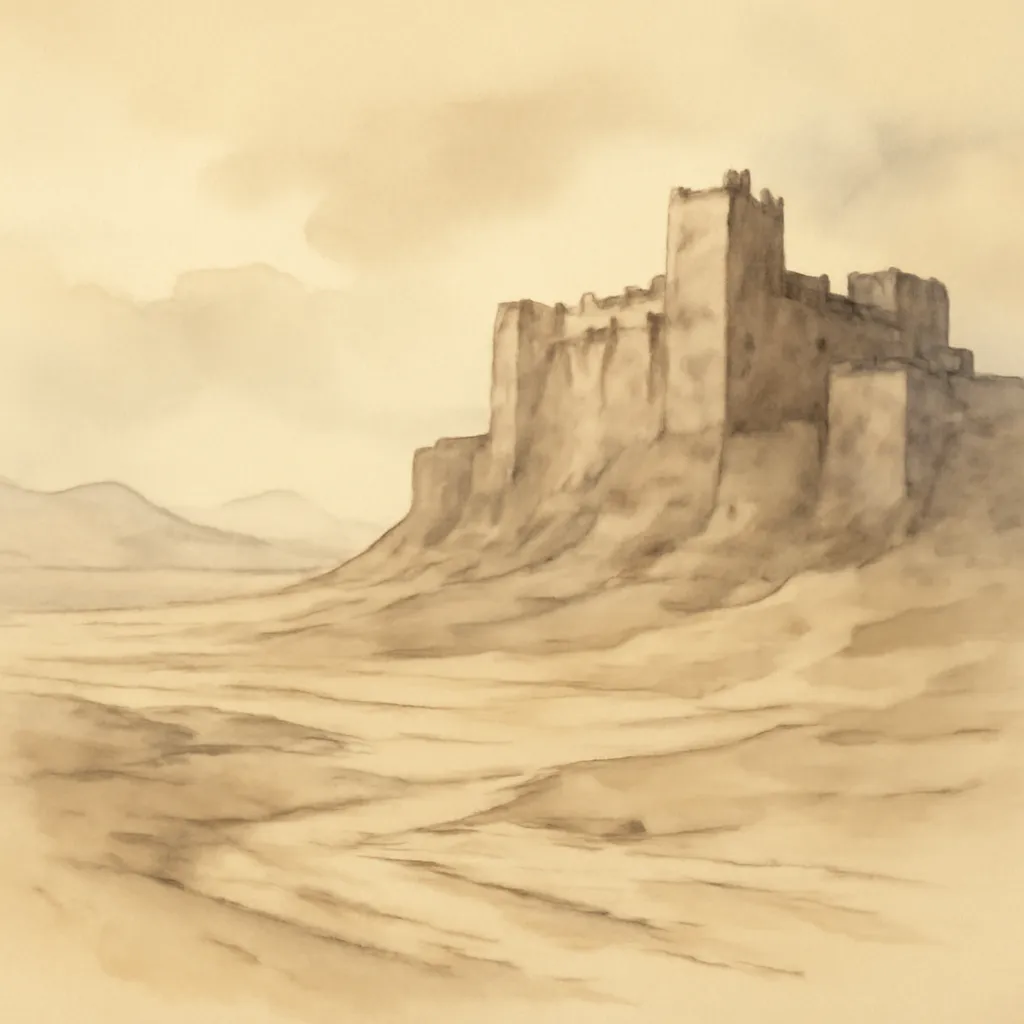
Richardson's journey is also marked by the political landscape of the Sahara, where local power dynamics and tribal relationships shape the course of events. His encounters with various leaders, including the Pasha of Tripoli, reveal the complexities of governance and the challenges faced by those in power. He captures the tension between the Turks and the local tribes, illustrating how political maneuvering often influences trade and social relations. For example, his discussions with local leaders highlight the delicate balance of power and the need for alliances to navigate the often-hostile environment. Richardson's observations of these political intrigues provide context for understanding the broader implications of colonialism and power struggles in the region. His astute analysis of the political climate underscores the interconnectedness of local and global forces, prompting readers to consider the historical roots of contemporary issues facing the Sahara and beyond. The allegiances and conflicts he witnesses not only shape his journey but also reflect the larger historical currents that define the region.
8.Personal Transformation through Adversity
Throughout his journey, Richardson undergoes a profound personal transformation, shaped by the trials and tribulations he faces in the Sahara. The harsh realities of desert travel, combined with his encounters with diverse cultures and the moral complexities of the slave trade, challenge his preconceived notions and force him to confront his own values. He reflects on the nature of suffering, resilience, and the human capacity for compassion in the face of adversity. This personal evolution is woven into the fabric of his narrative, as he grapples with his identity as a European traveler in a foreign land. Richardson's introspection invites readers to consider their own journeys of self-discovery and the ways in which experiences can shape one's worldview. His willingness to embrace vulnerability and uncertainty serves as a powerful reminder of the transformative potential of travel. By recounting his struggles and revelations, he highlights the importance of humility and openness in the pursuit of understanding.
9.The Legacy of Richardson's Journey
Richardson's expedition through the Sahara leaves a lasting legacy that extends beyond his personal narrative. His documentation of the slave trade and the cultural intricacies of Saharan life contributes to a broader understanding of 19th-century Africa and the historical forces at play. By bringing attention to the moral implications of the slave trade, he challenges readers to confront uncomfortable truths about their own societies and the interconnectedness of global injustices. His work serves as a historical record that informs contemporary discussions on human rights, trade, and cultural exchange. Furthermore, Richardson's vivid descriptions and keen observations continue to resonate with modern audiences, providing a lens through which to view the complexities of the Sahara and its people. The legacy of his journey is not only one of exploration but also of advocacy for a more just and equitable world. His accounts inspire future generations to engage with the world critically and compassionately, urging them to recognize their responsibilities within a global community.