1.The Mystery of the Nautilus
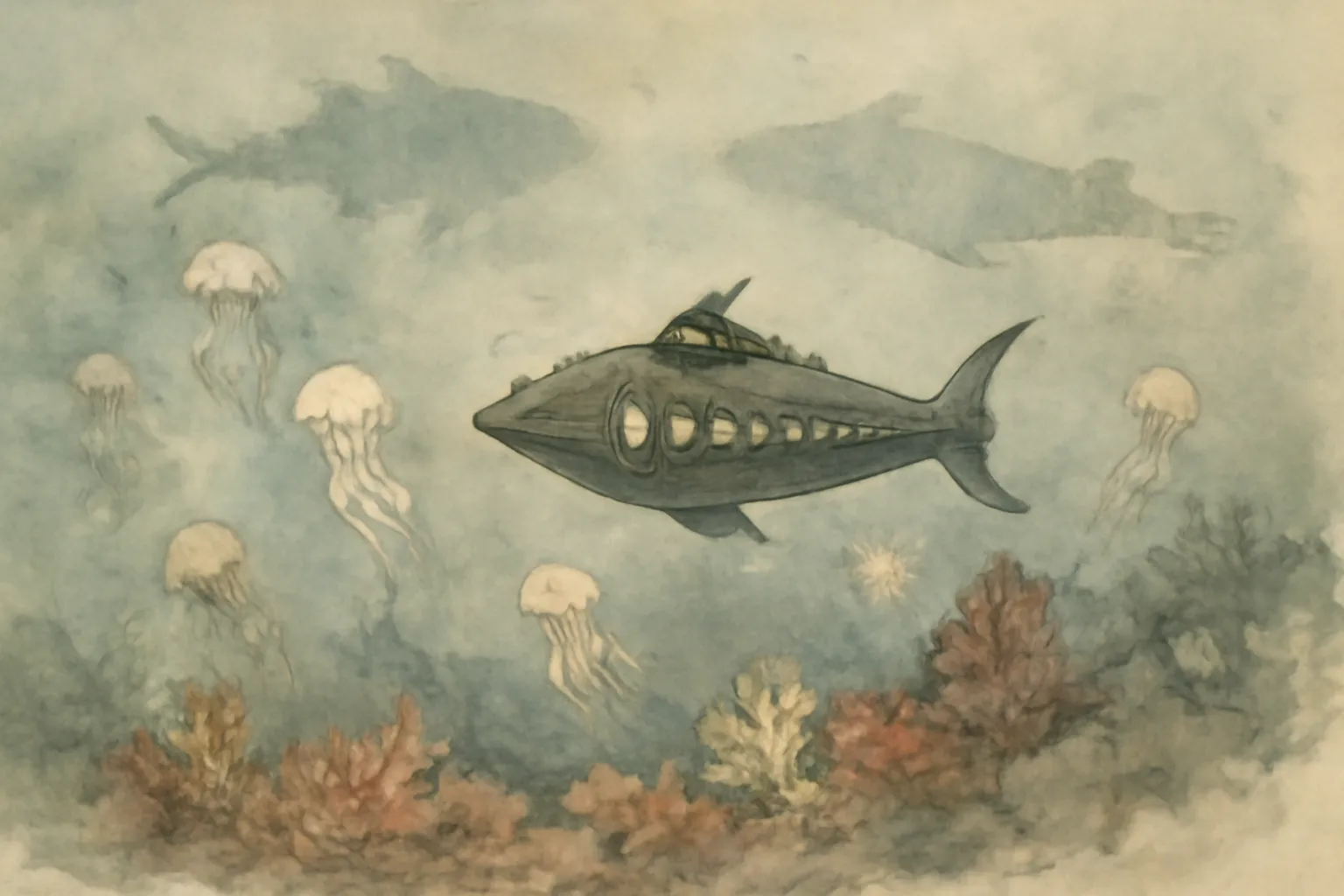
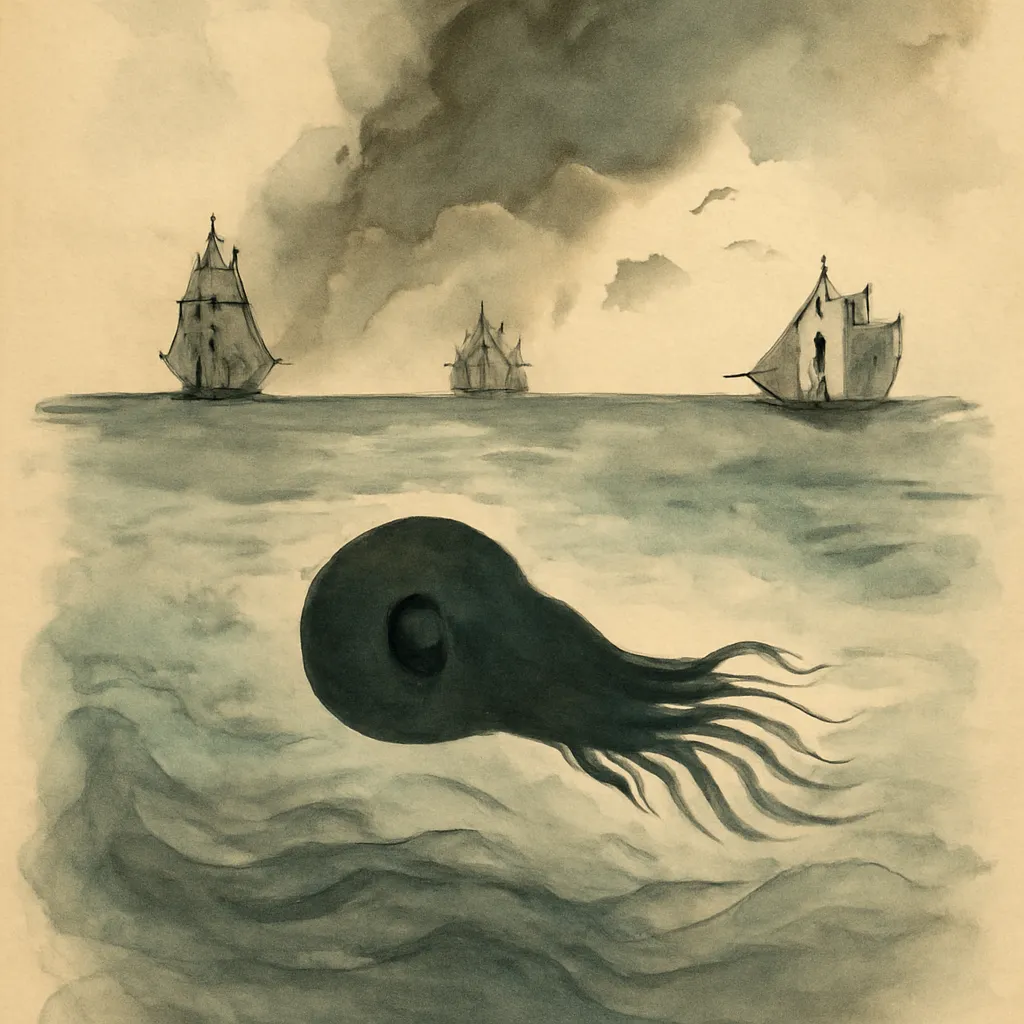
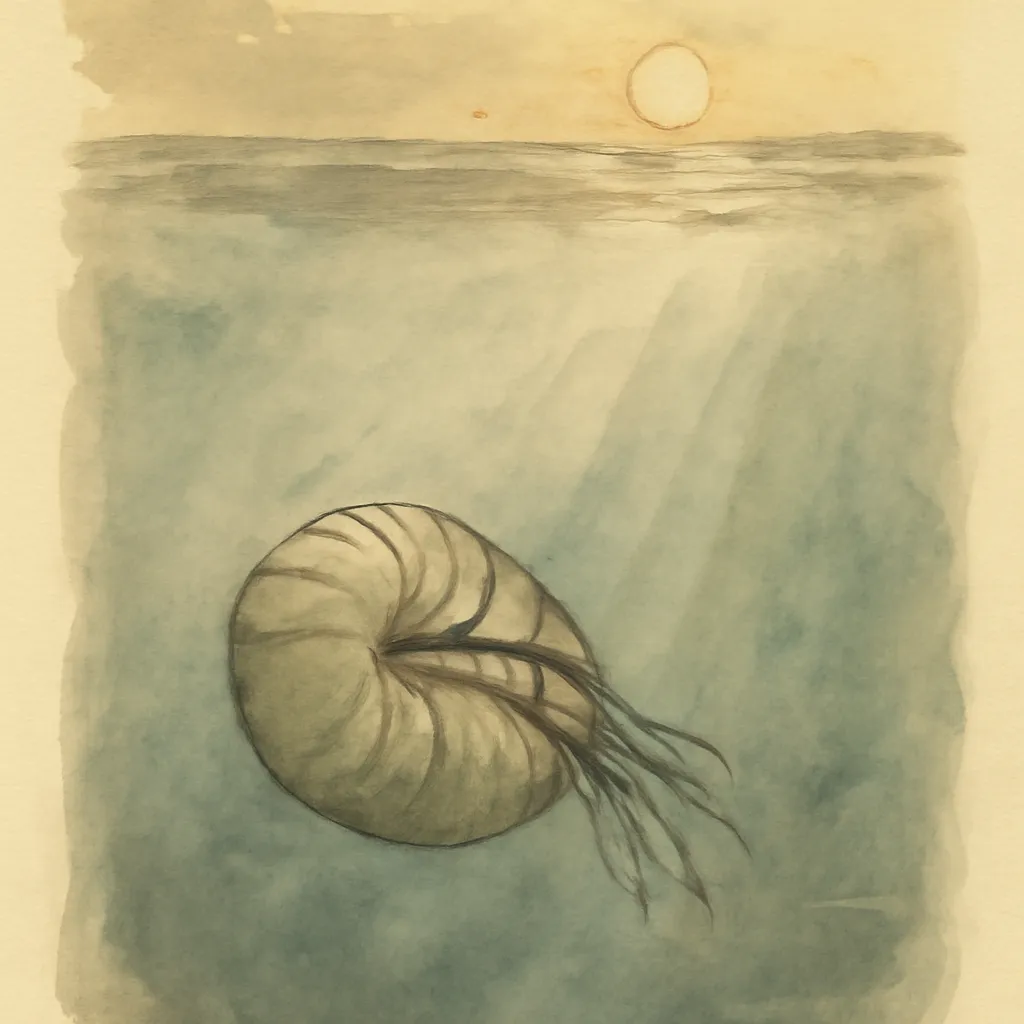
The story begins with a mysterious creature sighted in the oceans, sparking debate and intrigue among the maritime world. This creature turns out to be the submarine Nautilus, commanded by the enigmatic Captain Nemo. Aronnax, Conseil, and Ned Land are drawn into a quest to discover the truth behind this vessel. The Nautilus represents the pinnacle of human ingenuity, a machine that transcends the limitations of traditional sea travel. As they embark on their journey, the trio is not only exploring the physical depths of the ocean but also the depths of human ambition and the consequences of isolation that come with such advanced technology.
2.Captain Nemo: A Complex Character
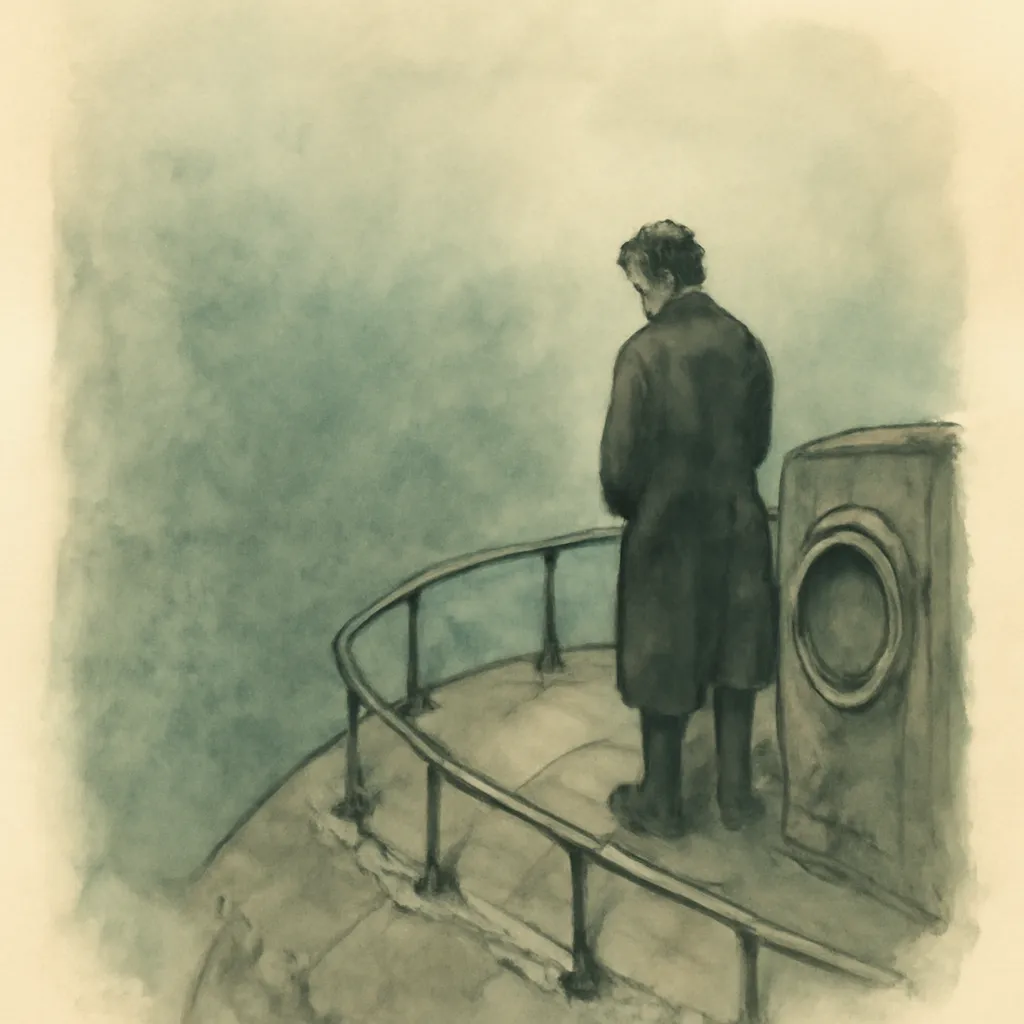
Captain Nemo is one of literature's most intriguing characters, embodying both brilliance and tragedy. He is a man who has renounced the surface world due to personal grief and societal injustices, choosing instead to live in the depths of the ocean. His motivations are layered; he seeks vengeance against the imperial powers that wronged him, yet he also displays a profound love for the ocean and its wonders. Nemo’s character raises questions about the morality of revenge and the cost of living outside society. His disdain for humanity contrasts sharply with his appreciation for the beauty of marine life, making him a figure of sympathy and condemnation. This duality invites readers to ponder what freedom truly means and what one sacrifices to achieve it.
3.Exploration of Marine Life
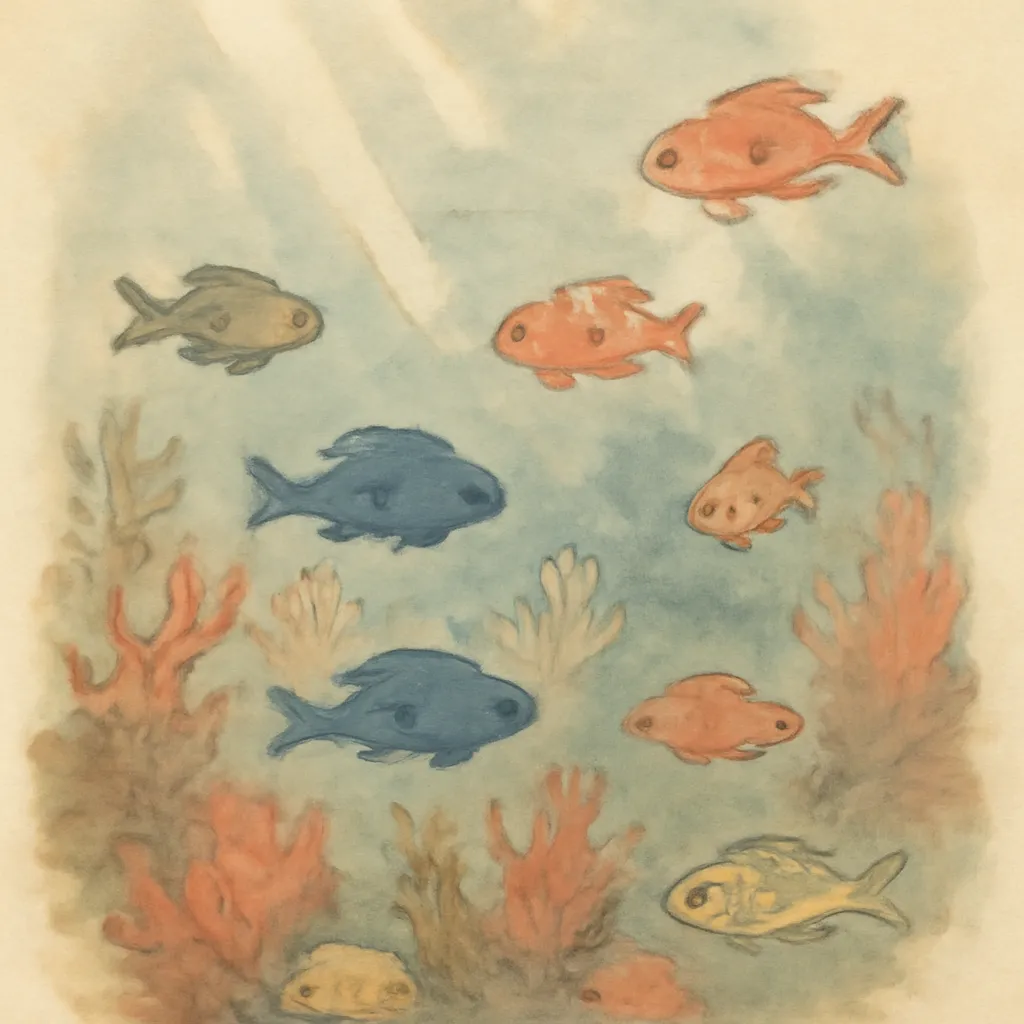
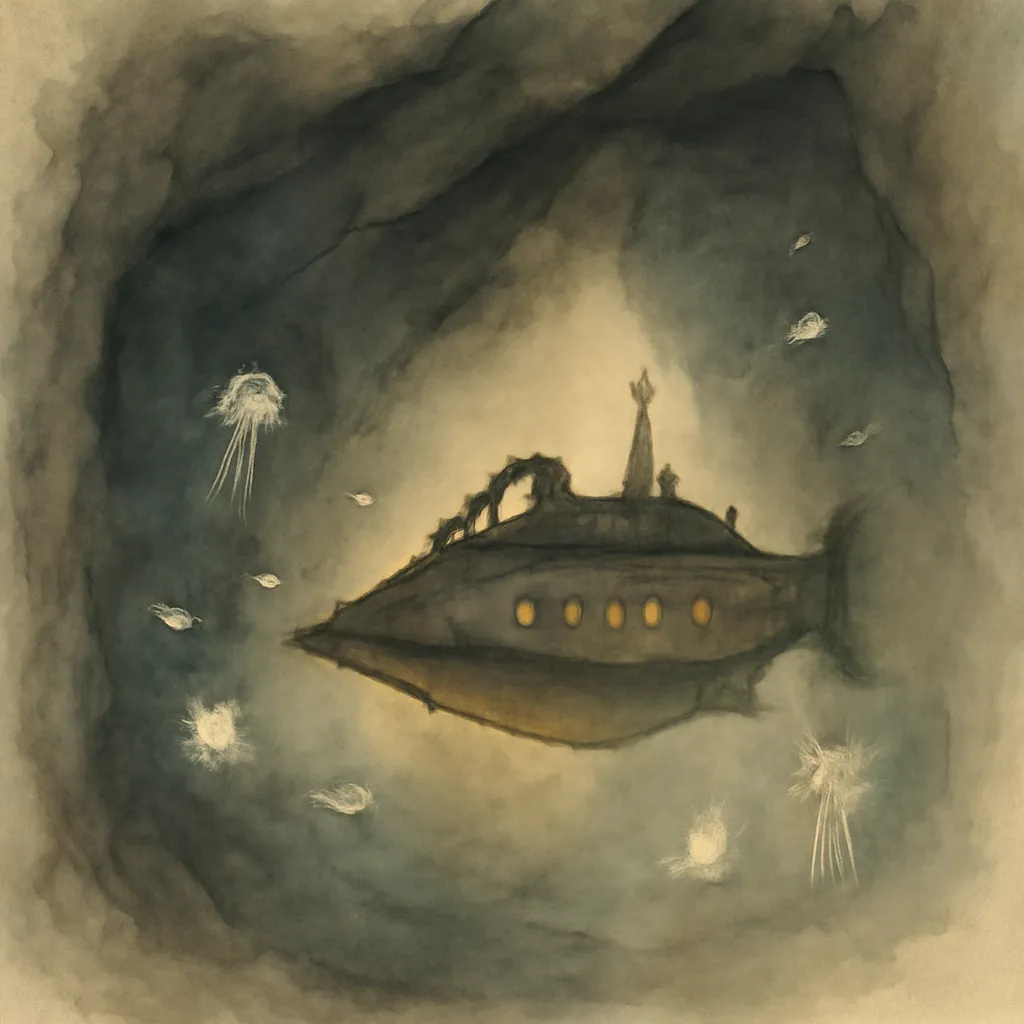
As the Nautilus voyages through the world's oceans, Verne immerses readers in the astonishing diversity of marine life. From the vibrant coral kingdoms to the majestic giants of the deep, the narrative is rich with detailed descriptions that bring the underwater world to life. The characters encounter various species, including fascinating creatures like giant squids and luminous jellyfish, highlighting the ocean's beauty and mystery. Verne’s meticulous research and vivid storytelling not only entertain but also educate readers about marine biology, fostering a sense of wonder and respect for the natural world. This exploration serves as a reminder of the planet's ecological wealth and the urgent need for its preservation.
4.The Nautilus as a Symbol of Isolation
The submarine Nautilus serves as a powerful symbol of isolation, both physically and emotionally. While it allows its occupants to explore the depths of the ocean, it also separates them from the world above, creating a barrier that reflects Nemo's own detachment from humanity. This duality is evident in the interactions between the crew and the outside world; the Nautilus protects them from danger but also confines them to its metallic womb. As they journey further into the ocean, the characters grapple with their sense of freedom versus the constraints of their situation. This theme resonates with anyone who has ever felt trapped by their circumstances, prompting reflection on the nature of freedom and the choices that lead to both liberation and confinement.
5.The Philosophical Undertones of Adventure
Verne’s narrative is steeped in philosophical questions about existence, knowledge, and the human condition. The journey of Aronnax, Conseil, and Ned Land is not merely an adventure; it is a quest for understanding and meaning. As they face the wonders and dangers of the ocean, they ponder the implications of their discoveries and the moral dilemmas posed by their actions. Captain Nemo’s philosophy of rejecting society and embracing the ocean raises profound questions about the cost of knowledge and the pursuit of truth. This existential exploration invites readers to engage with their own beliefs and values, making the story not just a physical journey but a spiritual one as well.
6.The Power and Perils of Technology
The Nautilus epitomizes the wonders of human ingenuity, showcasing the potential of technology to transcend natural boundaries. However, it also serves as a cautionary tale about the perils that come with such advancements. Captain Nemo’s mastery of electricity and his innovative designs push the boundaries of what is possible, yet they also lead to isolation and a disconnection from humanity. Verne highlights the dual-edged nature of technology, portraying it as both a tool for exploration and a means of self-imposed exile. This dichotomy encourages readers to consider the implications of technological progress and the responsibilities that come with it, particularly in a rapidly evolving world.
7.The Allure of the Unknown
The ocean, with its vastness and mysteries, serves as a backdrop for the characters’ explorations and reflections. Verne captures the allure of the unknown, drawing readers into a world filled with adventure and discovery. The thrill of encountering uncharted territories and unknown creatures ignites a sense of wonder and curiosity. Yet, this allure is tempered by the dangers that lurk beneath the surface, reminding characters and readers alike that exploration comes with its risks. Verne’s portrayal of the ocean as both beautiful and treacherous mirrors the human experience, where the pursuit of knowledge and adventure often involves facing the unknown and overcoming fear.
8.Nature's Indifference
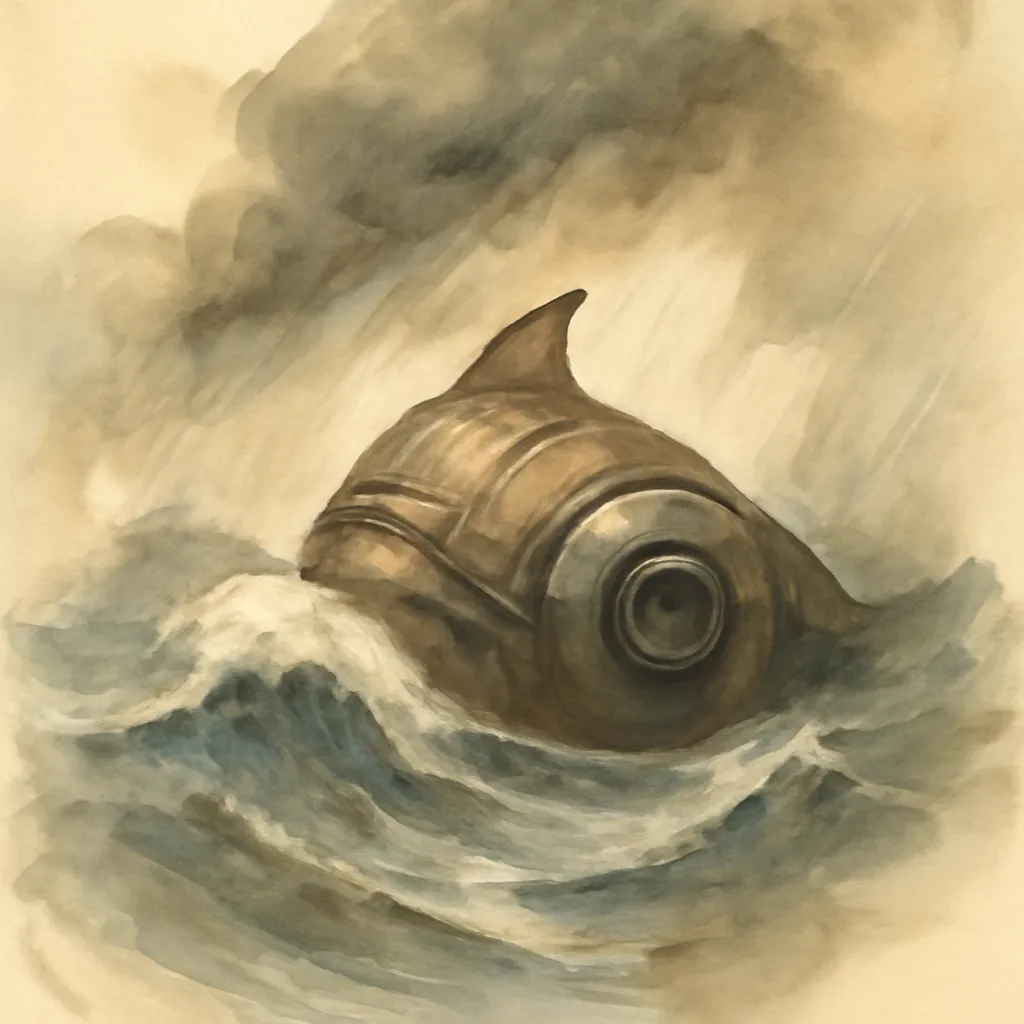
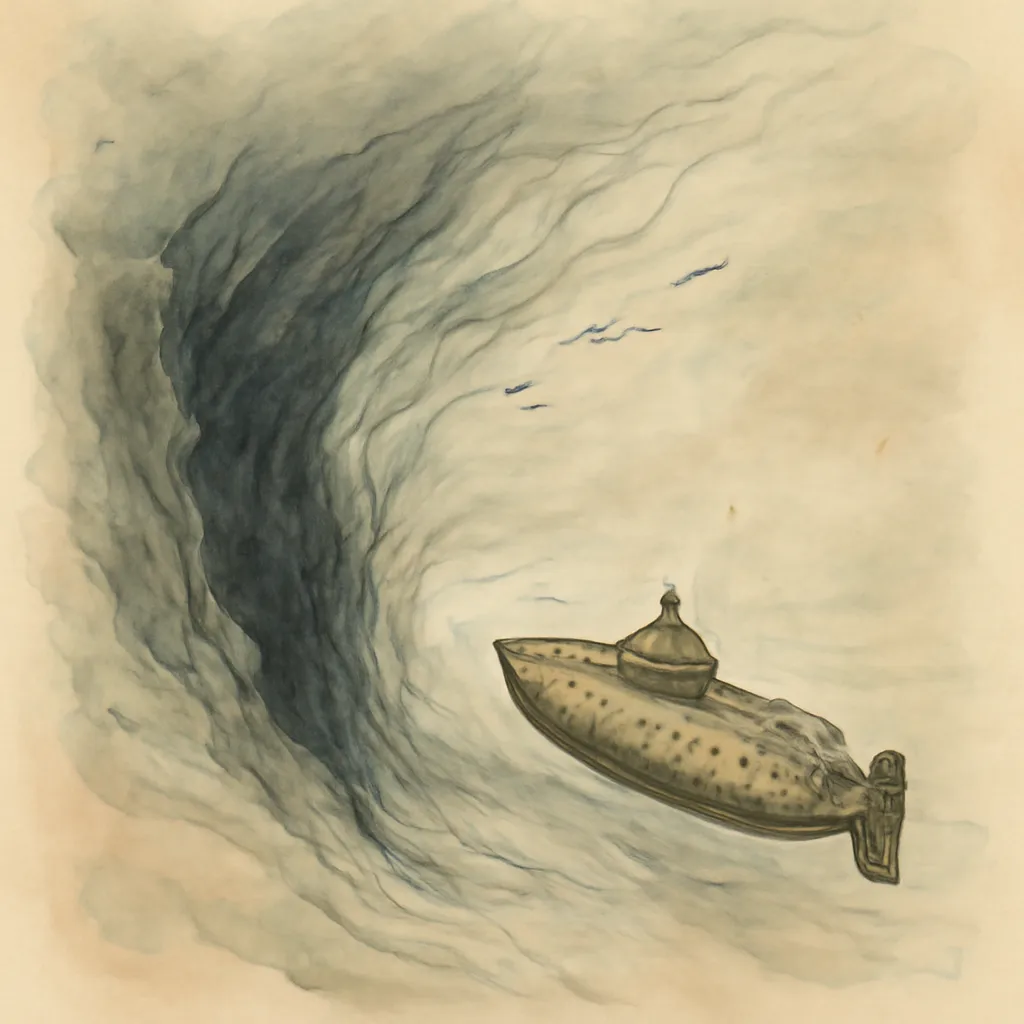
Throughout their journey, the characters witness the indifference of nature to human struggles and ambitions. The ocean is depicted as a vast, powerful force that exists beyond human comprehension and control. This theme is poignantly illustrated during encounters with natural phenomena, such as storms and sea creatures, which demonstrate both the beauty and brutality of the natural world. Captain Nemo’s conflict with nature reflects his struggle against the very forces that he seeks to master. Verne’s narrative invites readers to contemplate humanity's place in the natural order and the futility of attempting to dominate nature, emphasizing the importance of respect and harmony with the environment.
9.The Quest for Freedom
The quest for freedom is a central theme in 'Twenty Thousand Leagues Under the Sea,' embodied by Captain Nemo and his crew. For Nemo, the ocean represents a sanctuary from the injustices of the world, a place where he can live by his own rules and escape the constraints of society. However, this freedom comes at a cost, as it isolates him from human connection and compassion. Aronnax and his companions grapple with their own desires for freedom, caught between the allure of the open sea and the reality of their situation aboard the Nautilus. This exploration of freedom raises important questions about what it means to be truly free and the sacrifices one must make to achieve it.
10.The Inevitable Return to the Surface
As the narrative progresses, the characters must confront the inevitability of returning to the surface world. Despite the wonders of the ocean and the freedom it offers, the pull of the surface and the responsibilities of life above remain ever-present. Captain Nemo’s refusal to return signifies his complete detachment from humanity, while Aronnax and his companions face a choice between remaining in the depths or embracing their connections to the world. This tension culminates in a powerful conclusion that reflects the complexities of human existence, balancing the desire for exploration with the need for belonging and purpose. Verne’s ending serves as a poignant reminder that while the depths may offer adventure, the surface is where life and relationships truly unfold.