1.The Power of Unexpected Encounters
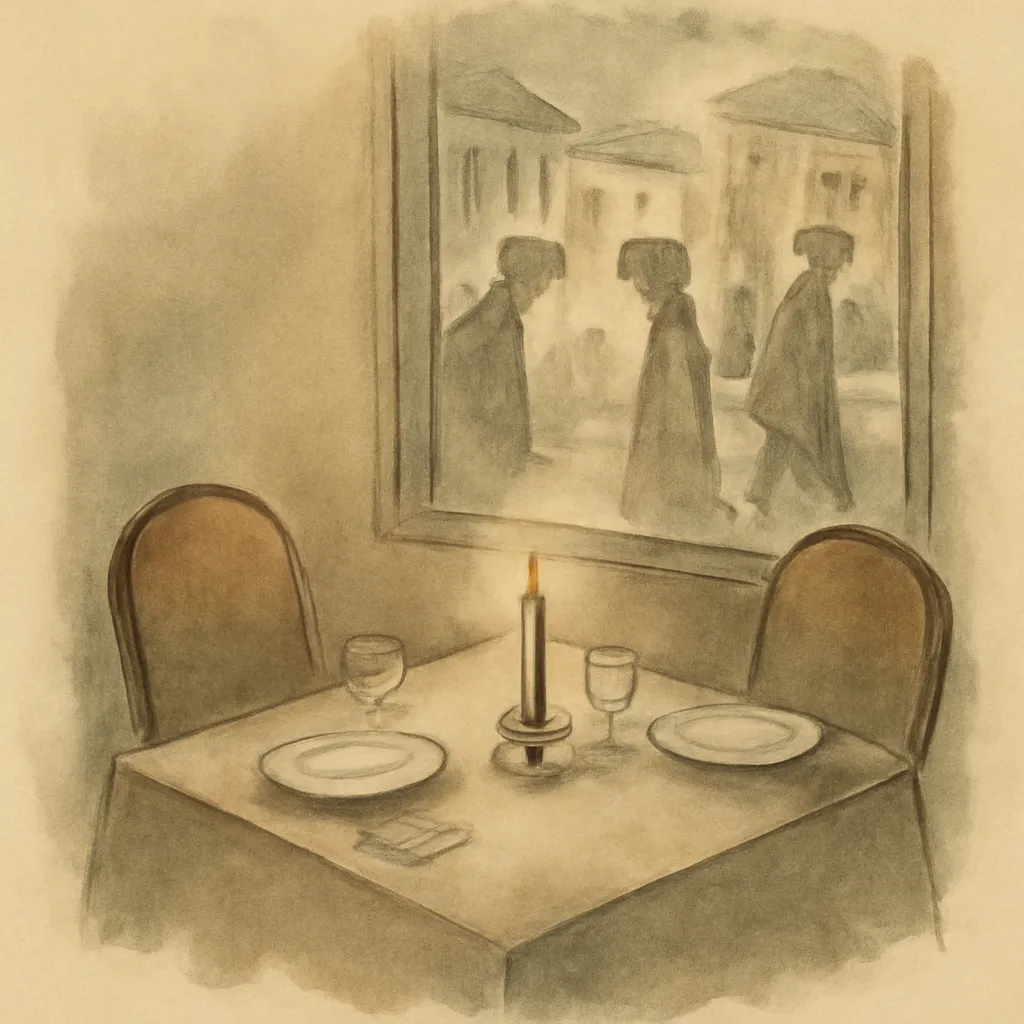
The story opens in Papps's Restaurant, where Garth Pevensey unexpectedly meets Natalie, a charming young woman who will become the focal point of his journey. Their initial interaction is marked by an awkward silence, reflecting the societal norms of their time that dictate how men and women should behave in public. Garth's keen observations highlight his admiration for Natalie, describing her as 'young, slender and decidedly pretty'—a stark contrast to the rugged setting of the restaurant. This encounter emphasizes how unexpected meetings can alter the course of one's life, introducing new relationships that challenge preconceived notions and inspire personal growth. Garth's admiration grows as they share a meal, creating an undercurrent of tension and attraction, setting the stage for their future adventures. Footner illustrates the serendipitous nature of life, suggesting that chance encounters can lead to profound relationships that shape individuals' destinies.
2.Navigating Gender Roles in the Wilderness
As Garth and Natalie embark on their journey, the story delves into the complexities of gender roles, particularly in the context of the harsh wilderness. Garth, initially protective of Natalie, grapples with the societal expectations of masculinity that dictate he must be the strong, competent protector. However, Natalie quickly defies these expectations with her spirited determination and resourcefulness, insisting on participating fully in their expedition. Footner writes, 'Bother my safety! You will not allow me a shred of pluck!' showcasing Natalie's refusal to be sidelined by traditional gender norms. This dynamic challenges Garth's perceptions of women and highlights the strength and resilience that women can exhibit in challenging circumstances. Their evolving relationship illustrates that true partnership requires recognizing and valuing each other's strengths, emphasizing that gender roles are not fixed but can be redefined through shared experiences and challenges in the wilderness.
3.The Allure of the Wild North
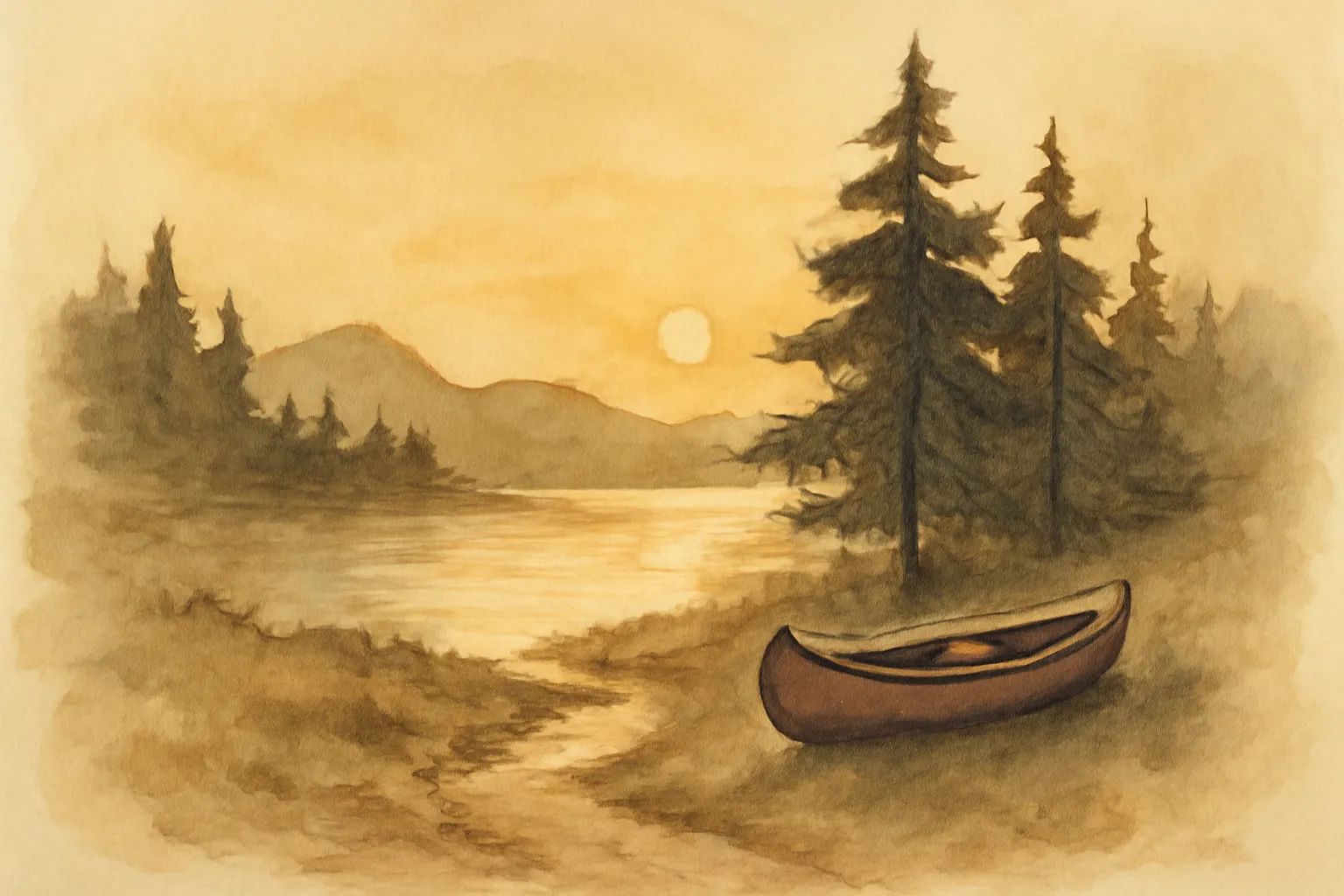
The vast, untamed landscape of the Northwest serves as both a backdrop and a character in the narrative, embodying both beauty and danger. Footner's rich, descriptive prose paints a vivid picture of the wilderness, from the serene lakes to the rugged mountains, capturing the allure that draws adventurers like Garth and Natalie to its depths. Descriptions of the Northern summer morning, with the sky blooming 'with the exquisite pale tints', evoke a sense of wonder and excitement. This setting not only tests their physical limits but also serves as a catalyst for their emotional development. The wilderness becomes a metaphor for the challenges they face in their relationship, representing both the obstacles they must overcome and the beauty that can be found in the struggle. Through their experiences, the reader gains a deeper appreciation for the transformative power of nature, as it shapes the characters and their journey together.
4.The Role of Community in Isolation
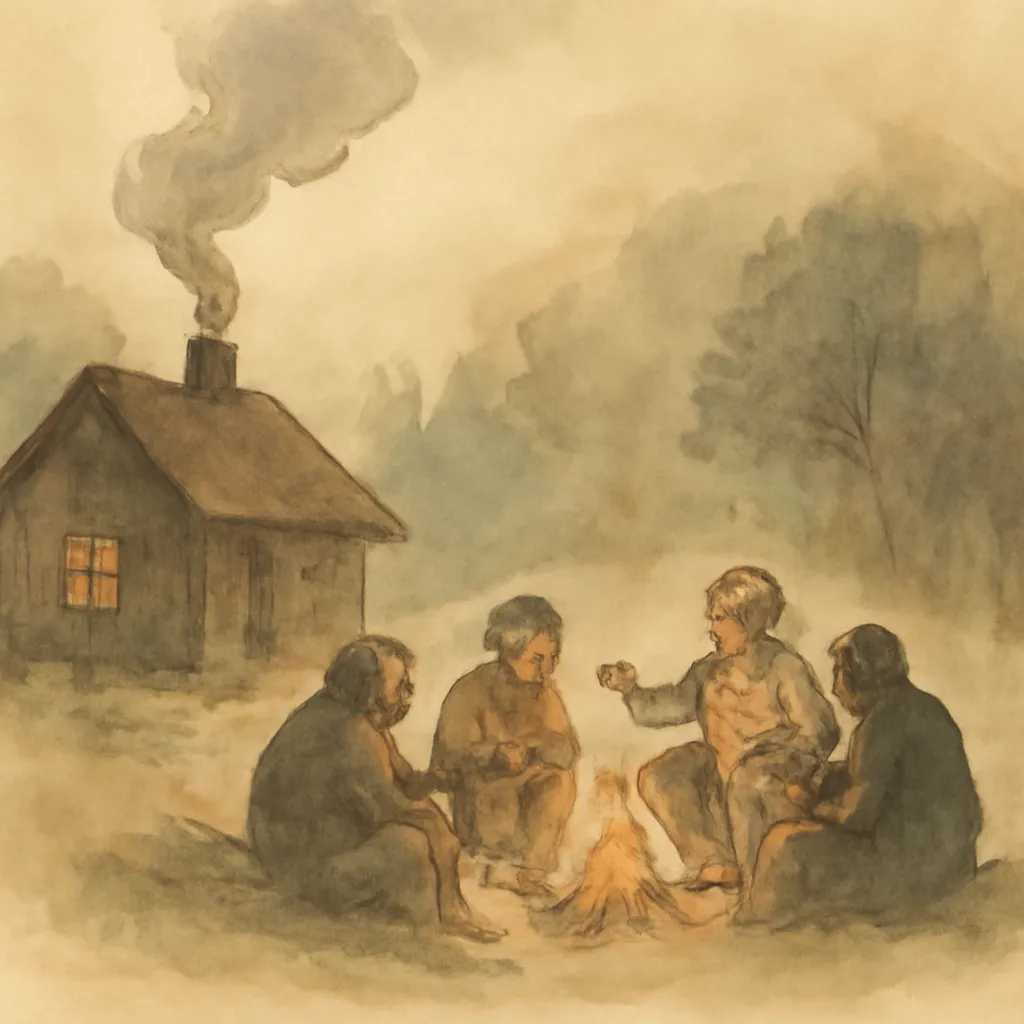
Miwasa Landing, the last vestige of civilization before the wilderness, acts as a microcosm of the larger society. Here, Garth and Natalie encounter a diverse cast of characters, each with their own stories and struggles. This community serves as a reminder of the social connections that are often taken for granted in more populated areas. Footner illustrates how these interactions impact Garth and Natalie's journey, providing both support and challenges. The gossip and curiosity surrounding their presence underscore the human need for connection, even in the most isolated of places. Garth's attempts to navigate the social dynamics at Miwasa Landing reflect the complexity of human relationships, where each individual's story intertwines with others, creating a rich tapestry of experience. This theme resonates throughout the narrative, emphasizing the importance of community in fostering resilience and camaraderie in the face of adversity, and highlighting the contrast between the warmth of human connections and the harshness of the wilderness.
5.Resilience in the Face of Adversity
As Garth and Natalie navigate the challenges of their journey, resilience emerges as a central theme. From treacherous weather conditions to the physical demands of traveling through the wilderness, they are constantly tested. Garth's unwavering determination to protect Natalie and ensure her safety reflects his growth as a character, evolving from a passive observer to an active participant in their adventure. Footner captures moments where Garth's inner strength shines through, particularly when he confronts danger to safeguard Natalie. Meanwhile, Natalie's own resilience is showcased as she refuses to be defined by her gender or the expectations placed upon her, asserting her agency in their shared experiences. This theme of resilience is further highlighted during moments of crisis—like when they must find shelter from a storm—where both characters must confront their fears and push beyond their limits, ultimately leading to personal breakthroughs and a deeper understanding of themselves and each other.
6.The Complexity of Love
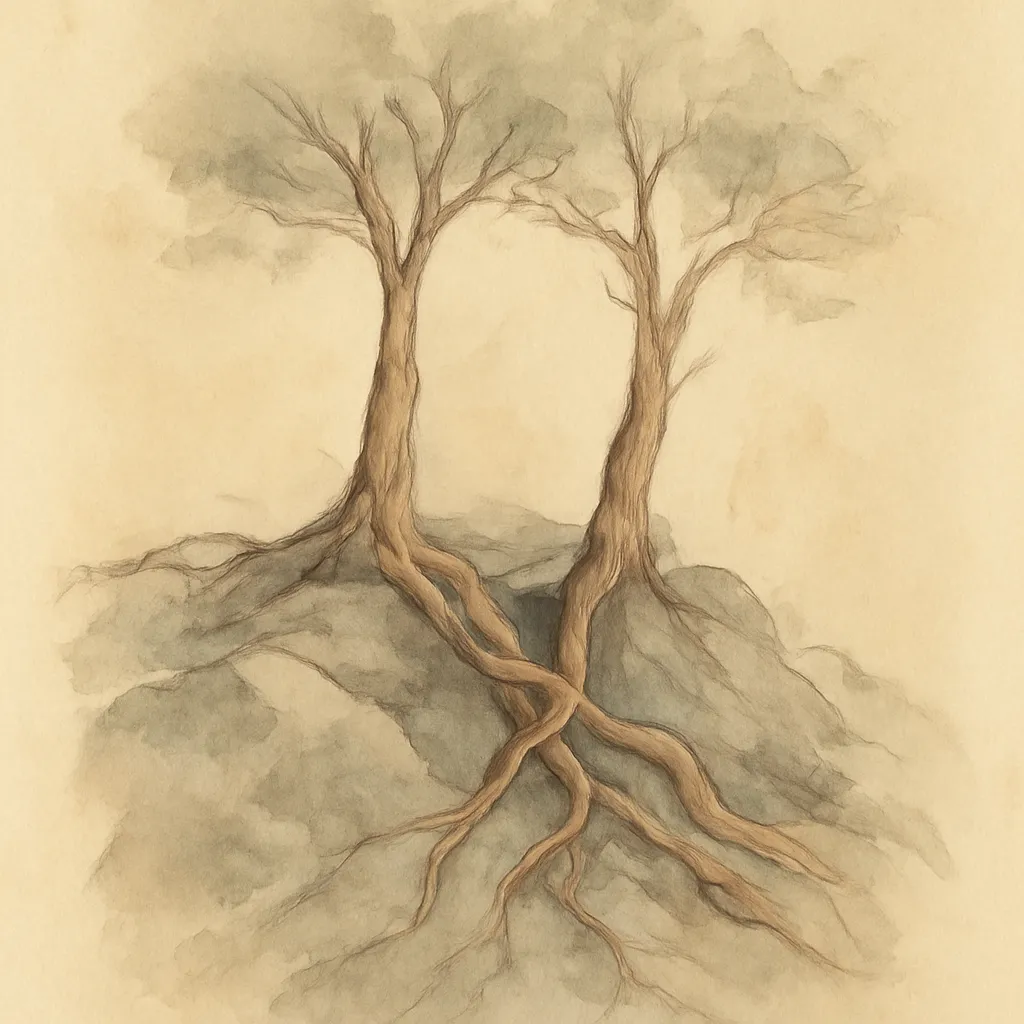
The evolving relationship between Garth and Natalie serves as a poignant exploration of love in its many forms. Initially marked by attraction and admiration, their bond deepens as they face trials together, revealing layers of vulnerability and emotional connection. Footner captures the nuances of their relationship, portraying moments of tension, misunderstanding, and ultimately, reconciliation. For instance, they navigate their fears and insecurities as they grapple with the uncertainties of their journey and their feelings for one another. Garth's protective instincts often clash with Natalie's desire for independence, leading to moments of tension that require open communication and compromise. This exploration of love is multifaceted, encompassing romantic attraction, deep friendship, and the loyalty that develops through shared hardships. Footner skillfully illustrates that love can be both a source of strength and a challenge, demanding growth and understanding from both partners.
7.The Impact of Past Choices

Throughout the journey, the characters reflect on their past choices and how these decisions shape their present circumstances. Garth's career as a reporter, for instance, is marked by a sense of dissatisfaction, as he grapples with the constraints of his profession and the missed opportunities that haunt him. He reflects, 'He had become a reporter because he had no taste for business,' revealing his internal struggle with his career path. Similarly, Natalie's backstory reveals the societal pressures she faces as a woman in a male-dominated world, where her aspirations are often dismissed. Footner weaves these reflections into the narrative, highlighting how the past informs their current identities and influences their decisions moving forward. This exploration of past choices serves as a reminder that one's history is inextricably linked to the present, shaping the paths individuals take and the relationships they forge, ultimately suggesting that understanding and reconciling with the past can empower characters to shape their futures.
8.Confronting Inner Demons
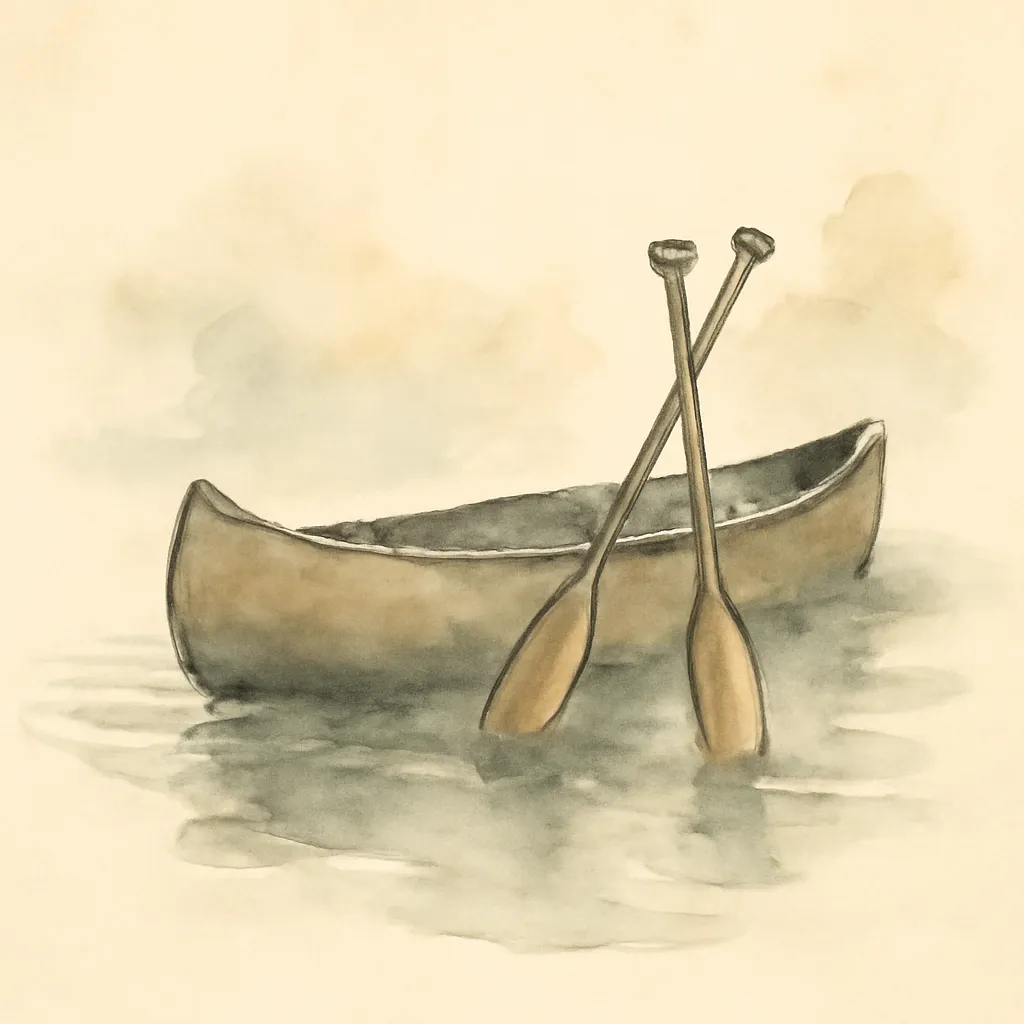
As the journey unfolds, both Garth and Natalie must confront their inner demons, including fear, self-doubt, and societal expectations. Garth's protective instincts often conflict with his fears of inadequacy, leading to moments of tension in his relationship with Natalie. His internal struggles are portrayed as he grapples with the burdens of responsibility and his desire to keep Natalie safe. Meanwhile, Natalie's struggle against the constraints of her upbringing and her desire for independence create internal conflict that she must navigate. Footner skillfully portrays these psychological battles, using the wilderness as a metaphor for the characters' emotional landscapes. The journey forces them to face these demons head-on, leading to personal growth and a deeper understanding of themselves and each other. This theme resonates as they learn to communicate openly about their fears, cultivating a stronger bond and fostering mutual support during their most trying moments.
9.The Significance of Sacrifice
Sacrifice emerges as a recurring theme in 'Two on the Trail', manifesting in various forms throughout the narrative. Garth's willingness to put himself in danger to protect Natalie underscores the depth of his commitment to her safety and well-being. He often prioritizes her comfort, as seen when he insists on ensuring she is adequately prepared for the challenges of their journey. Similarly, Natalie demonstrates her own sacrifices, not only in her determination to prove her strength but also in her emotional vulnerability as she navigates their relationship. Footner uses these acts of sacrifice to illustrate the complexities of love and partnership, suggesting that true connection often requires individuals to prioritize the needs of others over their own desires. This theme resonates powerfully, highlighting the selflessness that can arise in the face of adversity, reinforcing the idea that love is not just about companionship but also about mutual sacrifice and understanding.
10.The Journey as a Metaphor for Growth
Ultimately, Garth and Natalie's expedition serves as a powerful metaphor for personal growth and transformation. Each challenge they face in the wilderness mirrors their internal struggles, pushing them to evolve as individuals and as a couple. Footner masterfully intertwines the physical journey with the emotional arcs of the characters, illustrating how the hardships of the wild catalyze their development. The trials they endure, from navigating treacherous terrain to confronting wild animals, serve as crucibles for their character. By the end of their adventure, both Garth and Natalie emerge changed, having confronted their fears, embraced their vulnerabilities, and forged a deeper bond. This overarching theme reinforces the idea that growth often occurs through adversity, and that the journey—both literal and metaphorical—is essential to understanding oneself and one’s place in the world.