1.The Dual Nature of Beauty
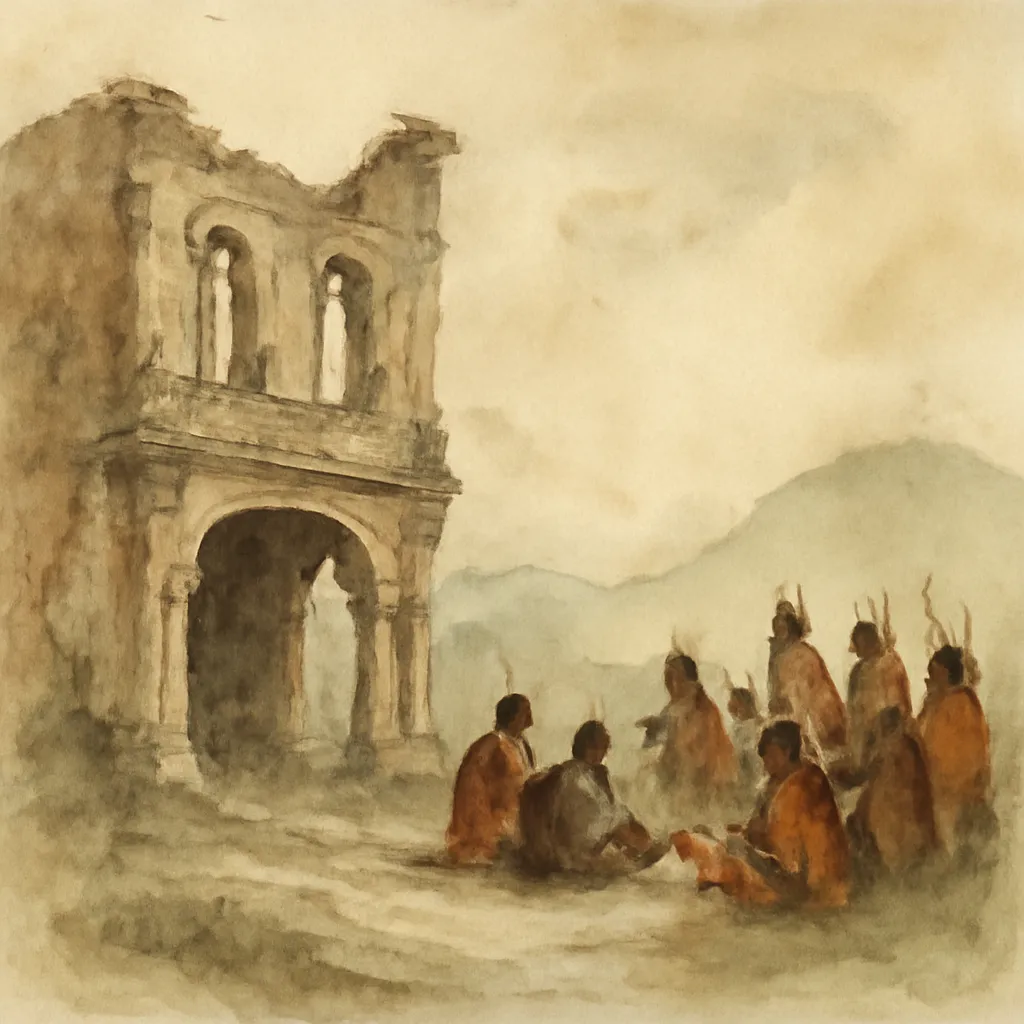
Speiser's writing paints a picture of the New Hebrides as a land of stark contrasts. The islands are adorned with breathtaking natural beauty, including pristine lagoons and lush forests, yet they also harbor a sense of danger and unpredictability. This duality is epitomized in Speiser's desire to convey the 'charm and the terrors of the islands.' The enchanting landscapes are juxtaposed with the harsh realities of life for both the colonizers and the natives, who navigate the complexities of their existence amidst the backdrop of colonialism and cultural change. The author's descriptions serve to remind readers that beauty often coexists with adversity, creating a rich tapestry of experiences that shape the identities of those living in this remote paradise.
2.A Mixed Bag of Encounters
Throughout his journey, Speiser encounters a variety of individuals, from the white colonists to the native islanders, each contributing to his understanding of the islands' intricate social dynamics. He expresses his gratitude towards figures like Mr. Morton King, the Resident, who provided him with hospitality and support. These interactions reveal the complexities of colonial relationships, often characterized by a blend of camaraderie and exploitation. Speiser’s accounts of the colonists highlight their diverse motivations—some genuinely seek to assist the natives, while others are driven by self-interest and profit. These encounters serve to emphasize the varied human experiences that populate the islands, illustrating the spectrum of relationships forged in the crucible of colonialism.
3.Nouméa: A Stagnant Port City
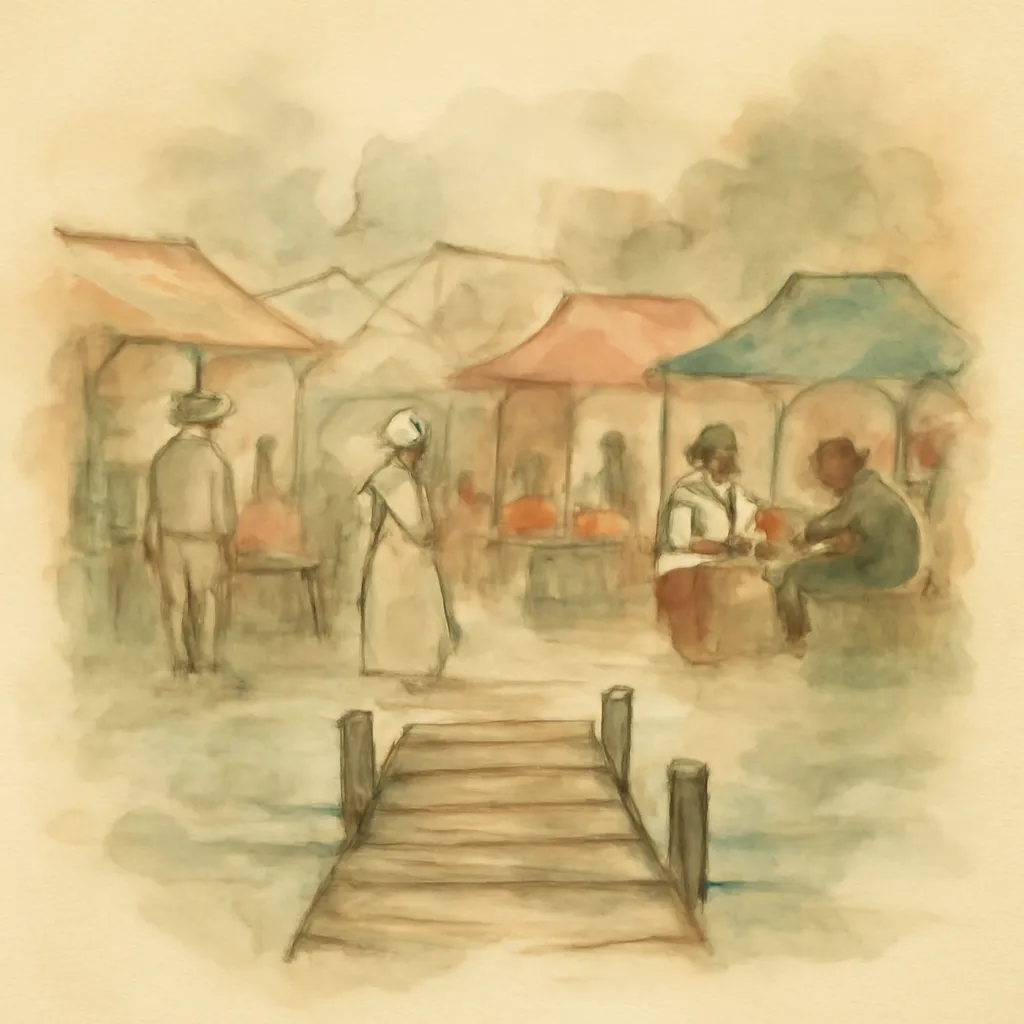
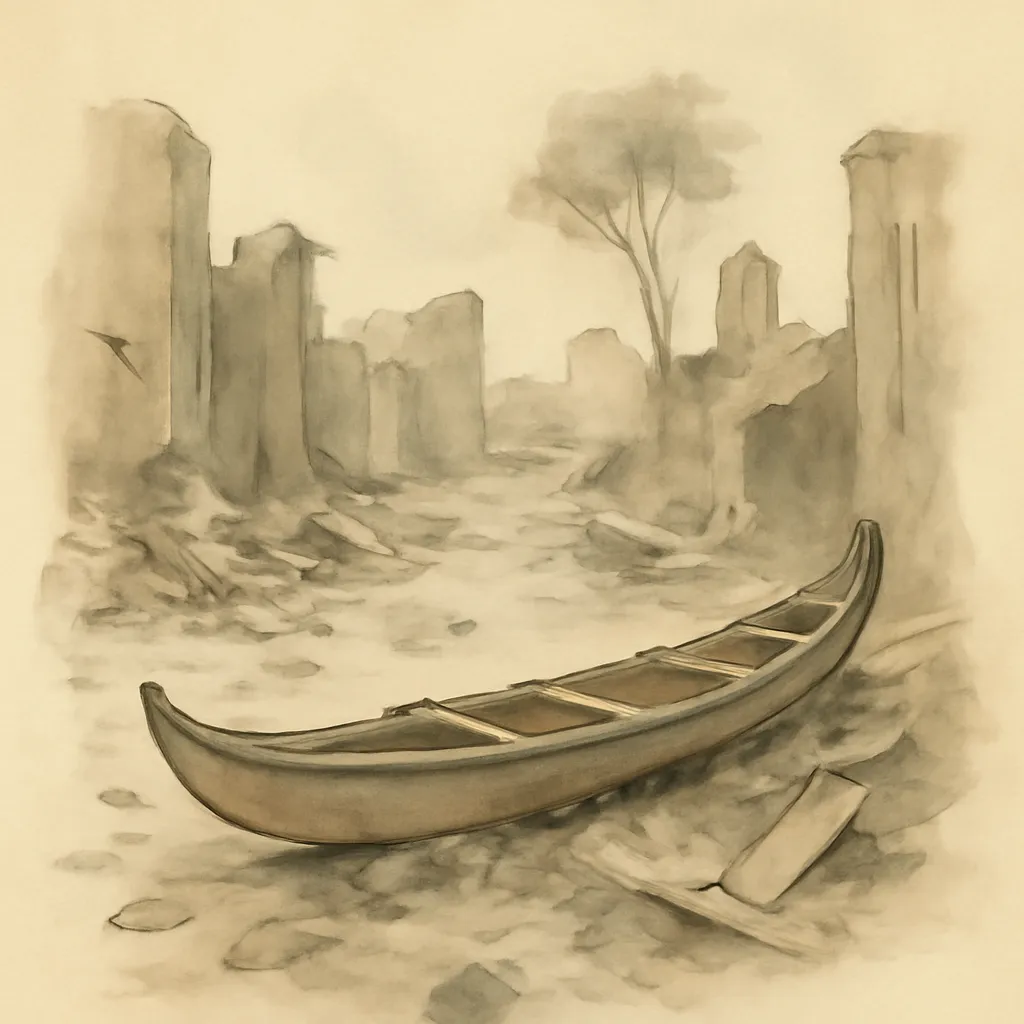
Speiser's arrival in Nouméa unfolds a narrative of disappointment. Once envisioned as a thriving hub, the city presents a dismal picture of decay and stagnation. The remnants of its former glory are evident in the crumbling infrastructure and the sparse activity in the harbor. Speiser observes the lifelessness of the streets, where few locals engage in commerce or community life. The atmosphere is permeated with a sense of ennui, punctuated only by the arrival of the mail-steamer, a rare event that draws the sparse population together. This portrayal serves as a commentary on the impact of colonial policies on urban development, revealing how the suppression of industries and the abandonment of military ambitions have left the city in a state of decline.
4.The Disappearance of Natives on Maeï
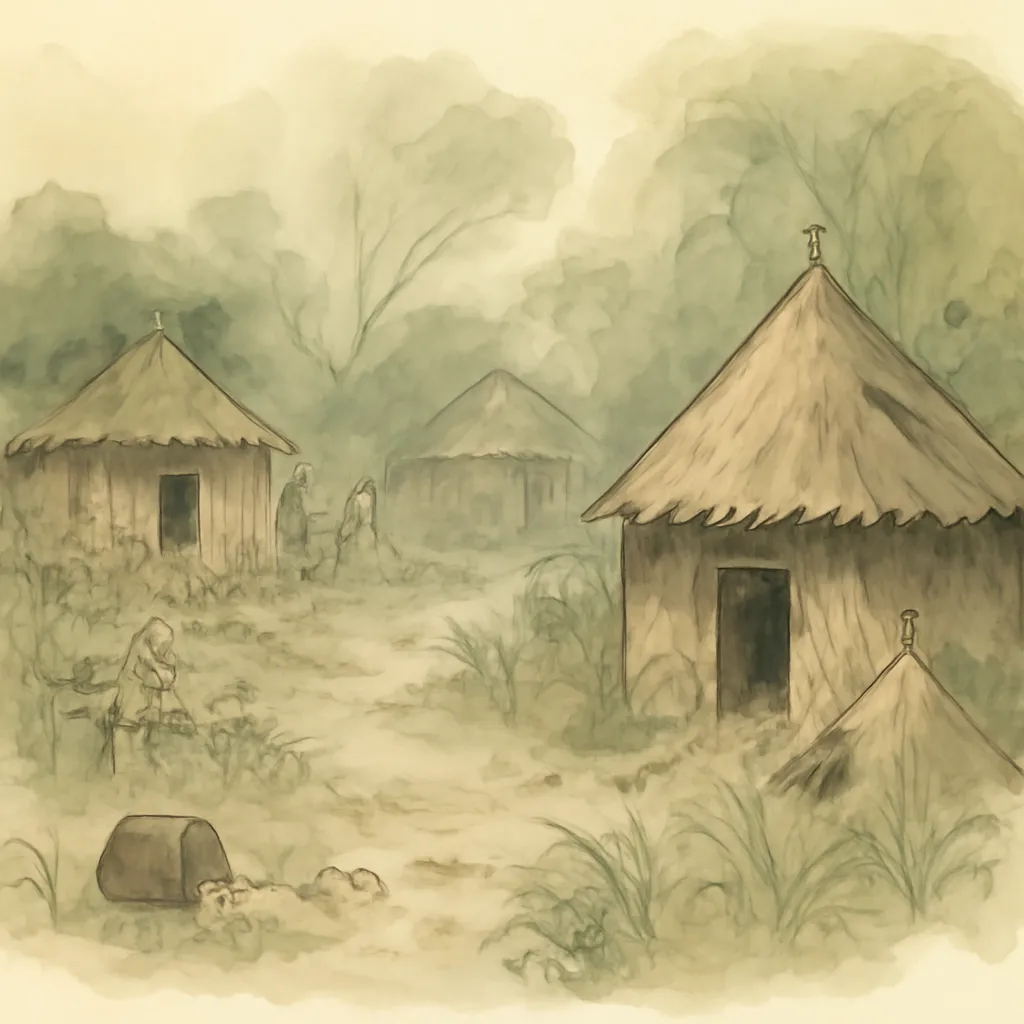
On the small island of Maeï, Speiser encounters a stark reality: the near extinction of the native population. The agent he meets is inebriated and unable to communicate effectively, symbolizing the broader plight of the islands' inhabitants. This interaction underscores the destructive effects of colonization and the alcohol trade, which have ravaged communities and eroded traditional ways of life. Speiser reflects on the complexities of these encounters, highlighting the challenges of communication and understanding across cultural divides. The story of Maeï serves as a poignant reminder of the fragility of indigenous cultures in the face of external pressures and the ongoing struggle for survival.
5.Tongoa: A Glimmer of Hope
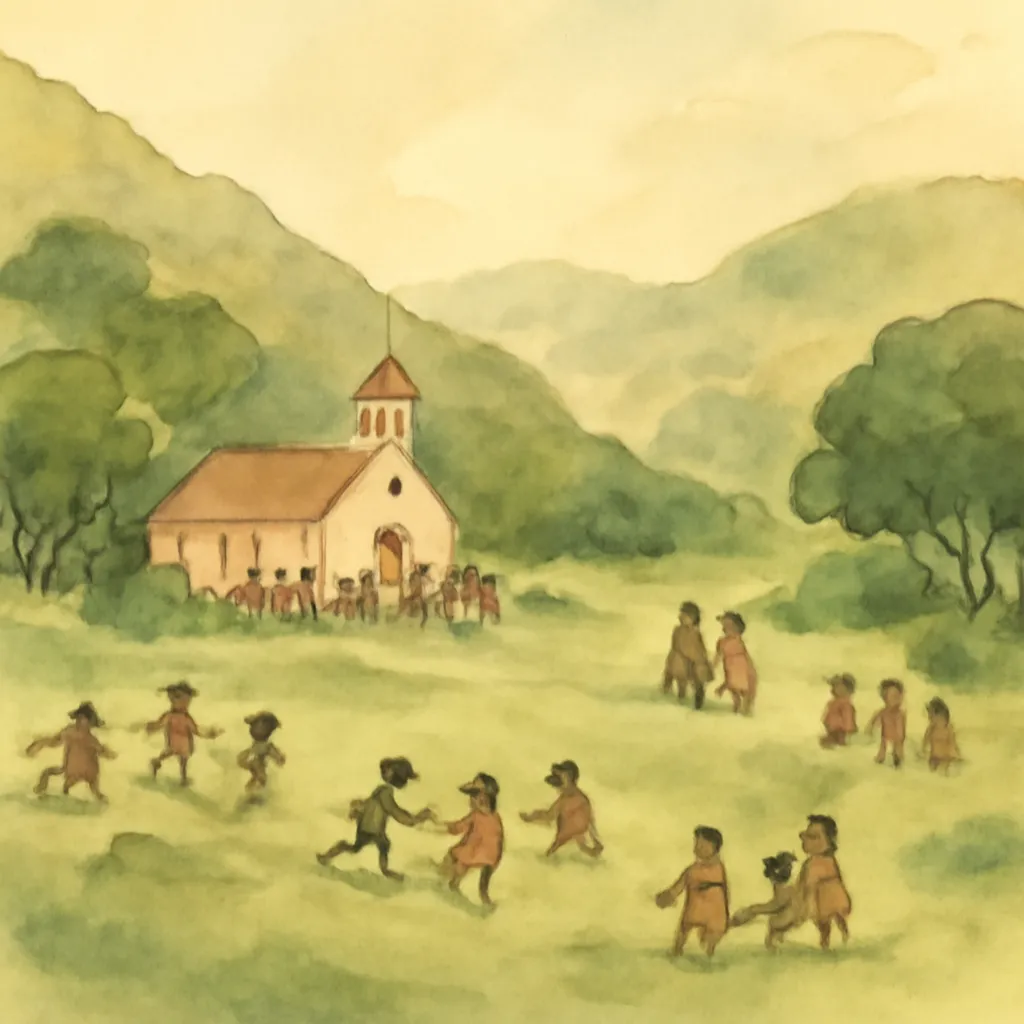
In contrast to Maeï, Tongoa emerges as a beacon of resilience, where the native population remains stable, largely attributed to the efforts of a dedicated Presbyterian missionary. Speiser acknowledges the missionary's role in fostering a sense of community and stability among the island's inhabitants. However, he also questions whether Christianity alone can account for the islanders' survival amidst the broader trends of population decline across the region. This observation prompts a deeper inquiry into the factors that contribute to the well-being of indigenous communities, challenging simplistic narratives about the impact of missionary work. The story of Tongoa illustrates the nuanced interplay of faith, culture, and survival in the New Hebrides.
6.The Segond Channel: A Passage Through Nature's Majesty
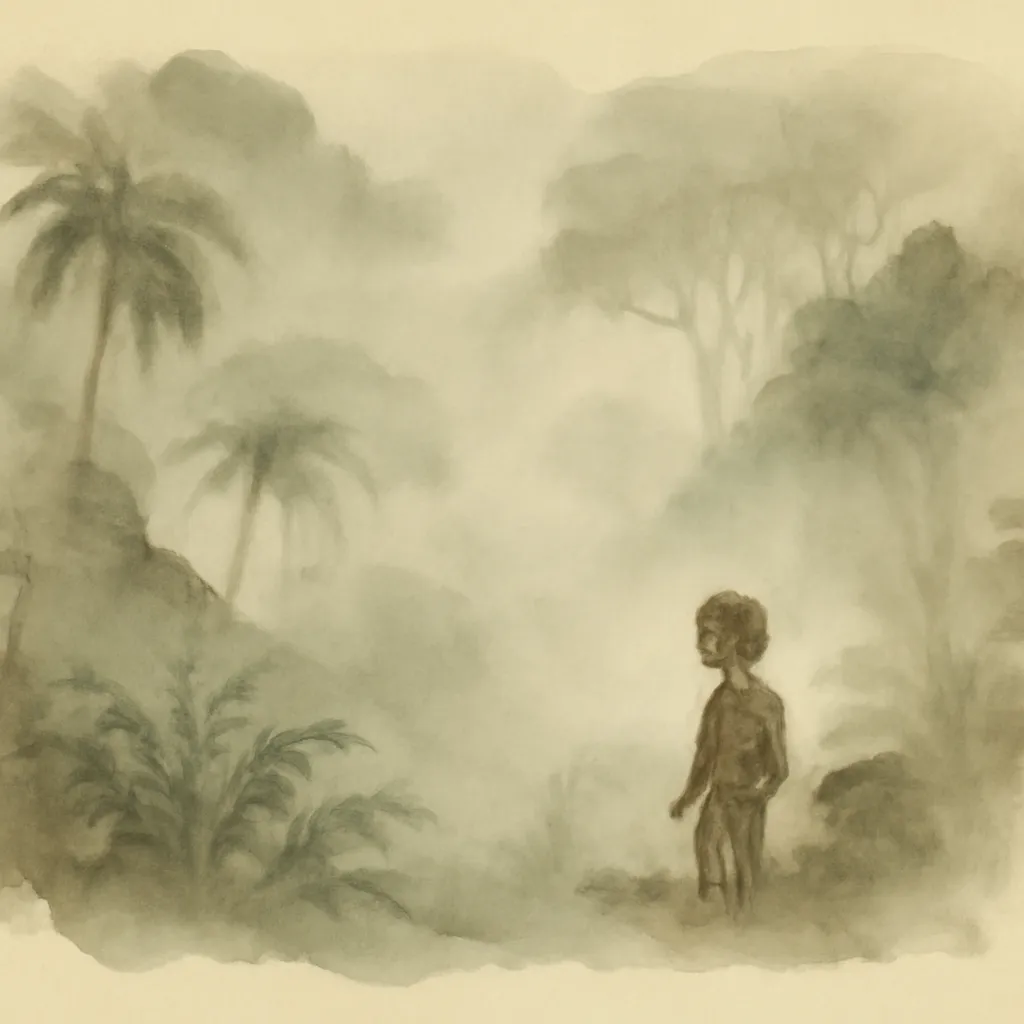
Speiser's journey through the Segond Channel showcases the breathtaking beauty of the New Hebrides' natural environment. As he navigates the narrow waters, he describes the lush vegetation that lines the banks, creating a stunning visual spectacle. This passage becomes a metaphor for the exploration of both the external world and the internal landscape of the self. The tranquility of the river and the vibrant life surrounding it offer a momentary escape from the challenges of colonial life, allowing Speiser to reflect on the deeper meaning of his experiences. The Segond Channel symbolizes the fusion of adventure and introspection, revealing the transformative power of nature in shaping one's understanding of place and identity.
7.Recruiting: The Dark Side of Labor Needs
The issue of labor recruitment in the New Hebrides unveils a troubling chapter in the islands' history. Speiser recounts the shift away from professional recruiters, who engaged in brutal practices to procure labor, towards a more regulated system. However, the remnants of these exploitative practices linger, as many planters continue to seek native labor under questionable conditions. The narrative exposes the complexities of economic necessity, as colonizers grapple with the need for labor while confronting the moral implications of their actions. Speiser's observations serve as a critique of the recruitment system, highlighting the ongoing struggle for dignity and autonomy among the indigenous population in a rapidly changing world.
8.Vao: A Vibrant Community Amidst Isolation
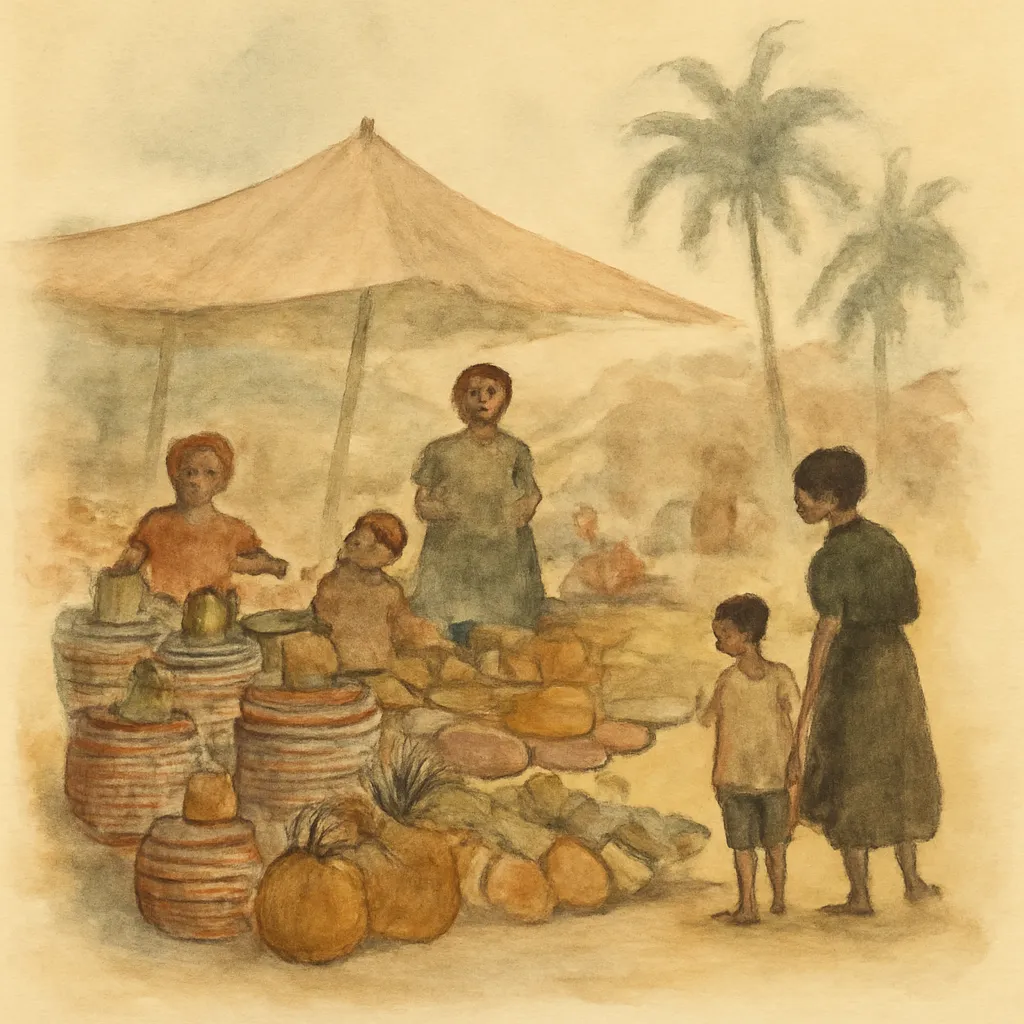
In Vao, Speiser discovers a thriving community that stands in stark contrast to the desolation observed elsewhere. The island's population is lively and engaged, with a palpable sense of joy permeating daily life. Speiser's descriptions of the islanders' carefree existence and communal spirit highlight the resilience of human connections in the face of external pressures. The vibrant atmosphere of Vao serves as a reminder that culture and community can flourish even in isolated environments, offering a counter-narrative to the prevailing themes of decline and despair. This chapter emphasizes the importance of human relationships in sustaining cultural identity and the power of place to shape collective experiences.
9.The Struggles of Santo: A Fragmented Society
Santo presents a complex landscape of cultural fragmentation and social disarray. Speiser observes a population grappling with the remnants of colonial influence, where the authority of traditional leaders has weakened, leading to increased lawlessness and immorality. The tensions between different missionary factions further exacerbate the instability, creating an environment rife with intrigue and conflict. Speiser's portrayal of Santo serves as a microcosm of the broader challenges faced by indigenous communities navigating the turbulent waters of colonialism and modernization. This chapter underscores the need for cohesive leadership and a renewed sense of community to address the issues plaguing the islands.
10.Pygmies: The Quest for the Unknown
Speiser's fascination with the possibility of pygmy inhabitants in the region reflects a broader curiosity about the unknown and the allure of discovery. His encounters with local guides and their tales of small, elusive people reveal the intersection of myth and reality in the exploration of the islands. This quest for understanding underscores the importance of listening to local narratives and respecting indigenous knowledge. The search for the pygmies represents a deeper longing for connection with the land and its inhabitants, challenging preconceived notions about the nature of exploration. Speiser's journey becomes a metaphor for the quest for authenticity in a rapidly changing world, where the lines between fact and fiction often blur.
11.Cultural Practices: The Significance of Rituals
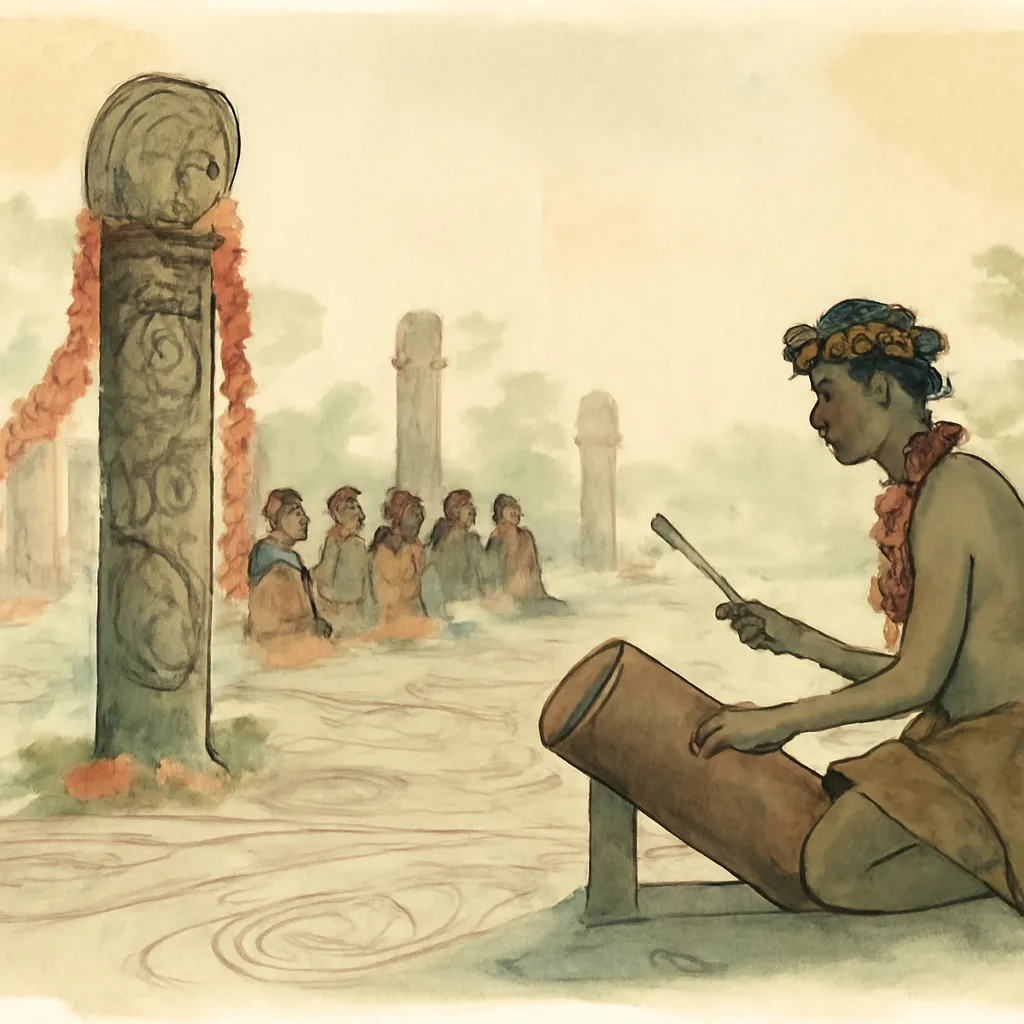
Speiser's exploration of local customs, such as the 'sing-sing' ceremony, highlights the rich cultural tapestry woven into the daily lives of the islanders. These rituals serve as a means of community bonding and cultural expression, allowing individuals to connect with their heritage and each other. The vibrancy of these practices stands in stark contrast to the encroaching influence of colonialism, offering a glimpse into the resilience of indigenous cultures. Speiser's observations emphasize the importance of preserving these traditions, as they play a crucial role in maintaining cultural identity and fostering a sense of belonging. This chapter serves as a reminder that, amidst the challenges of modernity, the power of culture and ritual endures.
12.Reflections on Colonialism and Identity
Throughout his journey, Speiser grapples with the implications of colonialism on both the colonizers and the colonized. His reflections reveal a deep awareness of the complexities of identity in a colonial context, where individuals are often caught between competing cultural influences. Speiser's desire to understand the native population is tempered by the awareness of his own position as an outsider. This tension underscores the challenges of representation and authenticity in the narratives surrounding colonization. The author’s introspection invites readers to consider their own perspectives on cultural identity and the legacies of colonialism, fostering a deeper understanding of the complexities of human experience in a globalized world.