1.The Duality of Humanity
Stowe introduces contrasting characters that embody the duality of humanity in the context of slavery. Mr. Shelby, a seemingly kind slave owner, grapples with the moral implications of selling Uncle Tom, a loyal and hardworking slave. Meanwhile, Haley, the trader, represents the cold commodification of human lives, viewing enslaved people as mere property. This juxtaposition highlights how individuals can embody both compassion and cruelty, forcing readers to confront their own moral standings. Stowe effectively uses these characters to showcase that humanity is not a fixed trait but rather a spectrum influenced by societal norms and personal choices. The novel compels readers to reflect on their complicity in systems of oppression and the importance of moral courage.
2.The Power of Maternal Love
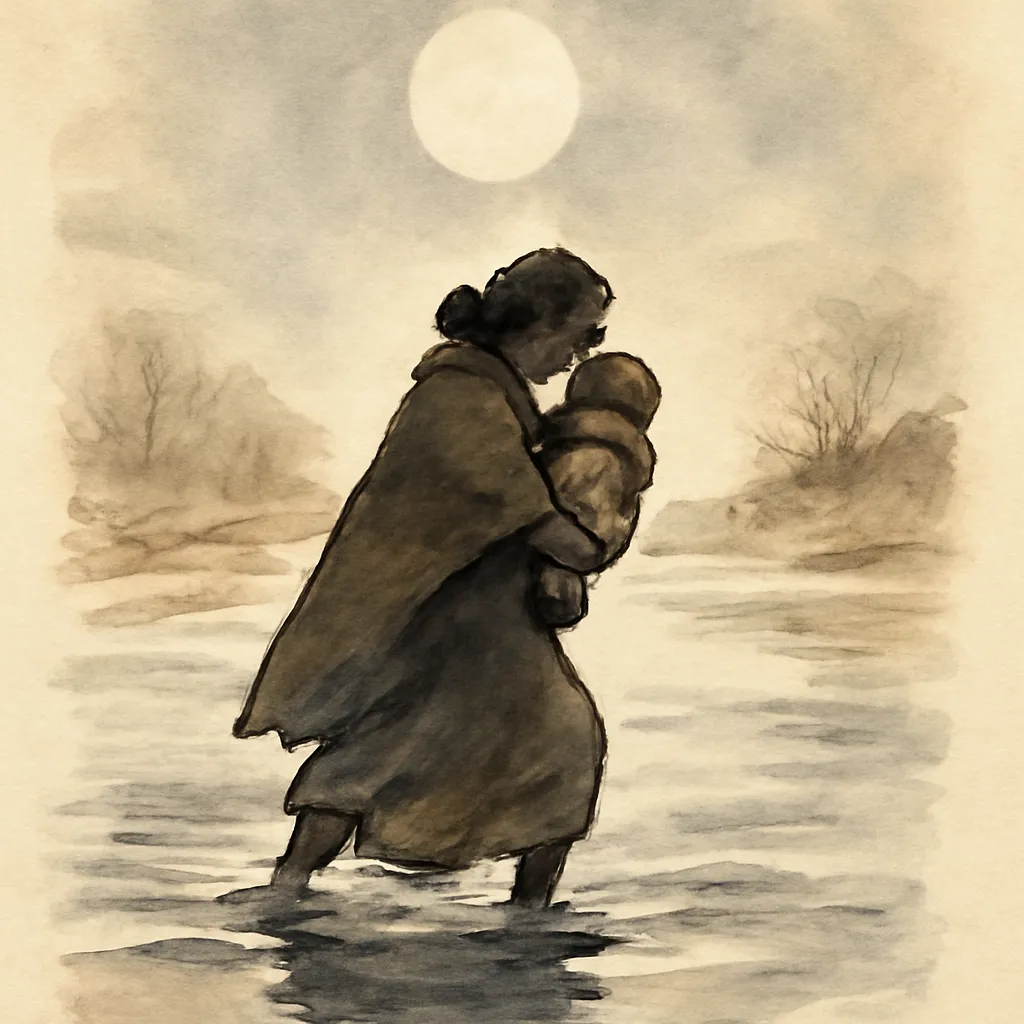
Eliza's desperate escape to save her son Harry from being sold underscores the theme of maternal love as a driving force in human resilience. Her journey across icy waters symbolizes the lengths to which a mother will go to protect her child. Stowe paints a poignant picture of Eliza's internal struggle, torn between the safety of her home and the impending threat of separation from her son. This maternal instinct is a powerful motivator that transcends the oppressive realities of slavery, illustrating the indomitable spirit of a mother. Eliza's character forces the reader to empathize with the plight of enslaved mothers, who not only face the loss of their children but also the societal forces that dehumanize them. Stowe's portrayal of Eliza elevates the narrative from mere tragedy to a profound exploration of love's ability to inspire bravery and defiance.
3.Uncle Tom: A Complex Hero
Uncle Tom emerges as a multifaceted character whose faith and moral integrity challenge the reader's perceptions of heroism. Unlike typical portrayals of heroes, Tom embodies a quiet strength rooted in his Christian beliefs. His willingness to endure suffering for the sake of others showcases a selflessness that transcends the horrors of slavery. Through Tom's interactions with various characters, including the benevolent St. Clare and the cruel Haley, Stowe illustrates how his steadfastness affects those around him. Tom's eventual martyrdom serves as a powerful commentary on the sacrifices made by countless enslaved individuals who resisted oppression through love and dignity. His character challenges the reader to consider the true nature of heroism and the profound impact of one's choices in the face of systemic cruelty.
4.The Role of Women in the Anti-Slavery Movement
Stowe highlights the pivotal role of women in the fight against slavery, showcasing characters like Eliza and Miss Ophelia. Eliza's fierce determination to protect her child and escape the clutches of slavery exemplifies the strength and resilience of women facing oppression. Meanwhile, Miss Ophelia's transformation from a Northern abolitionist with preconceived notions about slavery to a compassionate advocate for Tom reflects the potential for personal growth and understanding. The novel emphasizes that women, often relegated to the private sphere, possess the power to instigate change and challenge societal norms. Stowe's portrayal of these women underscores the importance of female voices in the abolitionist movement, inviting readers to recognize the contributions of women in shaping social justice.
5.The Moral Dilemma of Slave Ownership
The moral complexities surrounding slave ownership are central to the narrative, particularly through the character of Mr. Shelby. Initially portrayed as a relatively sympathetic master, Shelby's decision to sell Tom reveals the internal conflicts faced by slave owners. His desire to maintain a facade of gentility while participating in the dehumanization of others serves as a critique of the societal norms that justify slavery. Stowe prompts readers to consider the ethical implications of benefiting from an unjust system, challenging the notion that kindness can coexist with oppression. This moral dilemma highlights the broader societal complicity in slavery, forcing readers to confront their own ethical responsibilities in the face of injustice.
6.The Impact of Religion on Characters' Choices
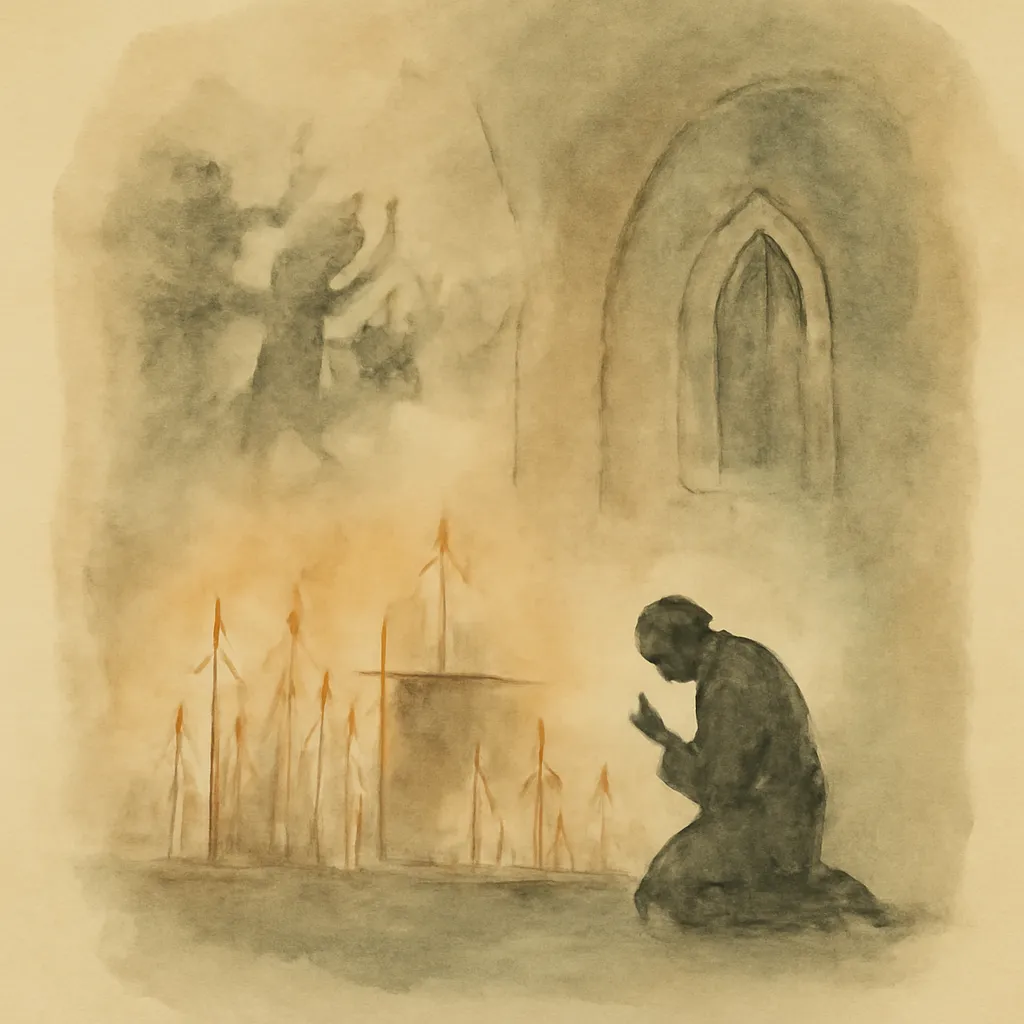
Religion plays a significant role in shaping the characters' choices and moral frameworks throughout 'Uncle Tom's Cabin.' Uncle Tom's unwavering faith provides him with strength and resilience in the face of adversity, offering a stark contrast to characters like Haley, who lack moral conviction. Tom's belief in a higher power gives him the fortitude to endure suffering while maintaining his integrity. Stowe uses Tom's faith to illustrate the transformative power of spirituality, suggesting that true strength lies in one's ability to hold onto hope and compassion even amidst despair. This exploration of faith challenges readers to reflect on the role of spirituality in their own lives and its potential to inspire action against injustice.
7.The Consequences of Indifference
Stowe poignantly addresses the consequences of indifference toward the plight of enslaved individuals, particularly through the character of Mrs. Shelby. Her initial detachment from the realities of slavery reflects a broader societal apathy that allows for the continuation of such injustices. As she grapples with the impending sale of Tom, Mrs. Shelby's internal conflict serves as a microcosm of the moral struggles faced by many in her position. Stowe warns that indifference enables the perpetuation of suffering and injustice, urging readers to recognize their responsibility to advocate for change. The novel serves as a powerful reminder that the cost of inaction is often borne by the most vulnerable members of society, compelling readers to confront their own complacency.
8.Friendship Across Boundaries
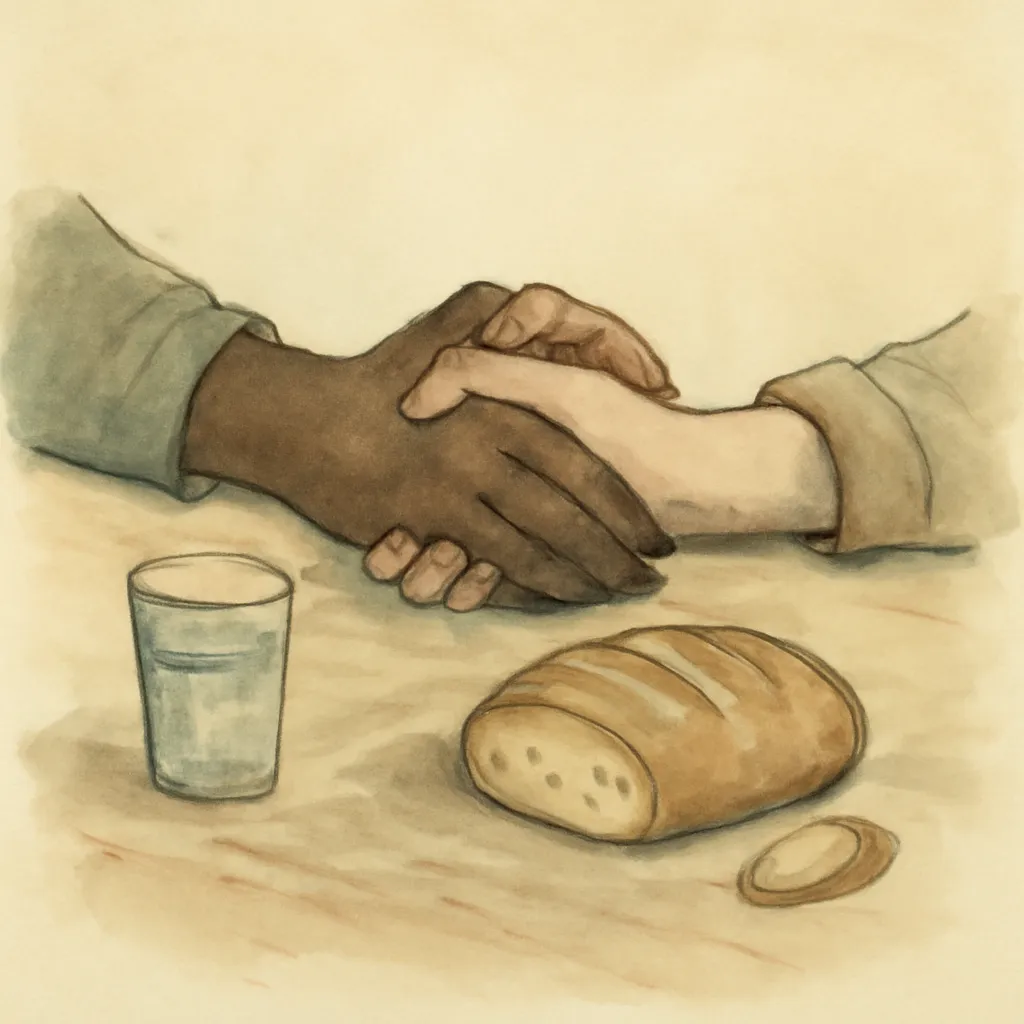
The theme of friendship emerges as a powerful counterpoint to the divisions created by slavery, particularly through the bonds formed between characters like Tom and Eva. Their relationship transcends the societal boundaries of race and class, showcasing the potential for genuine connection and understanding. Eva's innocent compassion and Tom's unwavering goodness create a poignant narrative of love that defies the oppressive structures surrounding them. Stowe uses their friendship to illustrate the transformative power of empathy, suggesting that human connection can challenge the status quo and foster change. This theme invites readers to consider the importance of building bridges across divides in their own lives and communities.
9.The Horrors of the Slave Trade
Stowe does not shy away from depicting the brutal realities of the slave trade, using vivid imagery to convey the dehumanization faced by enslaved individuals. The scenes of separation, violence, and exploitation serve as a stark reminder of the horrors that many endured. Characters like Eliza and George Harris embody the anguish of families torn apart, as they navigate the treacherous landscape of a society that commodifies human beings. Stowe's unflinching portrayal of these horrors serves as a powerful indictment of the institution of slavery, compelling readers to confront the moral implications of such practices. By exposing the stark realities of the slave trade, Stowe advocates for empathy and awareness, urging readers to take a stand against such injustices.
10.Hope and Redemption Amidst Despair
Despite the heavy themes of suffering and injustice, 'Uncle Tom's Cabin' ultimately offers a message of hope and redemption. Characters like Uncle Tom embody the belief that love and faith can prevail even in the darkest circumstances. Stowe suggests that while the struggle for freedom is fraught with challenges, the human spirit's capacity for resilience can lead to eventual liberation. The novel's conclusion, while bittersweet, emphasizes the enduring power of hope and the possibility of redemption through love and sacrifice. Stowe's message resonates deeply, reminding readers that even amidst despair, there remains a path toward healing and justice.