1.The Complexity of Death in Society
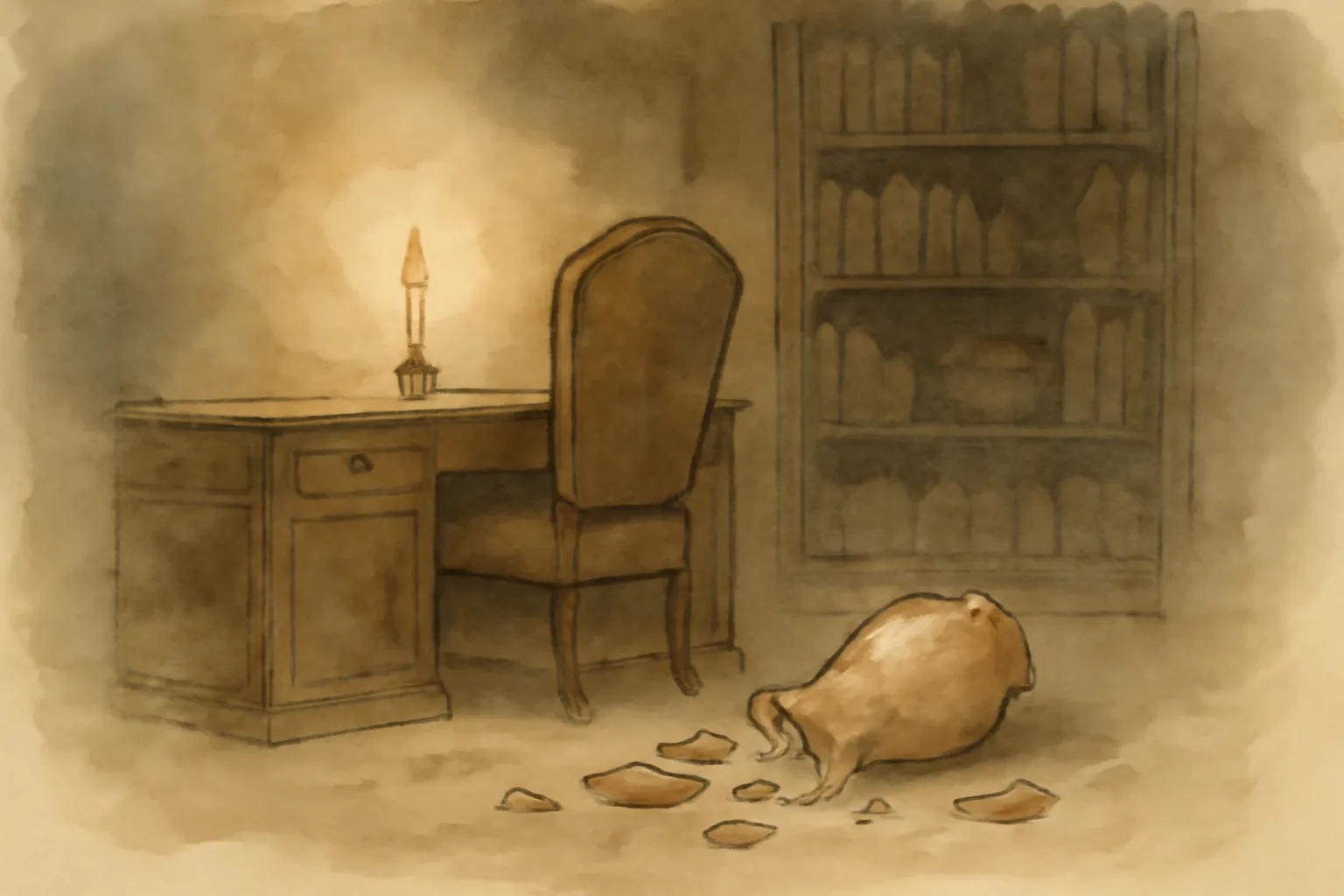
Sayers explores the multifaceted nature of death, particularly in the context of societal expectations and the medical profession's role in it. The characters grapple with the implications of declaring a death as natural or unnatural, revealing how societal biases can cloud judgment. Dr. Paterson's reluctance to issue a death certificate for Mrs. Taylor highlights the delicate balance doctors must maintain between their professional duties and the expectations of the families they serve. This complexity is emphasized when Lord Peter Wimsey questions the motivations behind the medical assessments, suggesting that the truth of death is often obscured by personal interests and societal pressures. The narrative showcases how the intersection of personal belief and professional obligation complicates the determination of a death's legality and morality, challenging readers to consider how societal norms shape perceptions of life and death.
2.Class and Gender Dynamics
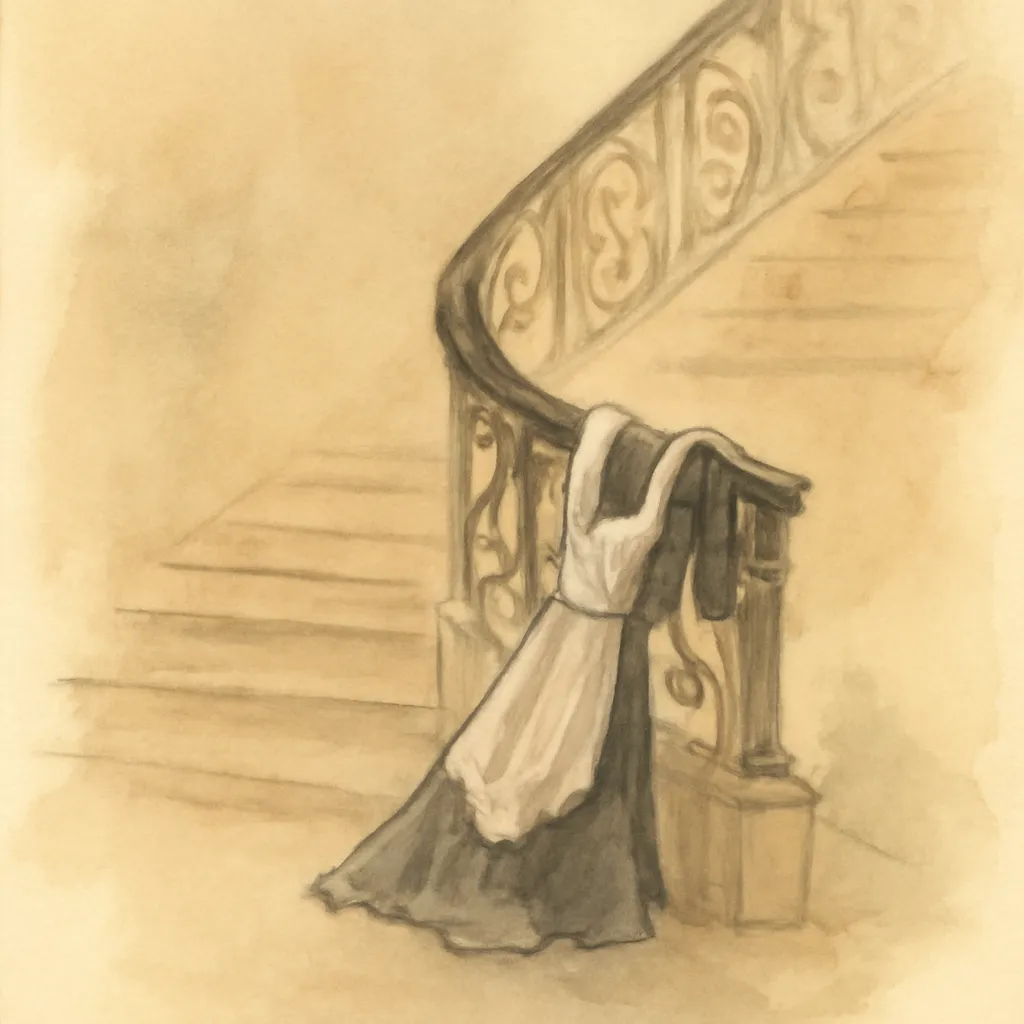
The novel delves into the class structures of early 20th-century England, examining how these structures influence perceptions of crime and morality. Sayers contrasts the aristocratic world of Lord Peter with the struggles of those from lower social classes, such as the maid and the nurse involved in the case. The interactions between characters from different social backgrounds reveal ingrained prejudices and assumptions. Furthermore, Sayers addresses the gender dynamics at play, particularly through Mary Whittaker, who embodies both the limitations placed on women and their potential for agency. Her struggle serves as a critique of the era's societal expectations, emphasizing the need for women to assert their independence. The relationship between the characters serves as a mirror reflecting the broader social context, where class distinctions lead to different moral understandings and justice experiences. For instance, the condescension exhibited by certain characters toward the lower classes underscores a critical lens through which Sayers examines societal hypocrisy.
3.The Role of Intuition and Instinct

Central to Wimsey's investigation is the tension between intuition and empirical evidence. While Parker, his companion, embodies the official approach of seeking concrete proof, Wimsey relies on his instincts to guide him. This philosophical divide illustrates a fundamental question in detective fiction: is intuition as valuable as hard evidence? Sayers showcases how Wimsey’s hunches often lead him closer to the truth than the rigid methodologies employed by law enforcement. For example, Wimsey's keen observation of character motivations and the significance of seemingly innocuous details leads to crucial breakthroughs in the case. The contrast between the two detectives emphasizes that while evidence is essential, the nuances of human behavior often provide the most significant insights. The narrative thus invites readers to consider the interplay between emotional intelligence and logical reasoning, suggesting that a balanced approach may be necessary to unravel complex mysteries.
4.The Impact of Family Secrets

Family dynamics are pivotal in the unfolding of the plot, particularly the hidden secrets that can lead to tragic consequences. The relationship between Agatha Dawson and her great-niece, Mary Whittaker, is fraught with tension and unspoken resentment, which becomes pivotal in unraveling the mystery. Sayers illustrates how familial bonds can be both nurturing and destructive, creating a fertile ground for betrayal. The revelation of the will and the implications of inheritance serves as a catalyst for the actions taken by the characters, demonstrating how greed can corrupt even the closest relationships. This exploration of family secrets reflects a broader commentary on the impact of wealth and legacy, as characters are often driven to extreme actions by the desire for financial security or social status. The tension between Mary and Miss Dawson reveals deep-rooted conflicts that highlight how familial loyalty can clash with personal ambition, leading to a tragic unraveling of relationships.
5.Moral Ambiguity in Justice
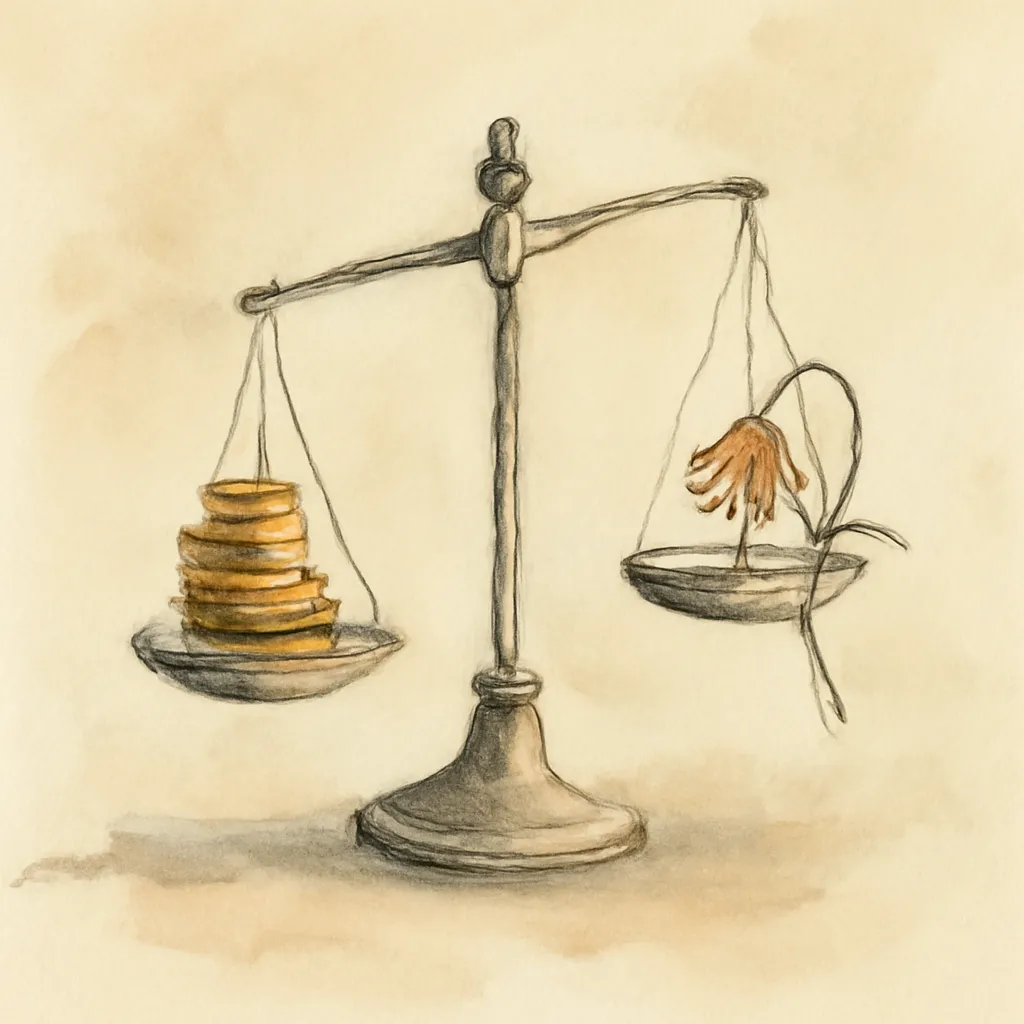
Sayers challenges the notion of clear-cut moral justice through the ambiguous nature of the characters' actions. Lord Peter's pursuit of the truth is not merely about solving a crime; it also involves grappling with ethical dilemmas. The motivations behind murder, such as financial gain or emotional turmoil, complicate the idea of justice. As Wimsey navigates the murky waters of morality, readers are prompted to reflect on the complexities of human behavior and the reasons individuals commit heinous acts. The characters' motivations are not simplistic; they stem from a confluence of personal desires, psychological struggles, and societal pressures. This moral ambiguity serves to deepen the narrative, making the resolution of the mystery more thought-provoking than merely a quest for justice. The nuances of good and evil blur as characters reveal their vulnerabilities, compelling readers to confront the uncomfortable truth that motivations for crime often stem from human frailty.
6.The Influence of Gossip and Public Perception

Gossip emerges as a powerful force within the narrative, shaping characters' reputations and influencing the investigation. Sayers illustrates how public perception can distort reality, often leading to wrongful assumptions about characters’ motives. The dialogue surrounding Miss Dawson's death is rife with speculation, demonstrating how easily truth can become obscured in the face of rumor. Gossip affects not only the investigation but also the personal lives of the characters, as they navigate the consequences of public scrutiny. This exploration of public perception highlights the theme of truth versus appearance, a recurrent motif in detective fiction. By depicting the power of gossip, Sayers critiques the societal tendency to judge without complete knowledge, emphasizing the dangers of assumptions and misinterpretations. The novel ultimately suggests that the pursuit of truth is often hindered by societal narratives that favor sensationalism over accuracy.
7.Forensic Science and Its Implications

The novel features a backdrop of emerging forensic science, reflecting the changing landscape of criminal investigation during the time. Sayers integrates elements of medical examination and the burgeoning field of criminology into the narrative, showcasing how these advancements can aid in uncovering the truth of a crime. Characters like Dr. Paterson embody the tension between traditional practices and the new methodologies that challenge established norms. The incorporation of forensic science not only adds authenticity to the plot but also serves as a commentary on the evolving nature of justice and the importance of evidence in the pursuit of truth. This emphasis on scientific inquiry signals a shift towards a more rational understanding of crime, contrasting with the more emotional responses of the characters involved. Sayers thus not only crafts a gripping narrative but also engages with contemporary debates about the validity and reliability of emerging scientific methods in legal contexts.
8.The Power of Female Agency
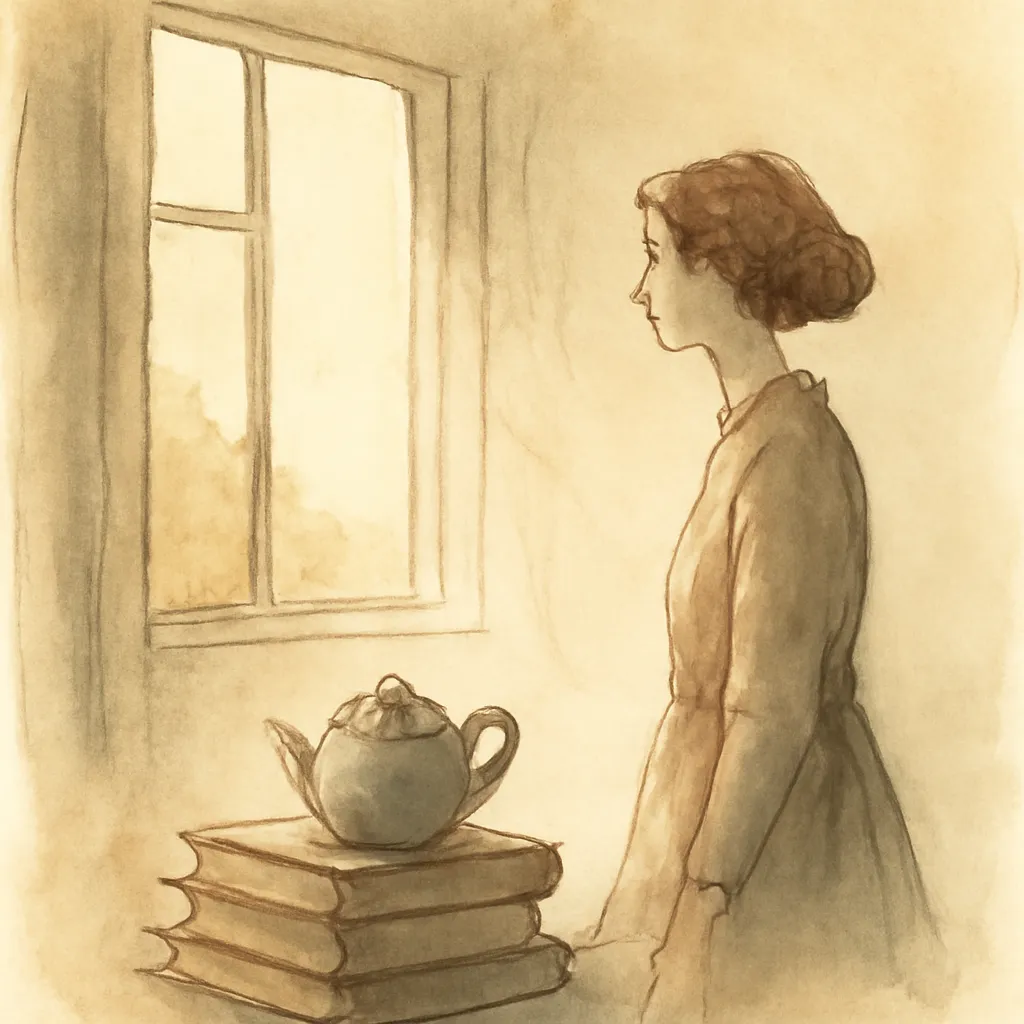
Through characters like Miss Climpson and Mary Whittaker, Sayers emphasizes the theme of female agency in a male-dominated world. Miss Climpson, as a spinster detective, embodies a departure from traditional gender roles, showcasing intelligence and resourcefulness. Her involvement in the investigation highlights the often-overlooked contributions of women in society. Meanwhile, Mary Whittaker's struggle against societal expectations reflects the broader challenges faced by women seeking autonomy. Sayers' portrayal of these characters serves as a critique of gender norms and an exploration of the potential for women to assert their agency in various spheres of life, including crime-solving and social commentary. Their journeys reflect the complexities of navigating a world that often undermines their abilities and aspirations. The interactions between male and female characters further underscore the theme of agency, revealing how collaboration can lead to profound insights and progress.
9.The Nature of Evil
Sayers invites readers to ponder the nature of evil through the actions of her characters. The motivations behind the murder are not simply rooted in malice but are also tied to deeper psychological issues and societal pressures. Characters like Mary Whittaker embody a complex blend of vulnerability and ruthlessness, challenging the simplistic categorization of good versus evil. This exploration of evil as a multifaceted concept encourages readers to consider the underlying factors that drive individuals to commit acts of violence. Sayers' nuanced portrayal of her characters reflects a deep understanding of human psychology and the moral dilemmas that accompany it. The novel compels readers to confront the uncomfortable truth that evil often resides within individuals shaped by their circumstances, rather than being an inherent trait. This perspective prompts a re-examination of how society defines and responds to crime.
10.The Intersection of Crime and Society

Sayers critiques the social structures that contribute to crime, particularly the disparities between classes and their implications for justice. The investigation into Miss Dawson's death serves as a lens through which the reader can examine the broader societal issues at play. The interactions between characters from different backgrounds reveal the ways in which privilege and power can influence outcomes. The narrative highlights how those in higher social strata often escape scrutiny while those in lower classes face harsh judgment. This intersection of crime and society prompts critical reflection on the systemic inequalities that persist, highlighting the need for a more equitable approach to justice. Sayers' commentary on these issues remains relevant, resonating with contemporary discussions about class and justice. The portrayal of the legal and social responses to the crime reflects an ongoing tension between societal expectations and individual circumstances, encouraging readers to consider how socio-economic factors shape the pursuit of justice.