1.The Birth of a Dream Amid Adversity
Booker T. Washington was born into slavery on a Virginia plantation, where his early life was marked by hardship and uncertainty. Despite the oppressive conditions, he found a spark of hope in the possibility of freedom. The moment of emancipation following the Civil War was not just a legal change; it represented a profound shift in identity for many former slaves. Washington illustrates this transition with poignant anecdotes about how many freedmen sought to change their names and establish their own identities, signifying a deep desire for autonomy and dignity. The act of renaming was a powerful statement of self-identity and agency, reflecting a collective yearning to break free from the shackles of their past. This quest for self-definition was foundational to the African American experience during Reconstruction, as individuals grappled with the legacy of slavery and the promise of new beginnings.
2.The Quest for Education

Washington's pursuit of education was a critical turning point in his life. After hearing about the Hampton Normal and Agricultural Institute, he became determined to attend, viewing it as a pathway to a better future. His time in the coal mines to save money for tuition exemplifies his commitment to self-improvement. Washington was captivated by the concept of education as a means of liberation and empowerment. He viewed his struggles in the mines not just as labor, but as a necessary sacrifice toward a greater goal. Furthermore, the rigorous environment at Hampton taught him the importance of practical skills alongside academic knowledge. Washington's experiences at Hampton, particularly under the guidance of General Armstrong, instilled in him the belief that education should be directly tied to industrial training. This notion would later shape his educational philosophy at Tuskegee, where he emphasized the importance of combining academic learning with vocational skills to empower his students.
3.Building Tuskegee: A Vision for Empowerment
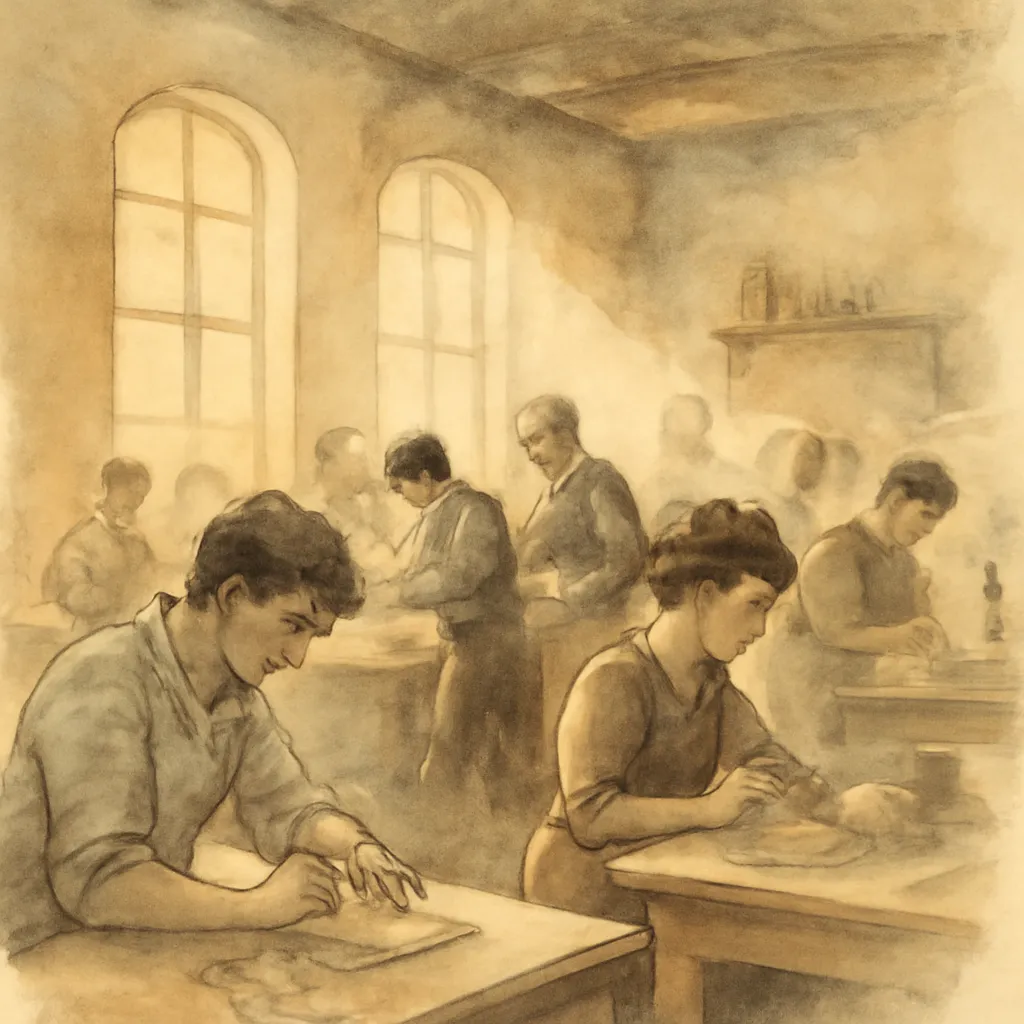
Washington's vision for the Tuskegee Normal and Industrial Institute was rooted in the belief that education could uplift the African American community. Upon establishing the school, he faced numerous challenges, including a lack of funds and resources. Washington's innovative approach involved having students participate in the construction of their own school buildings, which served dual purposes: teaching them valuable trade skills while fostering a sense of ownership and pride in their education. This hands-on experience was revolutionary and instilled in students a solid work ethic and a strong sense of community. Washington’s insistence on manual labor as part of education was a direct challenge to the prevailing notions of what constituted a respectable education for African Americans. His focus on industrial education aimed to prepare students not only for jobs but for meaningful, productive lives, emphasizing dignity in labor.
4.The Importance of Community Support
Washington understood that the success of Tuskegee depended not just on the efforts of its students and faculty but also on the support of the wider community. He actively sought to engage both white and black communities in the school's mission, advocating for mutual respect and collaboration. His fundraising efforts included seeking donations from individuals and organizations, demonstrating his belief in collective responsibility for education. Washington's approach to building relationships was rooted in a philosophy of service and cooperation, reflecting his understanding that true progress could only be achieved through unity. He often spoke of the significance of shared goals and mutual interests that transcended racial boundaries, asserting that both races had something to gain from working together toward the common good. This outreach was crucial in an era when racial tensions often overshadowed efforts for social advancement.
5.Overcoming Financial Obstacles

Throughout his career, Washington faced significant financial challenges in sustaining Tuskegee. He recounts numerous instances where the school struggled to meet its operational costs, requiring him to be resourceful and innovative in fundraising. One notable effort included a successful tour with General Armstrong to raise awareness and funds for the school. Washington’s ability to mobilize resources was not merely about financial gain; it was also about creating a network of supporters who believed in the mission of Tuskegee. He organized meetings and events, often leveraging his public speaking skills to convey the importance of investing in education for African Americans. This commitment to fundraising required both courage and ingenuity, as he had to persuade donors of the long-term benefits of supporting a school that aimed to elevate an entire community. Washington understood that financial stability was essential for the school's longevity and that it was his responsibility to ensure that the institution could continue to serve its students and the community.
6.Racial Relations: A Delicate Balancing Act

Washington's philosophy on race relations was characterized by a belief in gradual progress through education and economic development rather than immediate political rights. His famous Atlanta Exposition address exemplified this stance, where he called for cooperation between the races while emphasizing the importance of industrial education for African Americans. Washington argued that establishing economic stability and respect would ultimately lead to social and political equality. He believed that if African Americans could prove their value as industrious citizens, society would come to recognize their rights. This perspective highlights the complexities of navigating racial dynamics in a deeply segregated society, where the pursuit of dignity and respect was often fraught with tension. Washington's willingness to engage with white leaders and advocate for a collaborative approach was both praised and criticized, demonstrating the challenges inherent in his approach.
7.Lessons in Leadership and Resilience
Washington's life story serves as a testament to the power of resilience and effective leadership. Despite facing numerous setbacks, including financial difficulties and societal opposition, he remained steadfast in his commitment to education and community upliftment. His leadership style was characterized by a blend of humility and determination, as he sought to inspire others through his actions. Washington believed that true leadership involved serving others and lifting them up, a principle that guided his work at Tuskegee. His ability to adapt to changing circumstances and maintain focus on long-term goals exemplifies the kind of resilience that is essential for any leader facing adversity. Washington's experiences demonstrate that effective leadership is not about seeking personal glory but about cultivating a vision that prioritizes collective well-being.
8.A New Era of Industrial Progress
In his Atlanta Exposition address, Washington articulated a vision for a new era of industrial progress for African Americans. He emphasized the need for practical skills and economic independence as pathways to empowerment. By advocating for a focus on vocational training, Washington challenged the prevailing educational paradigms that prioritized classical education over practical skill development. He urged his audience to recognize the value of labor and craftsmanship, positioning industrial education as a vehicle for economic advancement. This vision resonated with many in the audience, as it offered a pragmatic approach to addressing the challenges faced by the African American community in the post-Reconstruction era. Washington's address was not merely a call to action; it was a profound statement of hope that sought to inspire a shift in mindset toward valuing hard work and practical skills as essential components of progress.
9.Personal Reflections and Legacy
Washington's reflections on his life reveal a deep sense of gratitude and a commitment to the principles of service and upliftment. He often expressed appreciation for the mentors and supporters who played crucial roles in his journey. His marriage to Margaret James Murray further enriched his life, as she became an integral partner in his work at Tuskegee and in community outreach. Washington's legacy is not only found in the institution he built but also in the countless lives he impacted through his educational philosophy. His emphasis on self-reliance, hard work, and community service continues to inspire generations, underscoring the importance of education as a foundation for social change. Washington's ability to create a nurturing environment at Tuskegee fostered a sense of belonging and purpose among students, empowering them to pursue their dreams and aspirations.
10.The Power of Hope and Determination
Throughout 'Up from Slavery,' Washington conveys a powerful message about the importance of hope and determination in overcoming life's obstacles. His journey from the depths of slavery to becoming a prominent educator exemplifies the transformative power of education and self-belief. Washington's story serves as a reminder that even in the face of systemic challenges, individuals can rise above their circumstances through hard work and perseverance. His unwavering faith in the potential of his race and the promise of a better future continues to resonate, encouraging readers to cultivate their own resilience and commitment to personal and communal growth. Washington's experiences illustrate that the journey to success is often fraught with difficulties, but with determination and hope, it is possible to overcome the odds and create meaningful change.