1.The Greatest Happiness Principle
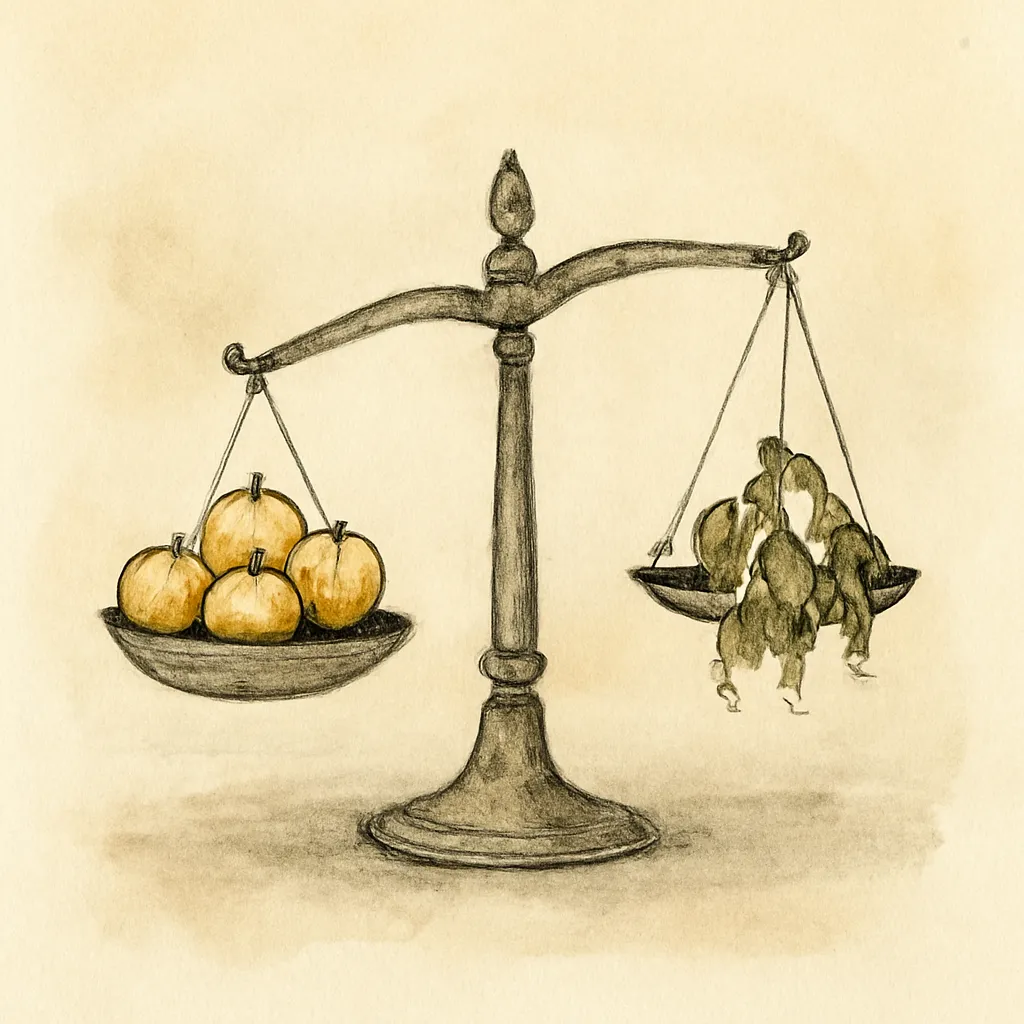
Mill’s central claim is that actions are right in proportion as they promote happiness, and wrong as they produce the reverse. Happiness, in this context, means pleasure and the absence of pain. This ‘greatest happiness principle’ is the cornerstone of utilitarian ethics: the moral worth of an action is determined by its consequences for overall well-being. Mill refines this idea by arguing that not all pleasures are equal — some are higher, more valuable forms of happiness than others.
2.Quality vs. Quantity of Pleasures
Unlike earlier utilitarians such as Bentham, who focused on the amount of pleasure, Mill insists that the quality of pleasure matters. He famously distinguishes between ‘higher’ (intellectual, moral, aesthetic) and ‘lower’ (bodily, sensual) pleasures, claiming that those who have experienced both will prefer the former. This move allows Mill to defend utilitarianism against the charge that it is a doctrine fit only for ‘swine’—that is, that it values only base pleasures.
3.Proof of Utilitarianism
Mill attempts to show why happiness should be the standard for morality. He argues that people naturally desire happiness, and that this universal desire gives us a reason to treat happiness as the basis for judging right and wrong. While his ‘proof’ is controversial and often debated, it remains an influential attempt to ground moral theory in human psychology and experience.
4.Justice and Utility
A major challenge for utilitarianism is reconciling it with our sense of justice. Mill addresses this by arguing that justice is not opposed to utility, but is actually a part of it: the rules of justice (like respecting rights and fairness) are those whose observance is most useful for promoting happiness in the long run. This allows Mill to claim that utilitarianism can account for moral intuitions about rights and fairness.
5.Impartiality and Moral Reform
Mill’s utilitarianism demands impartiality: everyone’s happiness counts equally. This radical idea has inspired both social reformers and critics. Mill also acknowledges that moral improvement is gradual, and that utilitarianism should guide the evolution of society’s values, not demand immediate perfection. His approach balances idealism with practical reform.
6.Criticisms and Responses
Throughout the essay, Mill responds to common objections: that utilitarianism is too demanding, that it undermines individual rights, or that it is cold and calculating. He argues that utilitarianism, properly understood, supports personal integrity, social trust, and the cultivation of moral character. Mill’s engagement with criticism makes the book a model of philosophical debate.