1.The Weight of Loss
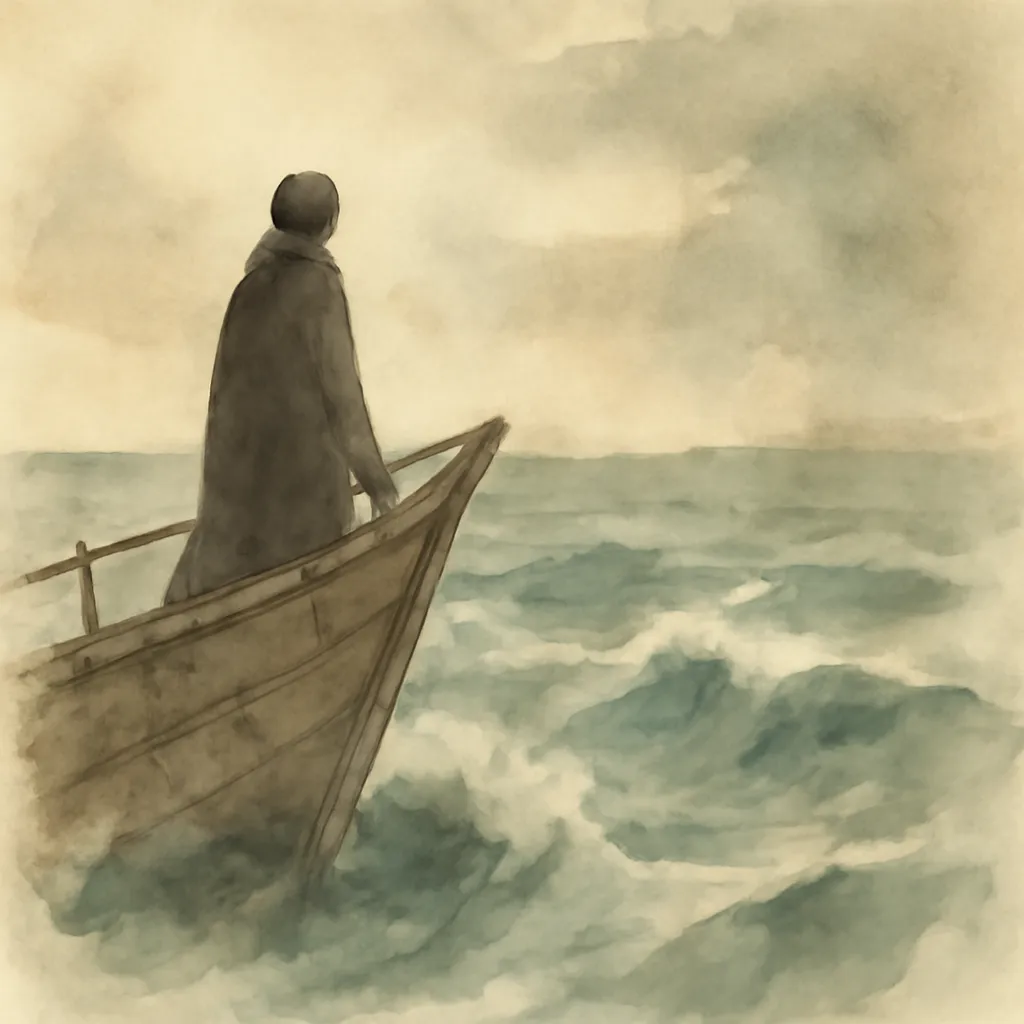
The novel opens with Garrett Westenra grappling with profound grief after the death of his mother, a loss that leaves him feeling like a ghost in his own life. As he sails away from Ireland, the Atlantic Ocean becomes a symbol of his melancholy, echoing the dirges of his past. The imagery of grey rollers and pale stars captures the essence of his loneliness, emphasizing how loss can cast a shadow over our spirit. Westenra's memories of his mother serve as both a comfort and a burden, illustrating how the ties to our past can shape our present. This exploration of grief sets the tone for the novel, reminding readers that the journey through loss is often as tumultuous as the seas we traverse. The pervasive sense of emptiness that accompanies Westenra's departure from Ireland reflects a universal experience; many readers can relate to the feeling of isolation that comes after losing a loved one. His sorrow speaks to the deep connections we forge with those dear to us and how their absence can leave an indelible mark on our lives.
2.Dreams as Guiding Lights
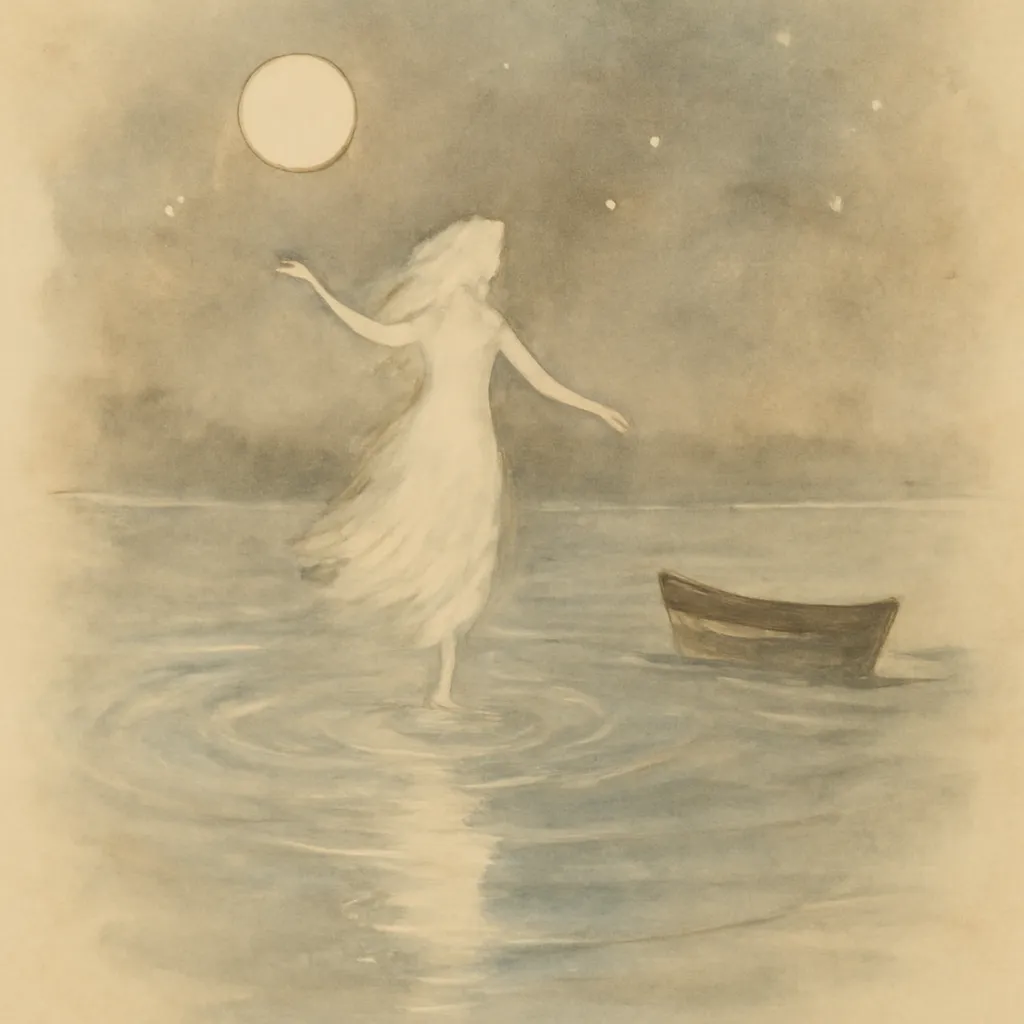
Central to Westenra's experience is the recurring vision of a woman who visits him in his dreams, representing an ideal that he yearns for but cannot fully grasp. This dream woman embodies his hopes and desires, serving as a beacon in his otherwise dark and lonely existence. The fact that she only appears when he is in Ireland or departing from it suggests a deep connection to his homeland and the emotional weight it carries. The dreams highlight the role of imagination and desire in our lives, suggesting that dreams can provide a refuge from reality and guide us toward our true path. They serve as a reminder that while we may feel lost, the visions we hold in our hearts can lead us to unexpected connections and possibilities. The ethereal quality of these dreams also raises questions about the nature of love and idealization; they push readers to reflect on how we often project our desires onto others, creating an illusion around what we seek. In this way, dreams become a canvas on which our deepest yearnings are painted, often revealing more about ourselves than the people we dream of.
3.The Idealization of Love

Westenra's idealization of the woman in his dreams reflects a broader theme of how love is often romanticized. He envisions her as the embodiment of all virtues and graces, which speaks to the universal desire to find a partner who fulfills our deepest ideals. This notion of love as a 'golden apple with a bitter core' suggests that while we may seek perfection in our relationships, the reality is often far more complex. The text explores the tension between expectation and reality in love, illustrating how the idealization of a partner can lead to disillusionment. The contrast between the dream woman and the real women in Westenra's life further compounds this theme, showcasing how our fantasies can skew our perceptions of love. As he navigates his feelings, readers can reflect on their own experiences with romantic ideals and the inevitable clash with reality, exposing the vulnerabilities that come with such lofty expectations. This exploration forces the audience to consider how their idealizations might hinder their relationships and prevent them from embracing the imperfect beauty of genuine connection.
4.Fate's Unpredictable Design
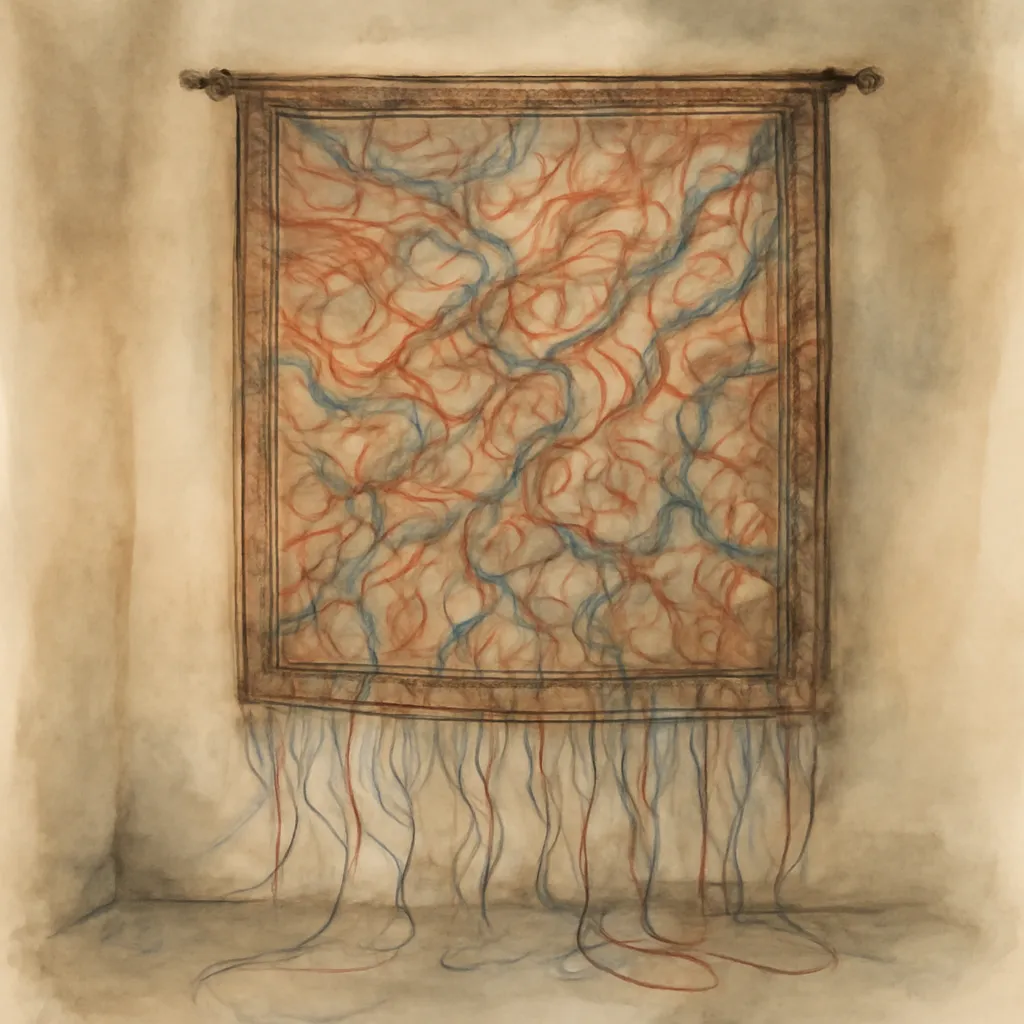
The novel illustrates how fate weaves its intricate patterns through the lives of its characters, often in unexpected ways. As Westenra and Valentine Valdana's paths cross, it becomes clear that their connection is predestined, yet fraught with complications. The idea that 'this was written from the beginning of things' underscores the notion that love and connection are often beyond our control, shaped by forces larger than ourselves. This perspective invites readers to consider the role of destiny in their own lives and the ways in which seemingly random encounters can lead to profound changes. The unpredictability of fate serves as both a source of hope and frustration, reminding us that while we can strive for control, life often has its own plans. Through the characters' journeys, Stockley captures the tension between individual agency and the inescapable currents of destiny. This duality prompts readers to question how much of their own lives are shaped by fate versus choice, further enriching the theme of interconnectedness inherent in the narrative.
5.The Struggles of Motherhood
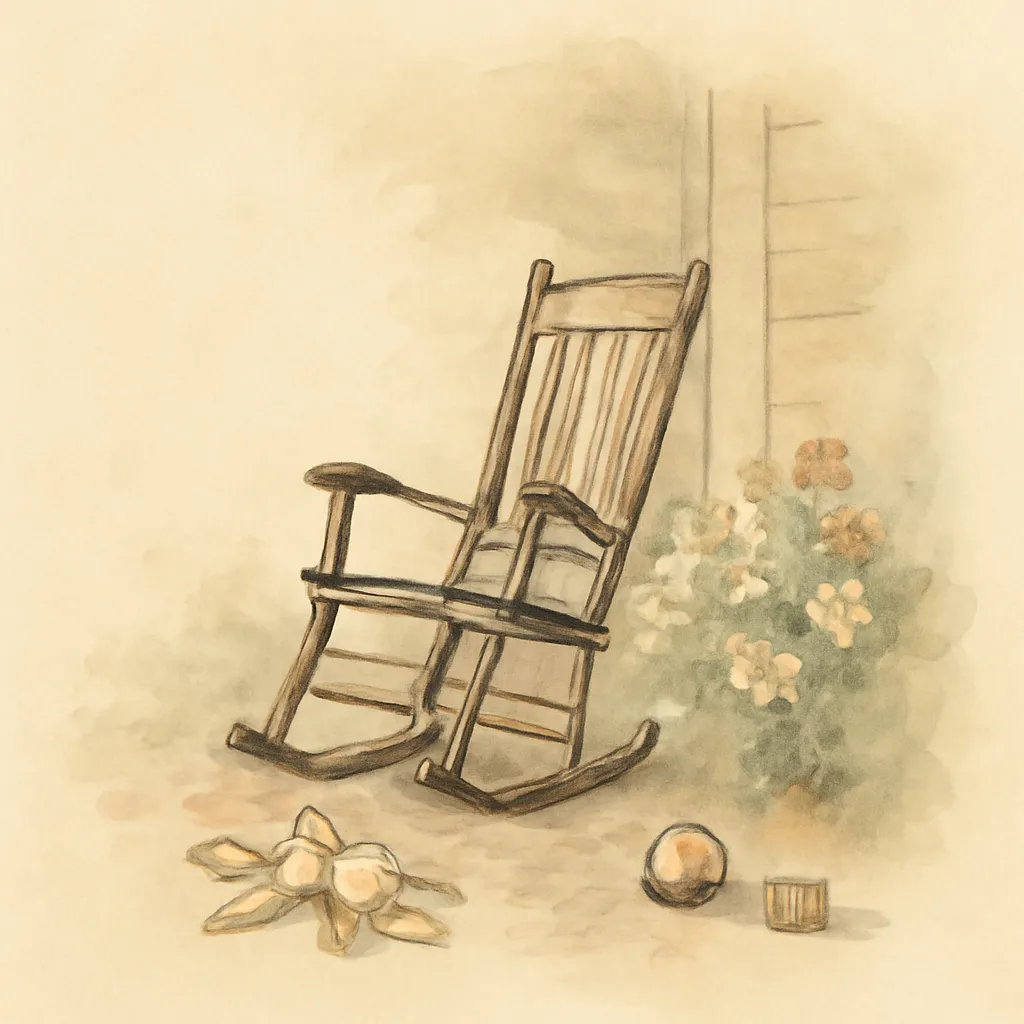
Valentine Valdana's journey reflects the complexities of motherhood, particularly in the context of her adopted child, Haidee. As she navigates the challenges of raising a child while pursuing her own dreams, Val's devotion to Haidee becomes a central theme. The pressures of being a mother in a modern world filled with expectations are palpable, as Val seeks to balance her aspirations as a writer with her responsibilities as a caregiver. Val's character embodies the struggle of many women who find themselves torn between personal ambitions and familial duties. The narrative highlights the sacrifices mothers make and the love they pour into their children, even amidst personal turmoil. As Val confronts her own past and the societal expectations thrust upon her, readers are invited to reflect on the broader implications of motherhood and the complex web of emotions woven into the experience. This exploration not only enriches Val's character but also serves as a commentary on the universal struggles of women to find their identities while nurturing future generations.
6.The Burden of Responsibility
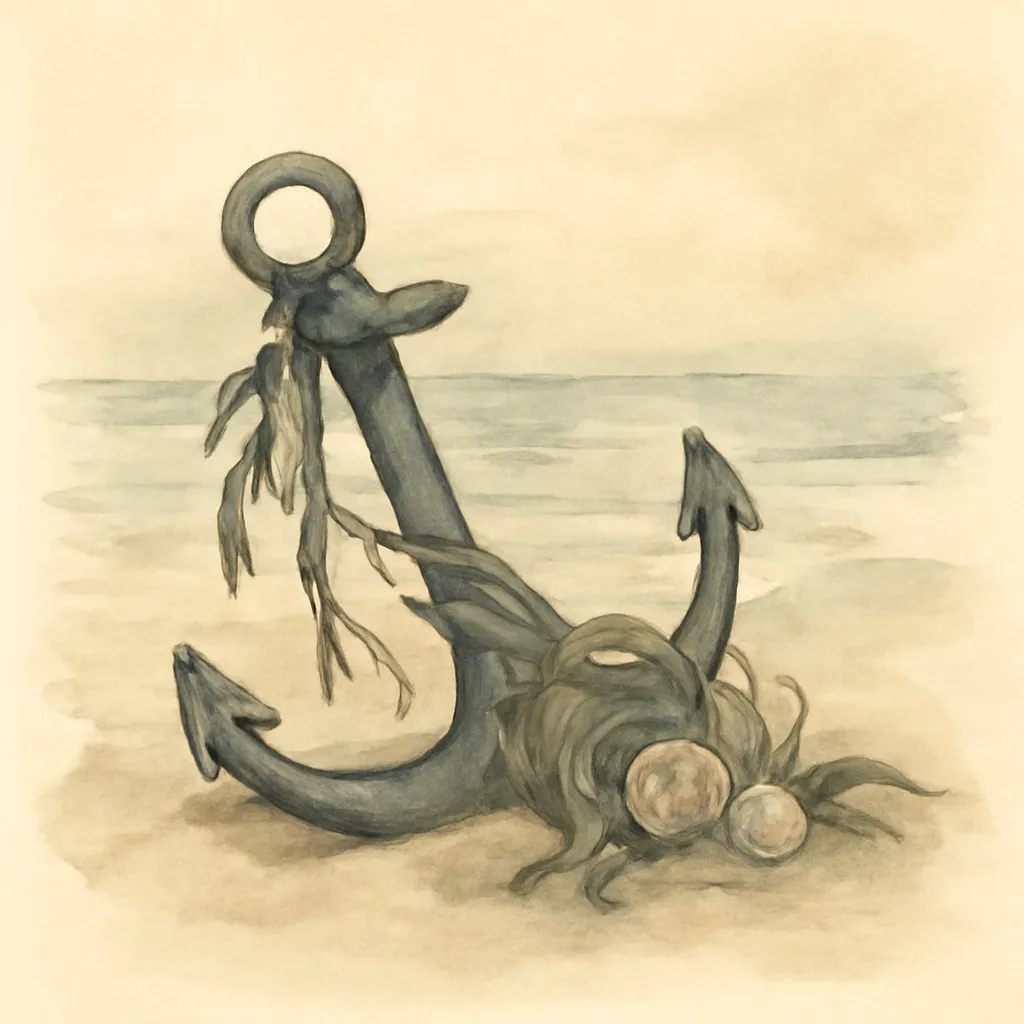
Westenra's commitment to supporting Haidee, the child of his deceased friend, adds another layer of complexity to his character. This sense of responsibility weighs heavily on him, particularly as he grapples with his own ambitions and the demands of his medical practice. The tension between personal desires and obligations to others underscores the sacrifices individuals often make for the sake of family and friendship. The narrative delves into the emotional toll that responsibility can take, illustrating how the weight of duty can lead to feelings of isolation and frustration. As Westenra navigates this burden, readers are prompted to consider the choices they make in their own lives and the impact of those choices on their relationships. The exploration of responsibility particularly resonates with those familiar with the struggles of balancing personal aspirations with familial duties, prompting reflection on how societal expectations shape our actions and decisions.
7.The Illusion of Control
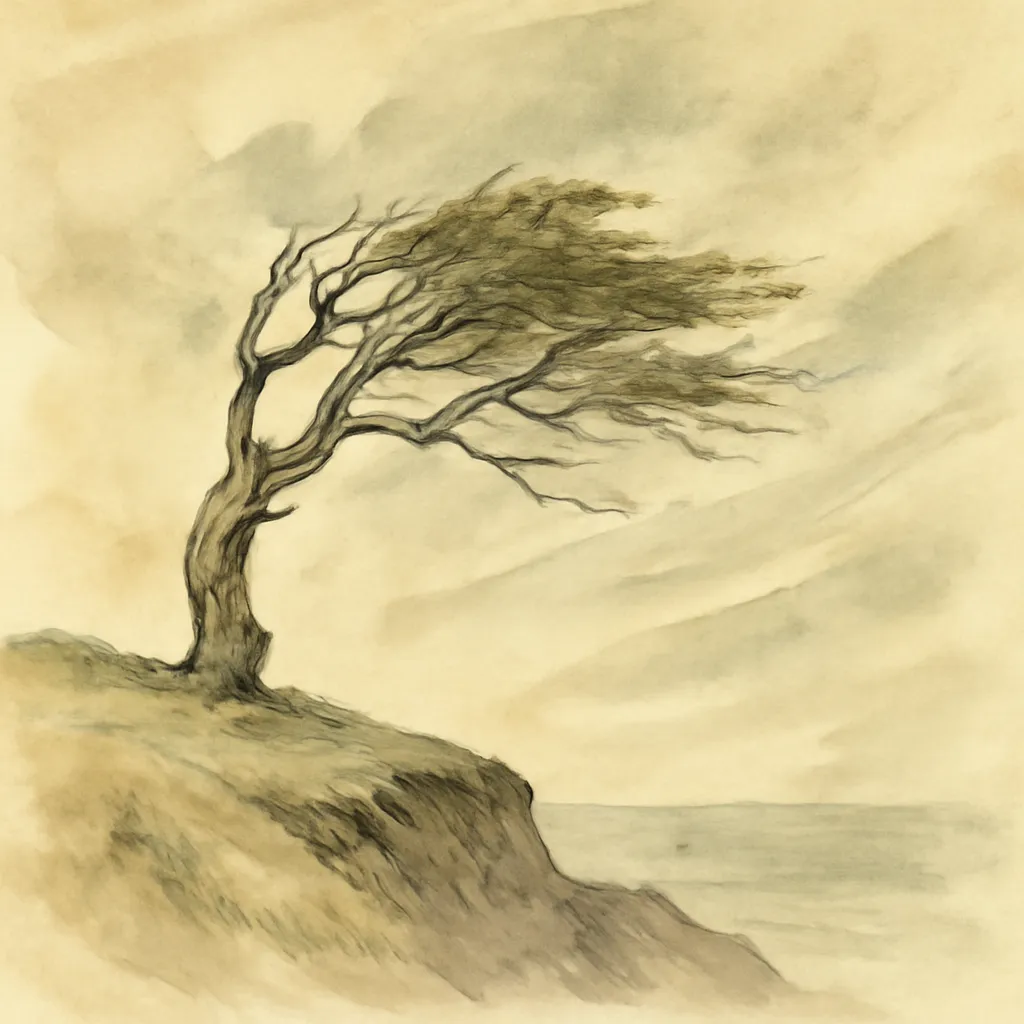
Throughout the novel, characters grapple with the illusion of control over their lives, particularly in the face of unexpected circumstances. Val's decision to relocate to Jersey in search of peace and solitude illustrates her desire to regain control over her life, yet she quickly finds that external factors continue to shape her reality. The struggle for autonomy becomes a recurring theme, as characters confront the limitations of their choices. This exploration of control resonates with readers, prompting reflection on the ways in which life can derail our plans and the importance of adaptability. The narrative suggests that while we may strive for control, true strength lies in our ability to navigate the currents of life with grace. As Val's journey unfolds, readers witness her attempts to assert control over her environment, only to be met with challenges that highlight the unpredictability of existence. This theme encapsulates a universal truth: that while we may not control every aspect of our lives, we can learn to embrace the ebb and flow of our circumstances.
8.The Search for Identity

As Valentine and Garrett navigate their respective journeys, the search for identity emerges as a central theme. Val's experiences in Paris and her efforts to establish herself as a writer reflect her longing for self-definition beyond her roles as a mother and wife. This quest for identity is further complicated by her past and the societal expectations that weigh on her. The narrative suggests that the journey toward self-discovery is often fraught with challenges, yet it is essential for personal fulfillment. Through Val's character, readers are encouraged to explore their own identities and the ways in which they can assert themselves in a world that often seeks to define them. The struggles she faces provide a deeper understanding of the complexities of finding one’s place in society, particularly for women navigating multiple roles. This exploration not only enriches Val's character arc but also serves as an invitation for readers to reflect on their own journeys of self-discovery amidst the pressures of societal norms.
9.The Healing Power of Nature
The lush landscapes and vivid descriptions of nature throughout the novel serve as a backdrop to the characters' emotional journeys, illustrating the healing power of the natural world. From the misty shores of Ireland to the serene gardens of Jersey, nature becomes a sanctuary for the characters, offering solace and reflection. The connection between the characters and their environments emphasizes the importance of finding peace in the chaos of life. The descriptions of the natural world are not merely decorative; they evoke a sense of place that mirrors the characters' internal states. This theme resonates with readers, reminding them of the rejuvenating effects of nature and the ways in which it can inspire introspection and healing. Through nature’s beauty, Stockley captures the duality of life, portraying how the external world can reflect our inner turmoil while also serving as a source of comfort and renewal.
10.The Complexity of Relationships
At its heart, 'Wanderfoot' delves into the complexity of relationships, both romantic and familial. The interactions between Westenra and Val reveal the nuances of love, longing, and connection, illustrating how relationships can be both a source of strength and vulnerability. The narrative explores the delicate balance between intimacy and distance, as characters navigate their feelings for one another amidst personal struggles. This exploration of relationships encourages readers to reflect on their own connections and the ways in which they shape their lives. The richness of the characters' experiences underscores the idea that love, in all its forms, is a fundamental aspect of the human experience. Stockley’s portrayal of relationships invites readers to consider the complexities inherent in love: how past experiences shape current connections, and how vulnerability can both deepen intimacy and guard against it. Through the lens of relationship dynamics, the novel challenges readers to navigate their own emotional landscapes with compassion and understanding.