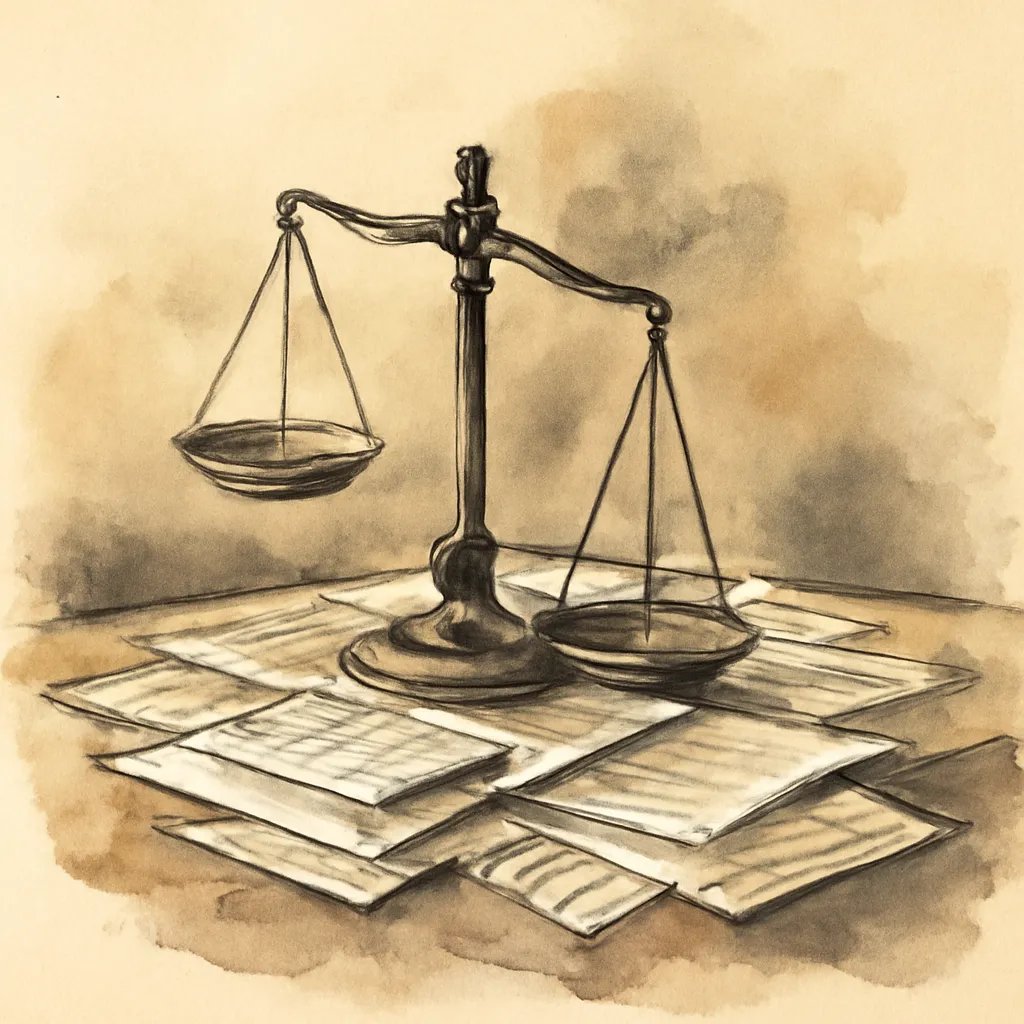
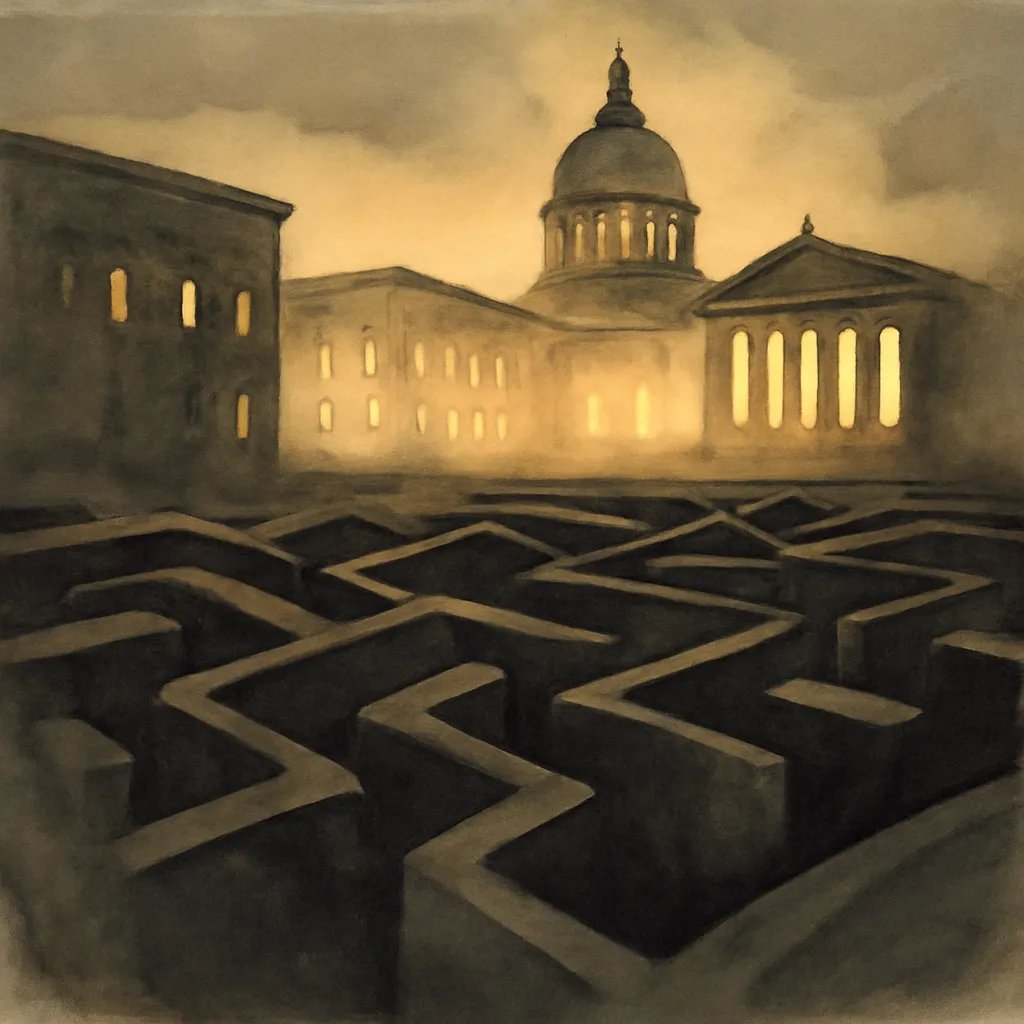
1.The Origins of Washington's Unique Character
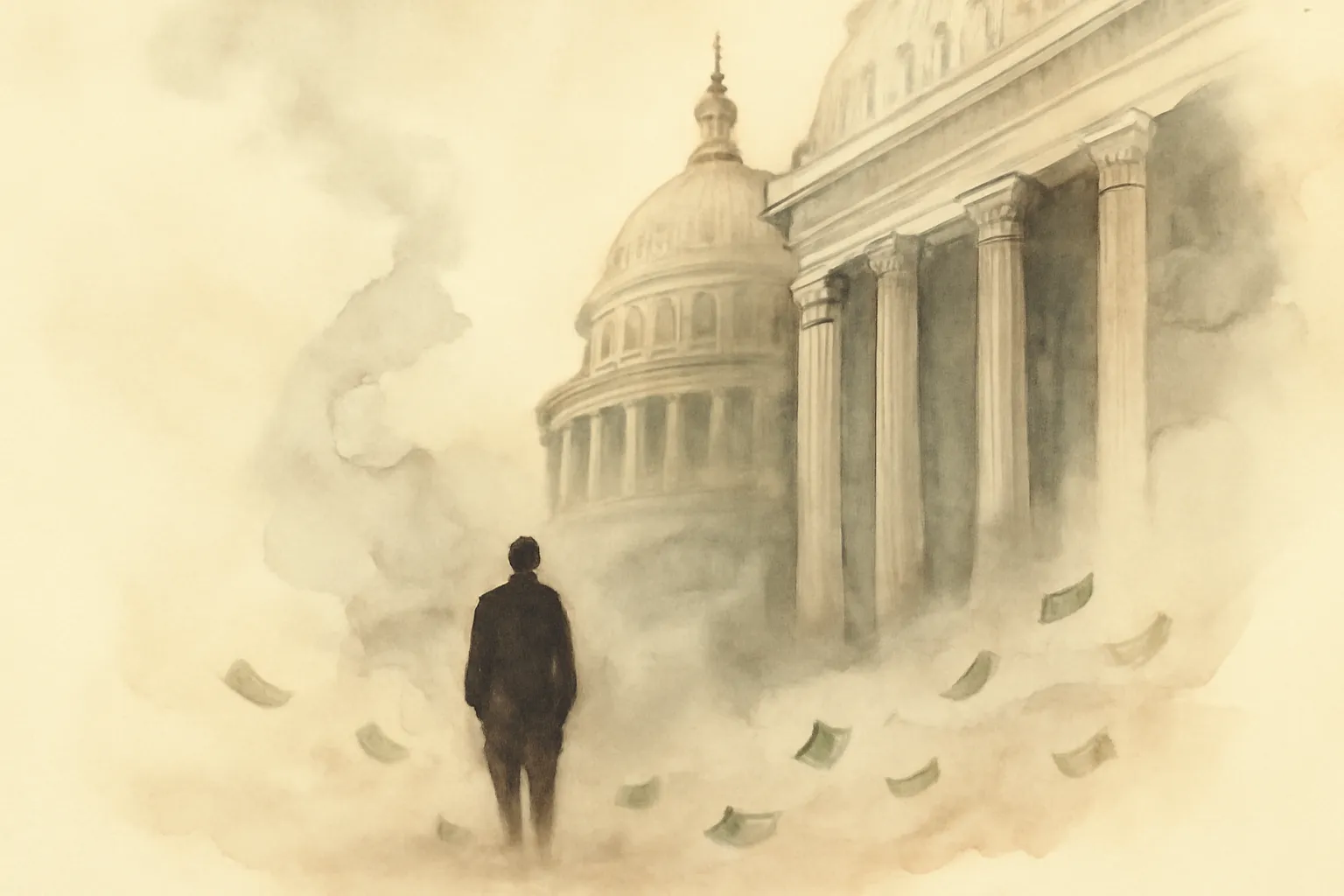
Washington, D. C. , is described as a 'bastard born of a compromise and nurtured on a lottery.' This foundation shapes the city’s identity, with its roots in a swampy compromise meant to placate Southern states during the formation of the United States. Lait emphasizes that the city was established under dubious circumstances, including the sale of land through a lottery, which has contributed to a culture of gambling and corruption that persists today. This historical context sets the stage for understanding why Washington, despite being the political capital, lacks the cosmopolitan vibrancy found in other world capitals like London or Paris. Instead, it is a provincial town, often overshadowed by nearby metropolitan areas like New York and Baltimore, creating a unique dynamic where political maneuvering often takes precedence over cultural richness.
2.Georgetown: A Microcosm of Wealth and Decay
Georgetown serves as a focal point in Lait’s narrative, representing both historical charm and modern elitism. Once a dilapidated area, it transformed into a fashionable enclave where the elite reside. The author critiques the gentrification that forced out the local Black population, replaced by affluent newcomers who now occupy the historic homes. The preservation of Georgetown's character is mandated by law, yet this commitment to maintaining its façade contrasts starkly with the socio-economic realities of its past. Lait highlights the irony that while the neighborhood is celebrated for its quaintness, it also embodies the systemic inequalities and racial tensions that continue to plague Washington. The transformation of Georgetown thus reflects broader societal trends in the capital, where wealth and privilege overshadow the struggles of the marginalized.
3.The Heart of the City: NW D.C
Northwest Washington is depicted as the pulsing heart of the city, where everything of significance occurs. Lait argues that this area is the capital of the capital, housing the wealthy, the political elite, and the various institutions of power. The author paints a picture of a city where wealth and influence are concentrated, with a stark divide between the affluent and the impoverished. This concentration of power creates an environment where political machinations and social interactions are interwoven, often resulting in a culture of secrecy and intrigue. The description of NW as a place where the dirty and the dignified intermingle encapsulates the paradox of Washington as a center of governance that is simultaneously rife with vice and corruption. Lait’s insights into this geographical and social landscape reveal how the dynamics of power play out in the daily lives of its inhabitants.
4.The Underbelly of Washington: Prostitution and Vice
Lait boldly addresses the pervasive nature of prostitution in Washington, declaring it one of the largest red-light districts in the country. Contrary to what one might expect in a city of power, the presence of sex work is a longstanding tradition in the capital, dating back to its founding. The author explains how the unique demographics of the city, with a surplus of women and a transient male population, create a ripe environment for such activities. He notes that the city’s political elite often patronize these services, which further complicates the moral landscape of Washington. Lait’s exploration of the sex trade reveals how deeply entrenched these practices are within the fabric of the city, challenging the notion of Washington as a bastion of virtue and governance. The depiction of women in this industry illustrates not only their struggles but also the societal forces that keep them entrenched in this line of work.
5.The Plight of the Homeless and Disenfranchised
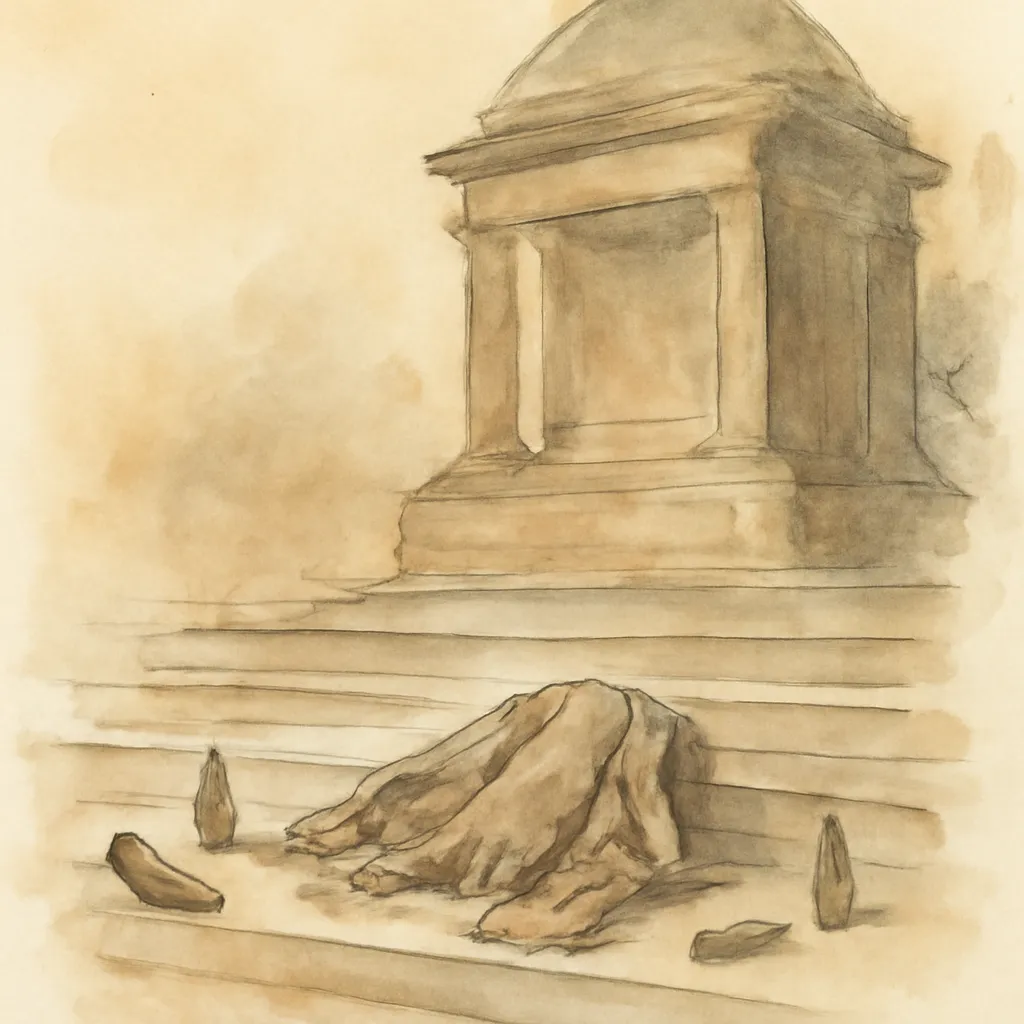
In stark contrast to the political elite, Lait sheds light on the lives of the homeless in Washington, describing them as 'hoboes with no horizons.' The author highlights the lack of support systems for these individuals, who find themselves marginalized in a city that thrives on power and privilege. Washington’s flophouses and skid rows are depicted as places of despair, where individuals are stripped of their dignity and agency. Lait argues that the political structure of the city fails to address the needs of its most vulnerable citizens, leaving them without a voice or vote. This commentary serves as a poignant reminder of the social inequalities that persist in the capital, where the glimmering monuments and political power stand in stark contrast to the suffering of those on the fringes of society. The plight of the homeless in Washington is a critical aspect of the city’s identity that is often overlooked in discussions about governance and democracy.
6.The Racial Dynamics of Power in D.C
Lait confronts the uncomfortable truth about the racial demographics of Washington, revealing that the Black population outnumbers whites. He critiques the systemic efforts to downplay these figures, illustrating how both races conspire to misrepresent the realities of the city’s demographics. The author provides concrete statistics to support his claims, demonstrating the significant presence of Black residents in public schools and other institutions. By doing so, he challenges the prevailing narratives that often depict Washington as a predominantly white city. This examination of racial dynamics is crucial for understanding the power structures that govern the city, as well as the ongoing struggle for representation and equality among its residents. Lait’s analysis underscores the complexities of race in America, particularly in a city that is often viewed as the epitome of democracy yet grapples with deep-seated racial tensions.
7.Alcoholism: A Culture of Excess
Lait exposes the alarming rates of alcohol consumption in Washington, revealing that residents drink three times more than the national average. The author attributes this phenomenon to the city’s unique blend of political stress and social isolation, where many turn to alcohol as a coping mechanism. He describes the various drinking establishments and the lack of stringent regulations governing alcohol sales, highlighting the paradox of a city that is simultaneously a center of governance and a haven for excess. The prevalence of alcoholism is depicted as a symptom of the broader malaise afflicting Washington, where the pressures of political life and the absence of meaningful social connections contribute to a culture of indulgence. This exploration of drinking habits serves as a critique of the city’s moral fabric, suggesting that the allure of power is often accompanied by destructive behaviors.
8.Lobbying: The Art of Influence
In Washington, lobbying is portrayed as a vital yet controversial aspect of political life. Lait describes lobbyists as essential players in the political arena, wielding significant influence over legislation and policy-making. However, he also critiques the system, suggesting that the line between legitimate advocacy and corruption is often blurred. The author emphasizes the importance of transparency and accountability in lobbying practices, noting that many lobbyists operate in the shadows, taking advantage of loopholes and lacking proper oversight. This examination of lobbying reveals the complexities of political influence in Washington, where money and power can overshadow the democratic process. Lait’s insights into this practice challenge readers to reconsider the ethical implications of lobbying and its role in shaping the nation’s policies.
9.The Role of Women in Washington's Power Structure

Lait paints a vivid picture of the unique dynamics of gender in Washington, where women outnumber men significantly. He explores the implications of this demographic imbalance, noting that many women hold positions of power within the government, yet often find themselves confined to traditional roles. The author discusses the phenomenon of 'G-girls'—government employees who navigate the complexities of their work lives while seeking fulfillment in their personal lives. Lait highlights the struggles these women face in a male-dominated environment, where their contributions are often overlooked or undervalued. This exploration of gender dynamics in Washington serves as a commentary on the broader societal issues of gender inequality and the challenges women encounter in positions of authority. The narrative reveals that despite progress, there remains a persistent need for change and recognition of women's roles in shaping the political landscape.
10.The Interplay of Crime and Politics
Lait delves into the intricate relationship between organized crime and politics in Washington, suggesting that the two often operate in tandem. He explains how local crime syndicates are effectively managed by national organizations, illustrating the complex web of influence that connects the political elite with the underworld. The author argues that this relationship is not merely a coincidence but a fundamental aspect of how power operates in the capital. By exposing the ties between crime and governance, Lait highlights the moral ambiguities that characterize Washington’s political landscape, where the pursuit of power can lead to corruption and unethical behavior. This analysis prompts readers to question the integrity of those in power and the systems that enable such relationships to thrive.