1.Survival and the Natural Order
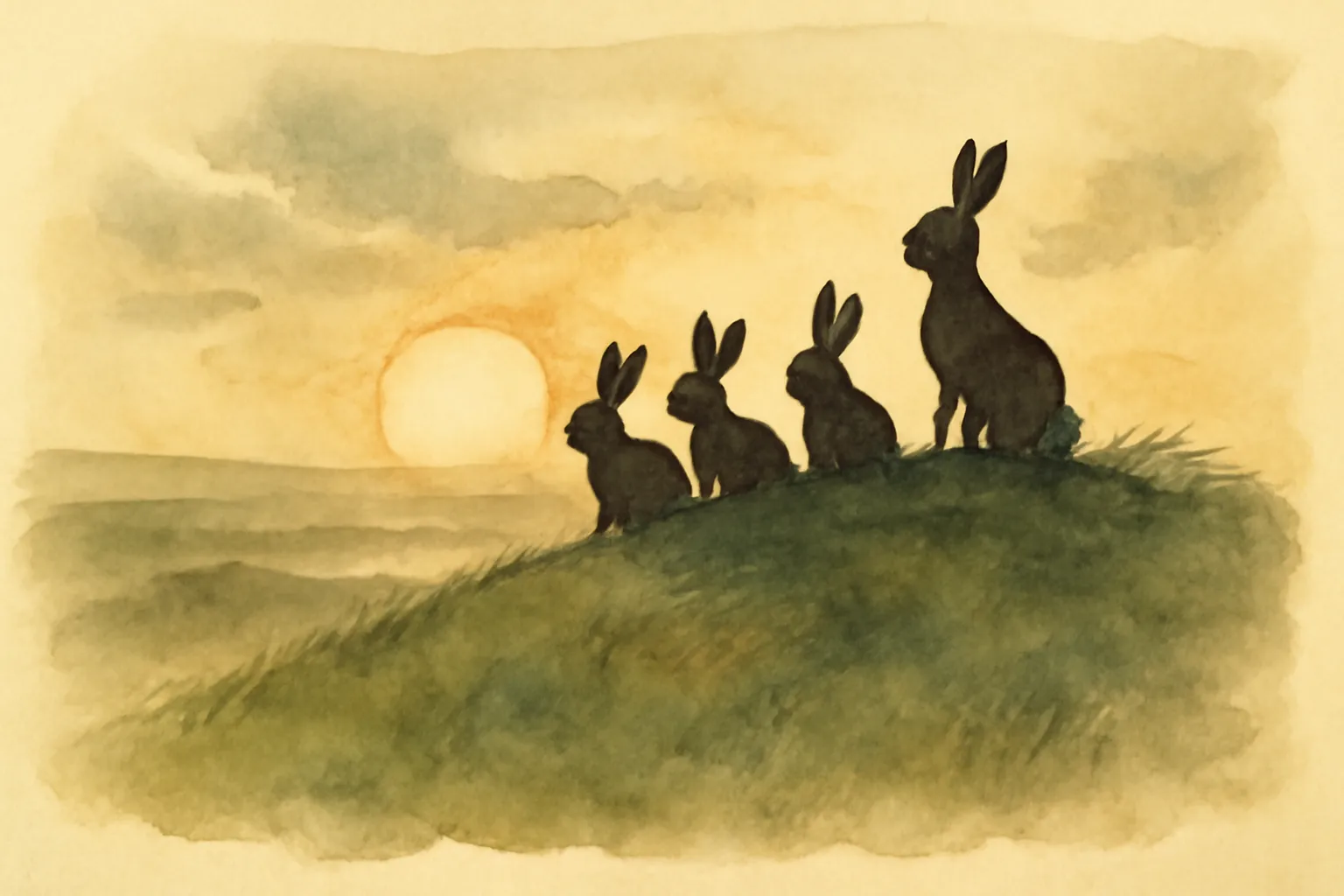
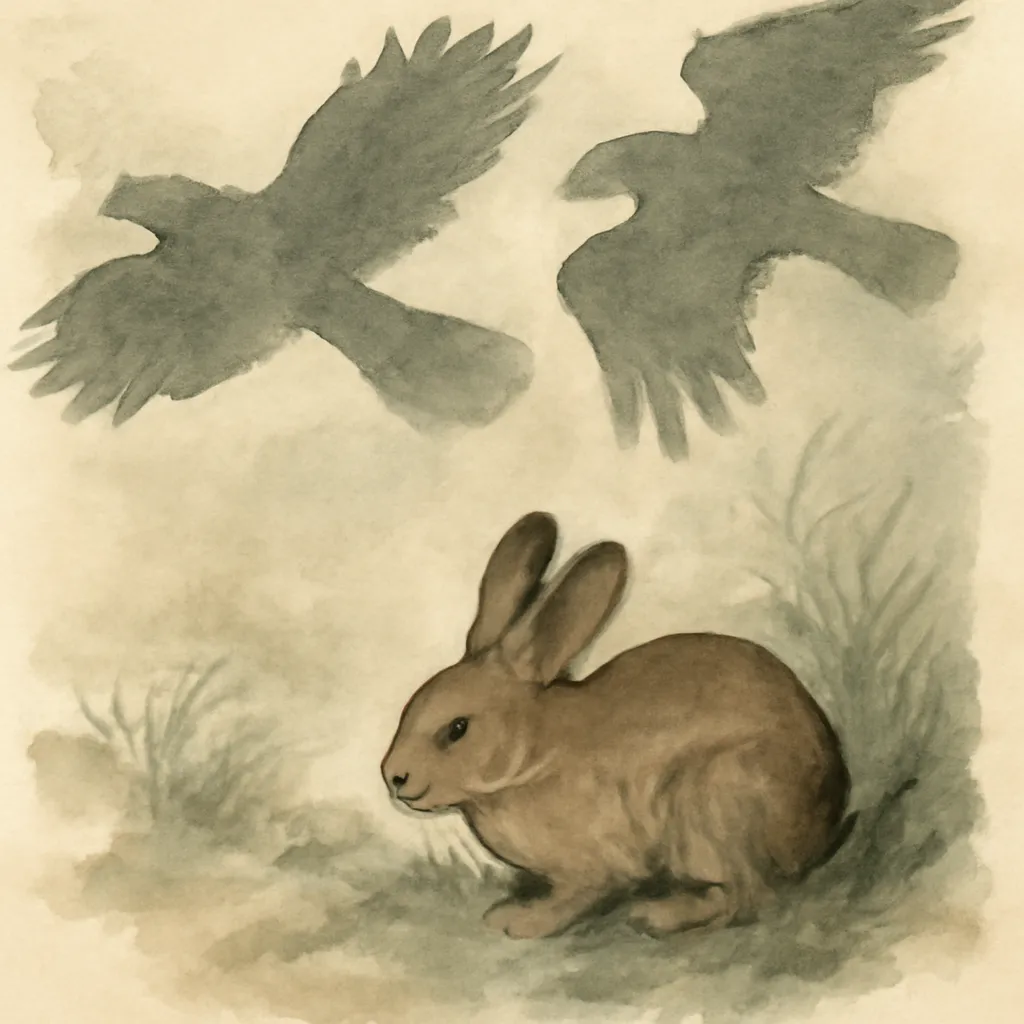
At its core, Watership Down is a survival story. The rabbits’ journey is fraught with peril—predators, humans, and the harshness of nature itself. Adams uses the rabbits’ perspective to highlight the fragility of life and the constant threat faced by wild creatures. The narrative never lets readers forget that the world is indifferent, and survival requires both cunning and adaptability. This theme resonates with anyone who has faced adversity or felt the need to carve out a safe space in a hostile environment.
2.Leadership and Vision
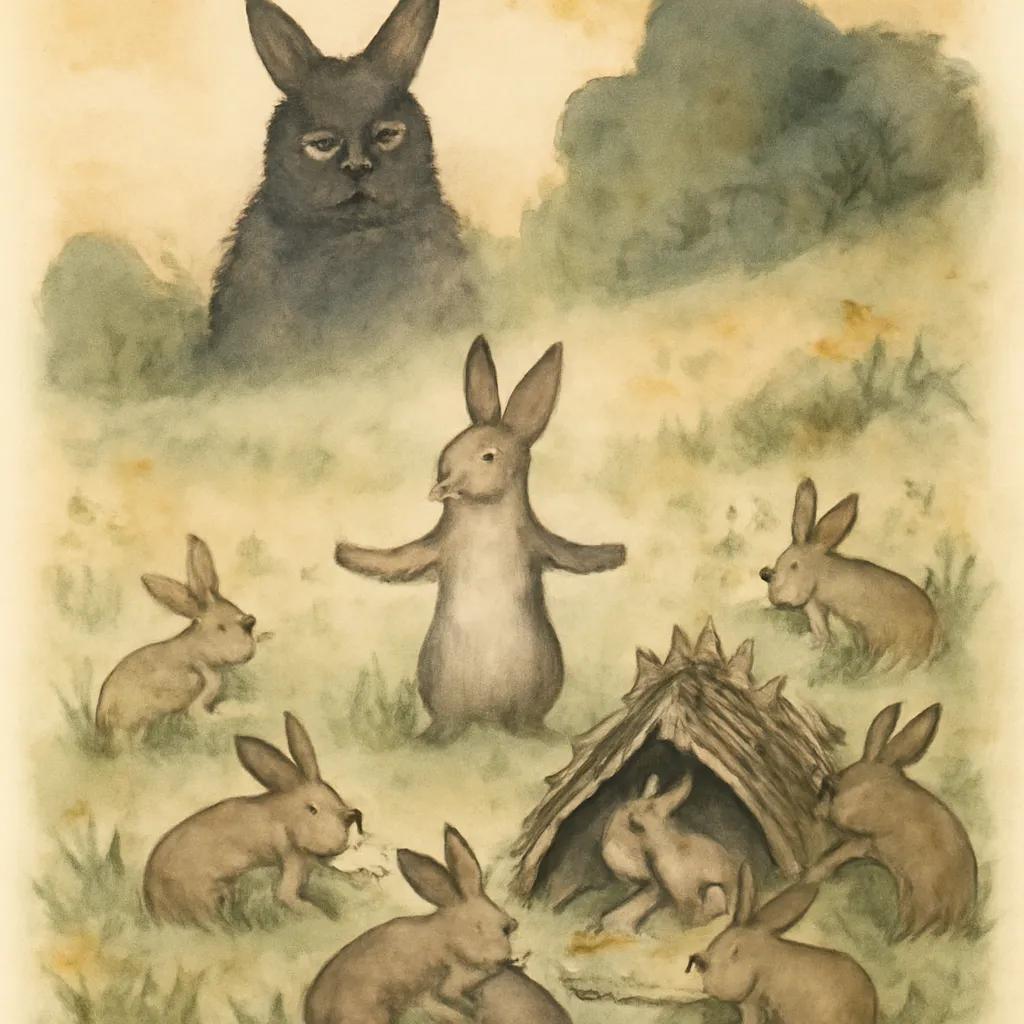
The contrast between Hazel and other leaders in the novel—such as the authoritarian General Woundwort—raises questions about what makes a good leader. Hazel’s style is collaborative, empathetic, and open to the strengths of others, while Woundwort rules by fear. The story suggests that true leadership is rooted in trust, flexibility, and the ability to inspire hope, rather than domination.
3.Community and Cooperation
The rabbits’ survival depends on their ability to work together, drawing on each individual’s unique talents. Fiver’s intuition, Bigwig’s strength, and Hazel’s diplomacy all prove essential. The novel celebrates the power of collective action and the importance of valuing each member’s contribution, a message that echoes in any context where teamwork is vital.
4.The Power of Myth and Storytelling
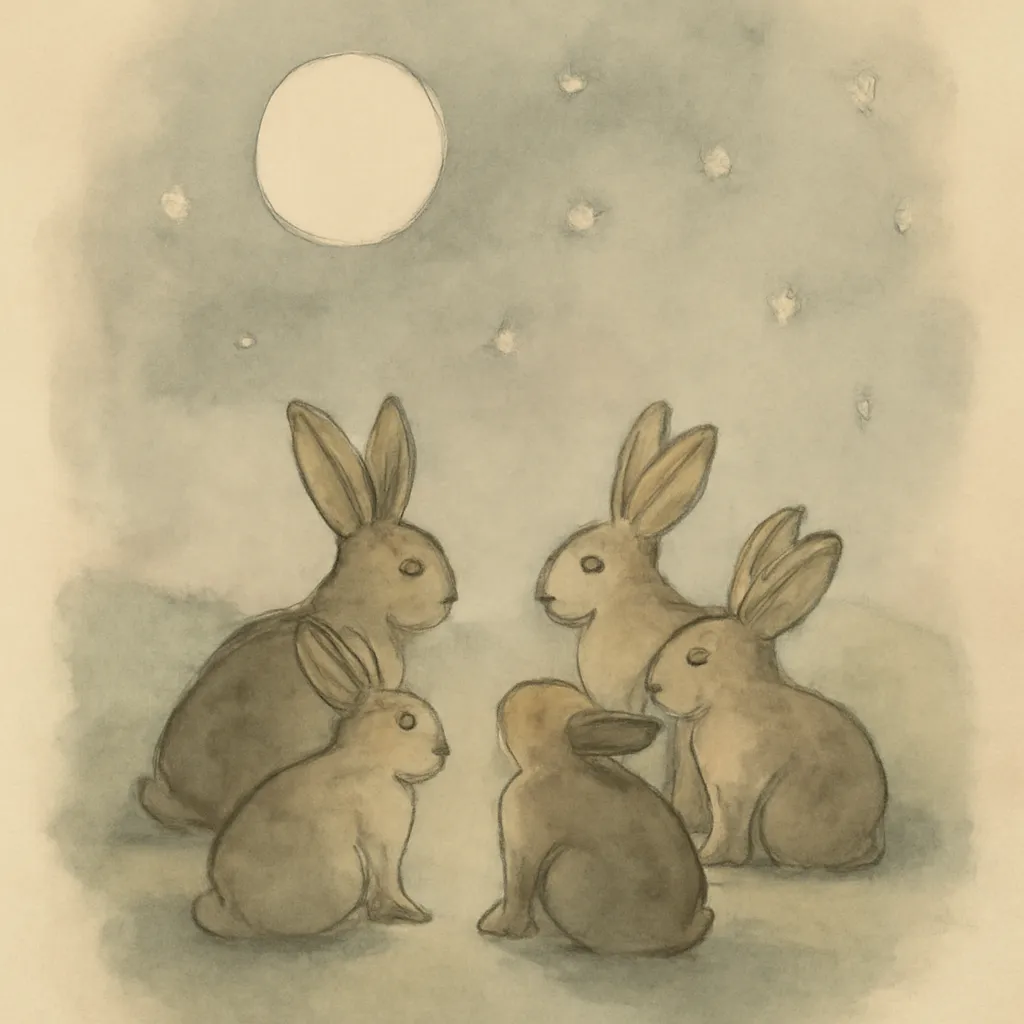
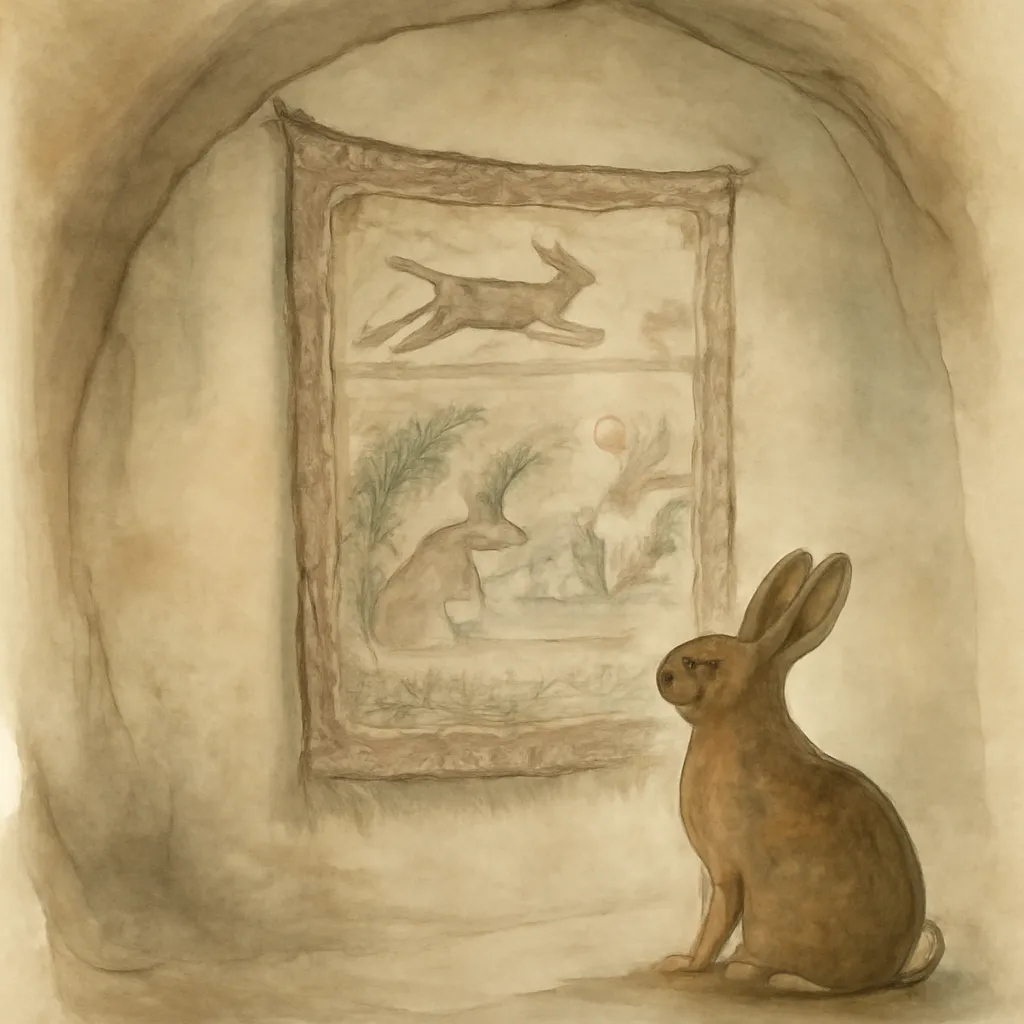
Adams weaves a rich folklore into the rabbits’ world, especially through tales of El-ahrairah, their trickster hero. These stories provide comfort, guidance, and a sense of identity, showing how myth can help a community make sense of its struggles and inspire resilience. The novel thus becomes a meditation on the importance of narrative in shaping culture and sustaining hope.
5.Freedom versus Security
Through encounters with different warrens—especially the eerie, controlled Efrafa—Watership Down explores the tension between safety and liberty. The rabbits must choose between the comfort of a rigid, oppressive society and the risks of forging their own path. Adams suggests that true flourishing requires both freedom and responsibility.
6.Environmental Change and Human Impact
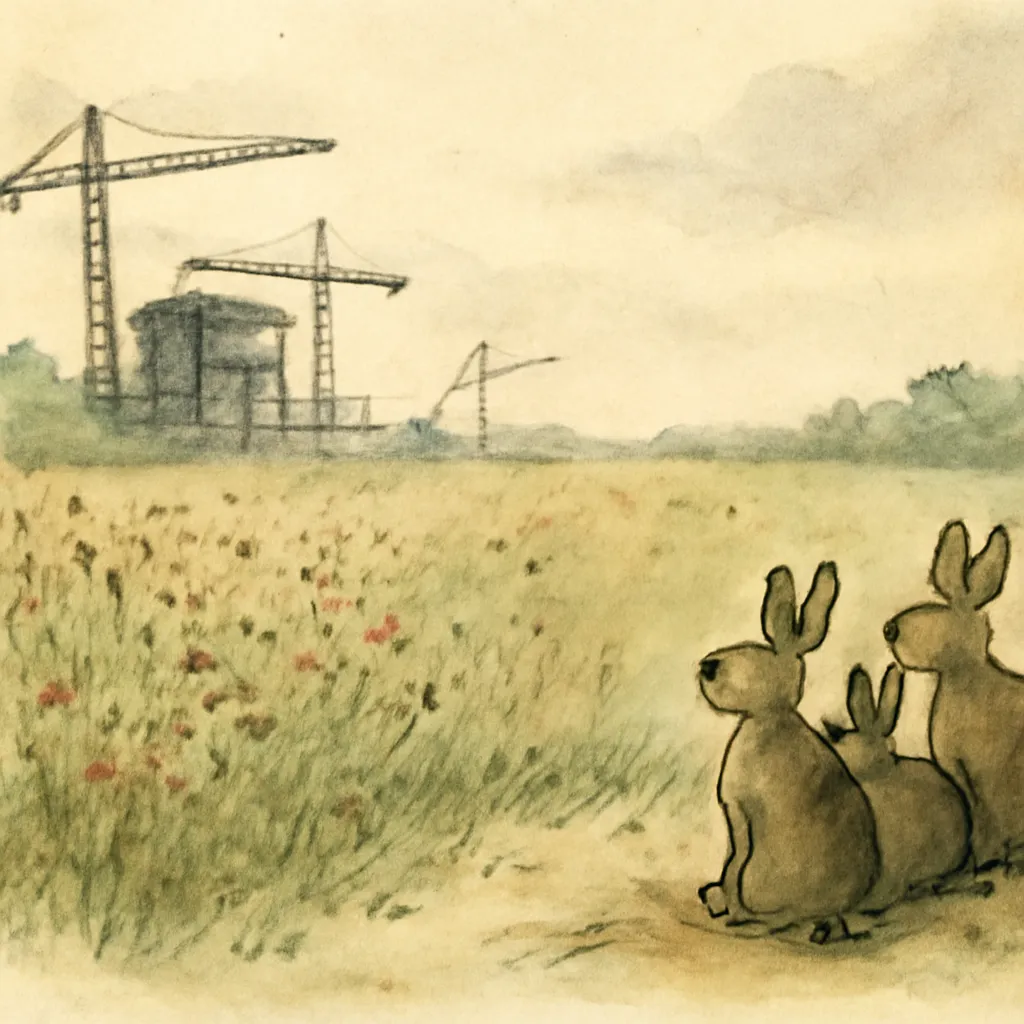
Human activity is a looming threat throughout the book, from the destruction of Sandleford Warren to the ever-present dangers of roads and farms. Adams subtly critiques the careless impact humans have on the natural world, urging readers to consider the cost of progress and the value of preserving wild spaces.