1.The Division of Labor: A Catalyst for Productivity

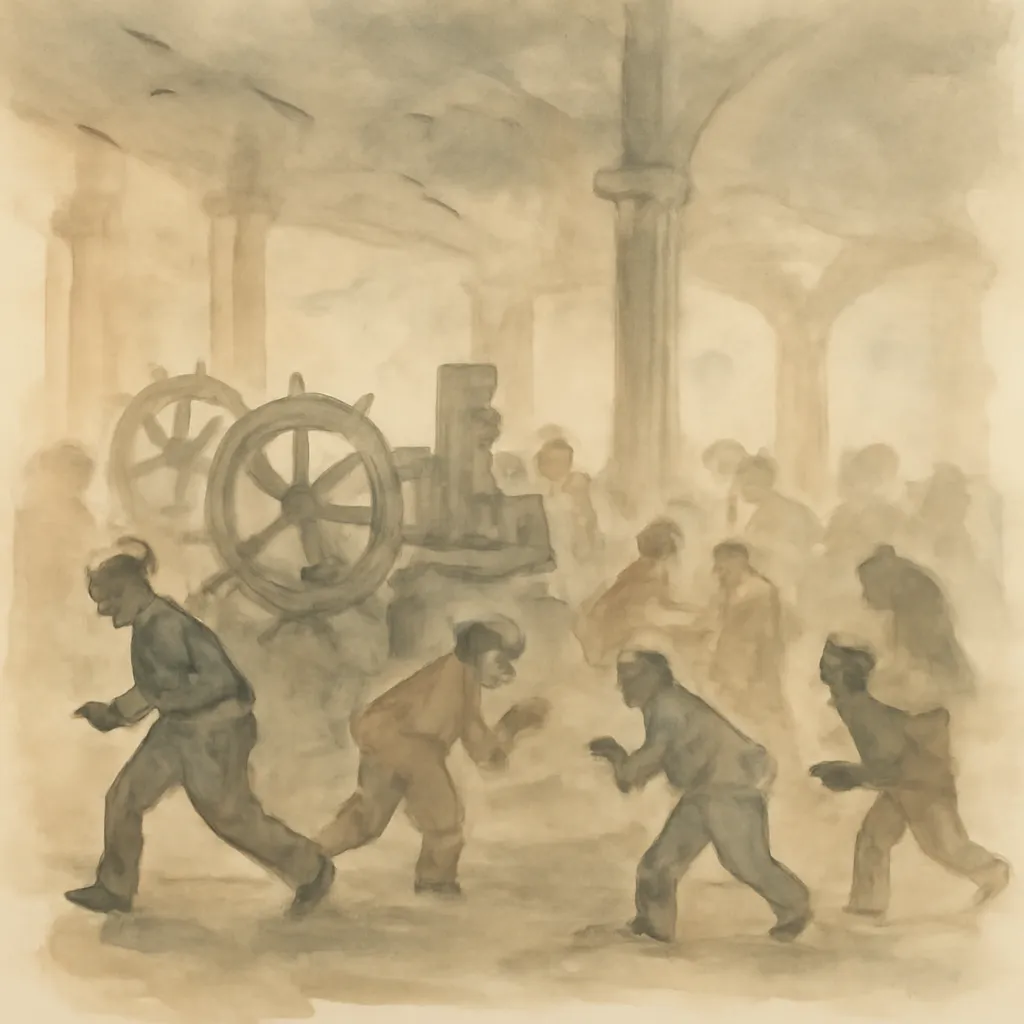
The division of labor is a cornerstone of economic productivity, as it allows workers to specialize in specific tasks, thereby increasing efficiency and output. Smith illustrates this principle with the famous example of a pin factory, where the production process is broken down into distinct steps, each performed by a different worker. By specializing, each worker becomes more skilled and efficient, leading to a dramatic increase in the number of pins produced per day. This specialization is not limited to manufacturing; it applies across various sectors, enhancing overall productivity in agriculture, services, and more. The greater the number of tasks that can be divided among workers, the more productive the society becomes. However, the extent of this division is ultimately limited by the size of the market; a small market cannot support extensive specialization, as there may not be enough demand for the specialized goods produced.
2.Market Size: The Limiting Factor
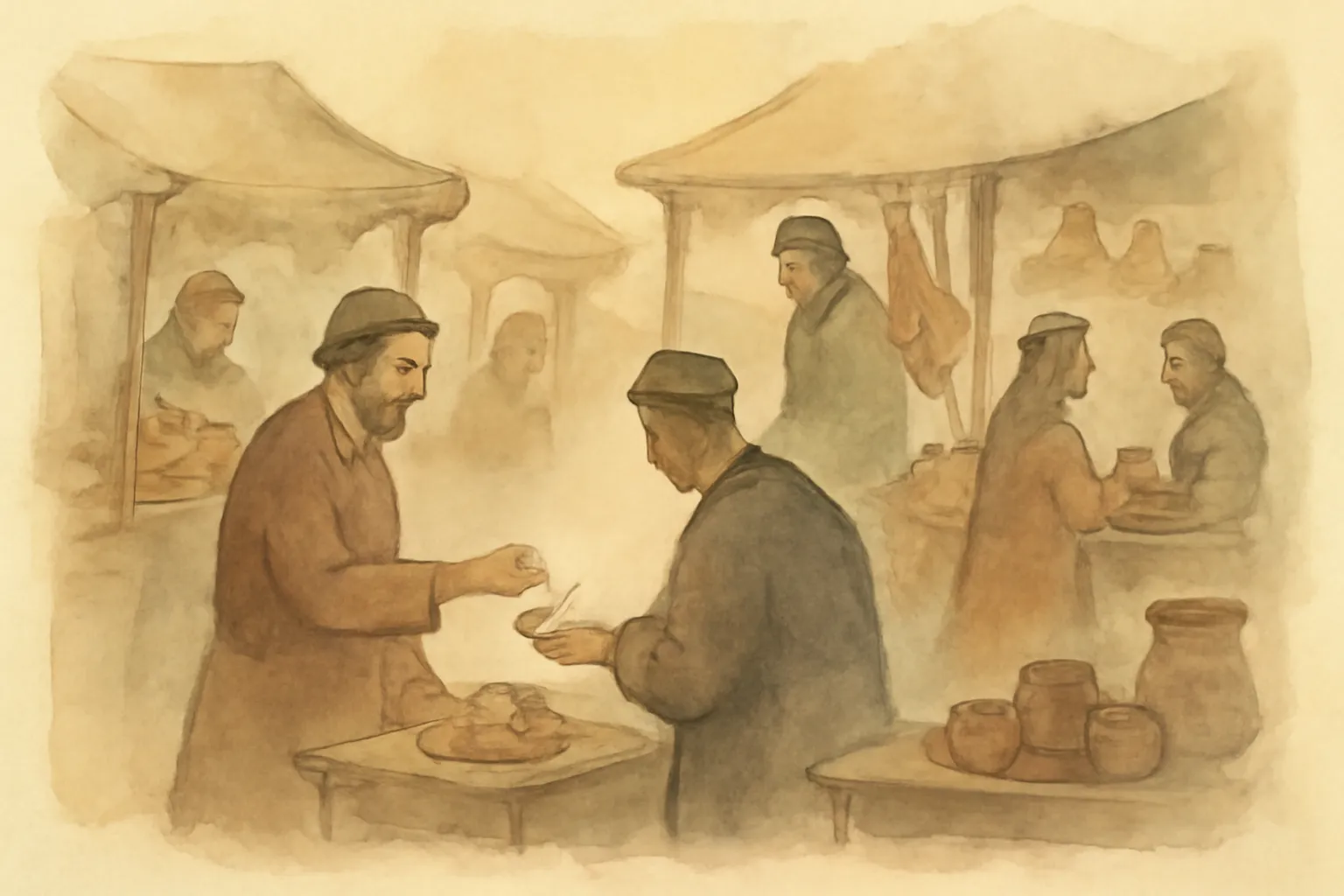
Smith argues that the division of labor is constrained by the extent of the market. In smaller markets, workers have fewer opportunities to specialize because the demand for specialized goods is limited. For example, a village may only need one butcher, one baker, and one brewer, forcing workers to take on multiple roles. Conversely, in larger towns or cities, a greater population creates more demand, enabling greater specialization. This dynamic illustrates how economic growth is contingent on market expansion. When markets are restricted, economies stagnate, as workers cannot fully leverage their skills in specialized roles. Thus, policies that promote free trade and market integration are vital for economic development, as they expand markets, encouraging specialization and productivity.
3.The Origin and Function of Money
Smith discusses the evolution of money as a critical enabler of trade and economic interaction. In primitive societies, direct barter was cumbersome, as it required a double coincidence of wants—both parties needing what the other offered. The introduction of money simplifies transactions by providing a common medium of exchange, facilitating trade efficiently. Money not only serves as a medium but also acts as a unit of account and a store of value. This evolution signifies humanity's propensity to create systems that enhance trade efficiency. Smith emphasizes that the effectiveness of money lies in its ability to be universally accepted and easily divisible, which helps maintain the flow of commerce and supports the division of labor by allowing individuals to focus on their specialized tasks without the burden of bartering.
4.Real vs. Nominal Prices: Understanding Value
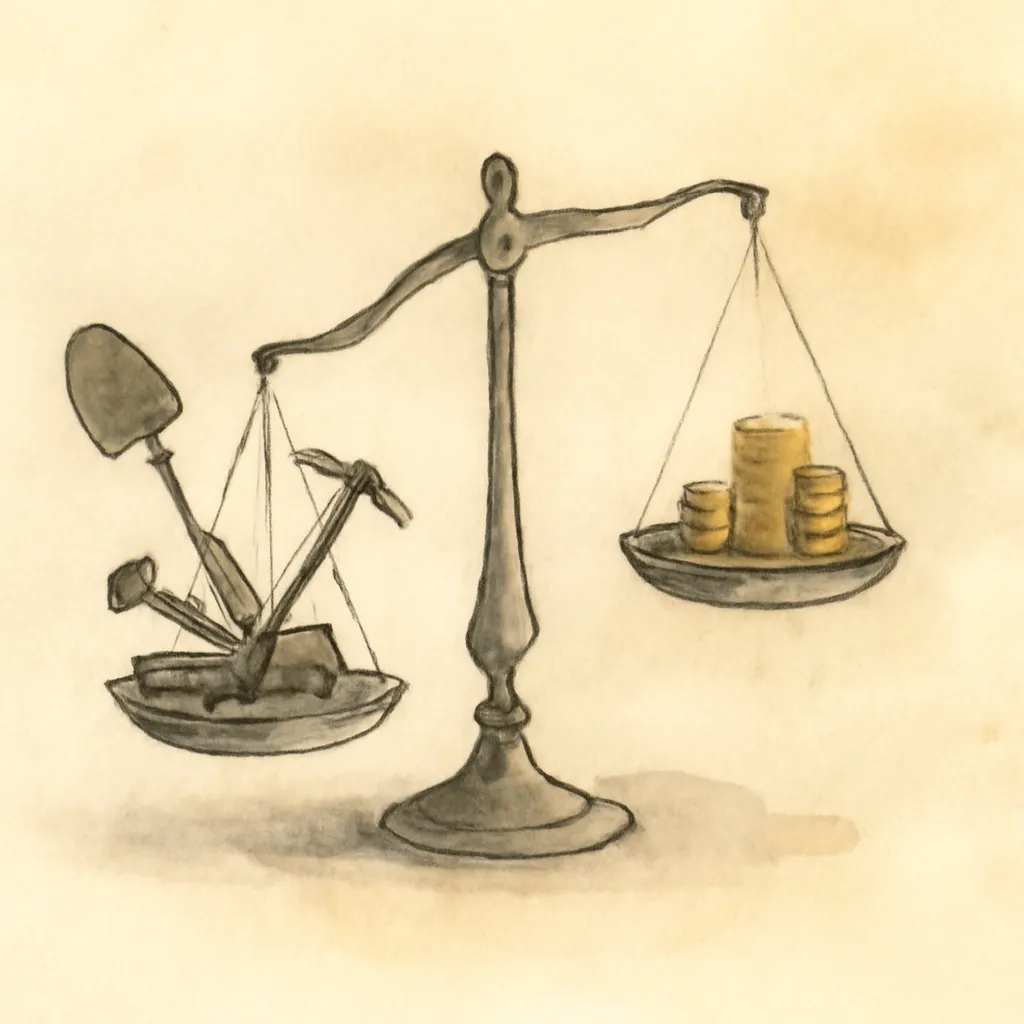
Smith distinguishes between real and nominal prices, emphasizing that the true value of goods is rooted in the labor required to produce them. The real price of a commodity reflects the labor and effort invested, while the nominal price is merely the monetary figure assigned to it. This distinction is essential for understanding economic transactions, as it highlights the underlying labor value that drives prices. For instance, if a commodity can be produced with less labor due to advancements in technology or efficiency, its real price may decrease, even if the nominal price remains stable. This understanding challenges traditional views of wealth accumulation, suggesting that true richness comes from the ability to command labor rather than merely accumulating money. By focusing on labor as the measure of value, Smith lays the groundwork for a labor theory of value that resonates through economic thought.
5.Natural vs. Market Prices: The Equilibrium of Supply and Demand
Smith introduces the concepts of natural and market prices, explaining how they interact to establish equilibrium in the economy. Natural prices represent the long-term equilibrium price of goods, determined by the costs of production, including wages, rent, and profit. In contrast, market prices fluctuate based on supply and demand dynamics. When market prices deviate from natural prices, they signal imbalances that prompt adjustments in production and consumption. For example, if a good's market price rises above its natural price, it attracts more producers, increasing supply until equilibrium is restored. This self-regulating mechanism demonstrates Smith's belief in the efficacy of free markets, where individual actions guided by self-interest lead to societal benefits. Understanding this interplay is crucial for analyzing market behavior and formulating economic policies.
6.Wages of Labor: The Dual Role of Demand and Supply
Smith examines the factors influencing wages, asserting that they are determined by the interplay of labor supply and demand. When demand for labor rises, wages increase as employers compete for workers. Conversely, if there is an oversupply of labor, wages decline. This relationship highlights that labor is not merely a cost to businesses; it is a vital component of productivity and economic growth. Smith also notes that the nature of the work itself, including its difficulty, skill required, and associated risks, influences wage levels. For instance, dangerous jobs typically command higher wages to attract workers willing to accept the risks involved. This nuanced understanding of wages underscores the importance of policies that ensure fair labor practices and equitable compensation, fostering a more productive and satisfied workforce.
7.Profits of Stock: Fluctuations in Economic Activity
Smith discusses the volatile nature of profits, which are influenced by competition, market conditions, and the overall wealth of society. As stock accumulates in various trades, competition can drive profits down, as more merchants enter the market seeking to benefit from lucrative opportunities. This competitive nature ensures that profits tend to equalize across different sectors over time, as workers and capital flow toward more profitable ventures. However, profits can also fluctuate based on external factors such as economic crises, changes in consumer behavior, or shifts in market demand. Understanding these dynamics is crucial for investors and policymakers, as they reveal the inherent risks and opportunities within the economic landscape. By recognizing the transient nature of profits, stakeholders can develop strategies to navigate economic fluctuations effectively.
8.The Rent of Land: The Economics of Resource Use
Smith delves into the concept of land rent, explaining it as the price paid for the use of land, which is influenced by its productivity and location. Land that yields abundant crops or is situated near markets commands higher rents, as landlords capitalize on the competitive advantage of their resources. This economic principle highlights the significance of land as a finite resource in the production process. Smith also notes that while rent is a return to the landlord for the use of their property, it does not reflect the true productivity of the land itself. Instead, it is shaped by the dynamics of supply and demand in the agricultural market. Understanding the economics of land rent is vital for comprehending broader issues related to land use, agricultural policy, and resource allocation in society.
9.Systems of Political Economy: Mercantilism vs. Free Trade
Smith critiques the mercantile system, arguing that it hinders economic growth by imposing restrictions on trade and encouraging monopolies. He advocates for free trade as a means to enhance competition, lower prices, and spur innovation. Mercantilist policies often prioritize national wealth accumulation through protectionism and tariffs, which can lead to inefficiencies and market distortions. In contrast, Smith posits that an open market allows resources to flow to their most productive uses, benefiting consumers and producers alike. This argument for free trade laid the groundwork for modern economic thought and policy, emphasizing the benefits of competition and the dangers of government intervention in markets. By understanding these systems, readers can appreciate the historical context of economic policies and their implications for contemporary trade practices.
10.The Role of Government: Facilitator or Interferer?
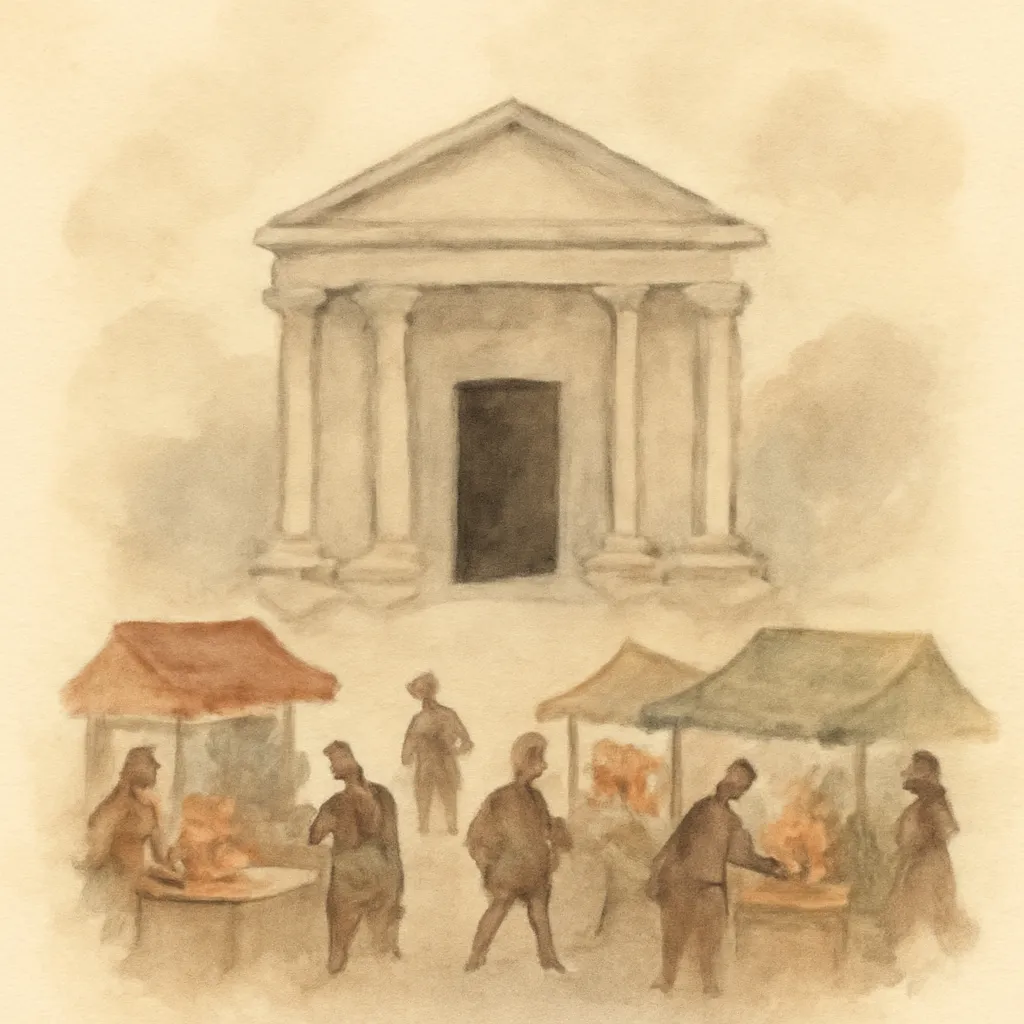
Throughout The Wealth of Nations, Smith discusses the appropriate role of government in the economy. He argues that while free markets are essential for economic growth, government intervention is necessary to maintain order, enforce contracts, and protect property rights. This delicate balance is crucial, as excessive government control can stifle innovation and competition, while too little oversight can lead to exploitation and inequality. Smith advocates for a limited government that supports the infrastructure necessary for trade and commerce, such as roads and education, while allowing markets to operate freely. This perspective on government’s role continues to resonate in modern economic debates, emphasizing the need for policies that encourage both market efficiency and social welfare.