1.The Humor and Intelligence of Animals
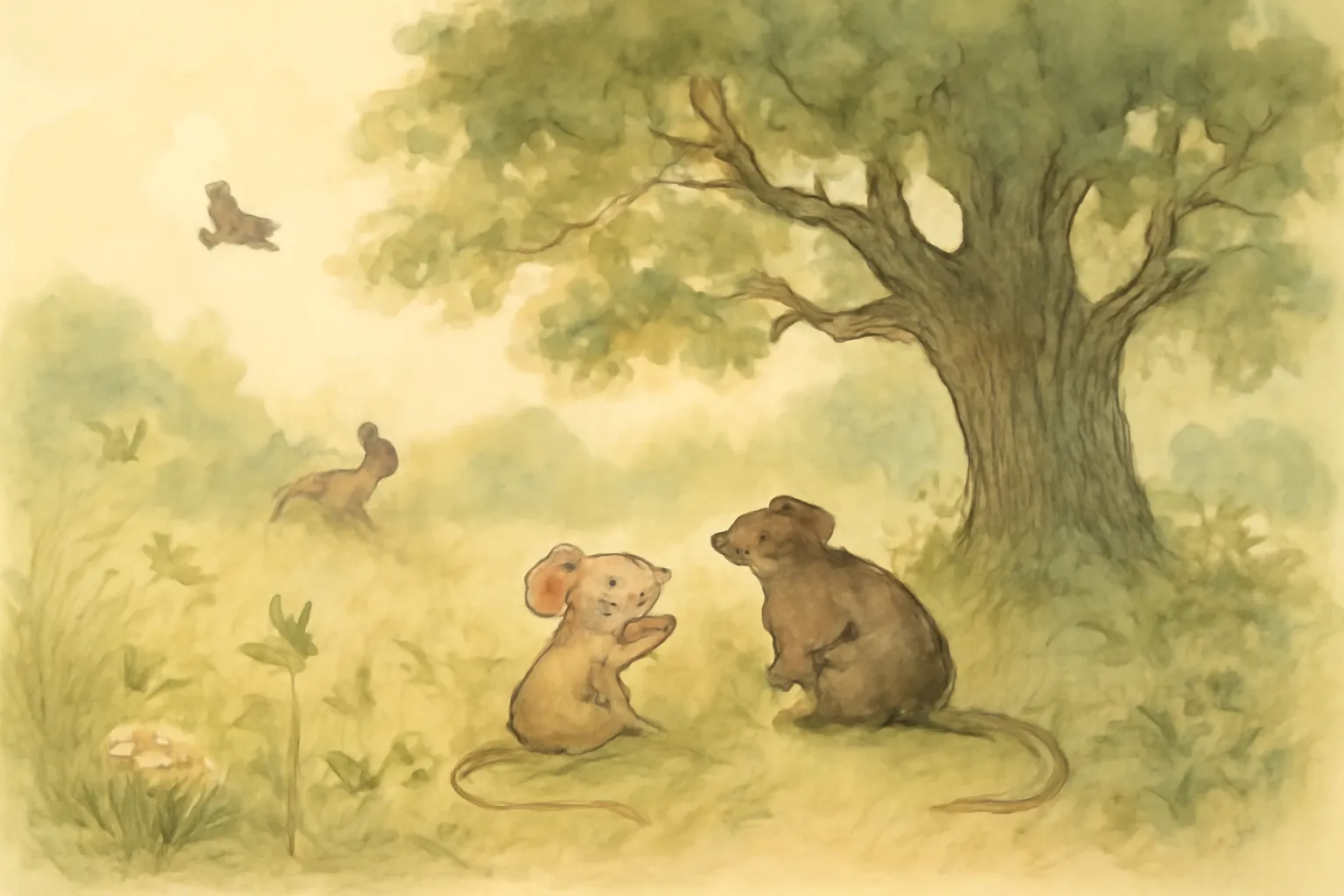
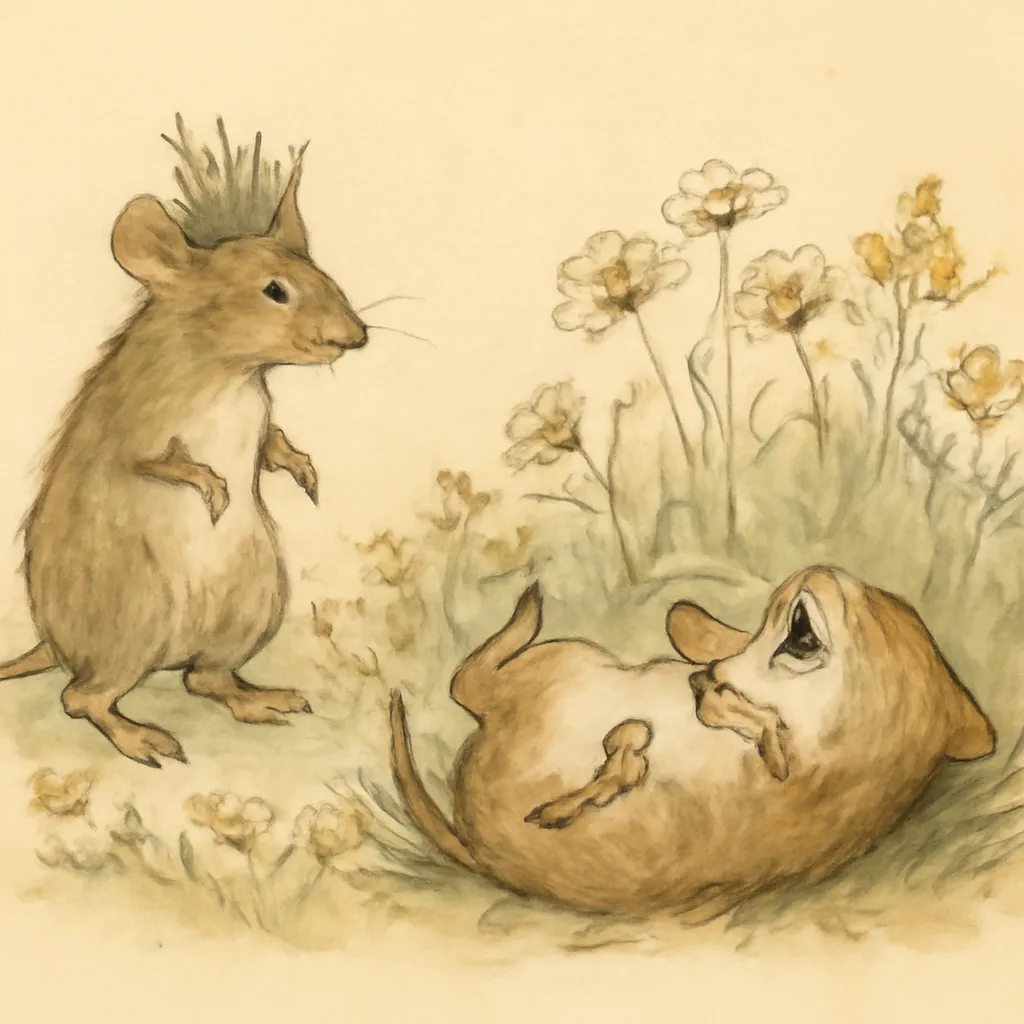
The book opens with the story of 'Mus Ridiculus', where a young mouse reflects on a past encounter that highlights the humor and intelligence found within the animal kingdom. The protagonist mouse recalls being mocked by a field vole, which leads him to ponder the absurdity of his plight. This tale sets the tone for the collection, emphasizing that animals are not merely instinct-driven creatures but possess a sense of awareness and wit. The mouse's realization that he is indeed in a ridiculous situation prompts readers to consider that animals experience emotions akin to human feelings of embarrassment or pride. The narrative shows how humor can serve as a coping mechanism in the face of danger, illustrating the complexity of animal behavior beyond mere survival instincts.
2.Life Underground: The World of Voles
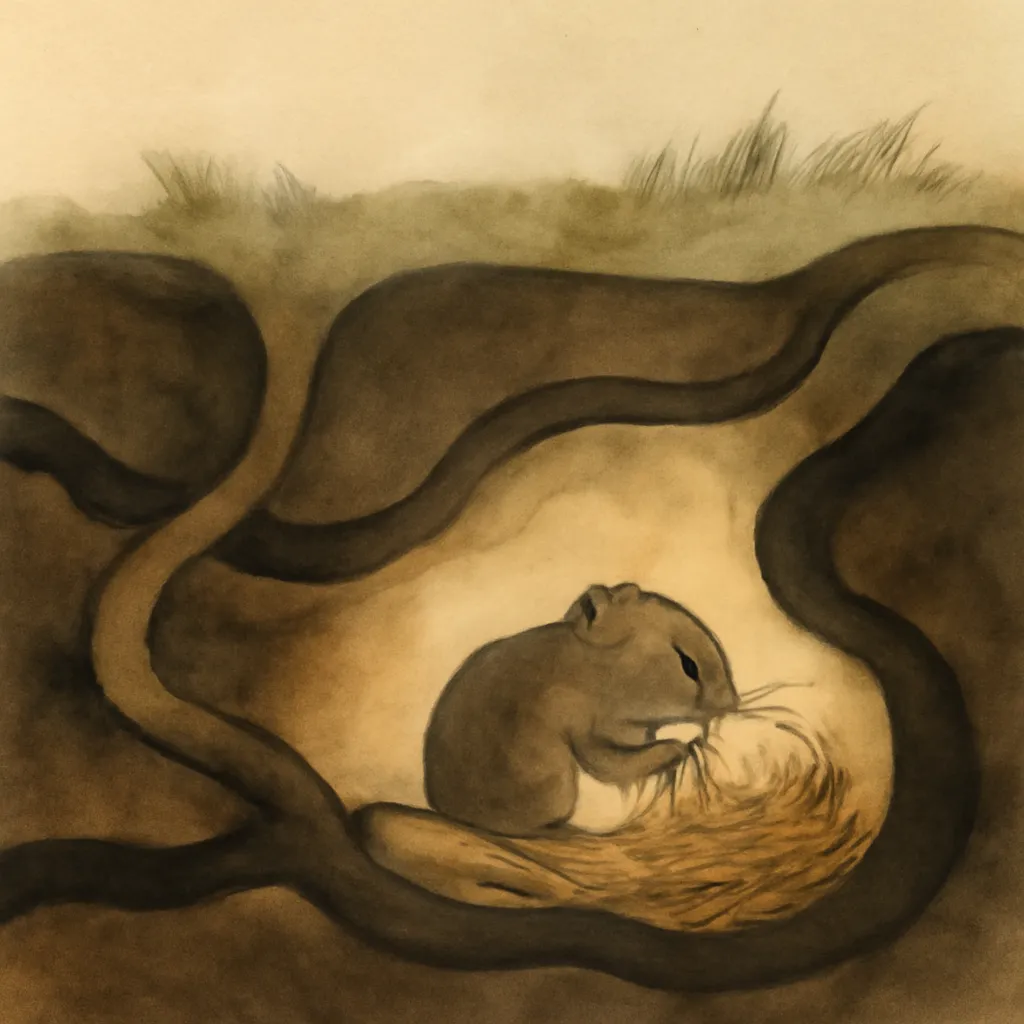
In 'The Story of a Field Vole', English takes readers into the hidden life of voles, who thrive in the safety of their underground burrows. The narrative details the vole’s learning process as he masters the art of nest-building, showcasing the innate skills that develop through experience. The vole’s journey from a timid creature to an expert builder reflects the broader theme of growth and adaptation in nature. By describing the vole's habitat and diet, the story highlights the importance of environmental factors in shaping animal behavior. The vole's careful management of resources and its strategic foraging behavior reveal an intelligence that is often overlooked. This story serves as a reminder of the intricate ecosystems that exist just beneath our feet, filled with creatures that lead rich, complex lives.
3.The Sparrow's Perspective on Social Hierarchy
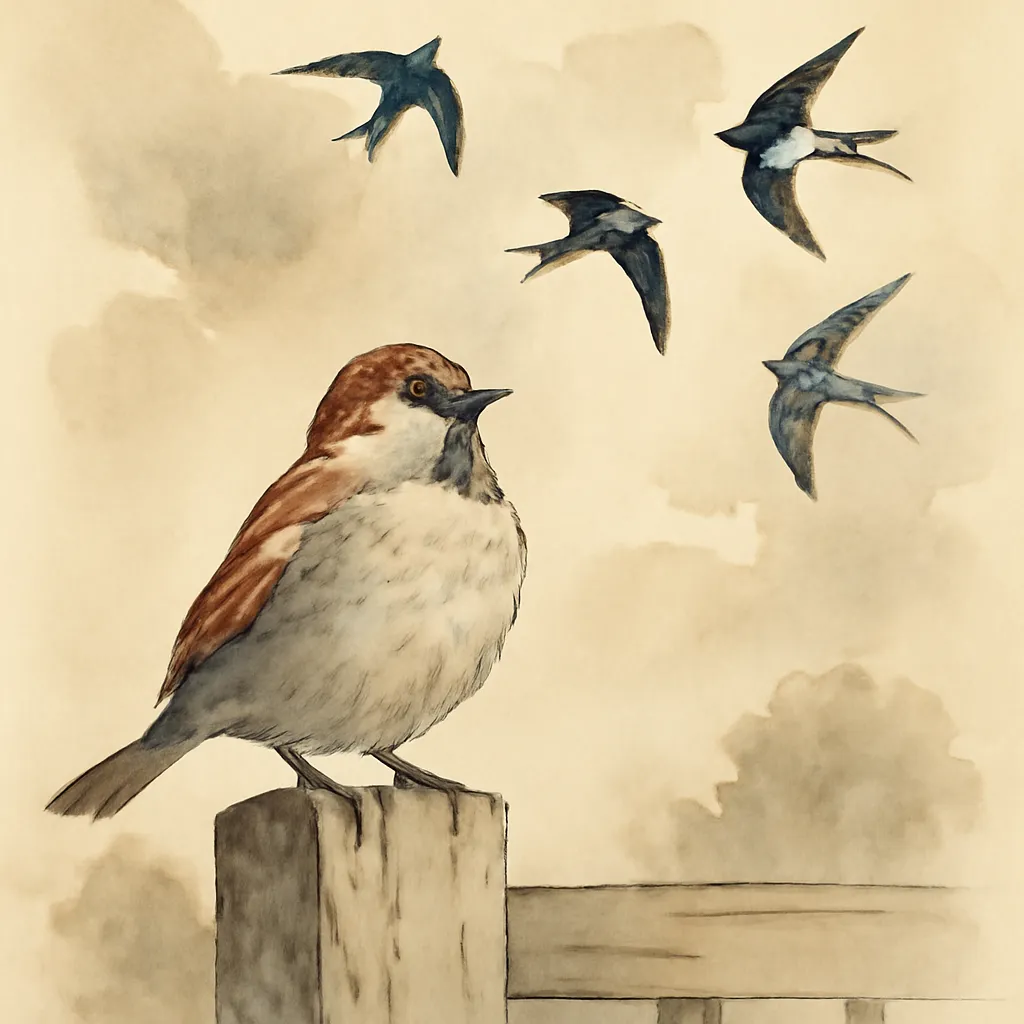
In 'The Apology of the House Sparrow', the narrative unfolds through the voice of a sparrow, who defends his species against the accusations of bullying house martins. This story cleverly addresses social dynamics and competition among bird species. The sparrow presents a comedic yet earnest argument, revealing the misunderstandings that can arise in the animal world. By portraying the sparrow's frustrations, English sheds light on the often-unseen interactions between species, emphasizing their struggles for territory and resources. The sparrow's cleverness and adaptability are highlighted as he navigates the challenges of urban life, illustrating how animals adapt their behaviors in response to human encroachment. This narrative invites readers to reconsider their perceptions of common birds and recognize the intelligence and social structures within their communities.
4.A Dormouse Awakens to Spring
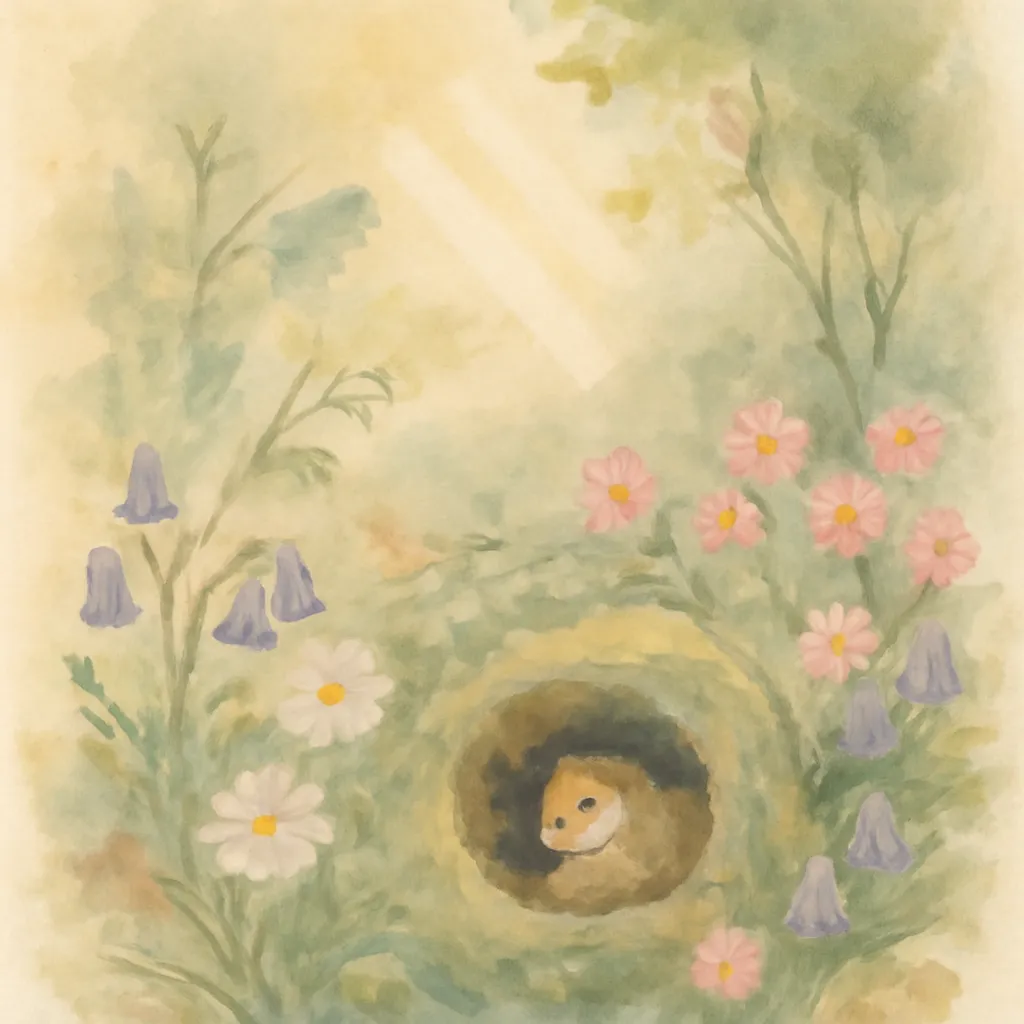
The story 'The Awakening of the Dormouse' transports readers into the serene world of a dormouse emerging from hibernation. As the dormouse awakens, he experiences the vibrant rebirth of nature around him, which symbolizes renewal and hope. The vivid descriptions of springtime colors and sounds create a sensory experience that immerses readers in the dormouse’s perspective. This narrative reflects the cyclical nature of life and the importance of seasonal changes in the animal world. The dormouse's observations of other creatures, such as butterflies and birds, highlight the interconnectedness of life forms and how each species plays a role in the ecosystem. The dormouse's joy and curiosity serve as a reminder of the beauty of nature and the delicate balance that sustains it, encouraging readers to appreciate the changing seasons and their significance in the animal kingdom.
5.The Elegance of the Purple Emperor
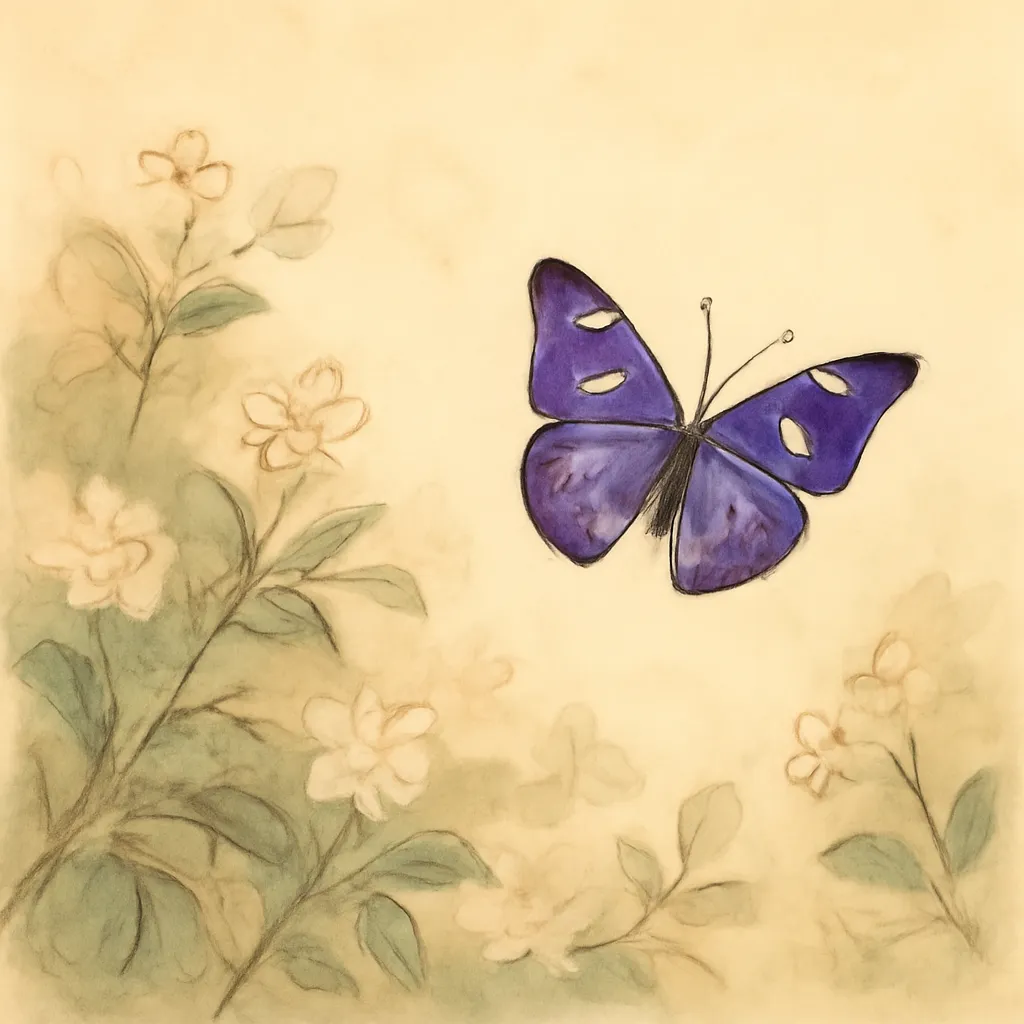
In 'The Purple Emperor', English introduces readers to one of the most striking butterflies in the British Isles. The narrative captures the elegance and beauty of the butterfly as it flutters through the hedgerows, catching the sunlight in its iridescent wings. This story serves as an exploration of the themes of transformation and the ephemeral nature of beauty. English contrasts the delicate life of the butterfly with the more mundane aspects of the animal kingdom, emphasizing the butterfly's role as a symbol of freedom and grace. The narrative delves into the butterfly's life cycle, from caterpillar to chrysalis to its final form, illustrating the profound changes that occur in nature. Through the lens of the Purple Emperor, readers are encouraged to reflect on the fleeting moments of beauty in their own lives and the importance of cherishing these experiences.
6.The Harvest Mouse and the Threat of Change
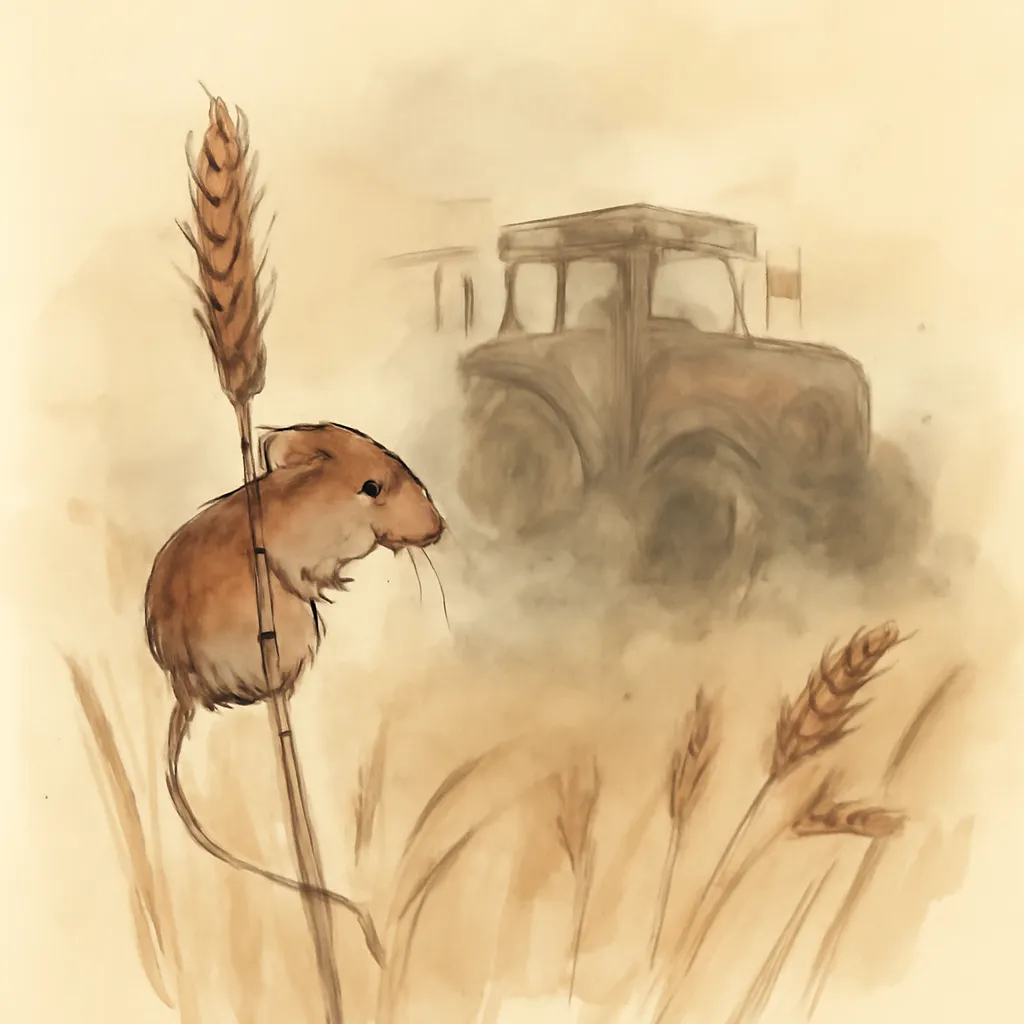
In 'The Harvest Mouse', the story unfolds as the titular mouse observes the chaos brought on by human agricultural practices. The narrative vividly depicts the harvest mouse's perspective as it navigates the dangers posed by machinery and the loss of habitat. English uses this story to highlight the broader environmental issues that threaten wildlife, emphasizing the impact of industrialization on natural habitats. The mouse’s instinctual reactions to danger and its strategies for survival reflect the resilience of nature, but also the precariousness of life in changing environments. Through the harvest mouse's experience, readers are prompted to consider their role in protecting wildlife and the importance of sustainable practices. This narrative serves as a call to action, urging individuals to recognize the consequences of their actions on the delicate balance of the ecosystem.
7.The Trivial Fortunes of Molge: The Life of a Newt
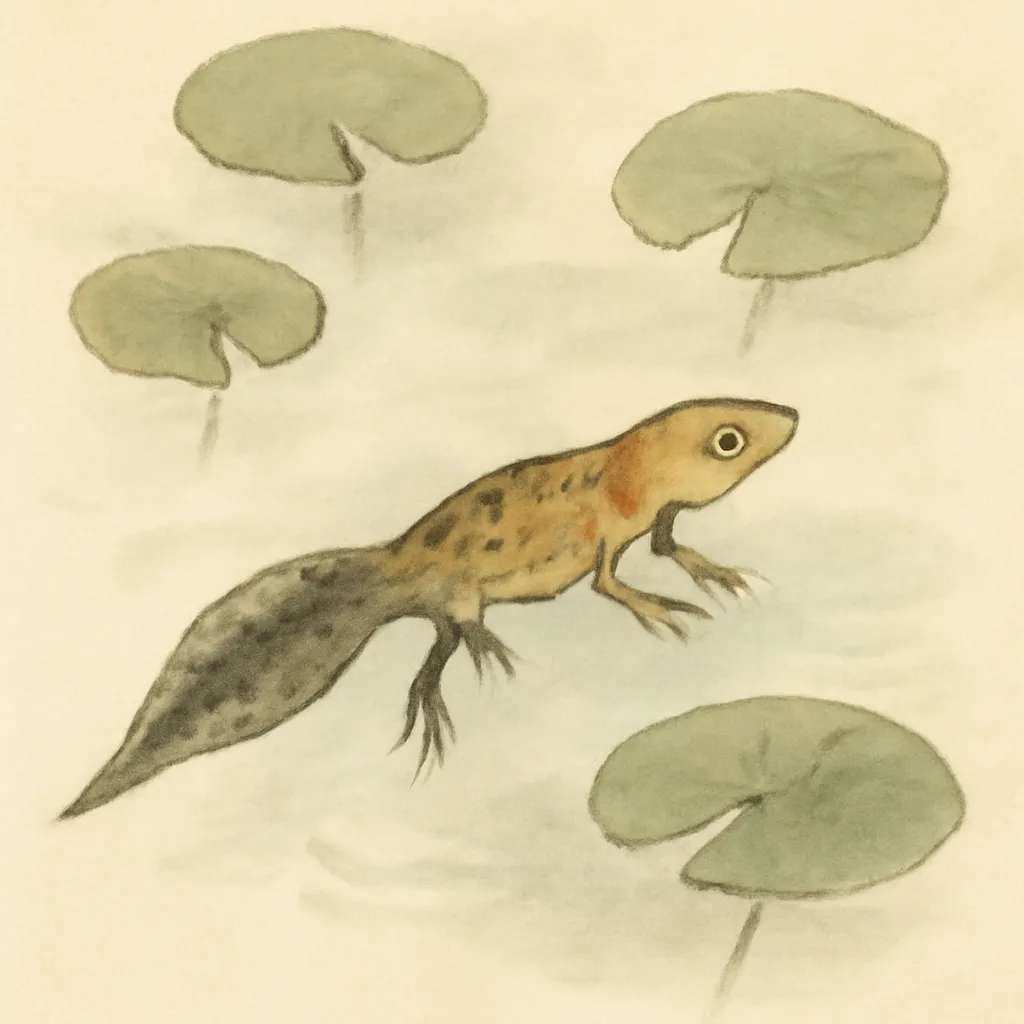
In 'The Trivial Fortunes of Molge', the story follows a newt as it undergoes a remarkable transformation from a tadpole to a fully developed amphibian. English intricately describes the newt's journey, emphasizing the theme of metamorphosis and the complexities of life cycles in nature. The narrative captures the newt's experiences as it learns to navigate its environment, showcasing the challenges and triumphs of growth. The story highlights the beauty of transformation, not only in physical form but also in the newt's adaptation to its surroundings. By illustrating the newt's interactions with other aquatic life, English underscores the interconnectedness of all species within their ecosystems. This tale serves as a metaphor for personal growth, encouraging readers to embrace change and recognize the potential that lies within each stage of life.
8.The Struggles of the Black Rat
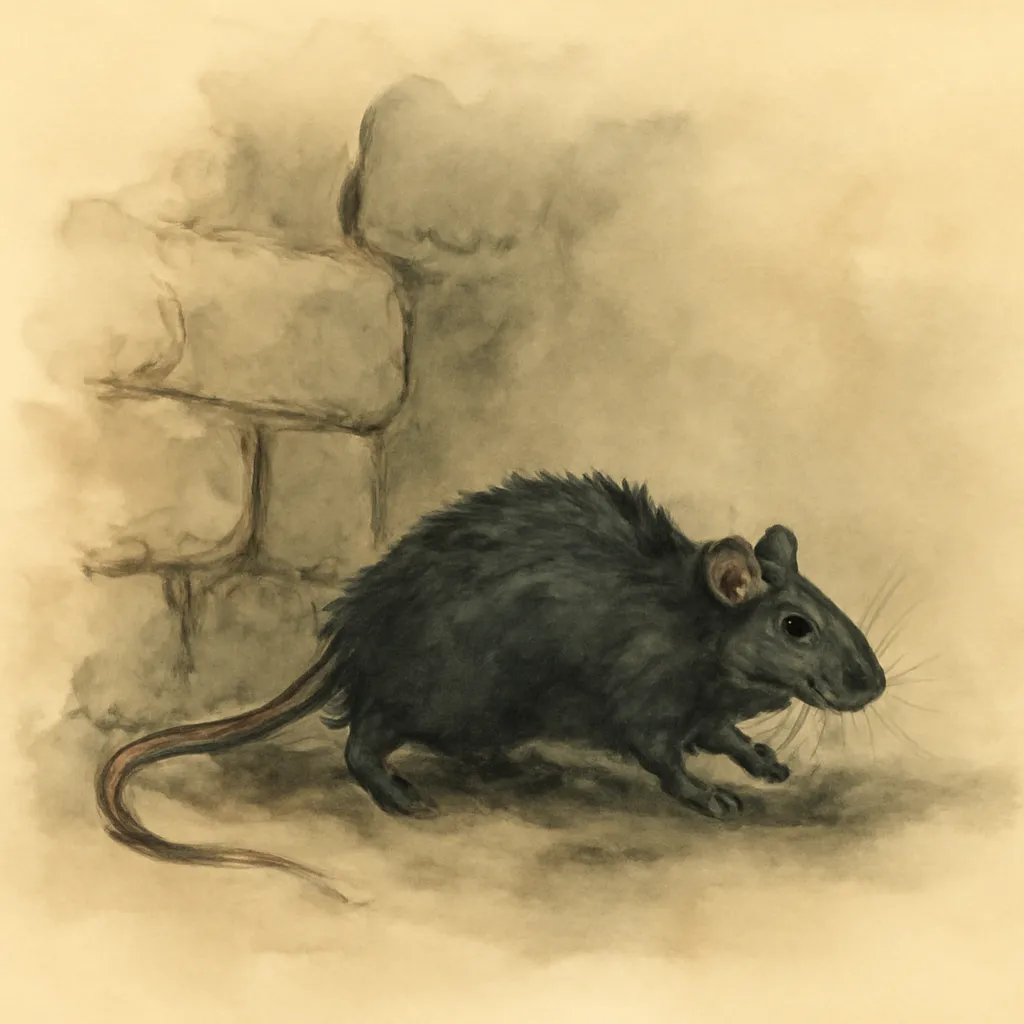
In 'The Passing of the Black Rat', English tells the poignant story of the black rat, a species that faces decline due to competition and changing environments. The narrative explores the black rat's historical significance and its adaptability, juxtaposed with the challenges it encounters in a rapidly evolving world. Through the lens of the black rat's experiences, readers gain insight into the themes of survival and extinction. English presents the black rat as a misunderstood creature, often vilified yet integral to the ecosystem. The story serves as a reflection on the impact of human activity on wildlife and the delicate balance that sustains various species. This narrative encourages empathy towards often-overlooked creatures and highlights the importance of biodiversity in maintaining healthy ecosystems.
9.The Fox's Tricks and the Nature of Deception
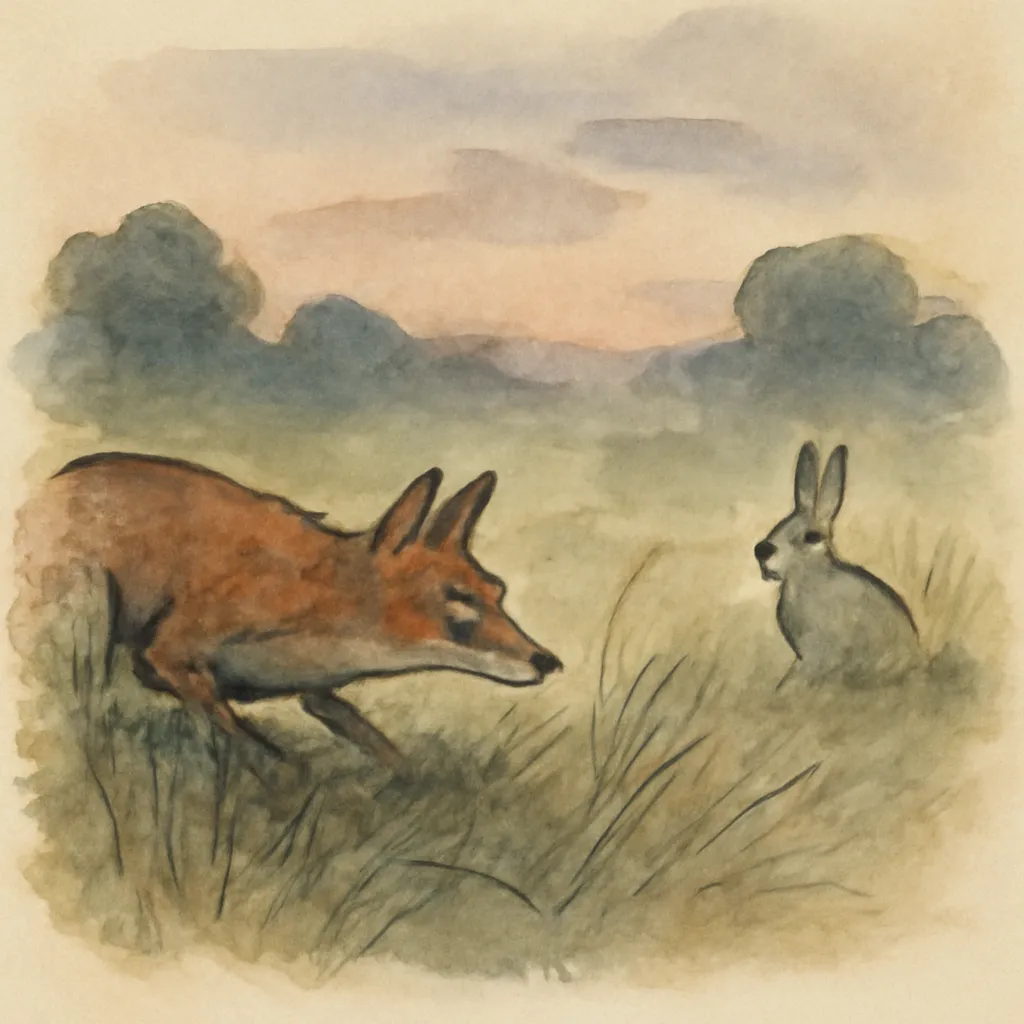
In 'The Fox's Tricks Are Many; One is Enough for the Urchin', the cunning nature of the fox is explored through its interactions with other animals. English captures the cleverness and resourcefulness of the fox, who uses its wits to survive in a world filled with threats. The narrative emphasizes the theme of deception in the animal kingdom, illustrating how different species employ strategies to outsmart one another. The fox's cunning tactics serve as a metaphor for the broader challenges of survival, showcasing the importance of intelligence and adaptability. Through this tale, readers are invited to reflect on the moral implications of deception and the fine line between survival and ethics in nature. The fox's story encourages a deeper understanding of the complexities of animal behavior and the instinctual drives that govern their actions.
10.The Interconnectedness of Life
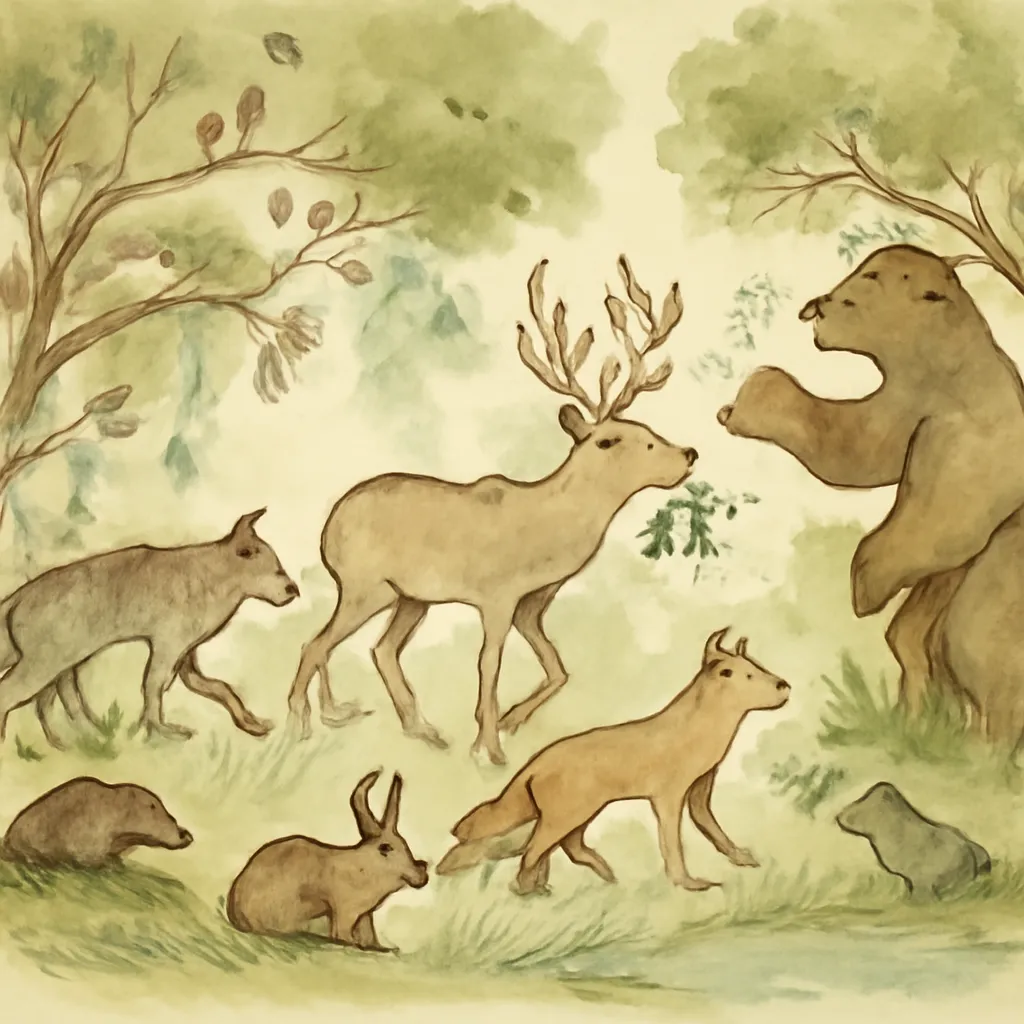
Throughout 'Wee Tim'rous Beasties', English weaves a common thread of interconnectedness among the various species explored. Each story highlights the relationships between animals and their environments, illustrating how their fates are intertwined. Whether through competition, predation, or symbiosis, the narratives emphasize the importance of understanding the ecological web that sustains life. English's portrayal of these relationships encourages readers to recognize their own place within the natural world and the impact of their actions on other living beings. By showcasing the diversity of animal life and their unique adaptations, the book fosters a sense of responsibility towards conservation and the preservation of habitats. This overarching theme serves as a reminder of the complexity and beauty of nature, urging readers to appreciate and protect the delicate balance of life.