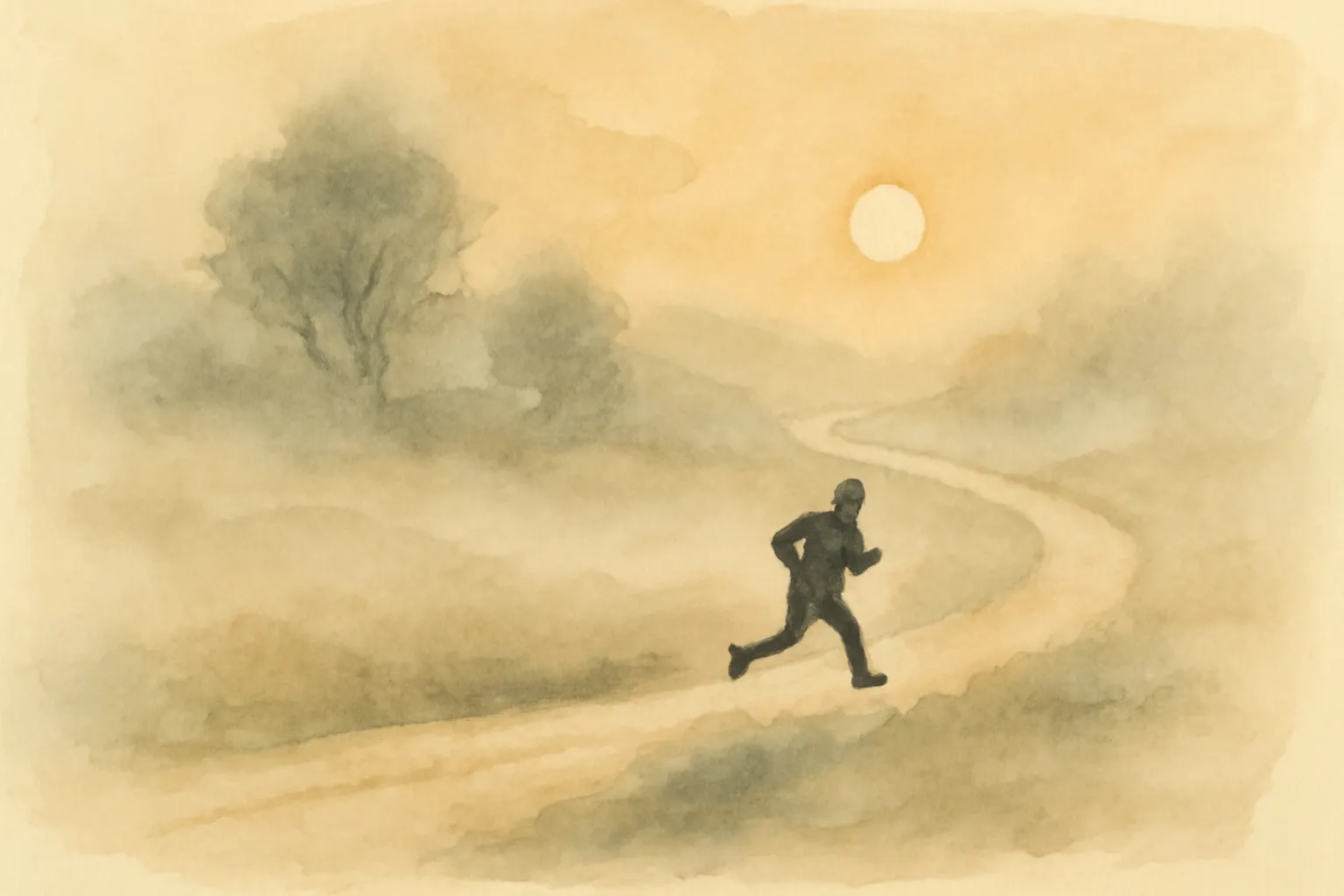
1.Running as a Metaphor for Writing
Murakami draws a clear parallel between the solitary, repetitive discipline of long-distance running and the daily grind of writing novels. Both require perseverance, self-motivation, and a willingness to endure discomfort for the sake of a larger goal. He suggests that the habits and mindset he cultivates as a runner—patience, resilience, and acceptance of pain—are essential to his life as a writer. Through this lens, running becomes not just exercise, but a metaphor for creative endurance.
2.The Value of Routine and Discipline
The memoir emphasizes the importance of routine, both in running and in writing. Murakami describes his daily schedules, his commitment to running even when he doesn’t feel like it, and how this discipline spills over into his work as an author. He argues that talent alone is not enough; sustained effort, built through daily habits, is what leads to meaningful achievement. This idea challenges the romantic notion of the 'inspired' artist, instead highlighting the unglamorous work behind success.
3.Embracing Solitude
For Murakami, both running and writing are fundamentally solitary pursuits. He reflects on how these activities allow him to process thoughts, confront his own limitations, and find peace in his own company. Rather than seeing solitude as loneliness, he frames it as a necessary space for self-discovery and growth. This perspective offers reassurance to anyone who seeks meaning in solo endeavors.
4.Aging, Change, and Acceptance
As Murakami ages, he confronts the reality that his running times slow and his body changes. Rather than resisting these changes, he learns to accept them, finding value in the act of running itself rather than in competitive results. This acceptance becomes a lesson in humility and adaptability, applicable to both athletic and creative pursuits, and ultimately to life’s broader transitions.
5.Mindfulness and the Present Moment
Murakami often describes the meditative state he enters while running, where thoughts come and go and he becomes attuned to his body and surroundings. This mindfulness, he suggests, is both a byproduct and a goal of running, and it enriches his writing practice as well. The book advocates for being present in the moment, finding clarity and insight through physical movement and mental stillness.
6.Personal Limits and Self-Competition
Rather than measuring himself against others, Murakami focuses on personal improvement and self-understanding. He acknowledges his limitations and sets goals that are meaningful to him, whether finishing a marathon or completing a novel. This approach encourages readers to pursue their own standards of success, emphasizing internal growth over external validation.