1.The Allure of the Southwest
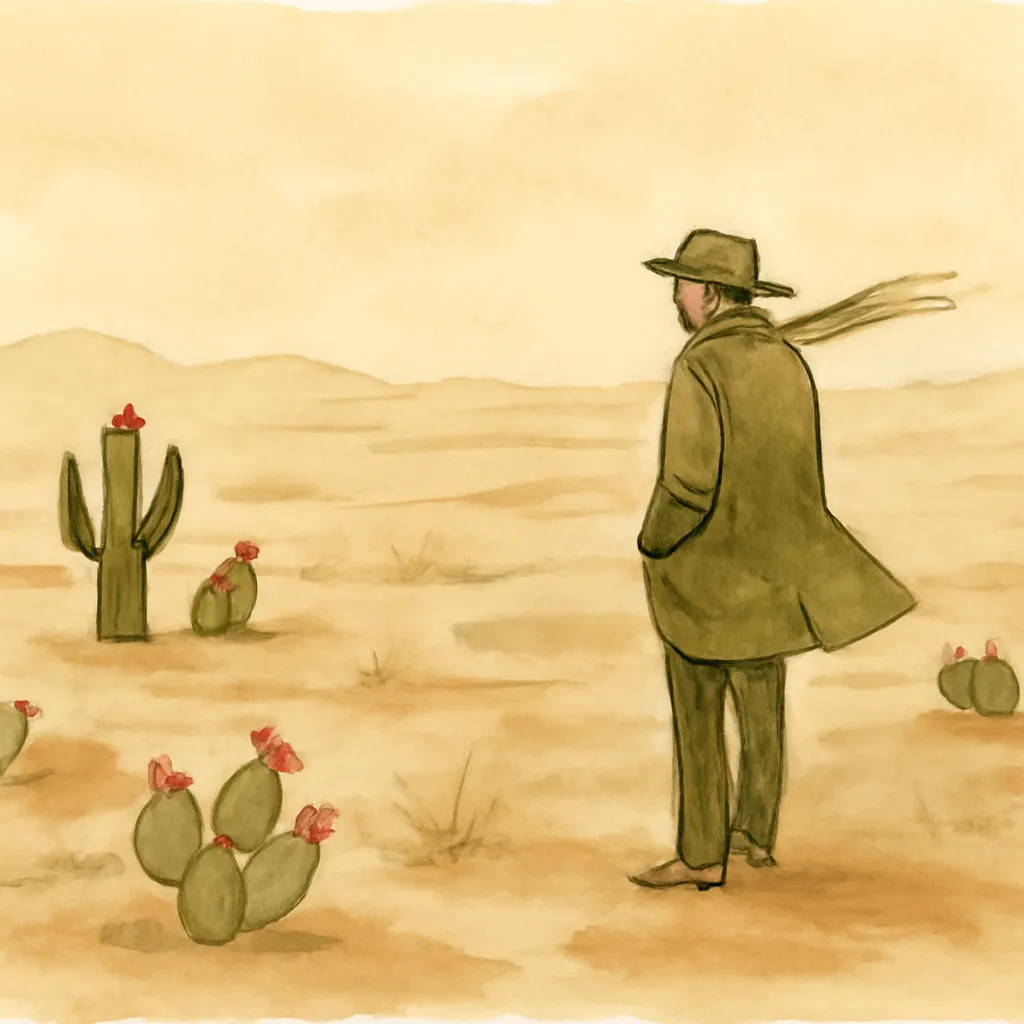
The novel opens with a vivid portrayal of the Chihuahuan desert, described as a land both beautiful and desolate. The beauty of midsummer, with its ripe melons and soaring eagles, contrasts sharply with the desolation marked by the remnants of life long gone. This duality serves not only as a setting but also as a metaphor for the characters' inner lives. The landscape, often viewed as forgotten by God, becomes a character in its own right, reflecting the mysteries and secrets of the past. As Captain Forest and his Indian attendant José traverse this rugged terrain, the reader is invited to appreciate the enchantment hidden within its vastness, suggesting that beauty can emerge from desolation. The descriptions of the mountains, plains, and the eerie silence of the desert create a backdrop that deeply influences the characters’ experiences, symbolizing their struggles and desires.
2.Jack Forest: A Life of Rich Experience

Captain Jack Forest embodies the spirit of adventure and the tensions between duty and desire. His diverse experiences—from hunting big game across continents to serving in diplomatic roles—paint a picture of a man who has tasted the richness of life. However, the outbreak of the Spanish-American War awakens a dormant adventurous spirit within him, leading him to abandon diplomacy for military service. This transition highlights a central theme of the book: the unpredictability of life and how sudden changes can redirect one’s path. Jack’s journey from a life of comfort to the chaos of war reflects the broader human experience of seeking purpose and meaning amidst turmoil. His character grapples with the weight of family expectations while pursuing his own desires, creating a tension that resonates throughout the narrative. Furthermore, the exploration of his motivations provides insight into the impact of personal history and societal roles on identity formation.
3.Cultural Clashes and Tensions
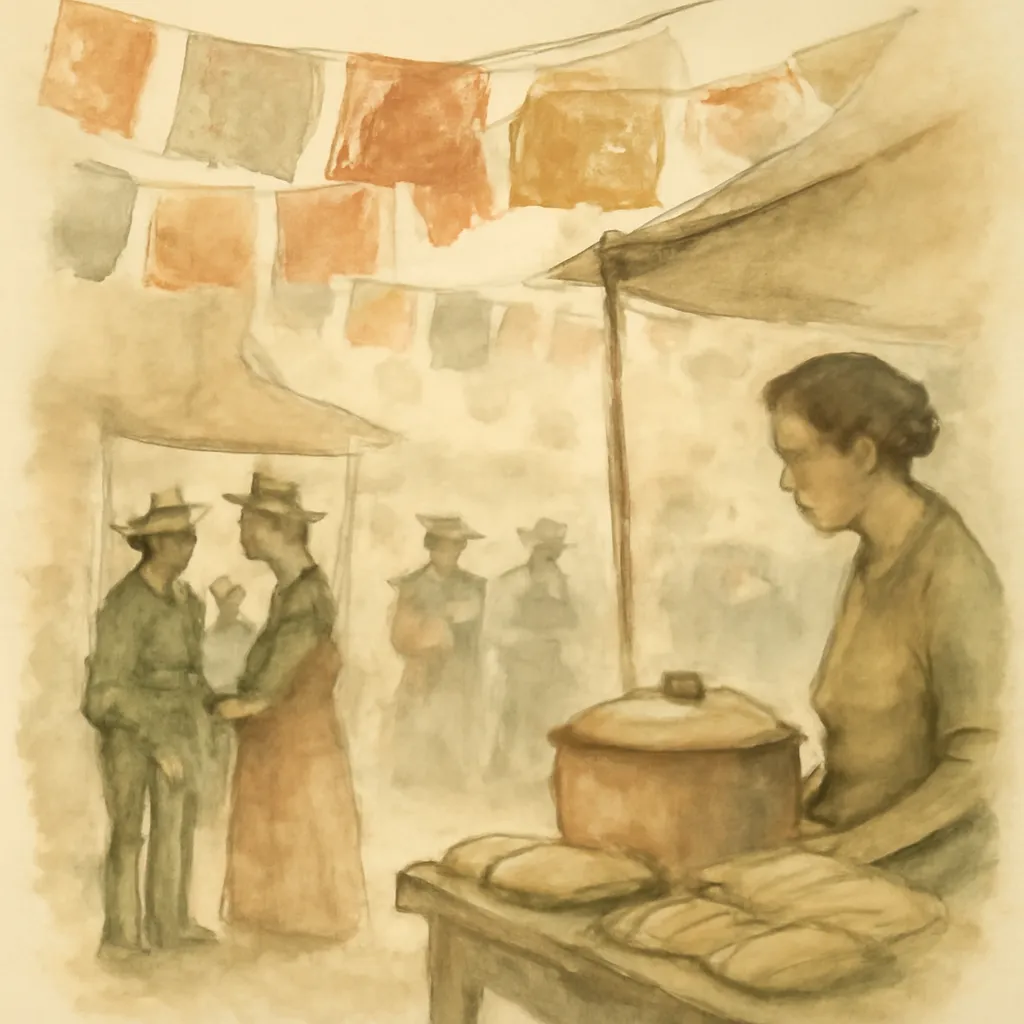
The interactions between the American characters and the local Mexican populace reveal deep cultural divides and tensions. Captain Forest's arrival coincides with the Fiesta, the Feast of the Corn, an event steeped in local tradition and significance. As he witnesses the vibrant celebrations, it becomes clear that the clash between American and Mexican cultures is not merely one of language and customs but also of identity and belonging. The characters' attempts to navigate these differences highlight the challenges of understanding and acceptance in a world rife with prejudice and misunderstanding. The cultural richness of the Southwest is contrasted with the characters' struggles, illustrating how identity shapes relationships. The narrative invites the reader to consider the implications of cultural heritage and the importance of empathy in bridging divides, suggesting that appreciation for different traditions can lead to deeper connections among individuals.
4.The Role of Women in a Changing World

Women in 'When Dreams Come True' are portrayed as complex figures navigating a patriarchal society. Chiquita, a mestiza woman educated by Padre Antonio, stands out as a character who defies societal expectations. Her beauty and intelligence make her a target of jealousy from other women, and her relationship with Captain Forest complicates her standing in the community. The narrative explores the theme of female empowerment against the backdrop of traditional roles, illustrating how women like Chiquita negotiate their desires and societal pressures. Her character embodies resilience, showcasing an individual striving to assert her identity in the face of adversity. This tension is further complicated by her interactions with Don Felipe, showcasing the ways in which love and ambition can intersect and create conflict. Additionally, the author subtly critiques the limitations imposed on women by society, highlighting the strength they find in their bonds with one another.
5.The Weight of Legacy and Heritage
The characters in the story are deeply influenced by their legacies and the histories that shape them. Captain Forest’s military background and the expectations of his family weigh heavily on him, as does the legacy of Don Felipe, who grapples with his past and the expectations of his culture. The novel delves into how heritage influences personal identity and relationships, particularly in a landscape where the past is ever-present. For instance, Don Felipe’s return to Santa Fé brings with it the burden of his family’s history, prompting questions of honor, duty, and personal choice. The characters' struggles with their legacies reflect a broader commentary on how individuals must navigate their histories while forging their own paths. This tension creates a rich narrative fabric that invites readers to consider the impact of heritage on their lives, suggesting that understanding one's past is crucial for shaping the future.
6.Romantic Tension and Jealousy
Romance in 'When Dreams Come True' is fraught with tension, jealousy, and unspoken desires. The interactions between Captain Forest, Chiquita, and Don Felipe create a love triangle that drives much of the narrative conflict. Blanch, Jack's mother, becomes increasingly concerned about Chiquita's influence over her son, leading to a palpable sense of rivalry and competition. This jealousy is exacerbated by societal expectations and the characters' insecurities, creating an atmosphere charged with emotional stakes. The exploration of romantic relationships in the context of cultural and personal conflicts underscores the complexities of love and desire, revealing how they can both unite and divide individuals. The choices made by the characters illustrate the often tumultuous nature of love, where passion can lead to both profound connections and devastating consequences.
7.The Influence of Setting on Character Development
The physical and cultural landscape of the Southwest significantly influences the characters' development and choices. The arid beauty and harsh realities of the desert serve as a backdrop for the characters' internal struggles and transformations. For instance, Captain Forest's initial sense of adventure shifts as he confronts the stark realities of life in the desert, forcing him to reassess his priorities and desires. The setting not only shapes the characters' experiences but also reflects their emotional states, creating a rich interplay between environment and personal growth. This is particularly evident in moments of contemplation where the vastness of the desert mirrors the characters' feelings of loneliness and longing. The landscape becomes a silent witness to their journeys, emphasizing the connection between place and identity, suggesting that the environment can act as a catalyst for personal reflection and change.
8.The Power of Community and Tradition
The Fiesta serves as a focal point in the narrative, illustrating the importance of community and tradition in the characters' lives. This annual celebration brings together people from different backgrounds, fostering a sense of belonging and shared identity. The communal aspect of the Fiesta contrasts with the individual struggles faced by the characters, highlighting the tension between personal desires and collective expectations. The celebration also serves as a reminder of the cultural richness of the Southwest, underscoring the significance of tradition in shaping identity and community. This theme emphasizes the idea that while individuals may seek personal fulfillment, they are often intertwined with the broader tapestry of their culture, suggesting that belonging to a community can provide both support and conflict.
9.Conflict and Resolution in Human Relationships
Conflict is a central theme in 'When Dreams Come True,' manifesting in various forms—cultural clashes, romantic rivalries, and personal struggles. The characters must navigate their differences while seeking connection and understanding. For instance, the tension between Captain Forest and Don Felipe escalates as their interests in Chiquita intersect, leading to moments of confrontation and reflection. The resolution of these conflicts is not always straightforward, reflecting the complexities of human relationships and the often-painful process of growth and understanding. The narrative ultimately suggests that resolution may come not through the absence of conflict but through the willingness to engage with it authentically. This perspective encourages readers to consider how conflict, when approached thoughtfully, can lead to deeper understanding and connection among individuals.
10.The Journey Toward Self-Discovery
Throughout the novel, characters embark on journeys of self-discovery, grappling with their identities and desires. Captain Forest's transition from diplomat to soldier reflects his quest for purpose in a world filled with uncertainty. Similarly, Chiquita's navigation of her cultural identity and personal desires leads her to confront societal expectations and her feelings for Captain Forest. These journeys are marked by moments of introspection and revelation, underscoring the theme that self-discovery is often fraught with challenges. The characters' growth throughout the narrative illustrates the idea that understanding oneself is a lifelong journey, shaped by experiences, relationships, and the complexities of the human condition. By embracing their struggles, the characters move closer to self-acceptance and fulfillment, emphasizing that the journey is as important as the destination.