1.The Grotesque Within Us All
The opening story, 'The Book of the Grotesque,' introduces the concept of the grotesque, which permeates the entire collection. It portrays a writer reflecting on the nature of truth and the human experience, suggesting that our inner lives are often filled with contradictions and absurdities. The writer’s encounter with a carpenter, who shares his harrowing memories of war and loss, illustrates how personal tragedies can shape our identities. The carpenter’s tears reveal the vulnerability beneath his rough exterior, highlighting that everyone carries unseen burdens. This theme of the grotesque serves as a lens through which Anderson examines the lives of his characters, who often appear eccentric or flawed but are ultimately relatable in their struggles. The grotesque invites readers to empathize with the characters, acknowledging that their imperfections are part of the shared human experience.
2.Isolation and Connection
In 'Hands,' Wing Biddlebaum embodies the theme of isolation, representing the struggle for connection in a world that often misunderstands. Wing, once a schoolteacher, is haunted by his past and the accusations that led him to retreat from society. His nervous hands, which once reached out to students with affection, now twitch in fear and anxiety. This physical manifestation of his inner turmoil emphasizes how isolation can distort one’s identity and relationships. The fleeting friendship he forms with George Willard serves as a glimmer of hope, suggesting that connection is possible, even for those who feel estranged. Through Wing's story, Anderson illustrates the human longing for companionship and understanding, underscoring the pain of living in a world where genuine connections are rare.
3.The Burden of Memory
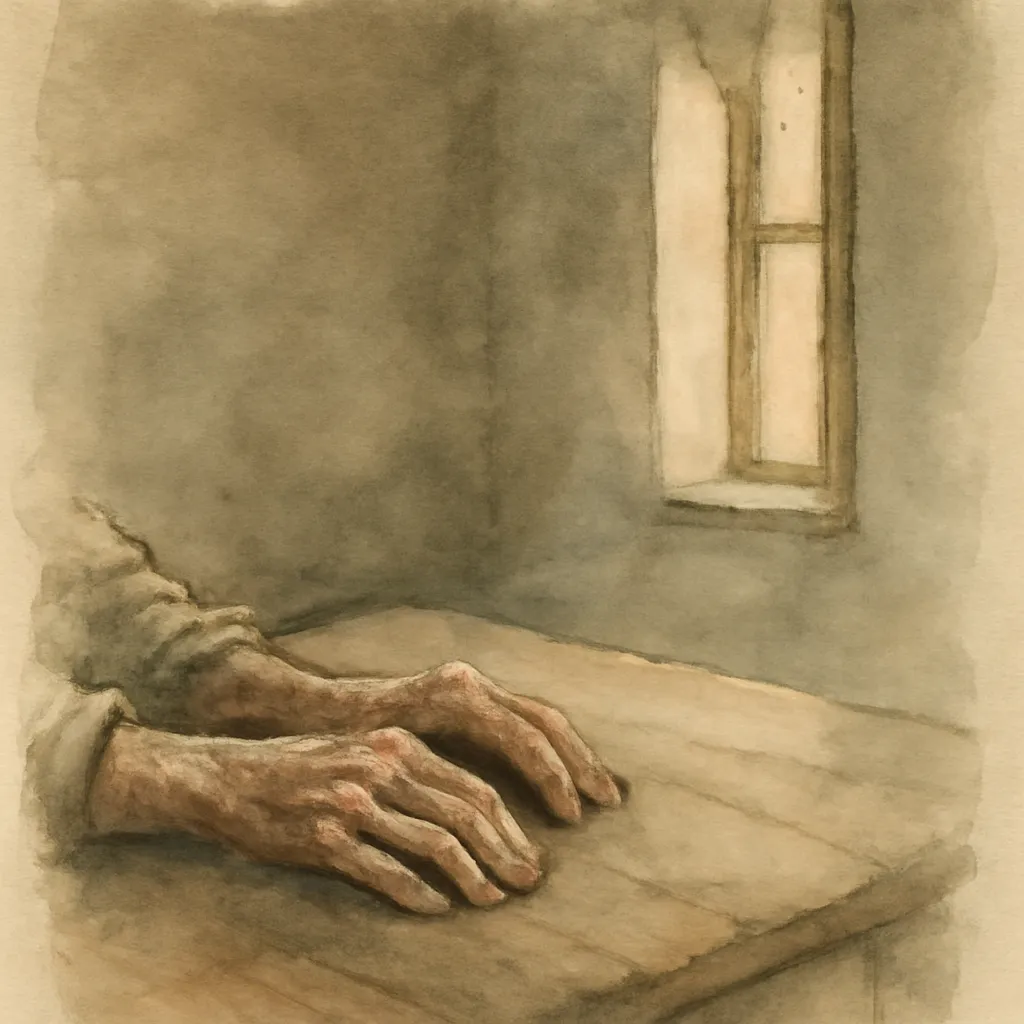
Doctor Reefy, in 'Paper Pills,' represents the weight of memory and the impact of loss on the human psyche. After the death of his wife, he retreats into solitude, filling his office with crumpled papers that symbolize his fragmented thoughts and unexpressed emotions. Doctor Reefy's hands, described as large and gnarled, reflect the burdens he carries—both physical and emotional. His peculiar habit of creating paper balls from scraps reveals his attempt to make sense of his grief. The story highlights how memories can haunt us, shaping our lives in profound ways. Through Doctor Reefy, Anderson explores the idea that healing often requires confronting painful memories rather than burying them. This theme resonates deeply, reminding readers of the importance of acknowledging and processing our pasts.
4.The Complexity of Motherhood
Elizabeth Willard in 'Mother' illustrates the often-overlooked struggles of motherhood and the impact of unfulfilled dreams. Her life is marked by disappointment and resignation, as her husband, Tom, pursues political ambitions while neglecting their domestic life. Elizabeth's physical decline mirrors her emotional state, as she becomes a ghostly figure in her own home. Her relationship with her son, George, is fraught with unexpressed emotions, revealing the complexities and challenges of maternal love. Elizabeth's silent suffering highlights the sacrifices women often make and the societal expectations placed upon them. Through her character, Anderson emphasizes the need for understanding and compassion towards mothers, who navigate their roles amid personal struggles and societal pressures.
5.The Search for Identity
George Willard, the young reporter, embodies the theme of self-discovery and the quest for identity throughout 'Winesburg, Ohio.' As he interacts with various townspeople, he grapples with his own aspirations and the expectations placed upon him. His encounters with characters like Alice Hindman and Kate Swift reveal his longing for deeper connections and understanding. Alice, who struggles with her past and unfulfilled desires, represents the complexity of love and the impact of societal norms on personal choices. George's evolving relationships with women in the town serve as a catalyst for his growth, pushing him to confront his own fears and ambitions. This journey of self-discovery culminates in his decision to leave Winesburg, symbolizing a desire to break free from the constraints of his upbringing and find his own path.
6.The Weight of Expectations
In 'The Philosopher,' Doctor Parcival represents the struggle against societal expectations and the pursuit of authenticity. His cynical view of life contrasts with the aspirations of the townspeople, who seek validation and success according to societal standards. Doctor Parcival's conversations with George Willard challenge the young man's perceptions of success and happiness, urging him to question the values instilled in him. This theme of expectation permeates the lives of many characters in Winesburg, as they navigate their desires against the backdrop of societal norms. Through Doctor Parcival, Anderson critiques the superficiality of societal definitions of success, encouraging readers to seek their own truths rather than conforming to external pressures.
7.The Illusion of Respectability
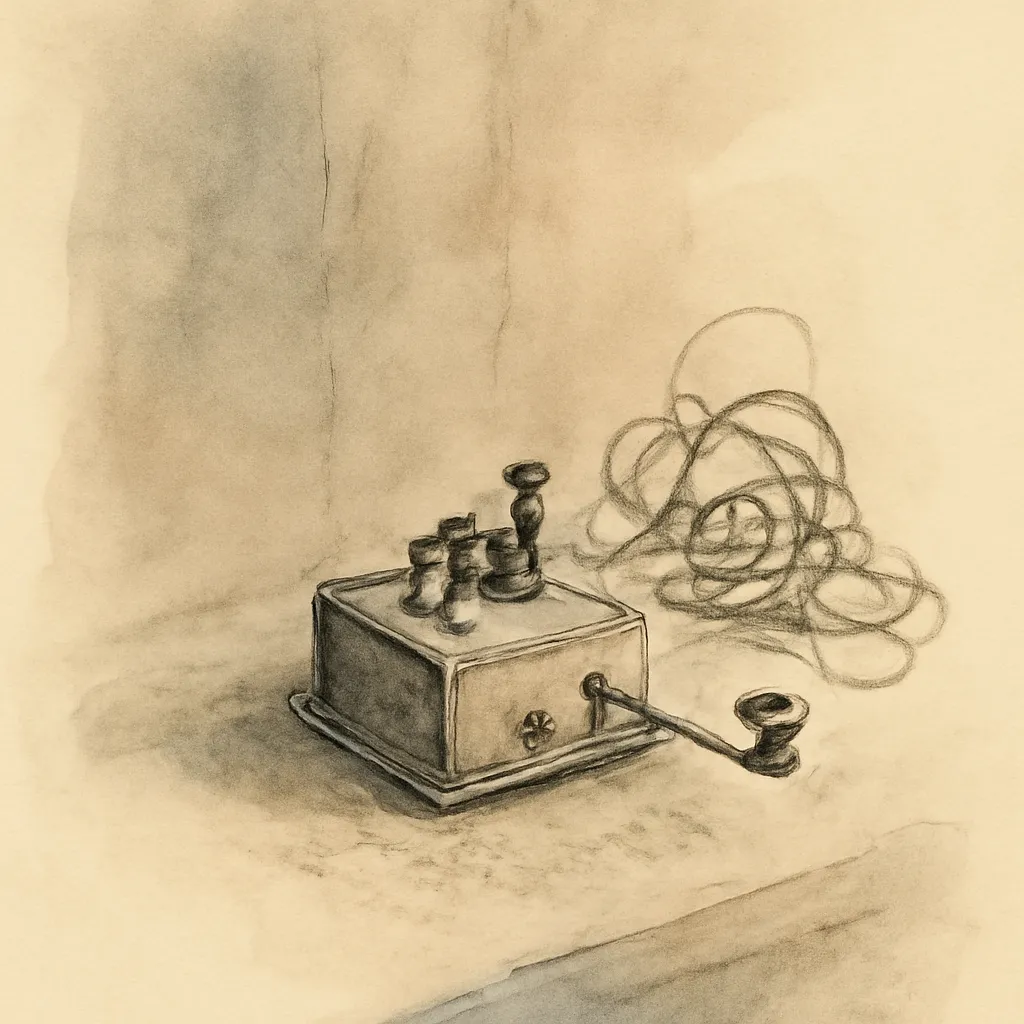
In 'Respectability,' Wash Williams embodies the tension between appearance and reality. As the town's telegraph operator, he presents a façade of respectability, yet his life is marked by degradation and loneliness. His disdain for women and his self-imposed isolation reveal the fragility of his identity. Wash's struggle with addiction and his refusal to engage with the community highlight the theme of the duality of human nature, where outward respectability can mask inner turmoil. Anderson uses Wash's character to explore the societal pressures that dictate behavior and the consequences of living a life disconnected from authenticity. This examination of respectability serves as a critique of societal norms that often fail to recognize the complexities of individual lives.
8.The Nature of Love and Desire
Alice Hindman’s story, 'Adventure,' delves into the complexities of love and desire, showcasing the impact of societal constraints on personal relationships. Alice's yearning for connection leads her into a passionate affair with Ned Currie, yet her desire for independence complicates their relationship. The tension between her longing for love and her fear of societal judgment reflects the struggles many women face in navigating their desires. Alice's internal conflict illustrates the broader theme of sexual repression in a small town where gossip and societal expectations dictate behavior. Through her character, Anderson highlights the need for genuine connection and the courage to pursue one’s desires, even in the face of societal disapproval.
9.The Cycle of Loneliness
Enoch Robinson in 'Loneliness' embodies the cycle of isolation and the human longing for connection. After spending years in New York City pursuing his artistic dreams, Enoch returns to Winesburg, only to find himself disconnected from his roots. His inability to relate to others and his artistic aspirations create a chasm between him and the townspeople. Enoch's experiences reflect the alienation many feel in a world that often prioritizes conformity over individuality. Anderson uses Enoch’s story to illustrate the struggles of those who seek to express their true selves in environments that stifle creativity and authenticity. This exploration of loneliness resonates deeply with readers, reminding us of the importance of finding community and connection in our lives.
10.The Burden of Truth
In 'The Untold Lie,' Anderson examines the burden of truth and the consequences of unspoken desires. Ray Pearson’s internal struggle with his feelings for a woman he cannot openly express his love for highlights the complexities of honesty in relationships. The fear of societal judgment and the desire for acceptance often lead individuals to hide their true feelings, resulting in emotional turmoil. Ray's quiet desperation reflects the broader theme of the human experience, where the need for connection is often thwarted by fear and societal norms. Through this narrative, Anderson encourages readers to confront their truths and consider the impact of silence on their relationships and well-being.