1.The Masquerade: A Shield for Telepaths
The concept of the Masquerade is central to the narrative, representing a protective veil for telepaths in a society that fears their powers. Developed in the late Seventeenth Century, the Masquerade allows telepaths to exist without the constant threat of persecution. Before its establishment, groups of telepaths, like the one in Offenburg, operated covertly, navigating a world that would not understand their abilities. This historical backdrop sets the stage for Jonas's journey, illustrating the lengths to which individuals must go to protect their identities. The early telepaths faced immense risks, including the very real threat of execution, which creates a palpable sense of tension throughout the narrative. The Masquerade's eventual dissolution in 2103 serves as a critical turning point, challenging the very foundation on which these telepaths have built their lives and suggesting the potential for a future where telepaths might not need to hide.
2.Jonas: The Reluctant Hero
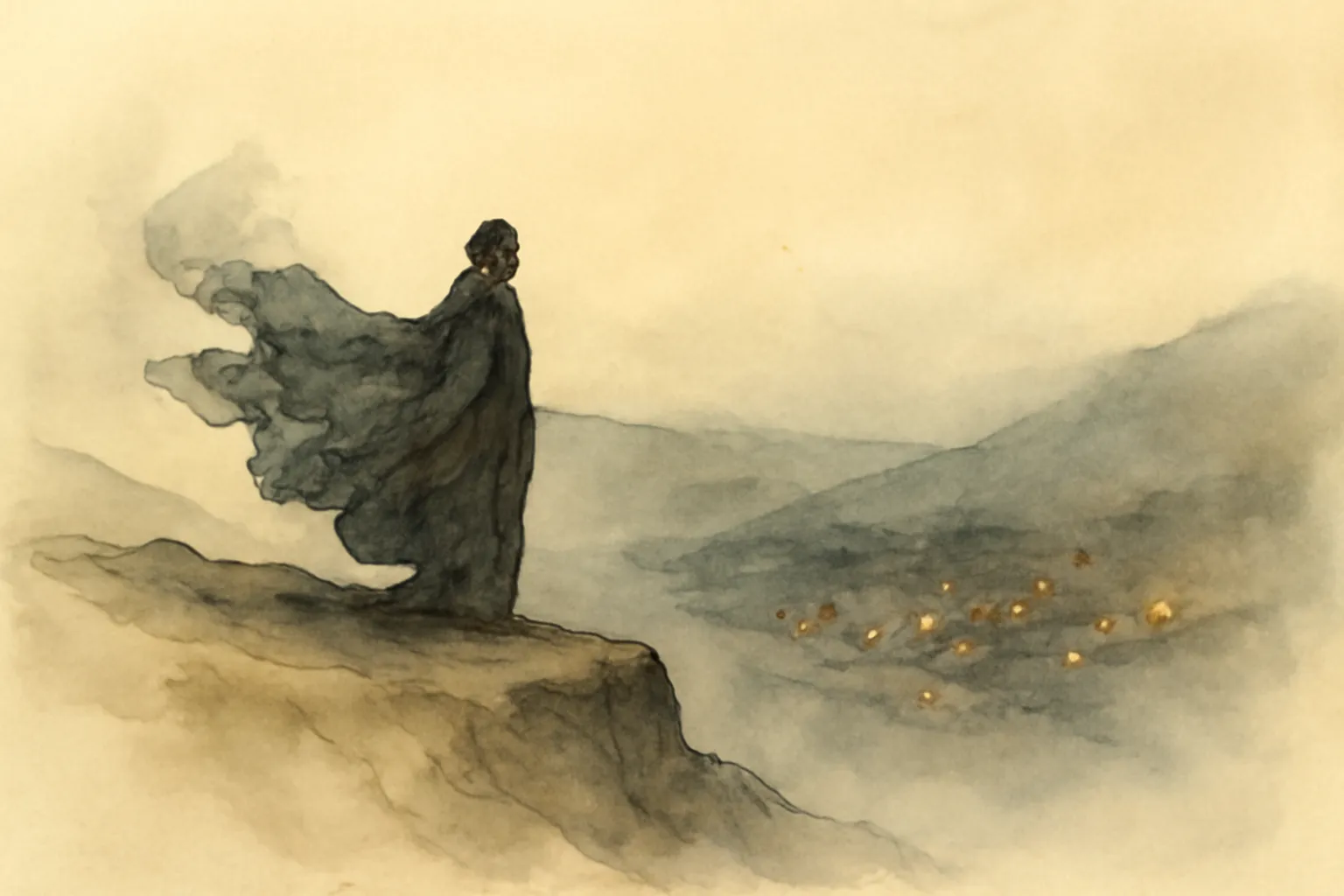
Jonas emerges as an unconventional hero, defying the traditional archetype of a tall, handsome figure. Instead, he is characterized by his average stature, lumpy features, and a unique perspective on life. His self-awareness and candid thoughts reveal a man who is both eager for adventure and acutely aware of the dangers that accompany it. As he reflects on the risks involved in his quests, including the potential for death, the reader gains insight into his psyche. This duality—his yearning for action coupled with a realistic understanding of the stakes—makes Jonas relatable and grounded, allowing readers to empathize with his journey. His internal conflict between duty and desire adds depth to his character, making him a compelling focal point in the story. Through his eyes, we see that heroism isn’t just about physical prowess; it’s also about grappling with moral dilemmas and the weight of expectation thrust upon him by his peers.
3.The Philosophy of Caution

Jonas's interactions with Claerten highlight the philosophical underpinnings of caution in the face of danger. Claerten, a guiding figure, emphasizes the importance of patience and wisdom over impulsive action. This dynamic illustrates a recurring theme in the narrative: the balance between taking risks and exercising restraint. Claerten's insistence that Jonas wait for the right moment to act serves as a reminder that true heroism often lies in strategic thinking rather than reckless bravery. This philosophy resonates throughout the story, influencing Jonas's actions and shaping the outcomes of critical events. The tension between action and inaction is palpable, encapsulating the age-old struggle of whether to seize the moment or to let events unfold naturally. The narrative suggests that when faced with overwhelming circumstances, it is often the careful, calculated choice that leads to success, inviting readers to reflect on their own decision-making processes in moments of crisis.
4.The Burden of Telepathy

Telepathy, while a remarkable gift, also comes with significant burdens. Jonas's ability to communicate mentally with Claerten and others highlights both the advantages and the emotional toll of such powers. The strain of maintaining long-distance connections drains Jonas's energy, serving as a metaphor for the challenges of human connection in general. This aspect of telepathy raises questions about the nature of relationships and the sacrifices individuals make for the sake of their abilities. As Jonas navigates his telepathic links, the narrative explores themes of vulnerability, the desire for autonomy, and the complexities of influence. The push and pull of connection versus independence becomes a central tension in Jonas's journey, illustrating the intricate dynamics of power and control. The emotional weight of being constantly connected to others leads Jonas to long for moments of solitude, reminding readers that even the most extraordinary gifts can lead to isolation and fatigue.
5.The Role of the Brotherhood
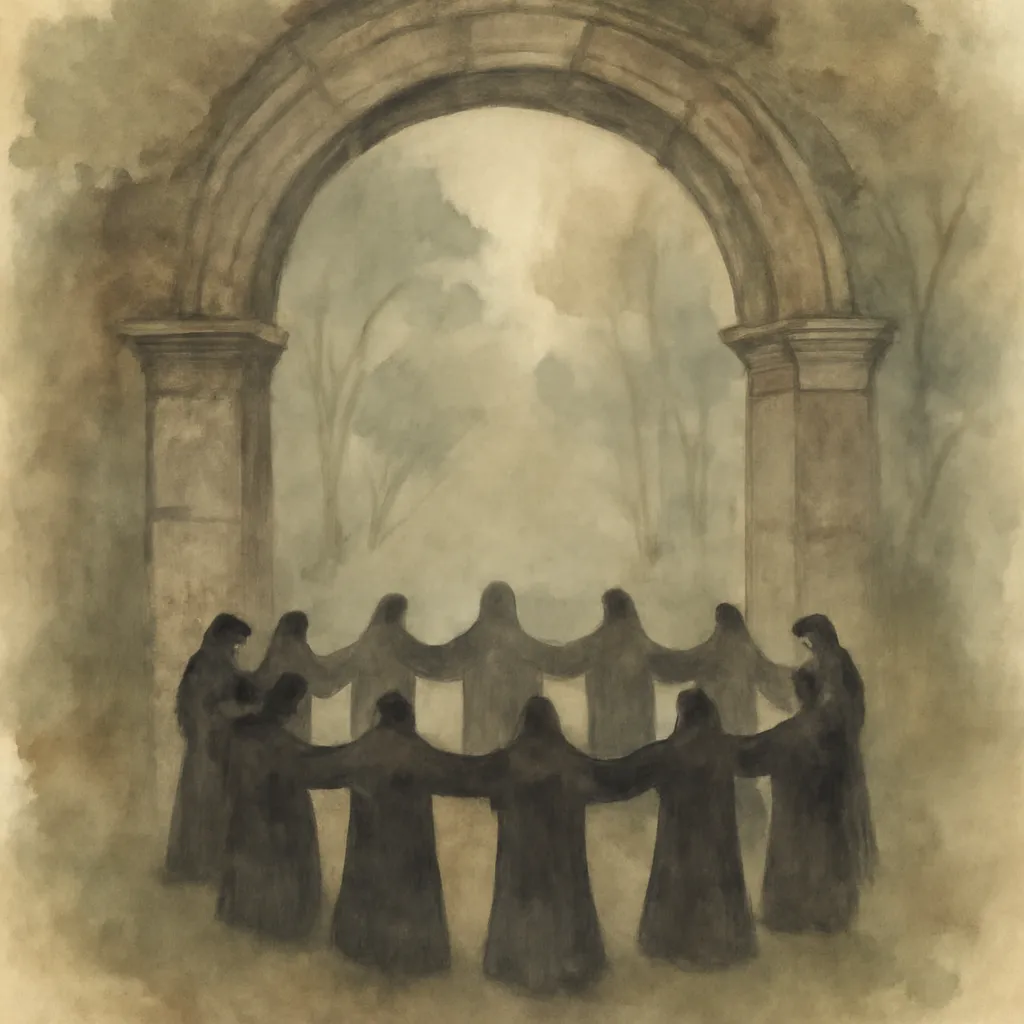
The Brotherhood of telepaths serves as a crucial support system for Jonas and others like him, providing a sense of belonging and purpose. However, their collective power is still limited, emphasizing the challenges they face in a world that does not accept them. Jonas's interactions with Claerten reveal the organization's cautious approach to expansion, focusing on training new members and building influence rather than rushing into confrontations. This strategic mindset reflects the broader theme of growth through solidarity and the importance of patience in achieving long-term goals. The Brotherhood's gradual accumulation of power illustrates the potential for change within a society that fears the unknown, suggesting that unity and perseverance can lead to significant shifts in societal perceptions. The bond between the members of the Brotherhood illustrates how shared experiences and mutual support can empower individuals, reinforcing the notion that progress is often a collective endeavor.
6.The Inquisitor's Threat
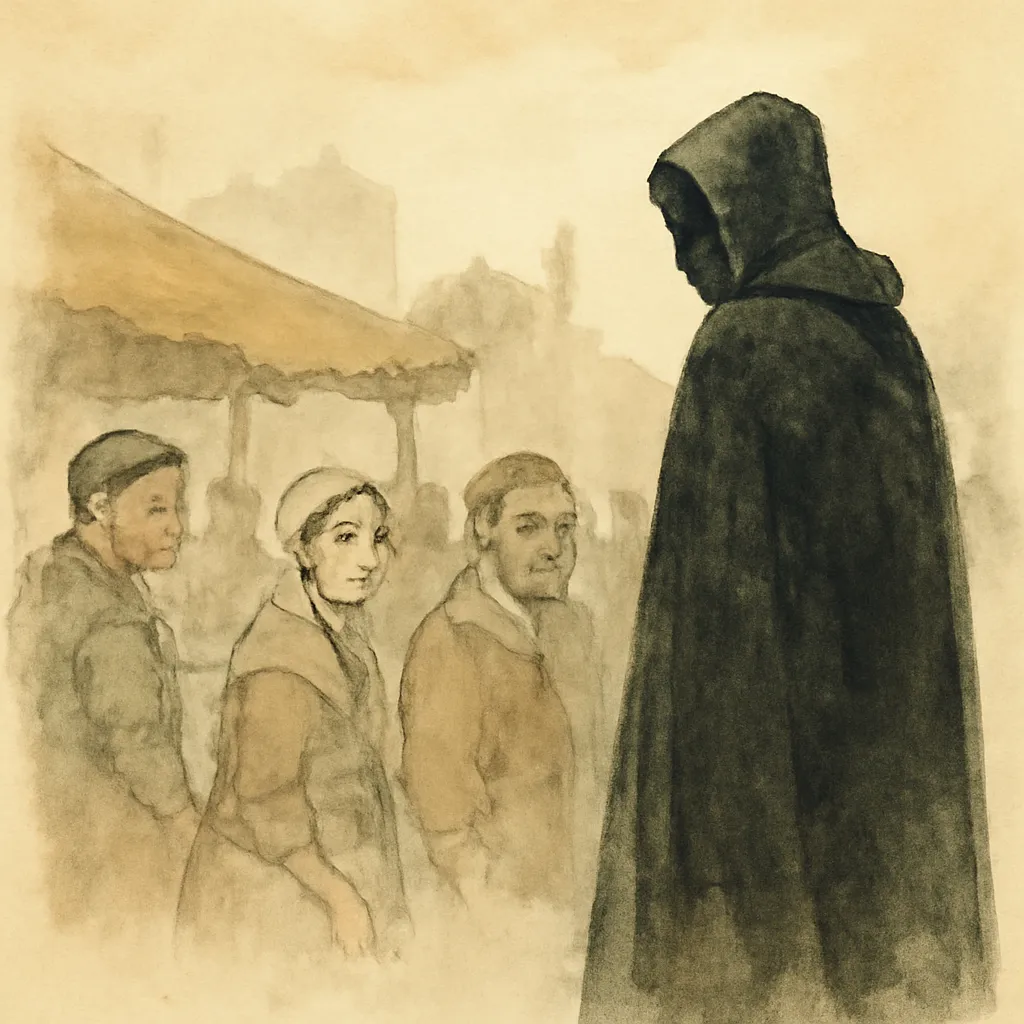
The presence of the Inquisitor as an antagonist adds a layer of tension and urgency to the narrative. His role embodies the societal fear of telepathy, representing the dangers that individuals like Jonas face in their quest for acceptance. The Inquisitor's authority and the threat of trials create a palpable sense of dread, forcing Jonas and his allies to navigate their actions carefully. The stakes are raised as they work to prevent the persecution of those who dare to embrace their abilities. This conflict underscores the broader theme of fear versus acceptance, as characters grapple with the consequences of their identities in a hostile environment. The Inquisitor's looming presence serves as a constant reminder of the societal pressures that shape the lives of telepaths, driving home the message that true freedom often comes at a cost. The narrative captures the essence of this struggle, depicting how fear can lead to oppression but also how courage can challenge such tyranny.
7.The Importance of Influence
Influence plays a pivotal role in the story, particularly in Jonas's interactions with the Inquisitor and other key figures. Through his telepathic abilities, he is able to sway opinions and alter perceptions, showcasing the power of the mind in shaping reality. This manipulation of thought highlights the ethical dilemmas associated with telepathy; while it can be used for good, it also raises questions about consent and autonomy. The narrative explores the implications of using one's gifts to influence others, prompting readers to consider the fine line between guidance and control. As Jonas navigates this complex landscape, he learns that true influence comes not from coercion but from understanding and empathy, reinforcing the value of genuine connection over mere power. This theme encourages reflection on how the ability to influence others can be both a boon and a burden, shaping the way characters interact and the choices they make.
8.The Quest for Acceptance
At its core, 'Wizard' is a story about the quest for acceptance in a world that often rejects those who are different. Jonas's journey reflects the universal struggle for identity and belonging, as he seeks to reconcile his telepathic abilities with his desire for a normal life. The narrative delves into the emotional turmoil that arises from being an outsider, exploring how societal perceptions shape individual experiences. Through his interactions with potential allies and adversaries, Jonas confronts the prejudice that telepaths face, ultimately challenging the reader to reflect on their own biases. The quest for acceptance serves as a powerful motivator for Jonas, driving him to take risks and fight for a future where telepaths can live freely without fear of persecution. This theme resonates strongly, illustrating that the desire for belonging transcends the boundaries of any specific society, speaking to the heart of what it means to be human.
9.The Evolution of the Masquerade
The Masquerade's evolution throughout the story serves as a metaphor for the changing dynamics of society's acceptance of telepaths. Initially a necessary protection, the Masquerade becomes a double-edged sword, shielding individuals while also isolating them from the world. As Jonas and the Brotherhood work to dismantle the fears surrounding telepathy, the narrative explores the potential for societal change. The dissolution of the Masquerade in 2103 symbolizes a turning point, suggesting that understanding and acceptance can ultimately triumph over fear. This evolution mirrors real-world struggles for acceptance faced by marginalized groups, reinforcing the idea that progress often requires courage and collective action. The story invites readers to envision a future where differences are celebrated rather than feared, encouraging empathy and understanding as catalysts for change.
10.The Nature of Heroism
Jonas's journey prompts a reevaluation of what it means to be a hero. Rather than relying on traditional notions of bravery and physical prowess, the narrative emphasizes the importance of wisdom, patience, and moral integrity. Jonas's internal struggles and his interactions with Claerten highlight that true heroism often involves making difficult choices and prioritizing the greater good over personal desires. This nuanced portrayal challenges readers to consider the attributes that define a hero in their own lives. As Jonas grapples with his responsibilities and the consequences of his actions, the story ultimately suggests that heroism is not about seeking glory but about standing up for what is right, even when the odds are stacked against you. This redefinition of heroism resonates deeply, inviting reflection on how quiet acts of courage can be just as impactful as grand gestures.