1.The New Woman's Struggle for Independence
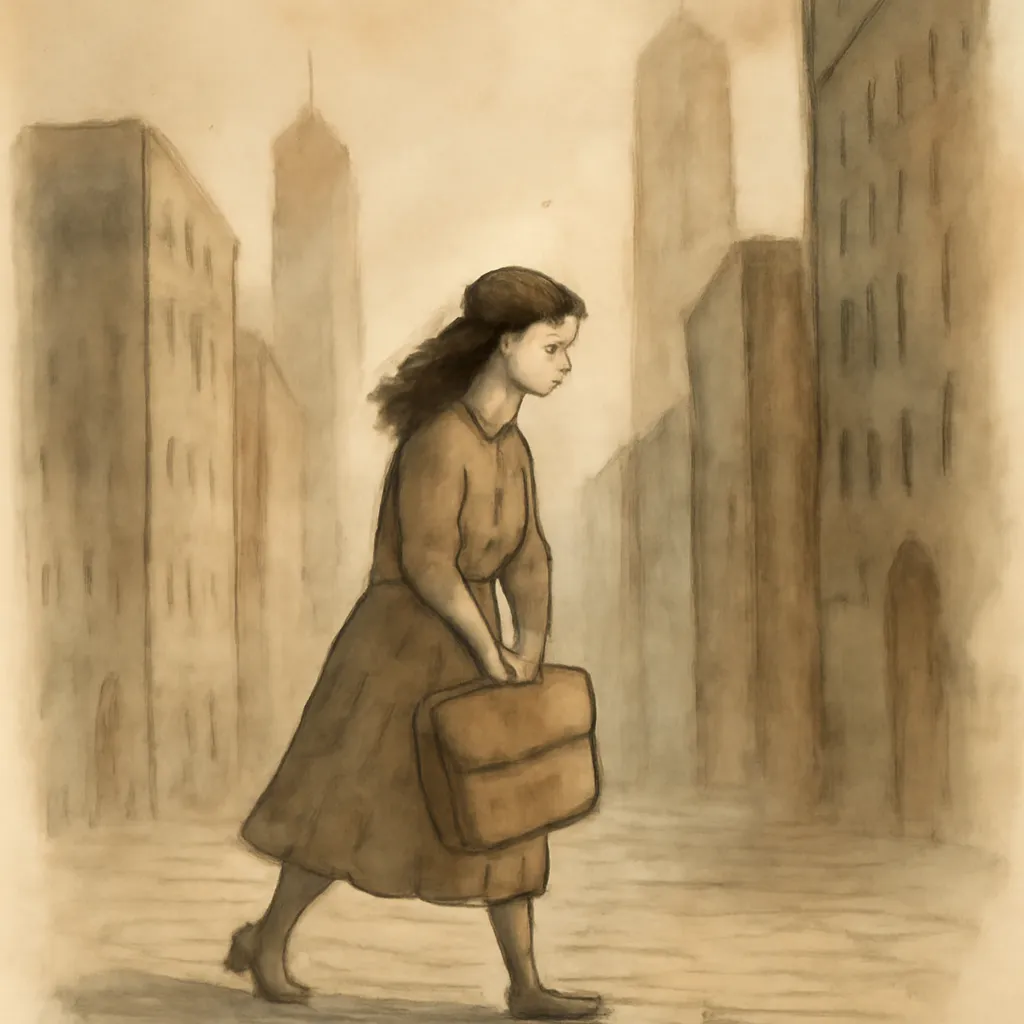
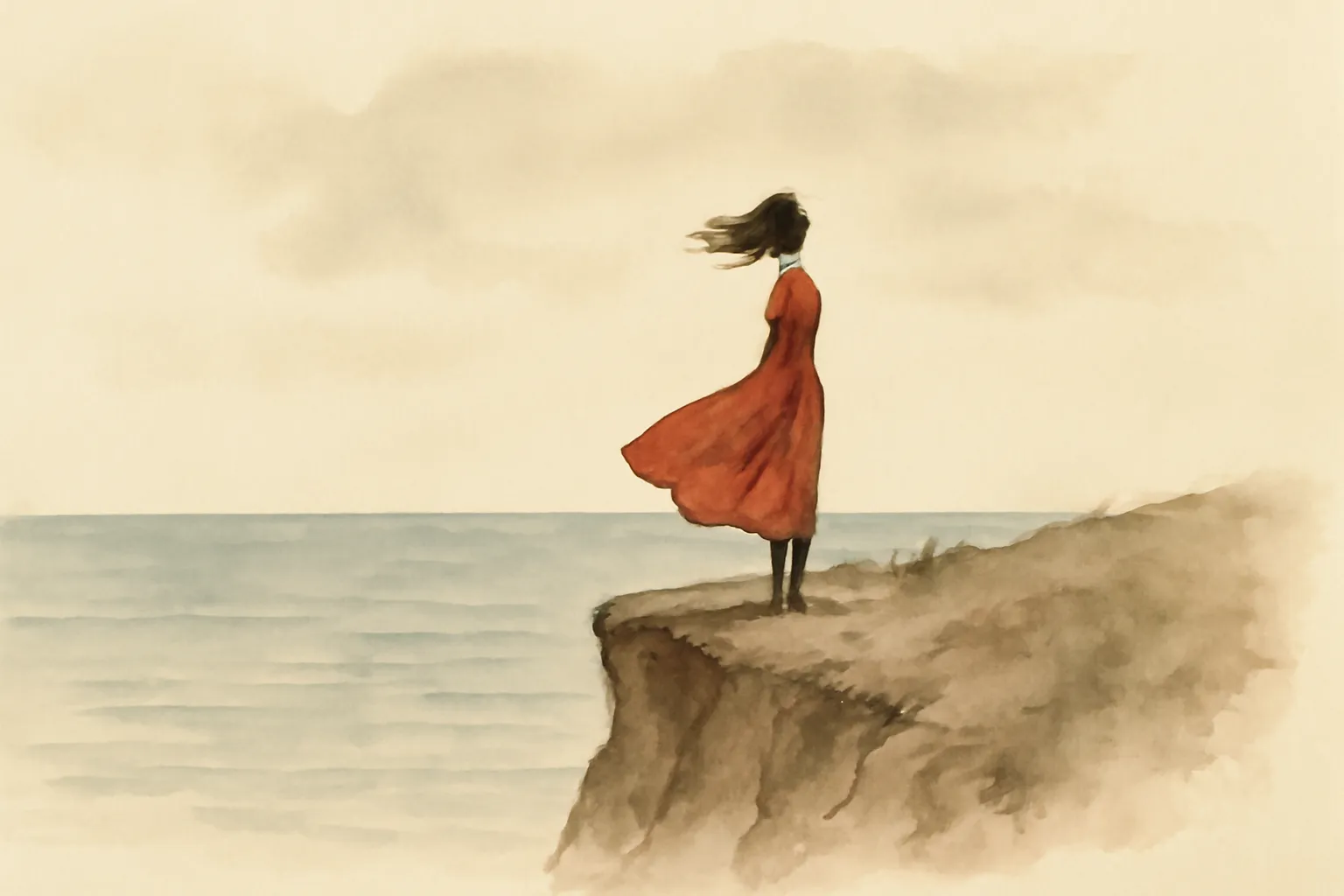
Brieux introduces the concept of the 'New Woman' who desires financial independence and personal autonomy, challenging the traditional notion that women should solely depend on their husbands for support. In 'Woman on Her Own,' the protagonist's journey illustrates the complexities and societal tensions that arise when a woman steps outside the conventional roles of wife and mother. The evolving societal landscape, marked by insufficient wages for working-class men, pushes women into the workforce, thereby disrupting family dynamics and necessitating a reevaluation of gender roles. Brieux compellingly depicts the protagonist's internal conflict as she navigates the challenges of balancing her work life and familial responsibilities. The play captures the multifaceted struggle for women to claim their right to work and live independently, underscoring the historical significance of women's contributions to society and advocating for their rightful place in the workforce.
2.The Consequences of Women's Choices
In 'False Gods,' Brieux examines the consequences that arise when women assert their independence and challenge societal expectations. The play presents a moral dilemma faced by women who prioritize personal desires over traditional family obligations. Through complex characters, Brieux illustrates how society often punishes women for their choices, particularly when they deviate from accepted norms. The characters grapple with the repercussions of their decisions, revealing the harsh realities of social judgment and the stigma attached to women who seek fulfillment outside of marriage and motherhood. This exploration of personal agency highlights the delicate balance between individual aspirations and societal pressures, as Brieux critiques the rigid moral codes governing women's lives. The struggles faced by the characters resonate with audiences, emphasizing the need for society to embrace a more nuanced understanding of women's rights.
3.The Burden of Social Expectations
Throughout Brieux's plays, the weight of social expectations looms large, particularly for women. In 'The Red Robe,' the protagonist's struggle against societal norms illustrates the tension between individual desires and collective moral standards. Brieux poignantly portrays how societal pressures can lead to personal conflict and emotional turmoil, especially for women who dare to defy traditional roles. The characters' journeys reveal the impact of societal judgment on their mental health and relationships, as they navigate a landscape fraught with moral complexities. This theme serves as a critique of the rigid expectations placed upon women, highlighting the necessity for societal evolution to embrace diverse identities and paths. By dramatizing this burden, Brieux calls for greater understanding and acceptance of women's autonomy, emphasizing that progress requires dismantling outdated norms that constrain individual freedom.
4.The Role of Men in Women's Liberation
Brieux does not shy away from depicting the role of men in the struggle for women's liberation. In 'Woman on Her Own,' the male characters often embody societal structures that uphold patriarchal norms, but they also reveal moments of empathy and understanding, suggesting that men can be allies in the fight for gender equality. The interactions between male and female characters depict the complexities of relationships shaped by traditional gender roles, showcasing how men must grapple with their insecurities and positions while supporting women's autonomy. Brieux advocates for a collaborative approach to gender equality, emphasizing that true progress requires both men and women to challenge the status quo and redefine their roles within society. This nuanced portrayal adds depth to the narrative, inviting audiences to consider the responsibilities of all individuals in achieving equity.
5.Motherhood and Autonomy
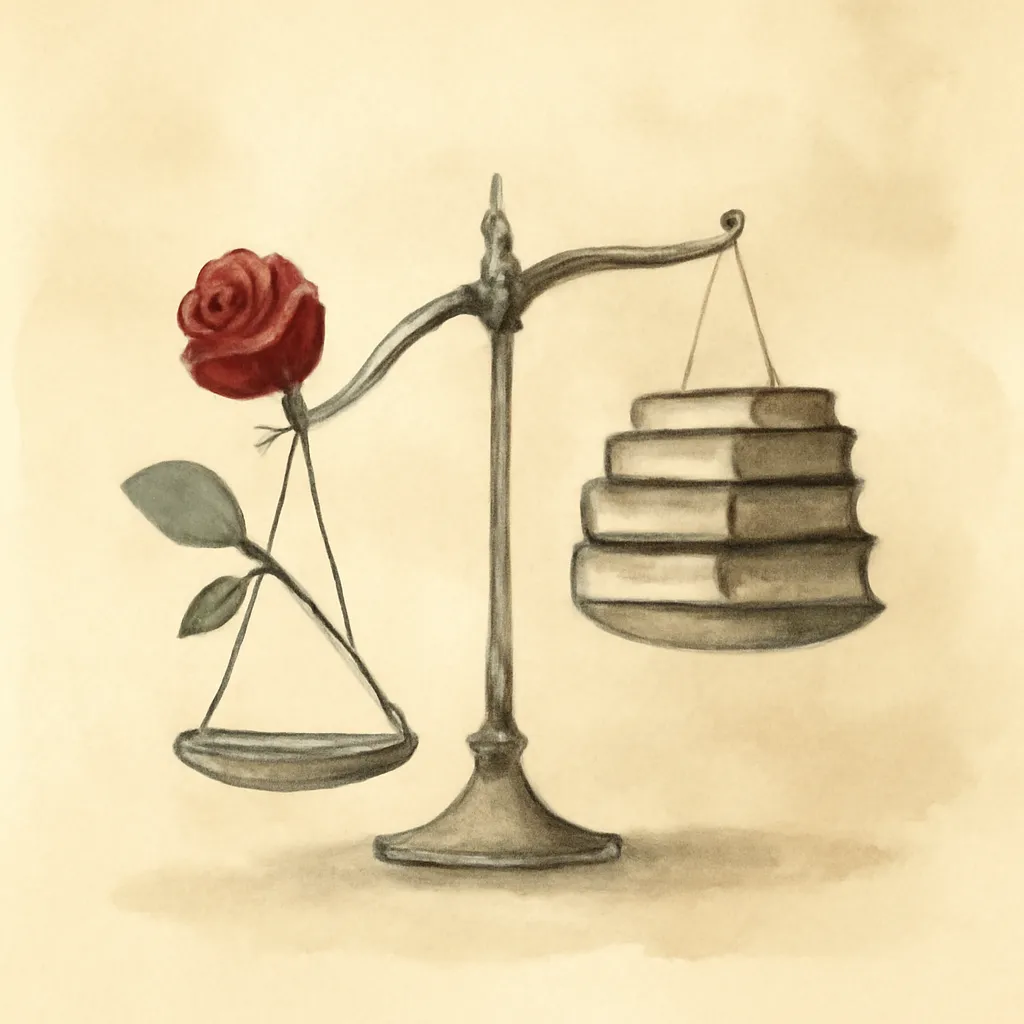
The theme of motherhood is intricately woven into Brieux's narratives, particularly in 'Woman on Her Own.' The protagonist's desire to work and support her family raises poignant questions about the nature of motherhood and the sacrifices women make for their children. Brieux skillfully illustrates the emotional conflict faced by women who must choose between pursuing their ambitions and fulfilling their roles as mothers. This tension reflects the societal belief that a woman's primary duty is to her children, often at the expense of her own aspirations. Yet, Brieux challenges this notion by showcasing the potential for women to be both nurturing mothers and independent individuals. The play advocates for a broader understanding of motherhood that accommodates women's rights to self-determination, ultimately arguing that women's autonomy can coexist with their roles as caregivers.
6.Socioeconomic Factors in Women's Rights
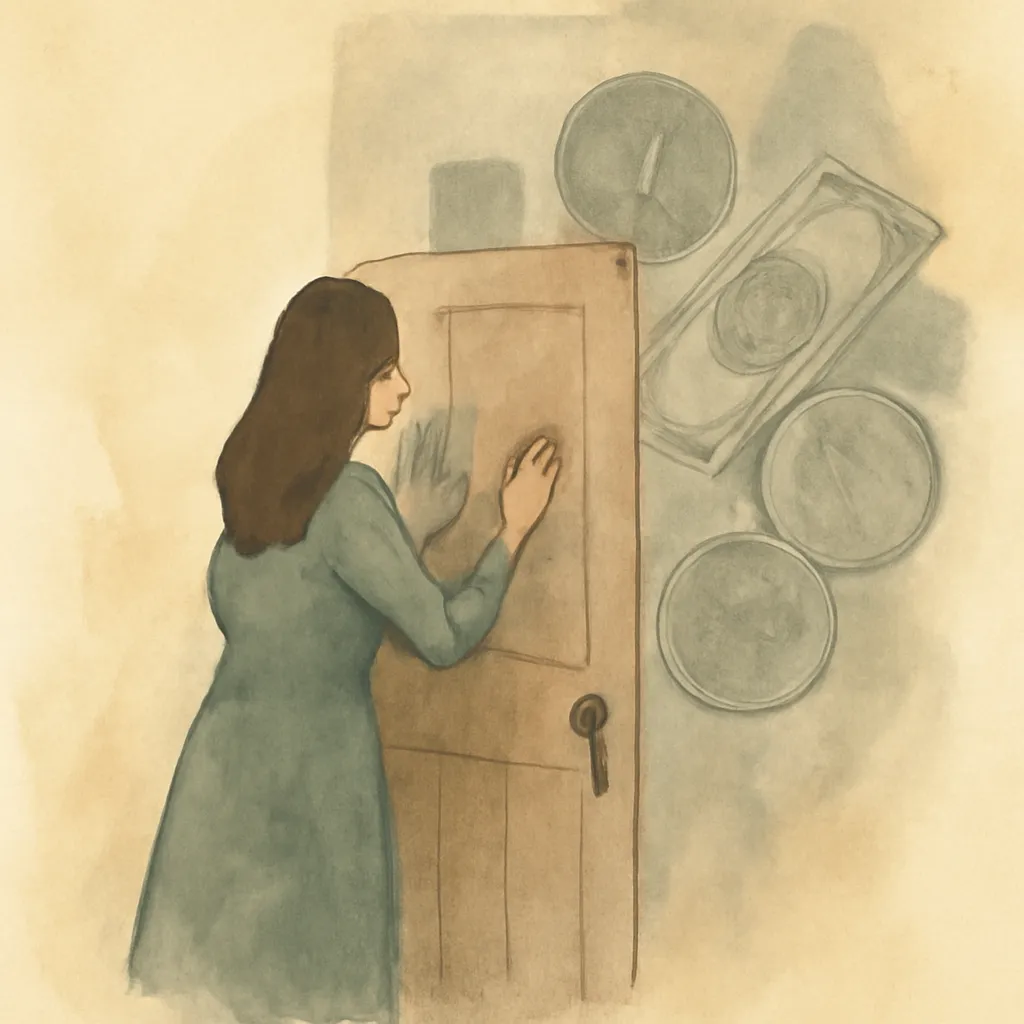
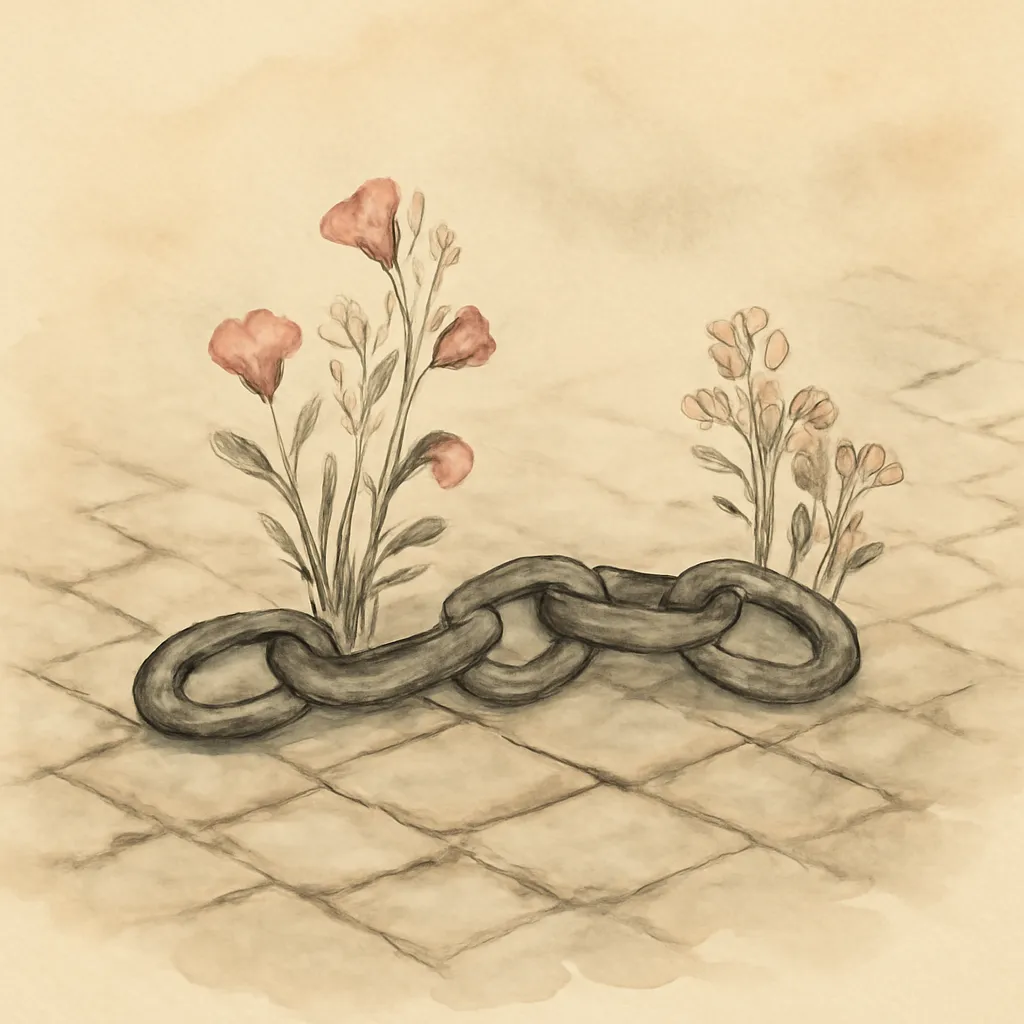
Brieux's plays highlight the socioeconomic factors that influence women's rights and opportunities. In 'False Gods,' the characters' struggles are deeply rooted in their economic circumstances, illustrating how poverty limits women's choices and perpetuates cycles of dependency. Brieux critiques the economic structures that fail to support working-class families, thereby advocating for systemic change to enable women to achieve true independence. The interplay between gender and class serves as a backdrop for the characters' experiences, emphasizing the importance of addressing economic inequalities in the broader fight for gender equality. Through this lens, Brieux calls on society to recognize that women's liberation is not solely a personal struggle but one that is inextricably linked to the social and economic systems that govern their lives. By addressing these intersections, Brieux offers a comprehensive perspective on the challenges faced by women.
7.The Role of Education in Empowering Women
Brieux underscores the importance of education in empowering women and facilitating their independence. In 'Woman on Her Own,' the protagonist's journey to self-sufficiency is closely tied to her access to education and opportunities for skill development. Brieux advocates for women's education as a fundamental means of breaking free from traditional roles and achieving financial independence. The characters' experiences demonstrate that educated women have greater agency to navigate the challenges of the workforce and assert their rights. This emphasis on education aligns with early feminist ideals, reinforcing the notion that empowering women through education is essential for achieving gender equality. By portraying education as a transformative tool, Brieux positions it as a priority in the quest for women's liberation, highlighting its role in fostering self-reliance and social mobility.
8.Challenging Traditional Gender Roles
Brieux's plays serve as a powerful critique of traditional gender roles, illustrating the limitations they impose on both women and men. The characters' struggles reflect the societal expectations that dictate behavior based on gender. In 'The Red Robe,' the protagonist's defiance of these norms acts as a catalyst for change, challenging the status quo and inspiring others to question their own roles. Brieux’s exploration of gender roles highlights the need for a more fluid understanding of identity, allowing individuals to define themselves beyond societal labels. This call for change resonates with contemporary discussions around gender fluidity, emphasizing the importance of embracing diverse identities and expressions. Brieux’s work advocates for an inclusive approach to gender roles, urging society to discard rigid binaries and embrace the complexity of human experience.
9.The Impact of Public Opinion on Personal Lives
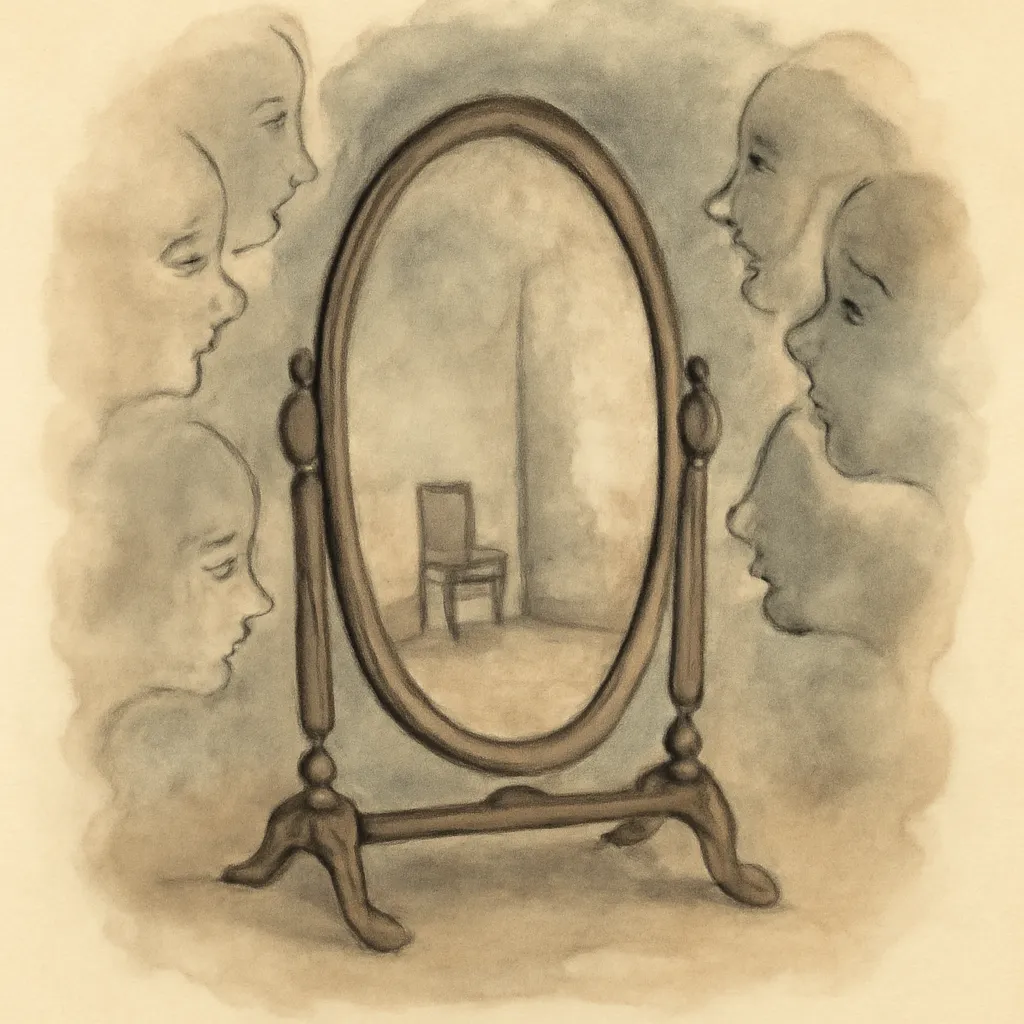
Brieux adeptly illustrates how public opinion can shape and dictate personal lives, particularly for women. In 'False Gods,' the characters grapple with societal judgment that accompanies their choices, revealing how external perceptions influence self-identity and emotional well-being. Brieux critiques the pervasive nature of gossip and societal scrutiny, emphasizing the detrimental effects they can have on mental health and relationships. The fear of public judgment often compels characters to conform to societal expectations, highlighting the need for a cultural shift that prioritizes empathy and understanding over judgment. This theme remains relevant today, as social media amplifies the impact of public opinion on personal lives, causing individuals to navigate the complexities of their identities under the watchful eye of society. By exploring this dynamic, Brieux advocates for a more compassionate societal framework that allows individuals to thrive without the weight of public scrutiny.
10.The Quest for Authenticity

At the heart of Brieux's works lies a quest for authenticity, particularly for women seeking to define their identities outside of societal expectations. The protagonists’ journeys reflect the struggle to reconcile personal desires with roles imposed by society. In 'Woman on Her Own,' the heroine's quest for authenticity drives her to assert her independence and pursue her dreams, challenging the notion that a woman's value is tied solely to her relationships with men. Brieux advocates for the importance of self-discovery and authenticity, urging individuals to embrace their true selves and resist conforming to societal norms. This theme resonates deeply in contemporary discussions around self-identity and the pursuit of personal fulfillment, as individuals increasingly seek to navigate their paths in ways that reflect their values and aspirations. By highlighting this quest, Brieux not only champions the cause of women's liberation but also underscores the universal human desire for authenticity in an often-constraining world.