1.The Inextricable Link Between Design and Craftsmanship
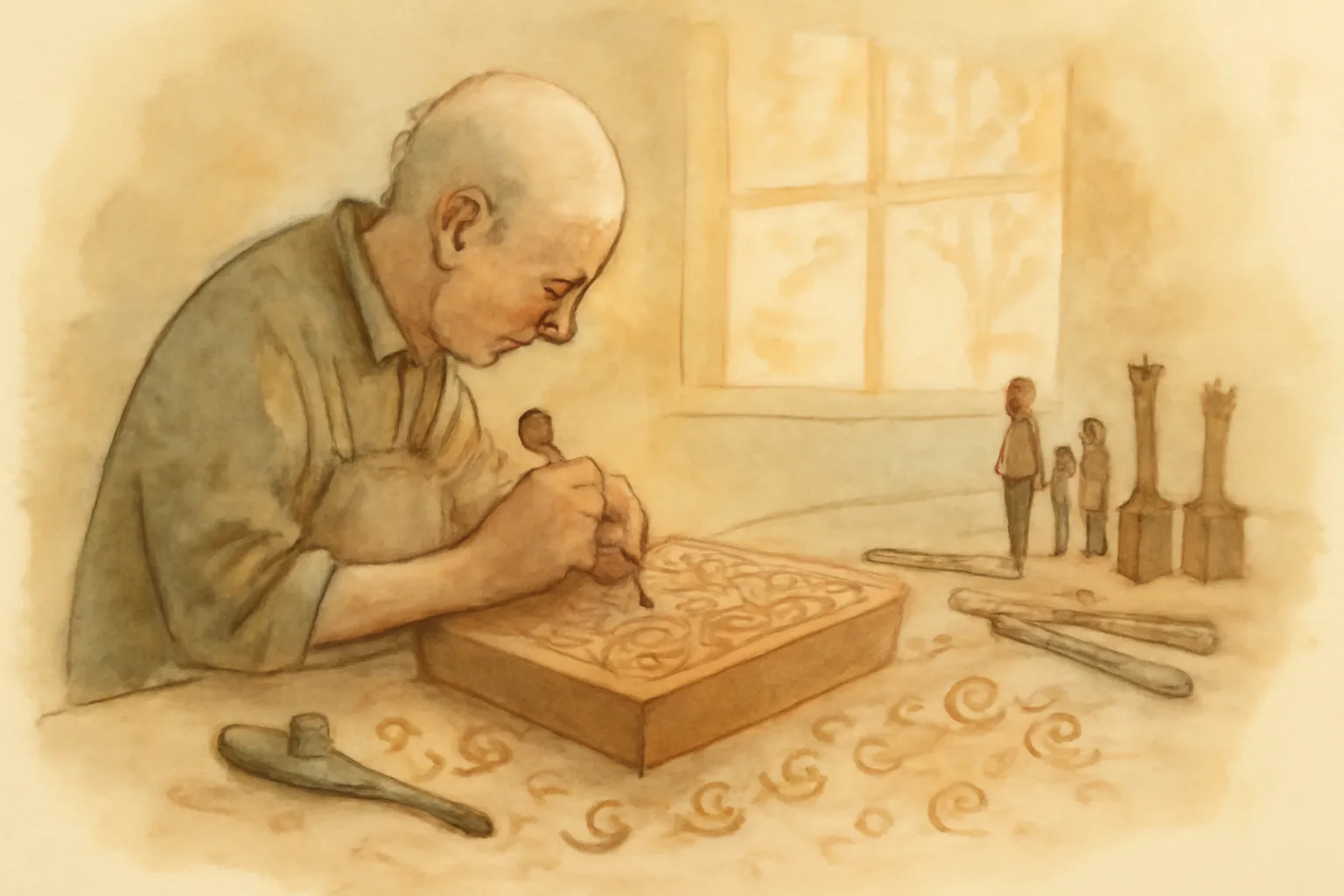
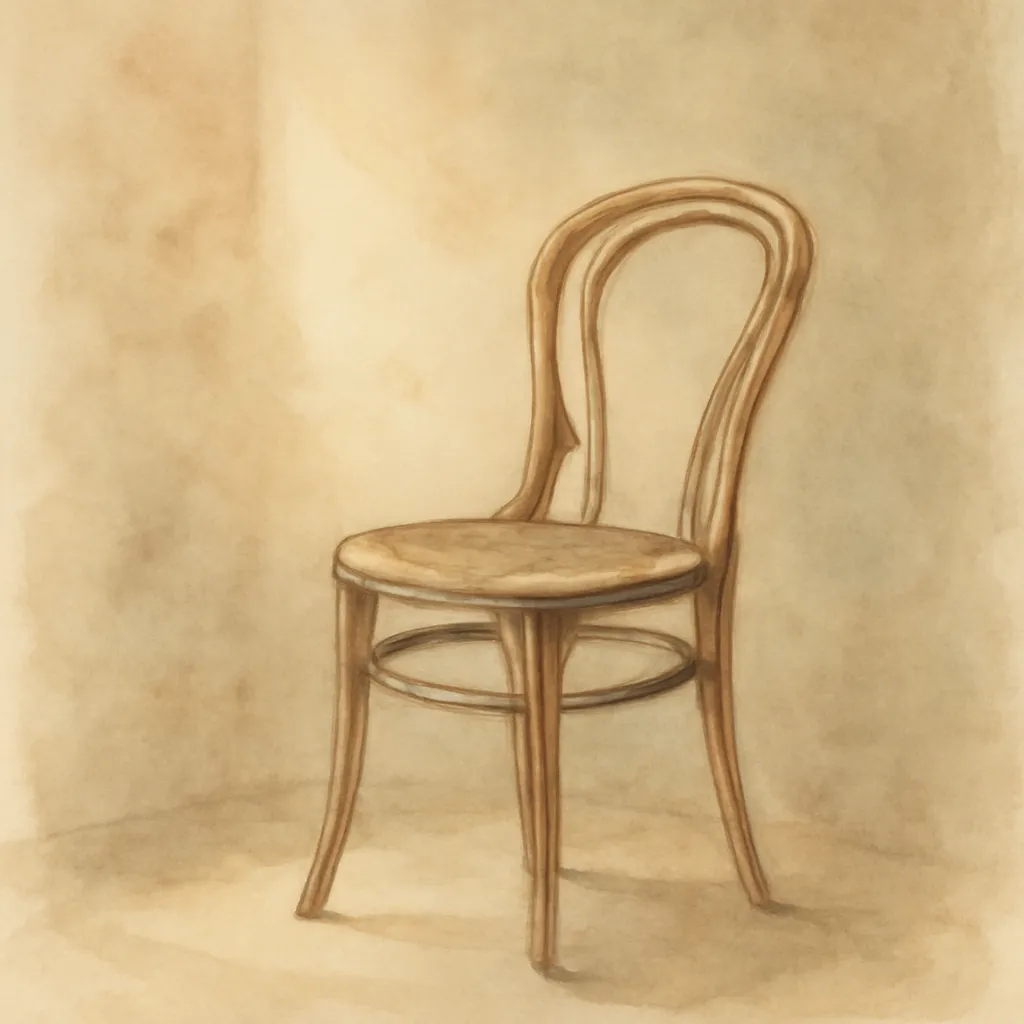
Jack emphasizes that true design is not merely about aesthetics but is fundamentally intertwined with craftsmanship. Design should inform the selection of materials, the choice of tools, and the methods of execution. This holistic view counters the historical tendency to treat design as an abstract concept separate from the practicalities of making. For instance, a well-designed piece of woodwork not only looks good but is also functional and durable. Jack argues that without a solid understanding of craftsmanship, design risks becoming superficial, leading to works that lack authenticity and depth. Thus, aspiring wood-carvers are encouraged to approach their work with an integrated mindset, recognizing that effective design emerges from the interplay of thought and technique. By marrying creativity with craftsmanship, wood-carvers can produce pieces that resonate both visually and practically.
2.Choosing the Right Tools for Success
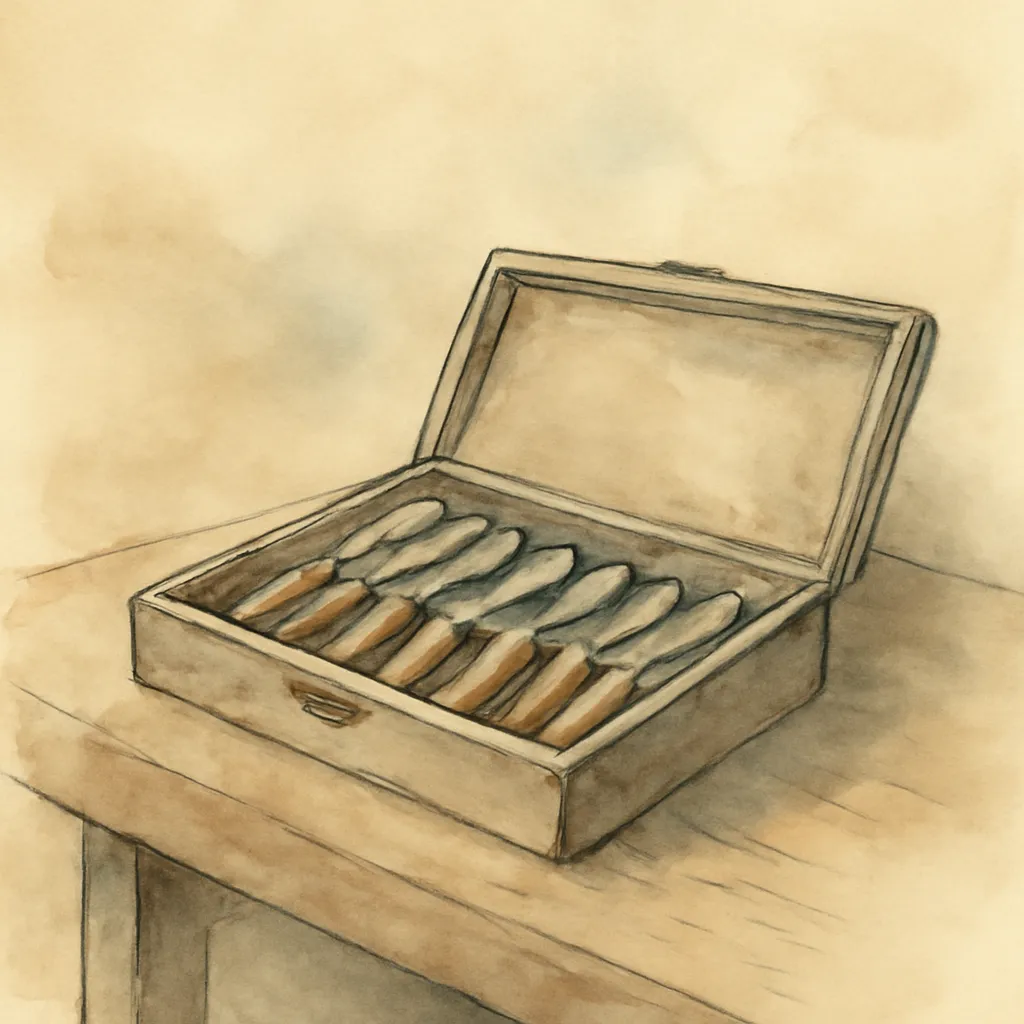
The selection of tools is a foundational step for any wood-carver, and Jack provides a detailed overview of the essential tools required for beginners. He suggests starting with a modest set of twelve to twenty-four tools, which allows for a manageable learning curve. Key tools include chisels and gouges of varying sizes, each serving specific functions in the carving process. For example, larger gouges are ideal for removing substantial amounts of material, while smaller chisels allow for finer details. As carvers gain experience, they can gradually expand their collection to include more specialized tools. Jack advises beginners to focus on understanding the capabilities of each tool, as this knowledge will guide their purchasing decisions in the future. This practical approach ensures that novice carvers cultivate a strong skill set while avoiding the overwhelm of acquiring an extensive tool kit too early in their journey. By mastering a few essential tools first, beginners build confidence before tackling more intricate projects.
3.Sharpening: The Art of Maintaining Tools
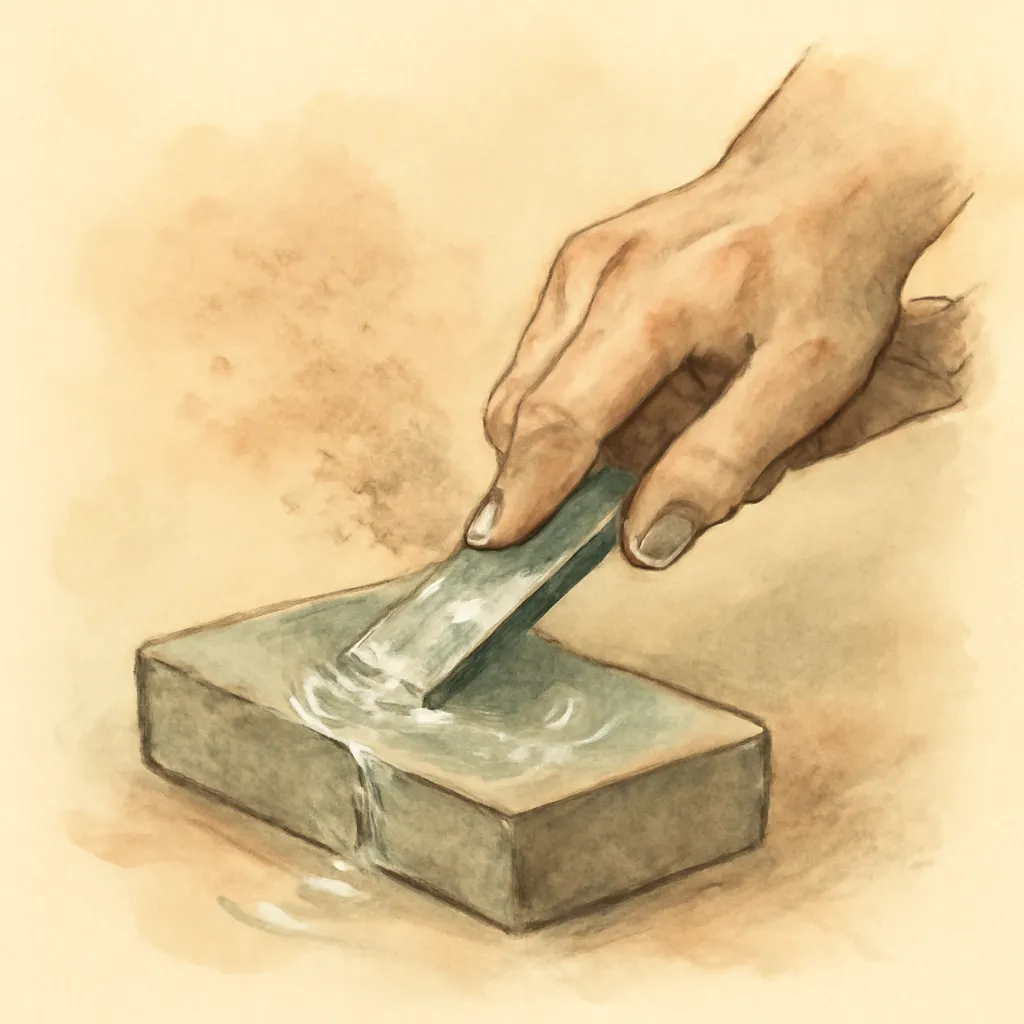
An often-overlooked aspect of wood-carving is the importance of maintaining sharp tools, which Jack discusses in detail. Sharp tools not only make the carving process more efficient but also enhance the quality of the final product. Jack explains the various sharpening stones available, such as 'Turkey' and 'Washita' stones, each serving different purposes. A thorough understanding of tool maintenance includes knowing how to properly position tools on the sharpening stone and the significance of the bevel angle. Jack emphasizes that a well-sharpened tool will produce cleaner cuts and reduce the risk of chipping or damaging the wood. He provides practical tips on how to sharpen different types of tools, indicating that beginners should practice this skill regularly to develop muscle memory. By establishing a consistent sharpening routine, carvers can ensure their tools remain in optimal condition, ultimately leading to better craftsmanship and more satisfying results, as dull tools can hinder progress and frustrate the carver's creative process.
4.Exploring Wood Types: The Heart of Carving
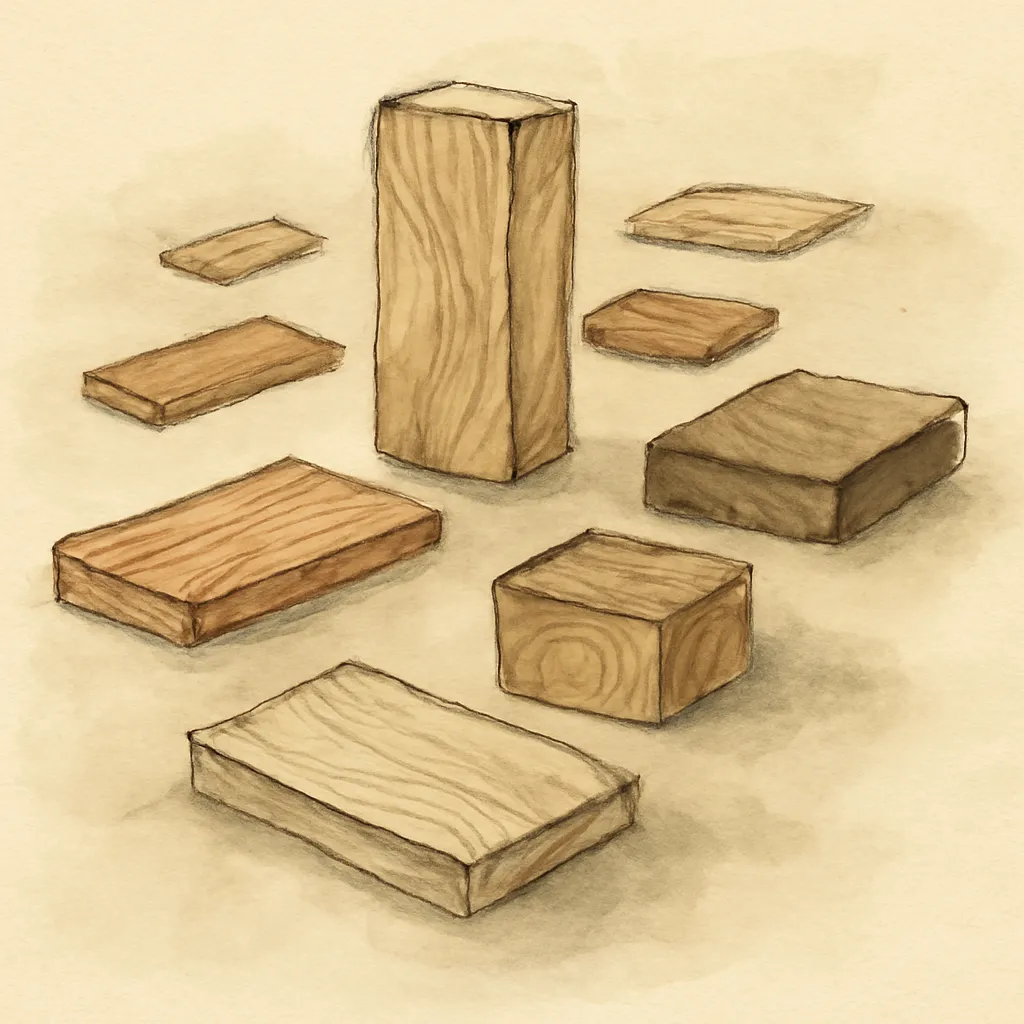
Understanding the properties of different woods is crucial for effective carving, as each type offers unique characteristics that influence the carving process. Jack categorizes wood into soft and hard types, explaining the advantages and disadvantages of each. For instance, softer woods like yellow pine and basswood are more forgiving for beginners, allowing for easier carving and shaping. These woods respond well to fine detail and are less likely to splinter, making them ideal for initial projects. In contrast, harder woods like English oak provide a more challenging but rewarding experience, as they can yield stunning finishes and intricate details. Jack advocates for the selection of wood based on the intended design and the desired outcome, encouraging carvers to experiment with various types to discover their preferences. He also discusses the importance of using well-seasoned wood, as moisture content can significantly affect carving quality. This exploration not only enhances skill but also deepens the carver's connection to the material they are working with, fostering a greater appreciation for the craft.
5.The Significance of Texture in Wood-Carving
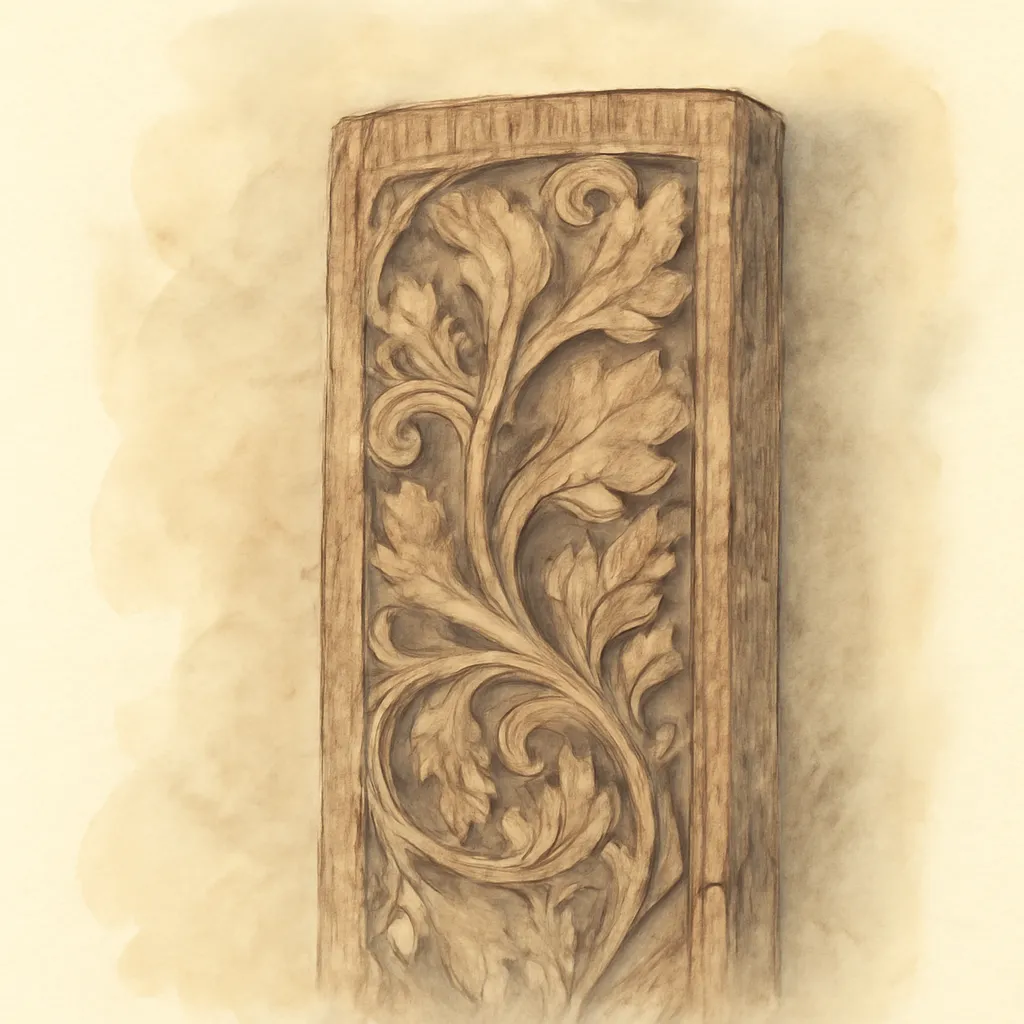
Texture plays a vital role in conveying the quality of a carved piece, and Jack delves into how texture is achieved through technique. He explains that the direction of tool marks and the clarity of cuts significantly influence the visual and tactile qualities of the finished work. A skilled carver can manipulate texture to create depth, contrast, and interest, enhancing the overall aesthetic of the piece. Jack encourages carvers to view texture as an integral part of their design, rather than an afterthought. He illustrates how different cutting techniques can produce varying textures, from smooth, polished surfaces to rough, rustic finishes. By understanding how to achieve different textures, carvers can elevate their work, making it more engaging and visually appealing. This focus on texture not only enriches the artistic expression but also invites viewers to appreciate the craftsmanship involved, as the texture can evoke different emotions and reactions from the audience.
6.Chip Carving: A Study in Precision and Repetition
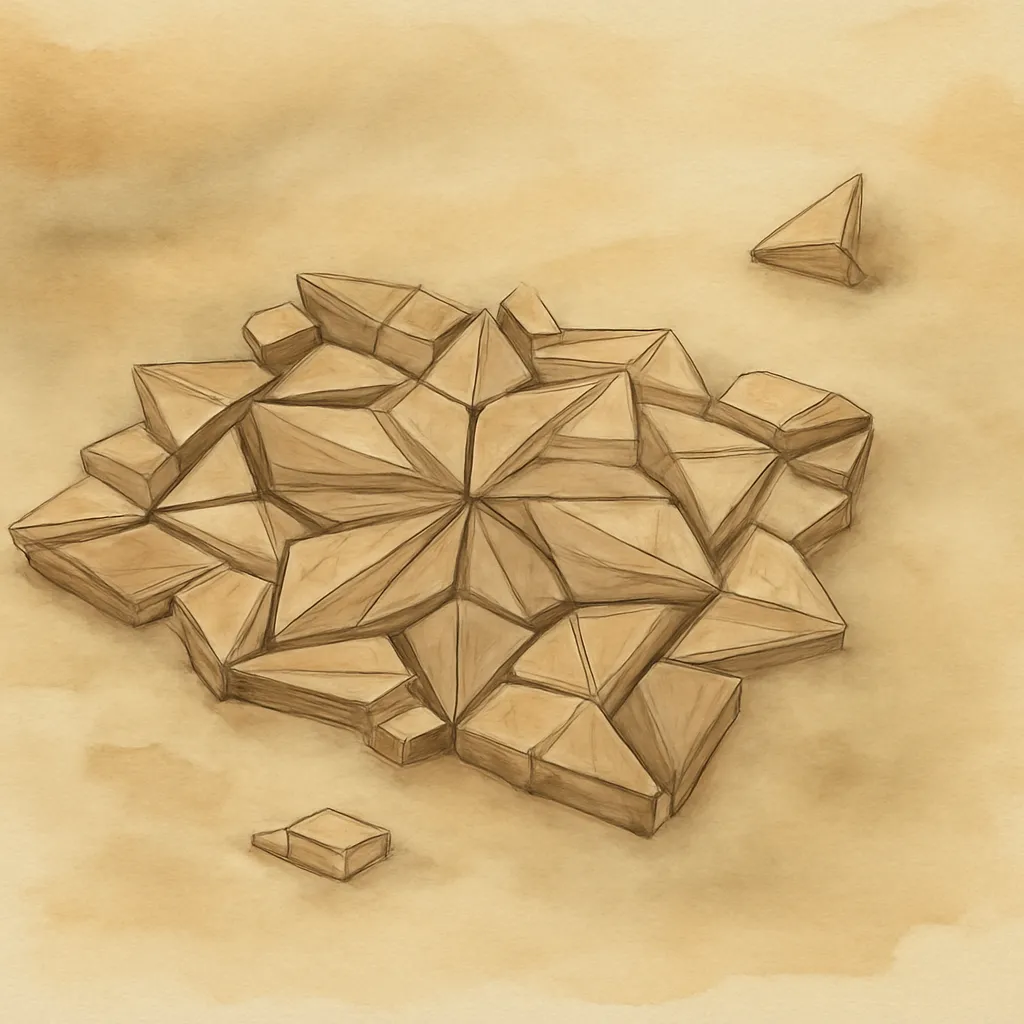
Chip carving is presented by Jack as a fundamental technique that emphasizes patience and precision. This form of carving, which involves the removal of small chips of wood to create patterns, has roots in ancient cultures and showcases the carver's ability to execute repetitive designs with accuracy. Jack highlights that while chip carving may seem simple, it requires a deep understanding of tool control and an eye for detail. He provides guidance on how to create geometric patterns, encouraging beginners to practice their technique consistently. This repetitive practice not only hones technical skills but also instills a sense of discipline. Jack notes that the repetitive nature of this technique can be meditative, allowing carvers to enter a state of flow as they create intricate designs. Ultimately, chip carving serves as both a practical exercise and a means of artistic expression, enabling carvers to find their unique style within the bounds of this method.
7.The Challenge of Imitating Natural Forms
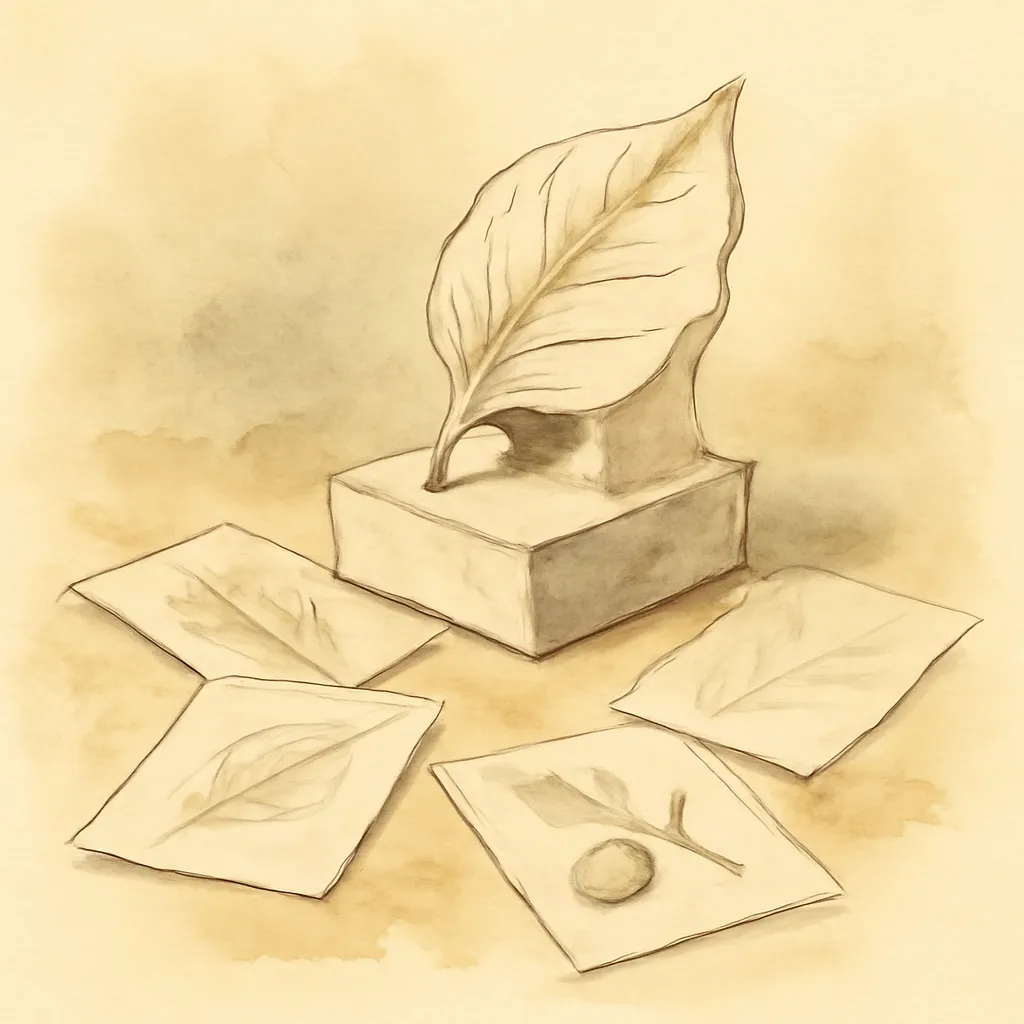
Jack discusses the complexities involved in imitating natural forms, pointing out that the choice of subject significantly impacts the design process. He advises carvers to consider how closely they wish to replicate nature, emphasizing that a balance must be struck between realism and artistic interpretation. Overly intricate details can lead to confusion and detract from the overall design, while a more abstract approach can enhance clarity and impact. Jack encourages carvers to study natural elements, such as foliage and animals, to inform their designs without becoming overly dependent on realism. He also highlights the importance of understanding the characteristics of the chosen subjects, as this knowledge can greatly influence the execution of the carving. By embracing a degree of abstraction, carvers can create work that is visually compelling and resonates with their artistic vision. This understanding of the limits of imitation ultimately empowers carvers to express their creativity more freely, allowing them to bring their unique perspective to the craft.
8.The Role of Originality in Artistic Expression
Jack addresses the concept of originality in wood-carving, cautioning against the pursuit of novelty for its own sake. He argues that true originality arises from mastery of technique and an authentic understanding of one's craft. Rather than striving for something entirely new, carvers should focus on developing their unique voice through the integration of learned skills and personal experiences. Jack warns that efforts to be original without a solid foundation can result in uninspired work that lacks depth. He encourages carvers to draw inspiration from historical influences and traditional techniques while infusing their individuality into their creations. This approach fosters a more genuine form of originality that is rooted in craftsmanship and personal expression. By cultivating originality in this way, carvers can contribute to the evolving narrative of wood-carving, bridging the gap between the past and present.
9.The Importance of Context in Carving
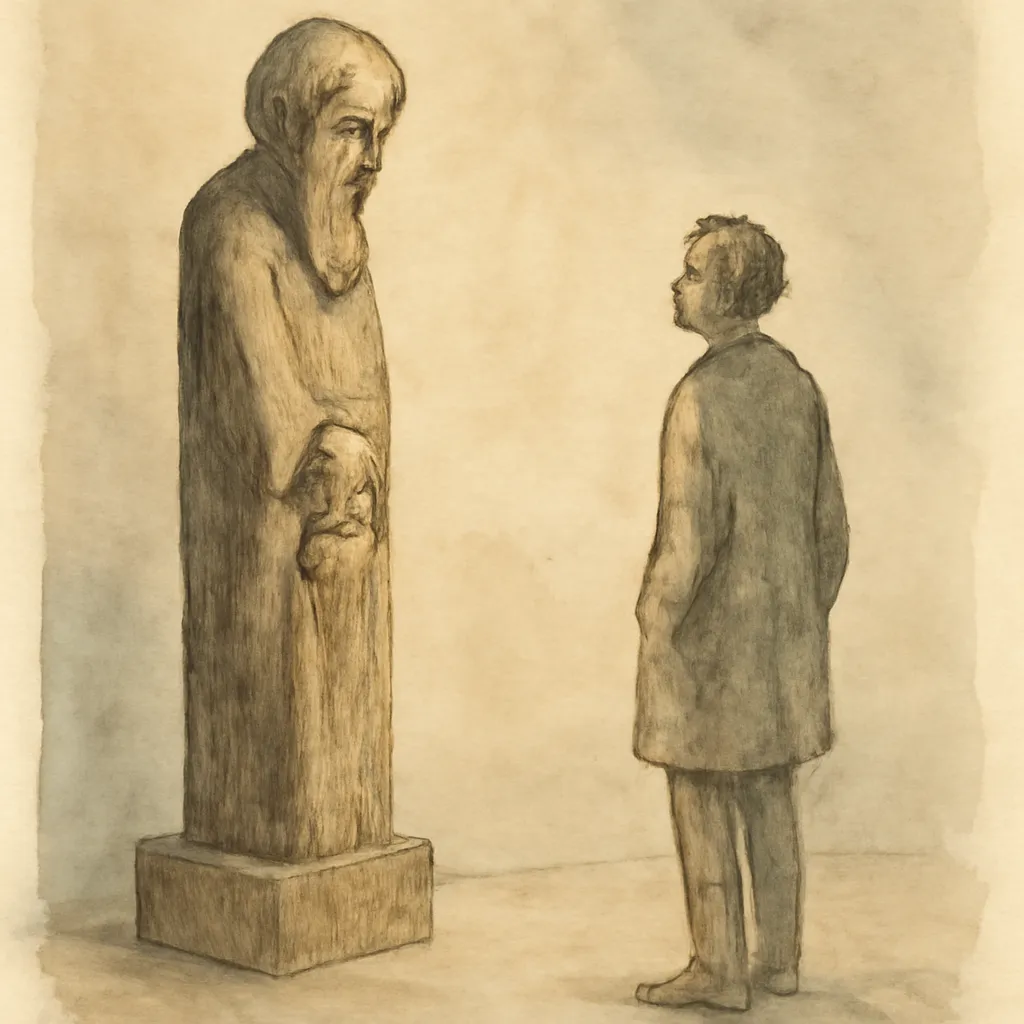
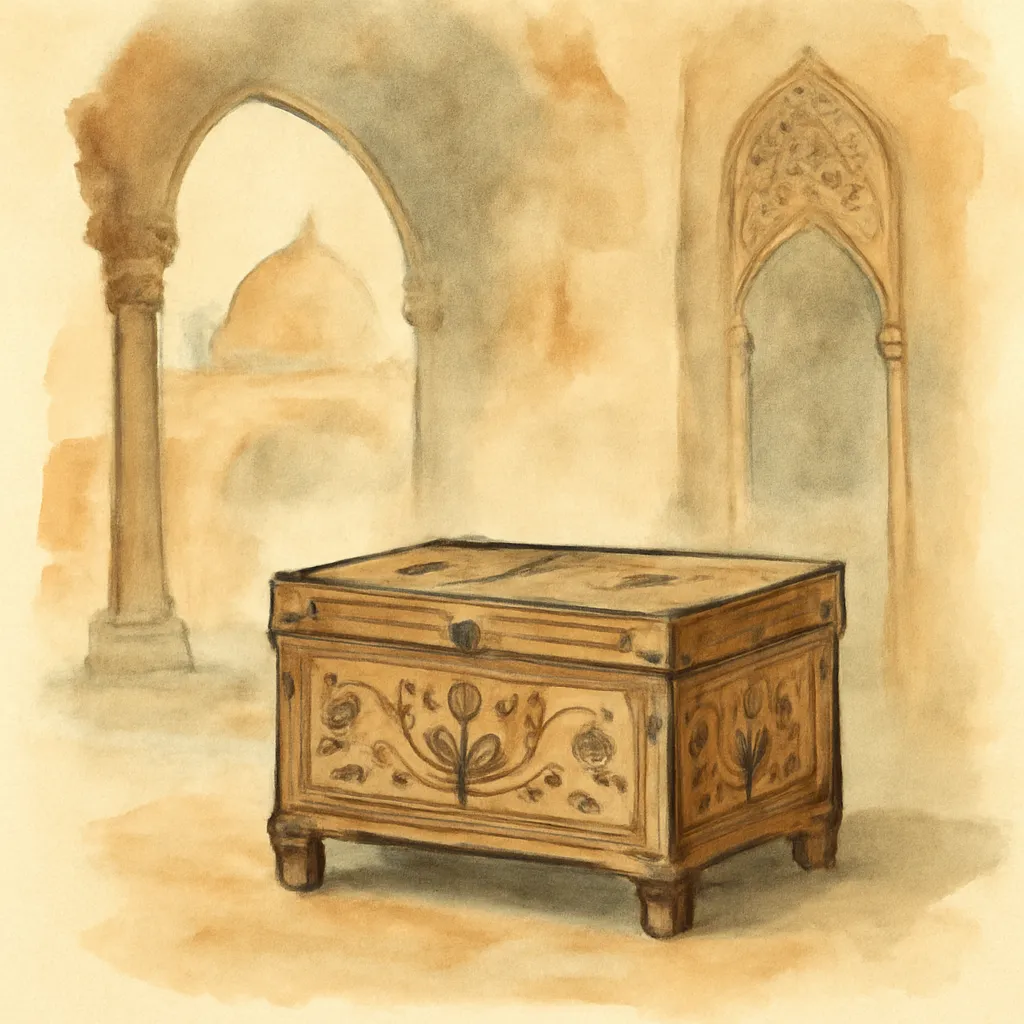
Jack underscores the significance of context in the art of wood-carving, noting that the environment in which a piece is displayed can greatly affect its perception. He encourages carvers to consider the architectural and cultural context of their work, as this informs both design and execution. A carved piece should enhance its surroundings, whether it be a piece of furniture or a decorative element in a larger structure. Jack emphasizes that understanding the relationship between a carving and its setting contributes to its effectiveness as an art form. He provides examples of how historical carvings were often designed with specific architectural elements in mind, creating a cohesive aesthetic. By recognizing the interplay between their work and its environment, carvers can create pieces that resonate more deeply with viewers, ultimately elevating the impact of their craftsmanship. This awareness encourages carvers to think beyond the solitary piece and consider the broader narrative of their work within the context of art and design.
10.The Value of Continuous Learning and Experimentation
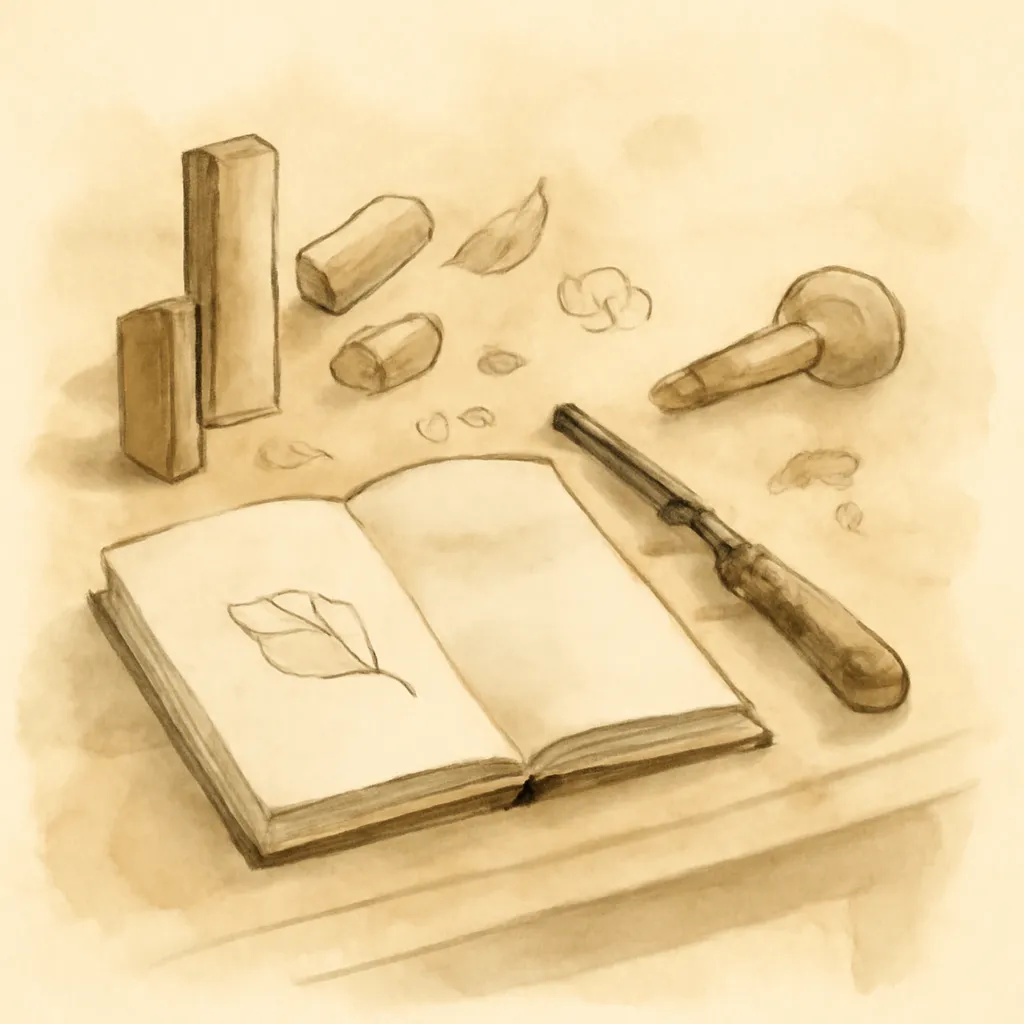
Finally, Jack advocates for a mindset of continuous learning and experimentation in wood-carving. He encourages carvers to seek inspiration from various sources, including historical works and contemporary practices. By visiting museums and studying old buildings, carvers can gain insights into the techniques and designs that have stood the test of time. Jack stresses the importance of keeping a sketchbook to document observations and ideas, fostering a habit of reflection and creativity. This commitment to learning not only enhances technical skills but also enriches the carver's artistic vision. Embracing experimentation allows carvers to push boundaries, discover new techniques, and ultimately evolve their craft in meaningful ways. Jack believes that the journey of a wood-carver is never truly finished; there is always room for growth and innovation. By maintaining an open mind and a willingness to learn, carvers can continue to refine their skills and develop their unique styles, contributing to the rich tradition of wood-carving.