1.The Innocence of Childhood
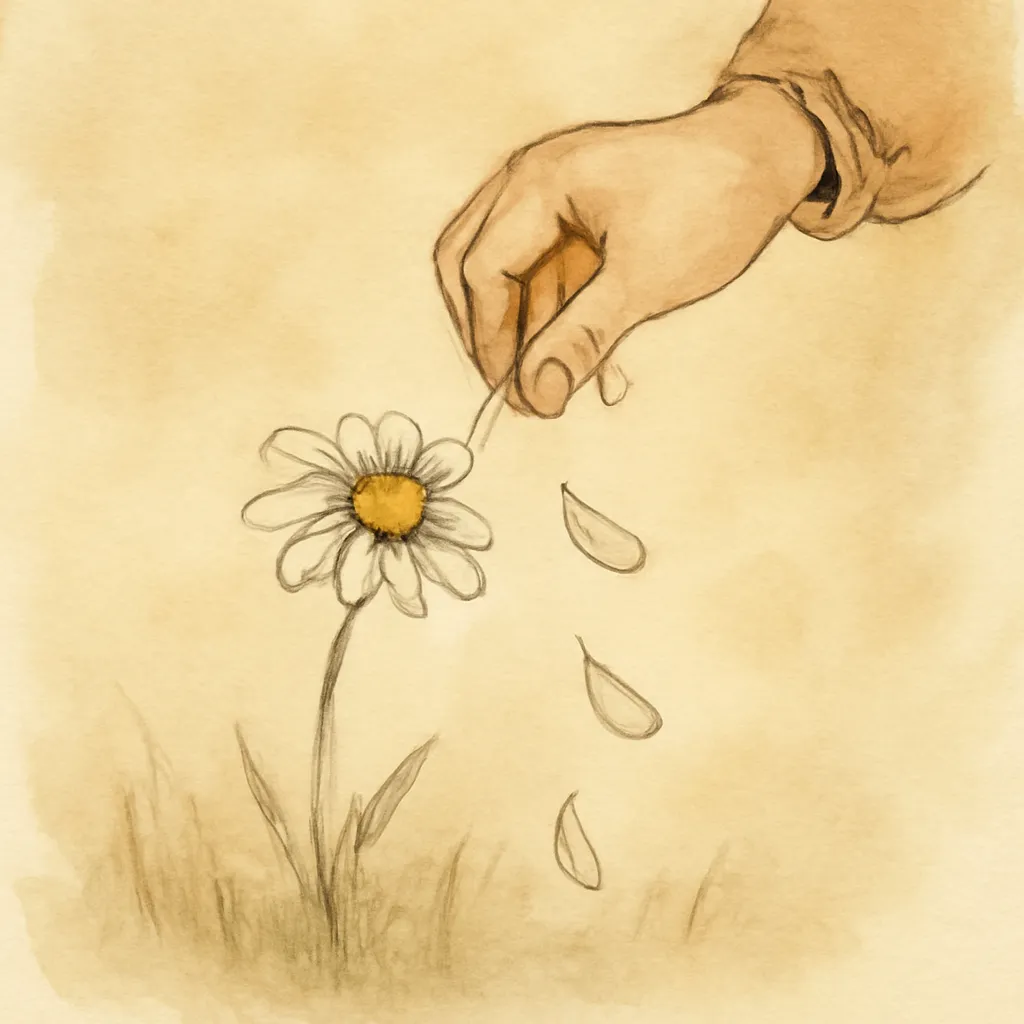
Sir Bevis embodies the essence of childhood innocence, showcasing a natural curiosity that drives his adventures. In the opening chapters, he spends his days in the garden, picking flowers and playing with the elements around him. The simple act of tearing petals from a daisy illustrates his playful spirit and the fleeting nature of childhood joys. This innocence is contrasted by the adult world, represented through the bailiff's harsh treatment of Pan, the spaniel. Bevis's instinct to defend the dog reflects a child's innate sense of justice and compassion, highlighting how children often see the world in stark moral terms, untainted by adult complexities. This moral clarity allows Bevis to act decisively, illustrating how the purity of a child's heart can inspire action against perceived injustice. Such moments serve as a reminder of the boundless empathy children possess, which can sometimes diminish in the face of adult cynicism.
2.Exploration and Discovery
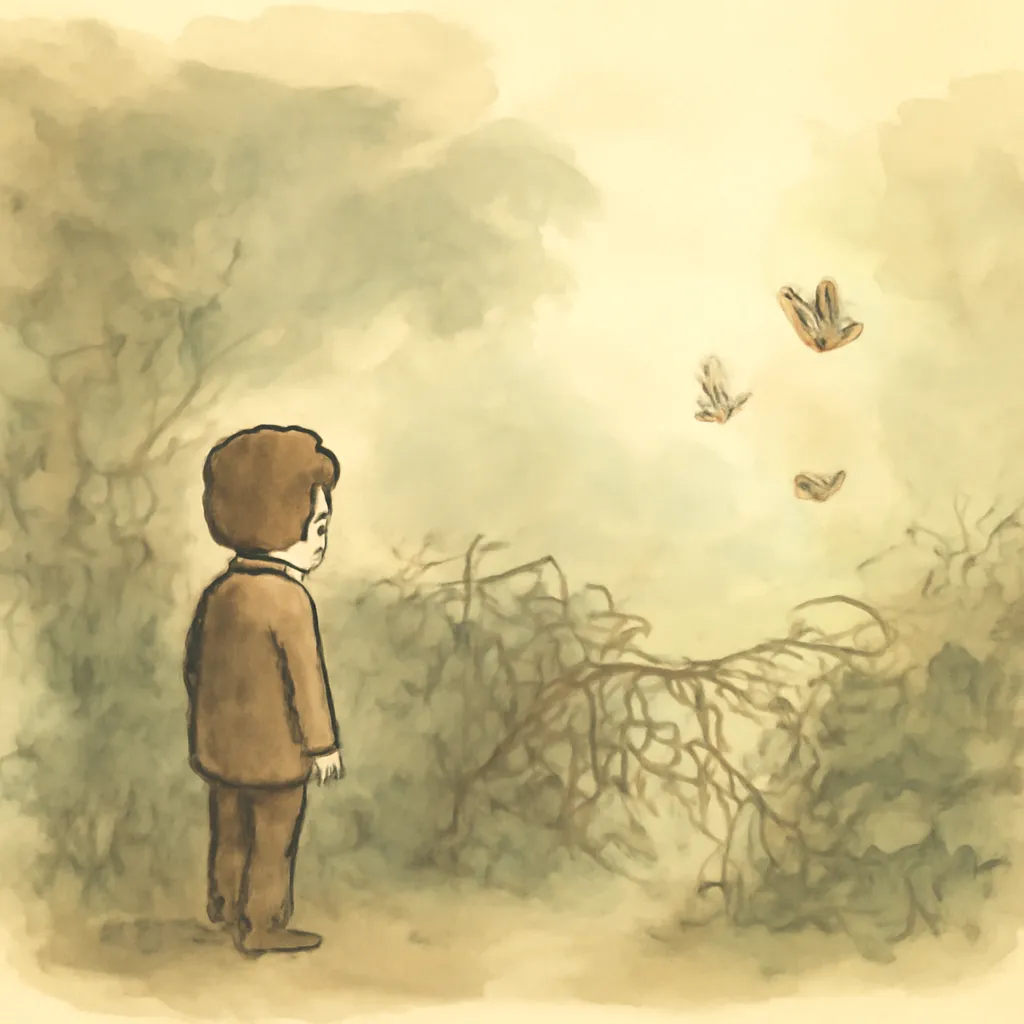
Bevis's adventures in the garden and fields serve as a metaphor for the exploration of the world around us. His eagerness to venture beyond the hedges represents the universal desire to discover and learn. The various locations he visits, like the Home Field and the meadow by the brook, are not just physical spaces but realms of imagination where the boundaries of reality blur. Each encounter with animals like the grasshopper and the bumblebee enriches his understanding of nature, emphasizing the importance of experiential learning. The excitement of new discoveries mirrors the thrill of childhood, where every day presents an opportunity for adventure and growth, often leading to unexpected lessons. In his imaginative plays, Bevis engages with the world not merely as a backdrop but as a living entity, teaching him about the interconnectedness of all forms of life. This exploration fosters a sense of responsibility for the environment, as Bevis learns to appreciate and respect the wonders of nature and its inhabitants.
3.Nature's Magic and Mystique
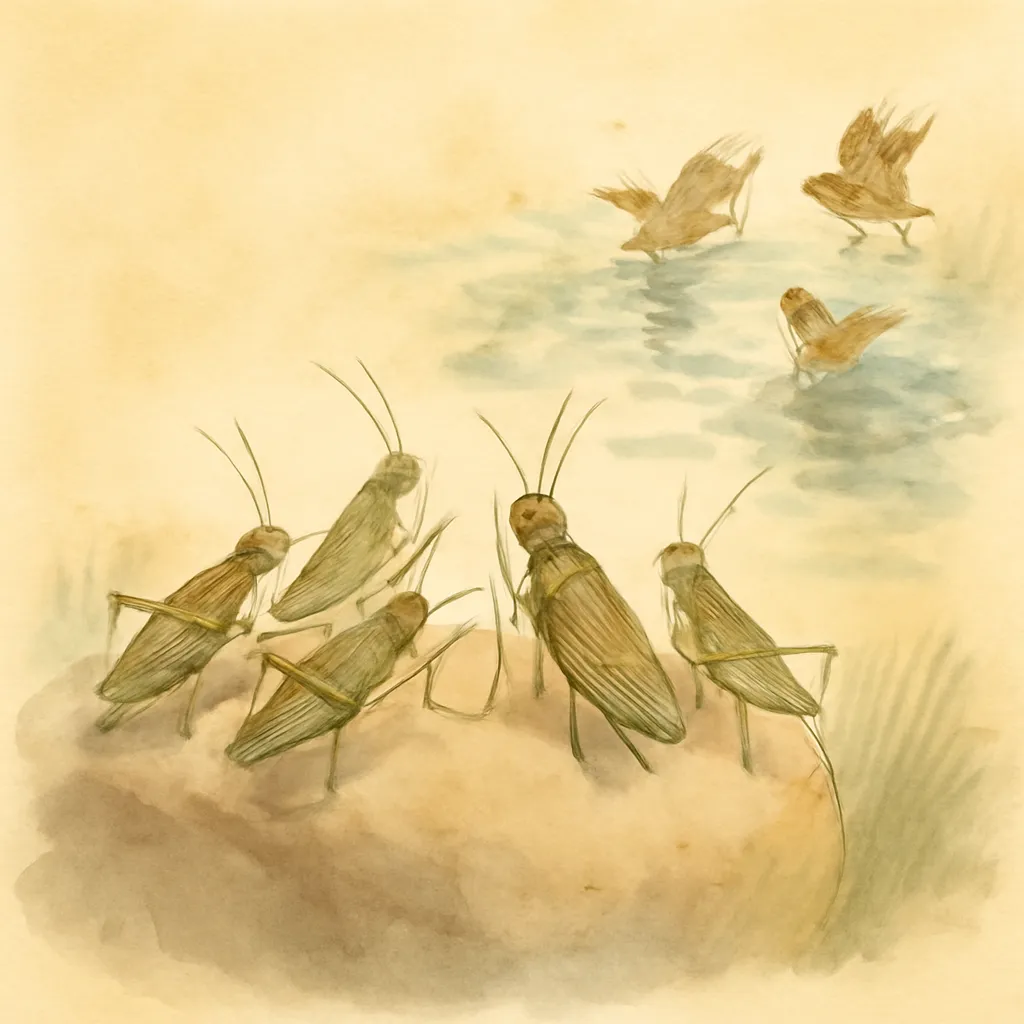
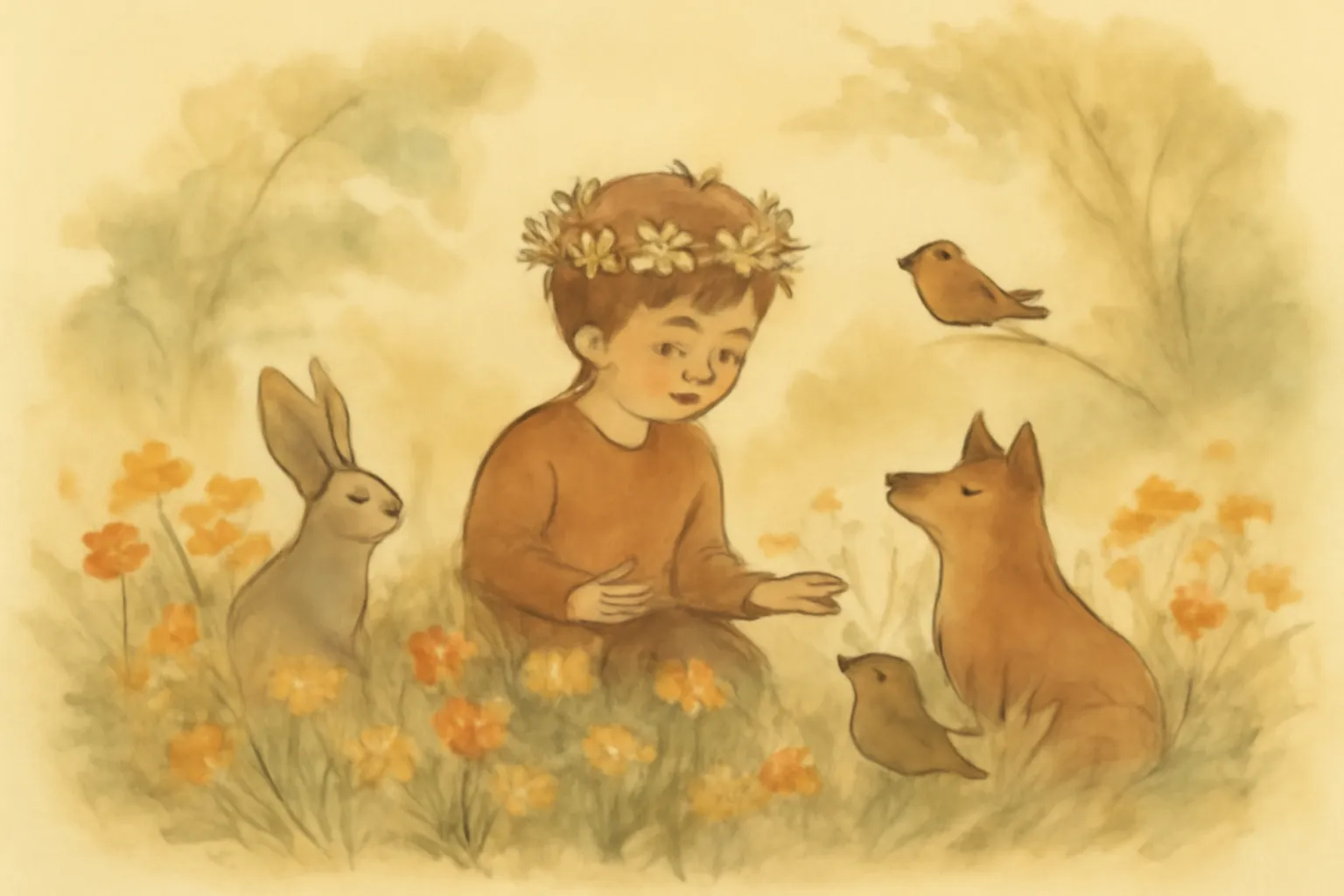
The narrative is steeped in an appreciation for the magic of the natural world. Jefferies personifies animals, giving them voices and narratives that intertwine with Bevis's journey. The discussions among the grasshoppers about the birds' bathing rituals add a layer of whimsy and magic, inviting readers to see nature as a living, breathing entity with its customs and secrets. This anthropomorphism not only entertains but also instills a sense of wonder about the interconnectedness of life. The reader is encouraged to view the world through Bevis's eyes, where the mundane becomes extraordinary, and the familiar is infused with enchantment. Through vivid descriptions of the landscapes, the flora, and the fauna that surround Bevis, Jefferies conjures a world that feels both real and fantastical, allowing readers to explore the boundaries of imagination. The magical elements of the story serve to elevate Bevis’s adventures from mere play to profound experiences filled with meaningful revelations about life.
4.Friendship and Loyalty
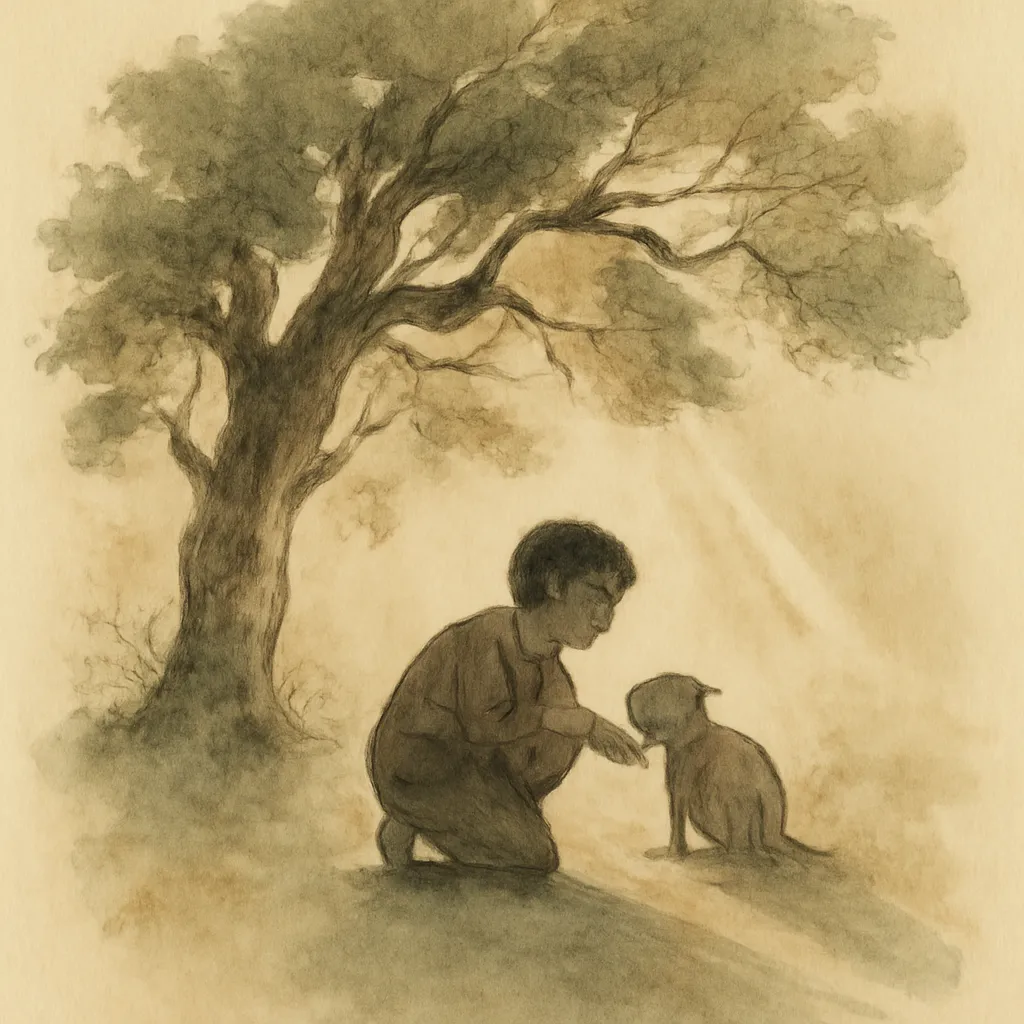
Bevis's relationships with the animals he encounters highlight themes of friendship and loyalty. The bond between Bevis and Pan is emblematic of a child's unwavering loyalty to their companions. Bevis's fierce protection of Pan against the bailiff showcases the deep emotional connections that children form, often viewing their pets as extensions of themselves. This act of defending Pan illustrates the purity of Bevis’s character, as he instinctively rises to protect those he loves. Additionally, the camaraderie among the animals during the council meetings illustrates how alliances are formed in times of crisis. Through his interactions with characters like the grasshopper and the squirrel, Bevis learns valuable lessons about trust, cooperation, and the importance of standing together against adversity. These friendships are not merely playful; they serve as a foundation for Bevis's understanding of loyalty, trust, and the responsibility that comes with such bonds, reinforcing the idea that true friendship transcends species.
5.The Struggles of Leadership
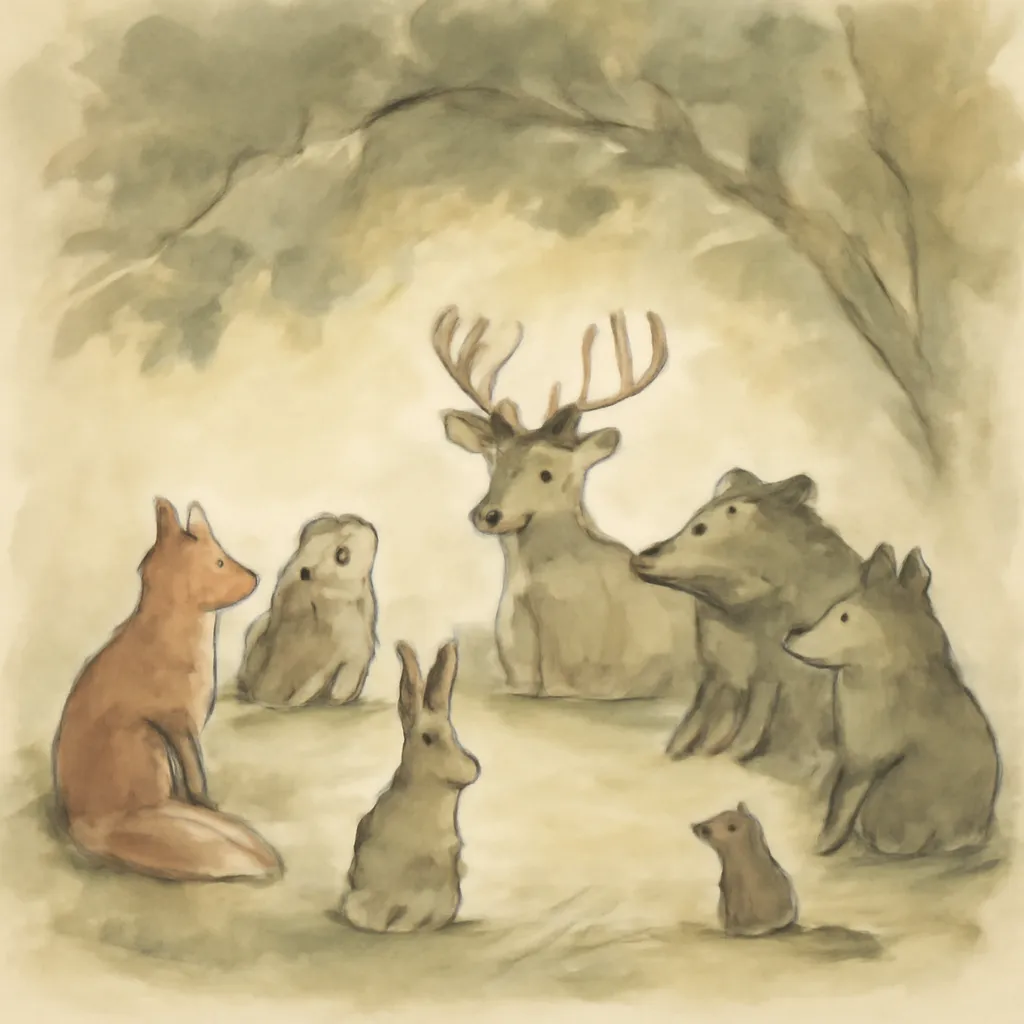
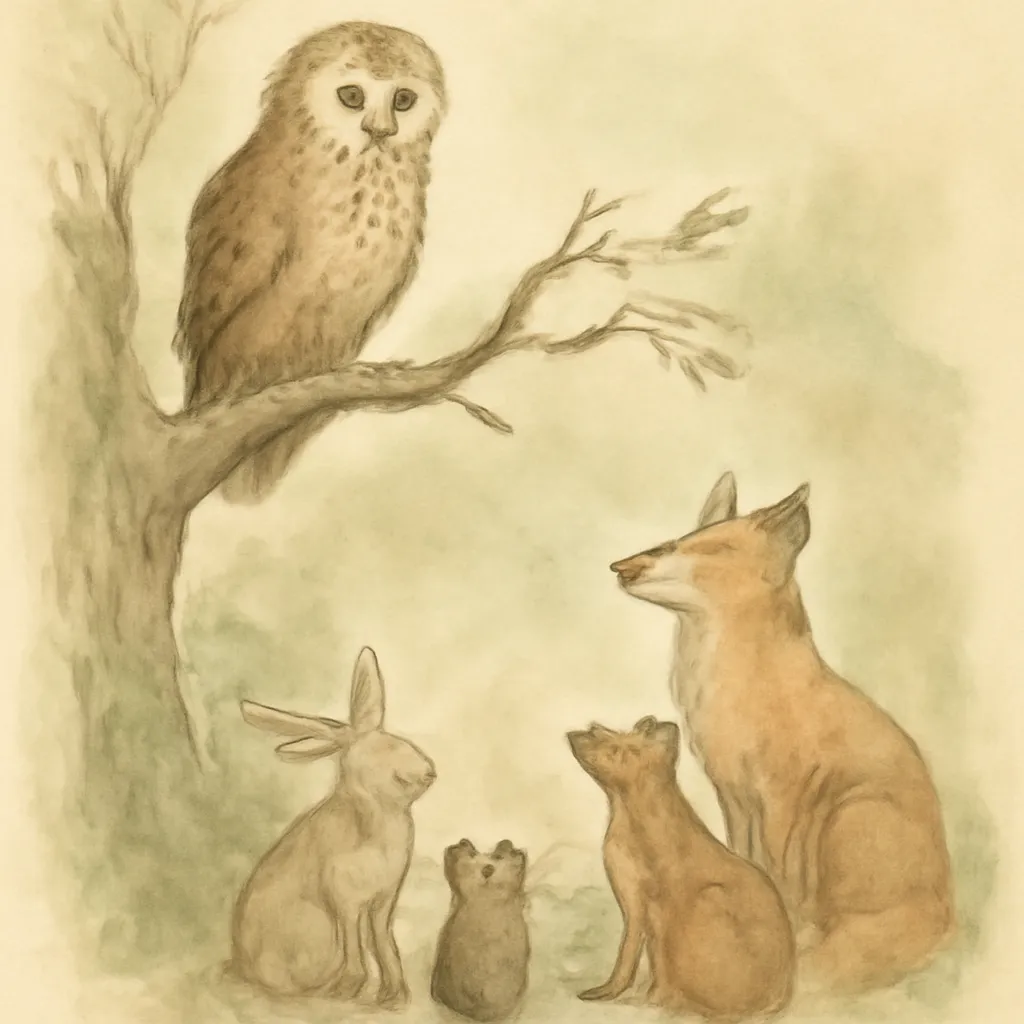
As the story unfolds, themes of leadership and governance emerge through the interactions among the animal kingdom. Characters like King Kapchack and Choo Hoo represent different leadership styles, with their struggles reflecting the complexities of authority. The council of animals, convened to discuss matters of state, reveals the challenges of decision-making in a community. Kapchack's eventual downfall serves as a cautionary tale about the perils of arrogance and betrayal. The political intrigue among the animals highlights that leadership is not merely about power, but about responsibility to one’s community. Through these narratives, Jefferies subtly critiques power dynamics, illustrating how leadership can be both a burden and a privilege, and how those in power must navigate the delicate balance between authority and responsibility. As Bevis observes these struggles, he gains insight into the qualities that define a true leader, such as wisdom, integrity, and the ability to listen to others.
6.Nature's Cycles and Seasons
The setting of 'Wood Magic' immerses readers in the rhythms of nature, emphasizing the cycles of life and the changing seasons. Bevis's adventures are often tied to specific times of the year, such as Midsummer Day, when the birds bathe in the brook. These seasonal markers not only ground the narrative in the natural world but also reflect the passage of time in Bevis's life. The cyclical nature of the environment teaches Bevis about growth, decay, and renewal, mirroring the transitions he experiences as he navigates childhood. This connection to nature's cycles fosters a deeper understanding of life’s temporality and the importance of cherishing each moment. The changing seasons serve as a backdrop for Bevis’s emotional development, symbolizing the phases of childhood and the inevitability of change. As Bevis learns to accept and embrace these changes, he gains a more profound appreciation for the beauty and complexity of life.
7.The Role of Imagination
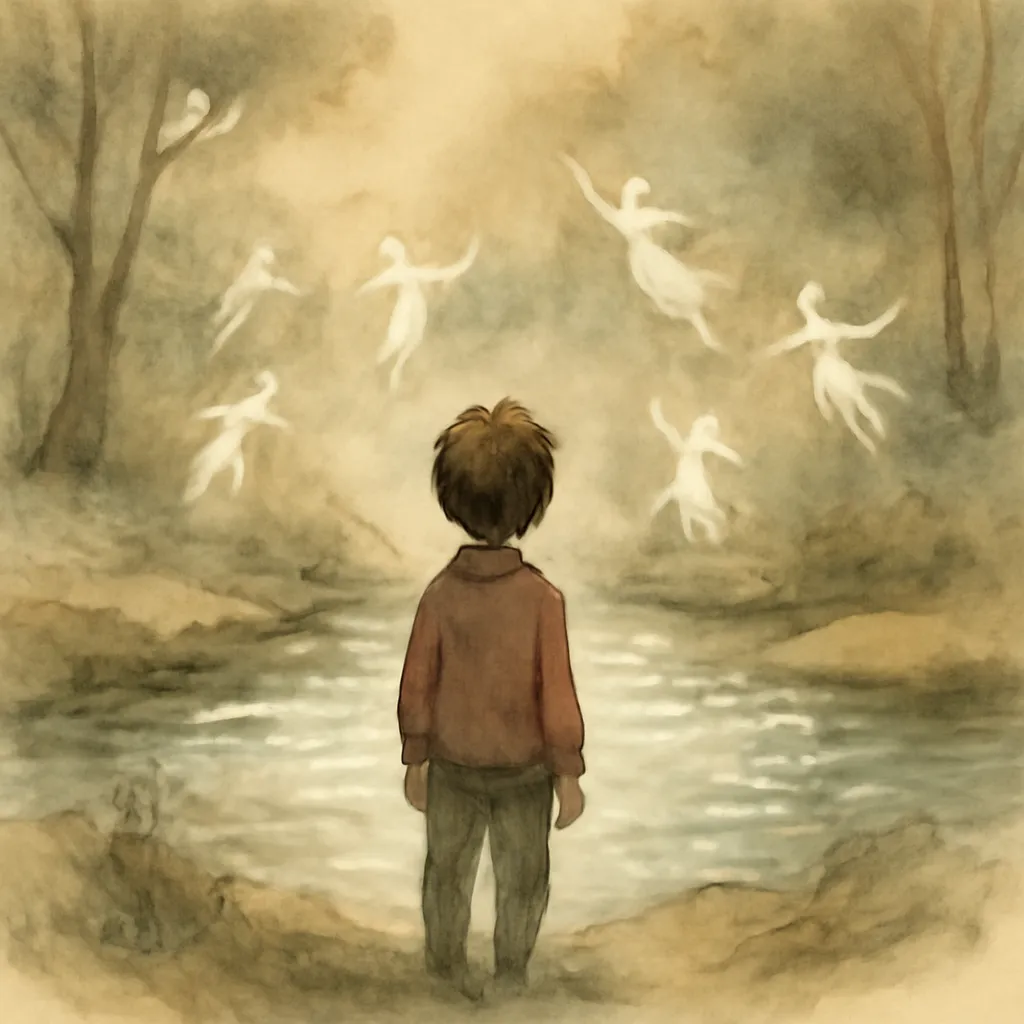
Imagination plays a central role in Bevis's adventures, transforming everyday experiences into extraordinary journeys. His ability to converse with animals and participate in their councils demonstrates the power of imagination in shaping one's reality. The whimsical elements of the story, such as the council of animals discussing governance and conspiracy, underscore how imagination allows for creative problem-solving and exploration of complex themes. Bevis's imaginative world serves as a refuge from the constraints of adult life, highlighting the importance of creativity in personal development. The freedom to explore and create narratives enhances Bevis's learning, as he navigates moral dilemmas and social dynamics with the help of his imaginative play. Through his adventures, Jefferies advocates for the value of imagination as a means of understanding and engaging with the world, ultimately suggesting that creativity is a powerful tool for both personal and societal growth.
8.Conflict and Resolution
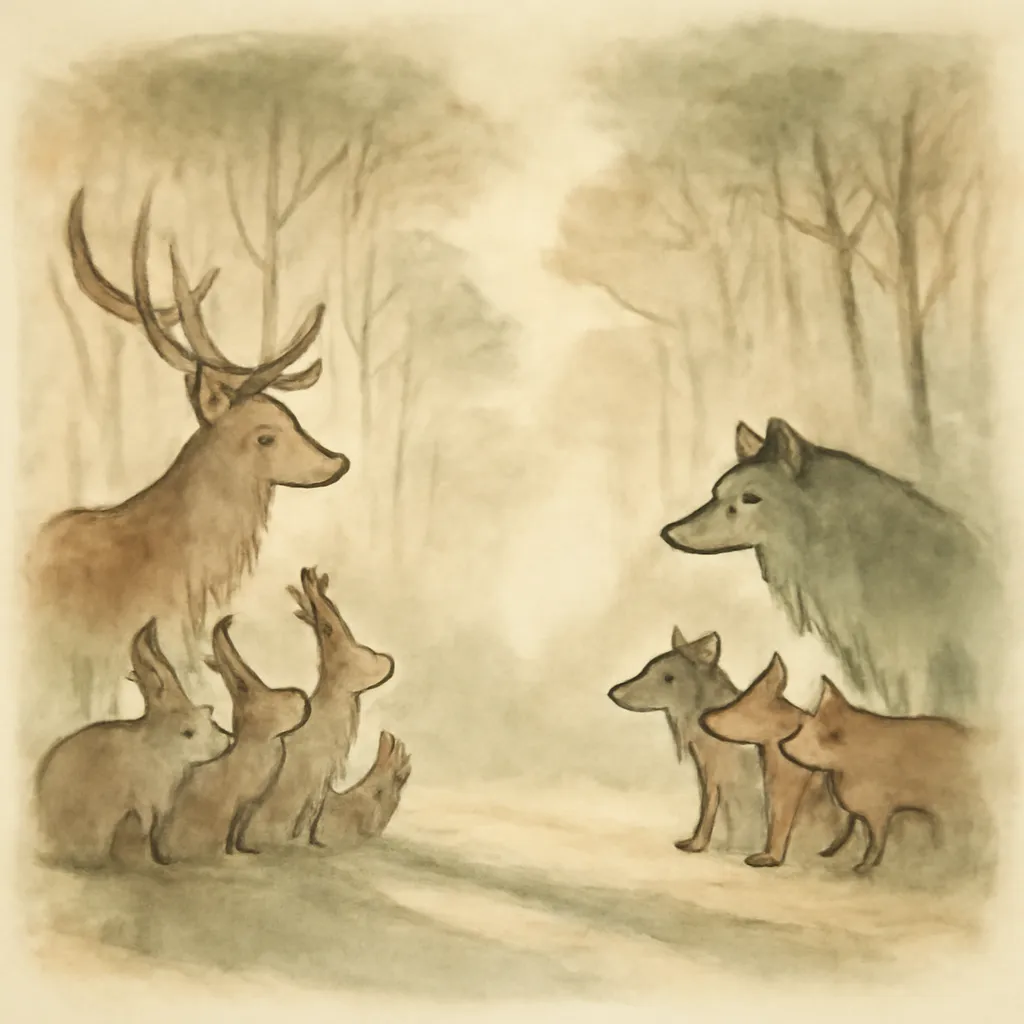
Conflict arises throughout Bevis's journey, both in his interactions with adults and in the allegorical battles between animal factions. The tension between Kapchack and Choo Hoo illustrates the struggle for power and the consequences of betrayal. Bevis's own conflicts, such as his encounters with the bailiff and the responsibilities imposed on him by adults, reflect the challenges children face in navigating authority. These conflicts ultimately lead to resolutions that emphasize the importance of cooperation and understanding. The resolution of the animal kingdom's disputes through council meetings showcases the potential for dialogue and negotiation in resolving conflicts, offering a hopeful perspective on the possibility of harmony in diversity. Through these narratives, Jefferies emphasizes that conflict is an inherent part of life, but it is through resolution and compromise that growth and understanding can occur. Bevis learns that navigating conflict with empathy and dialogue is essential for fostering peace within oneself and one’s community.
9.Lessons from Nature
The narrative is rich with lessons drawn from nature, conveying themes of resilience, adaptability, and cooperation. Bevis learns from the animals he encounters, absorbing their wisdom and applying it to his own life. The discussions among the animals about survival, leadership, and community reflect the lessons that can be gleaned from observing the natural world. The animals serve as mentors to Bevis, teaching him about the importance of working together and respecting the environment. This emphasis on nature as a teacher reinforces the idea that human experiences are deeply intertwined with the natural world, and that understanding nature can lead to personal growth and ethical living. As Bevis witnesses the struggles and triumphs of the animal community, he begins to internalize these lessons, shaping his worldview and sense of responsibility towards others and the environment.
10.The Transition to Adulthood
As Bevis navigates his adventures, the overarching theme of the transition from childhood to adulthood becomes apparent. His encounters with the animal kingdom serve as metaphors for the challenges and responsibilities that come with growing up. Bevis's innocent perspective gradually shifts as he confronts the complexities of leadership, loyalty, and conflict. The narrative captures the bittersweet nature of this transition, highlighting the tension between the carefree joys of childhood and the weight of adult responsibilities. Through Bevis's journey, Jefferies poignantly illustrates that growing up involves both loss and discovery, as children learn to navigate a world filled with both wonder and challenges. The experiences in the wood and the lessons learned from the animal kingdom prepare Bevis for the future, ultimately suggesting that the path to adulthood is fraught with trials but also filled with opportunities for growth and understanding.