1.Oral History as Narrative Power
World War Z is structured as a series of interviews, giving voice to a diverse array of survivors from every continent and walk of life. This approach transforms the zombie apocalypse from a singular narrative into a mosaic of human experiences, highlighting how catastrophe is lived differently across cultures, classes, and professions. The oral history format makes the horror intimate and personal, while also providing a sweeping global perspective.
2.Social Critique Through Horror
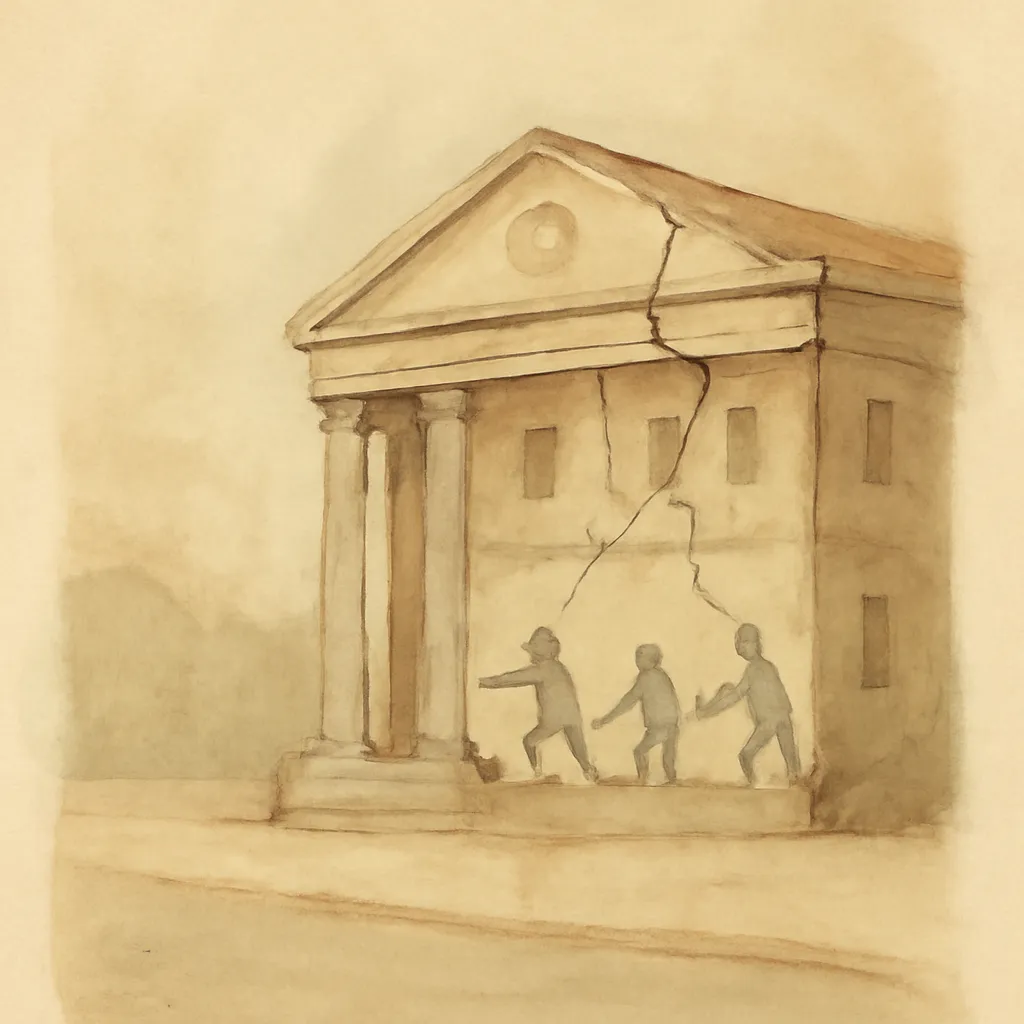
Brooks uses the zombie apocalypse as a lens to critique real-world institutions and failings. The book dissects governmental denial, bureaucratic paralysis, misinformation, and the fragility of modern infrastructure. It explores how political, military, and social systems respond under existential threat, often exposing corruption, incompetence, or misplaced priorities that exacerbate the crisis.
3.Human Resilience and Adaptation
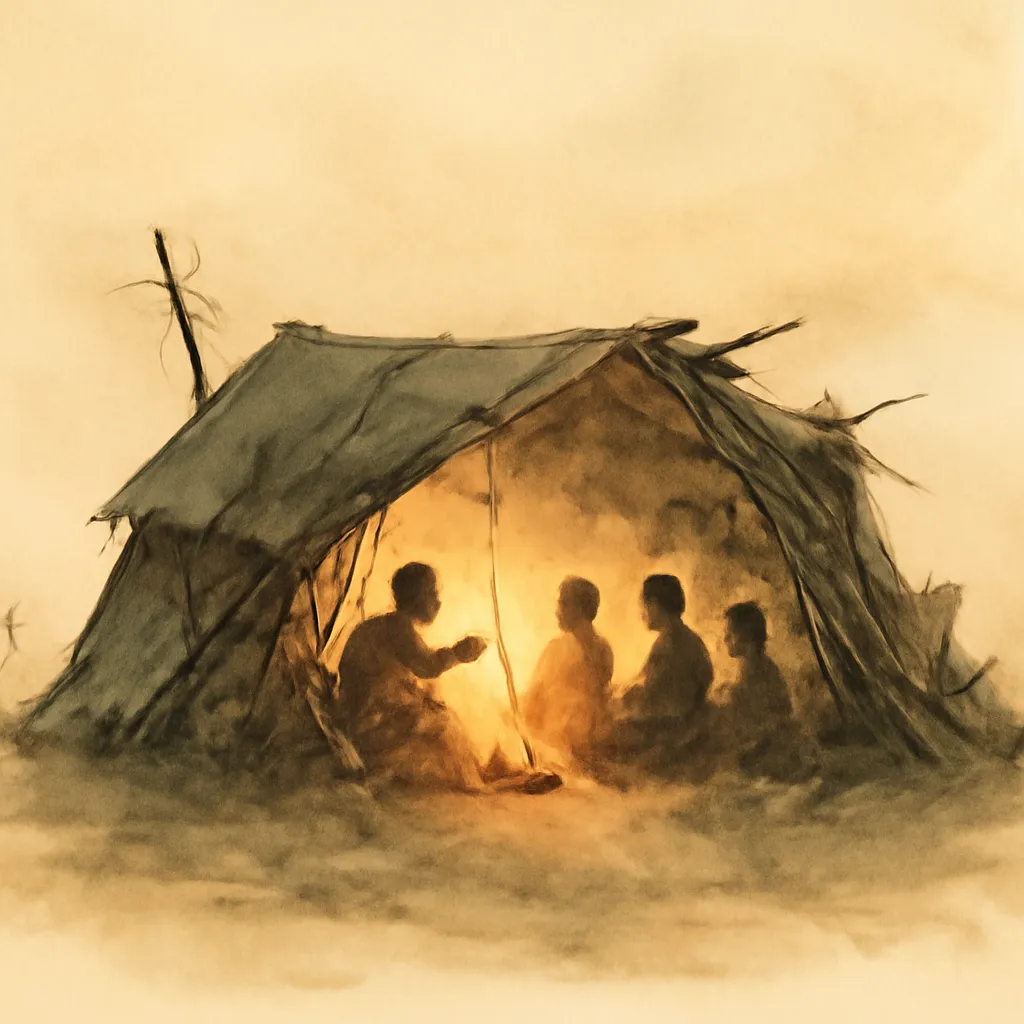
Amid devastation, World War Z is ultimately a story of survival and adaptation. The testimonies reveal how ordinary people—soldiers, doctors, refugees, and leaders—find ways to endure, innovate, and reclaim agency. The narrative celebrates ingenuity, sacrifice, and the collective will to rebuild, suggesting that humanity’s greatest strength is its capacity for resilience and reinvention.
4.Global Perspective on Catastrophe
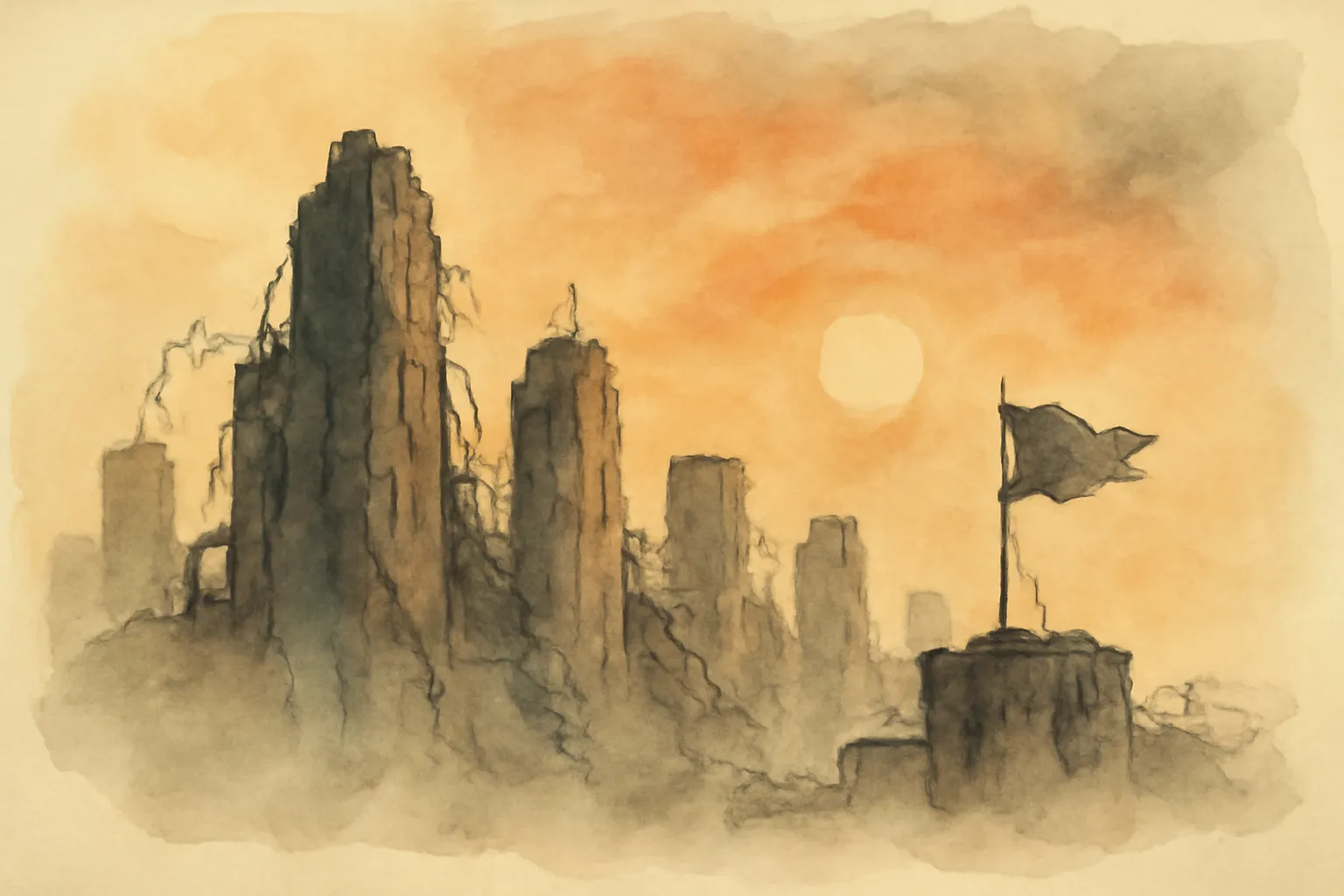
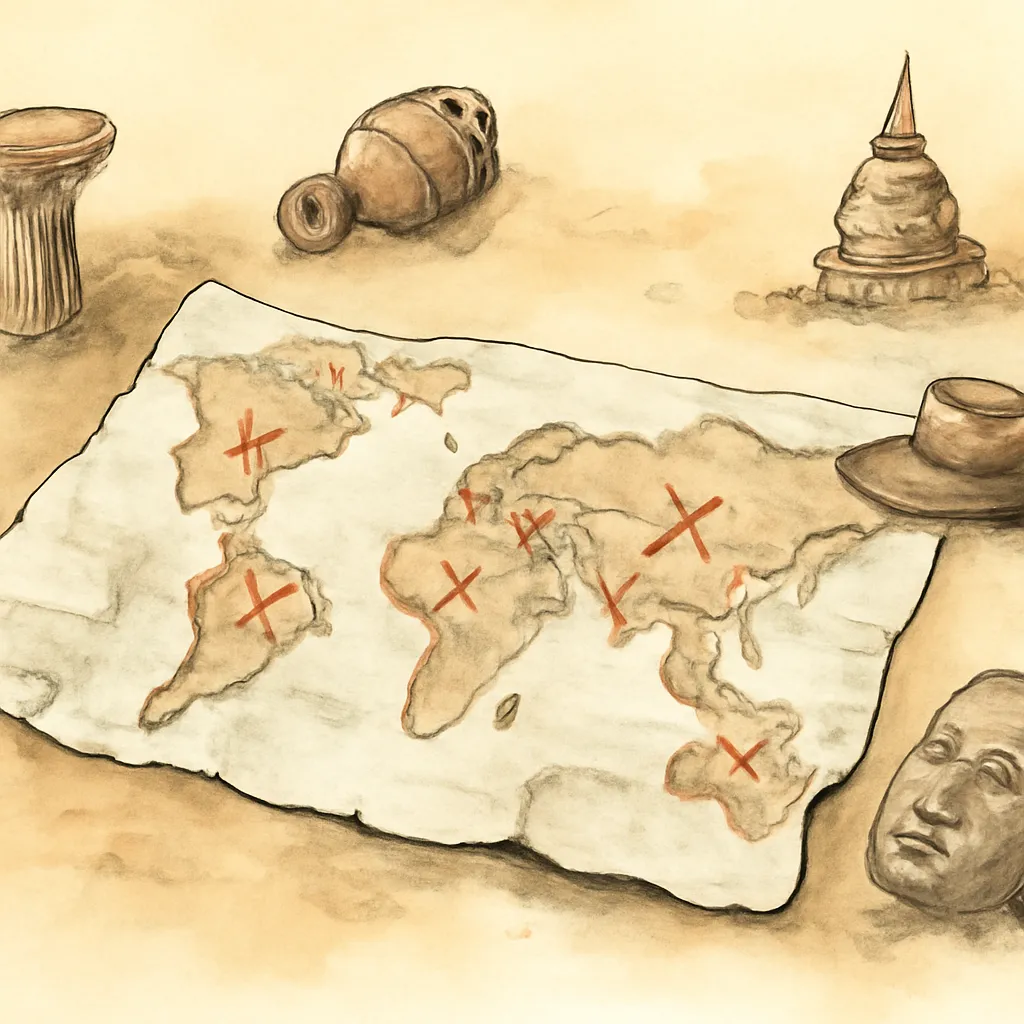
Unlike many apocalyptic tales centered on a single nation, World War Z is truly global. By weaving together stories from China to South Africa to the Arctic, Brooks emphasizes that no country is immune to disaster, and that solutions—and failures—are shaped by unique cultural, geographic, and political factors. This global scope invites readers to consider the interconnectedness and diversity of human responses to crisis.
5.Memory, Trauma, and the Cost of Survival
The survivors’ testimonies are haunted by trauma, loss, and moral ambiguity. World War Z doesn’t shy away from the psychological scars left by war, exploring how individuals and societies remember, process, and sometimes try to forget the horrors they endured. The book raises questions about the cost of survival and the stories we tell to make sense of the unthinkable.
6.Satire and Dark Humor
Amid the bleakness, Brooks injects moments of satire and dark humor, often targeting media sensationalism, celebrity culture, and the absurdities of bureaucracy. These elements provide relief, but also sharpen the book’s critique of how societies can be distracted or misled even in the face of existential threats.