1.The Power of Love and Obsession
At the heart of Wuthering Heights lies the tumultuous relationship between Heathcliff and Catherine Earnshaw. Their love is not just a mere romantic attachment; it evolves into an all-consuming obsession that transcends social boundaries and even death. Catherine's declaration that it would 'degrade' her to marry Heathcliff highlights the societal constraints that dictate their actions. Their passionate connection leads to destructive choices, with Heathcliff's unyielding love turning into a craving for revenge when Catherine marries Edgar Linton. This duality of love and obsession serves as a reminder that intense feelings can bring both ecstasy and despair, ultimately leading to tragic outcomes.
2.The Influence of Social Class
Social class plays a pivotal role in shaping the lives and decisions of the characters in Wuthering Heights. Heathcliff, an orphan taken in by Mr. Earnshaw, is initially treated as a member of the family but faces scorn and disdain from Hindley, Mr. Earnshaw's son, who resents Heathcliff's closeness to his father. This class conflict intensifies when Catherine chooses to marry Edgar Linton, a wealthy gentleman, believing that it will elevate her status. The novel critiques the rigid class structures of the time, illustrating how they lead to suffering and thwart genuine connections. The tragic consequences of these class divisions become clear as Heathcliff's subsequent actions stem from a desire to reclaim his perceived lost status and love.
3.The Cycle of Revenge
Heathcliff's character embodies the theme of revenge, which drives much of the narrative. After Catherine's marriage to Edgar, Heathcliff becomes consumed by bitterness and seeks to ruin the lives of those who wronged him. His vengeance is methodical, targeting Hindley and Edgar while also involving their children, Hareton and young Catherine. This cycle of revenge perpetuates a legacy of suffering, where each act of retribution leads to further pain and loss. Brontë illustrates that revenge can become a self-destructive force, ultimately isolating Heathcliff and preventing him from finding peace. The destructive nature of vengeance serves as a cautionary tale about the futility of harboring grudges.
4.Nature as a Reflection of Emotion
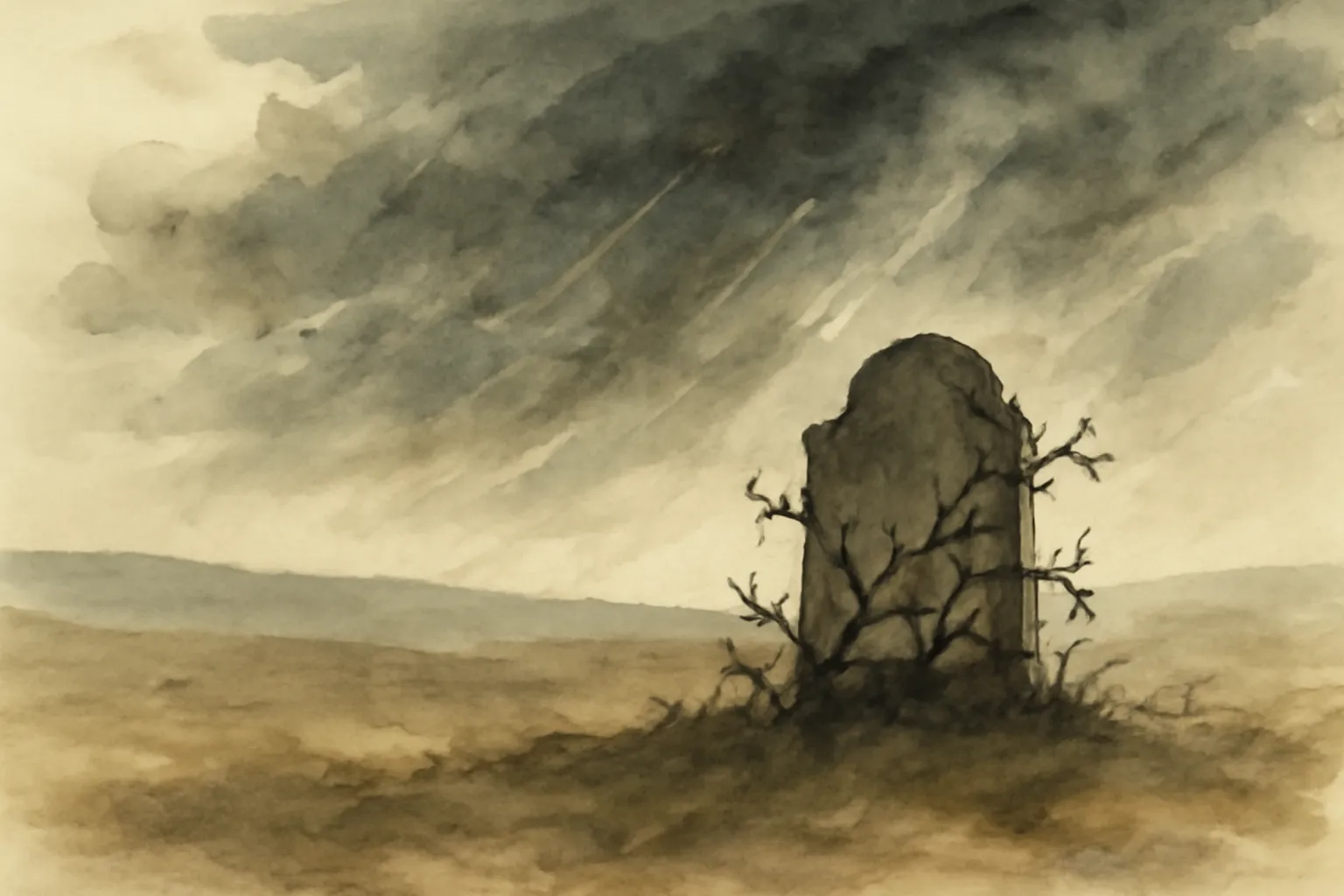
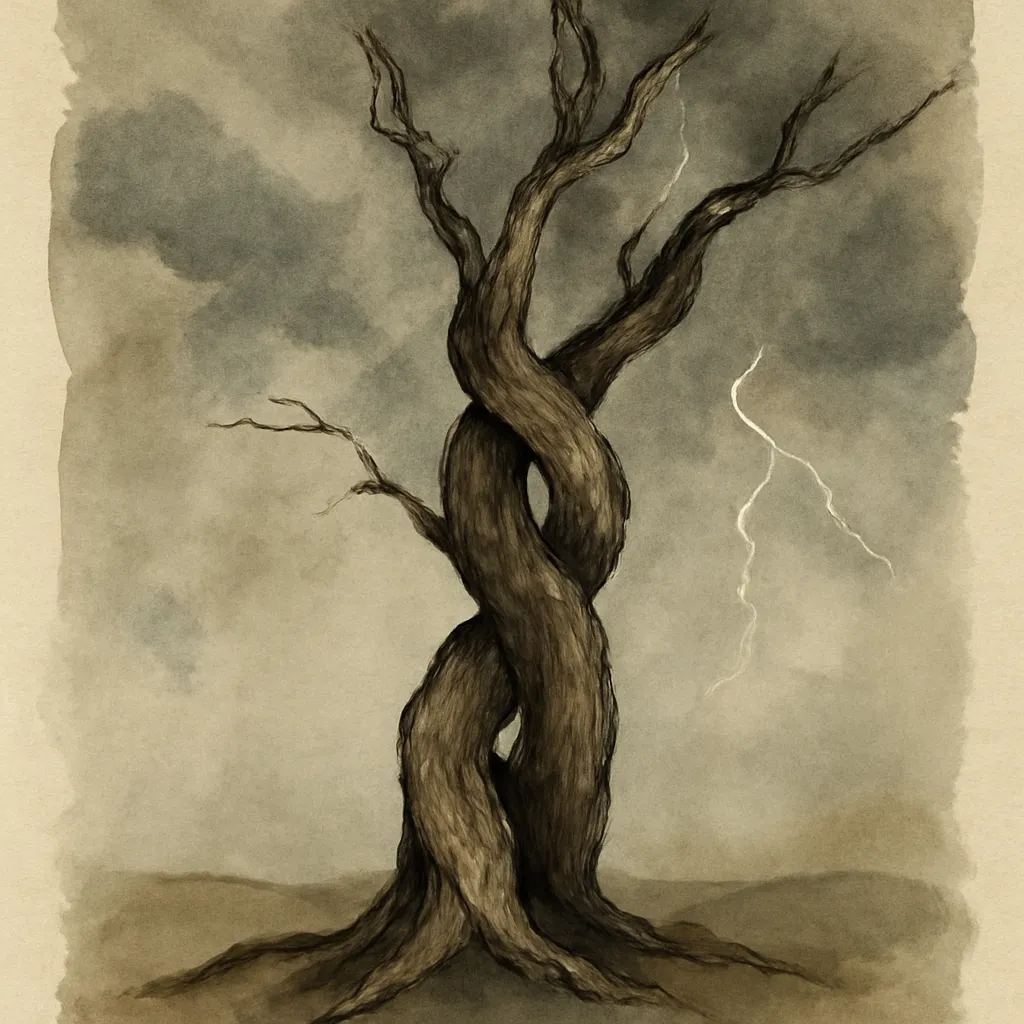
The setting of Wuthering Heights, with its wild, rugged moors, is not merely a backdrop but a character in itself that reflects the emotional turmoil of the inhabitants. The landscape is often described in tumultuous terms, mirroring the passions and conflicts that unfold within the story. For instance, the stormy weather during key moments emphasizes the intensity of Heathcliff and Catherine's feelings. The contrast between the bleakness of the moors and the warmth of Thrushcross Grange symbolizes the divergent lives of the characters, highlighting the tension between wildness and civility. Brontë's use of nature as a metaphor enriches the narrative, suggesting that human emotions are deeply intertwined with the environment.
5.The Impact of Childhood Trauma
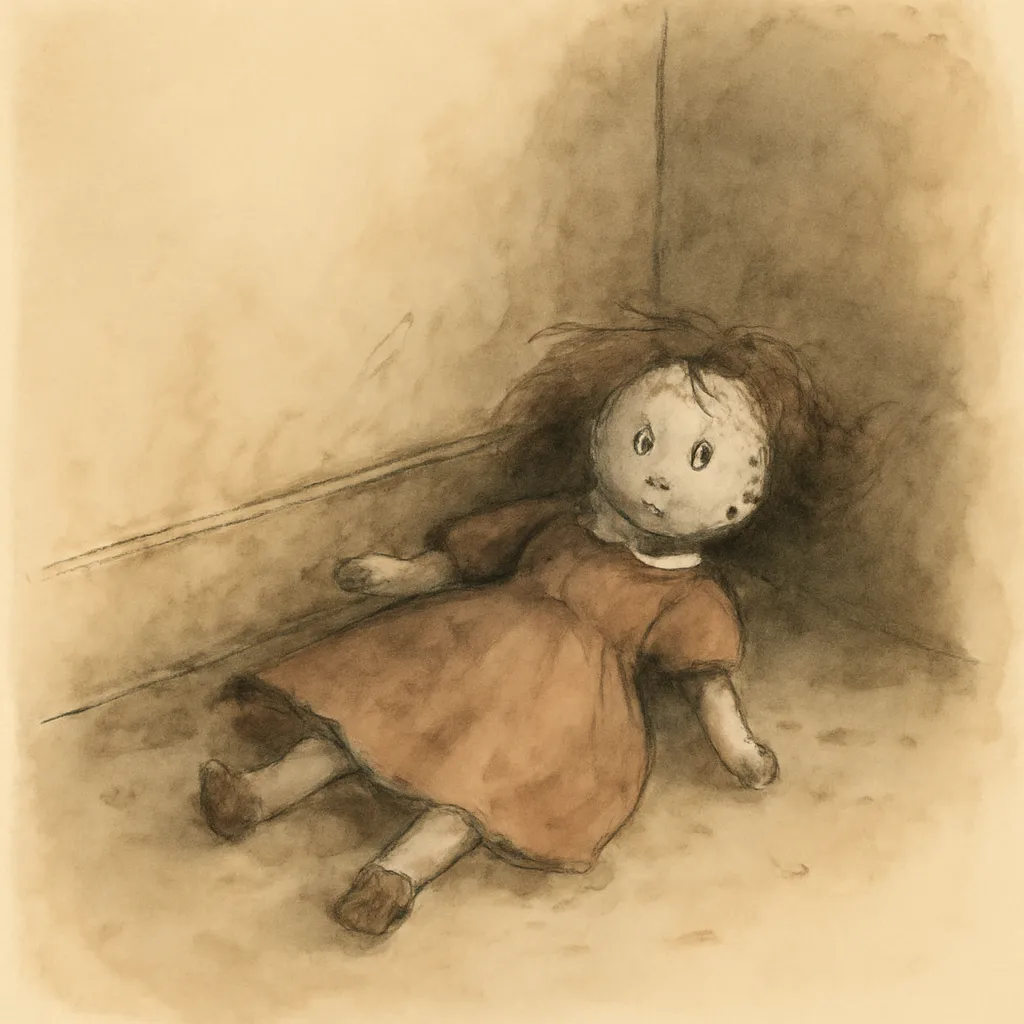
The characters' childhood experiences significantly shape their adult behaviors and relationships. Heathcliff’s traumatic upbringing, marked by abuse and rejection, fosters his later cruelty and desire for revenge. Similarly, Catherine's childhood at Wuthering Heights, filled with freedom and wildness, contrasts sharply with her later restrained life at Thrushcross Grange. The effects of these formative years are evident in the characters’ interactions; for example, Hindley’s jealousy and bitterness stem from his father's favoritism towards Heathcliff. Brontë underscores the importance of childhood in understanding the motivations of her characters, emphasizing that unresolved trauma can lead to a cycle of pain that extends into future generations.
6.The Role of Women in Society
Wuthering Heights presents a complex portrayal of women and their roles within a patriarchal society. Catherine Earnshaw is a strong-willed character whose desires are often stifled by societal expectations. Her marriage to Edgar Linton is a strategic move that reflects the limited options available to women of her time. Isabella Linton, in contrast, embodies the consequences of marrying for passion rather than practicality, as her relationship with Heathcliff leads to her suffering. Through these characters, Brontë critiques the societal norms that restrict women's autonomy and explores how their choices are often dictated by the men around them. The novel raises questions about the nature of love, freedom, and the sacrifices women make in pursuit of both.
7.The Duality of Human Nature
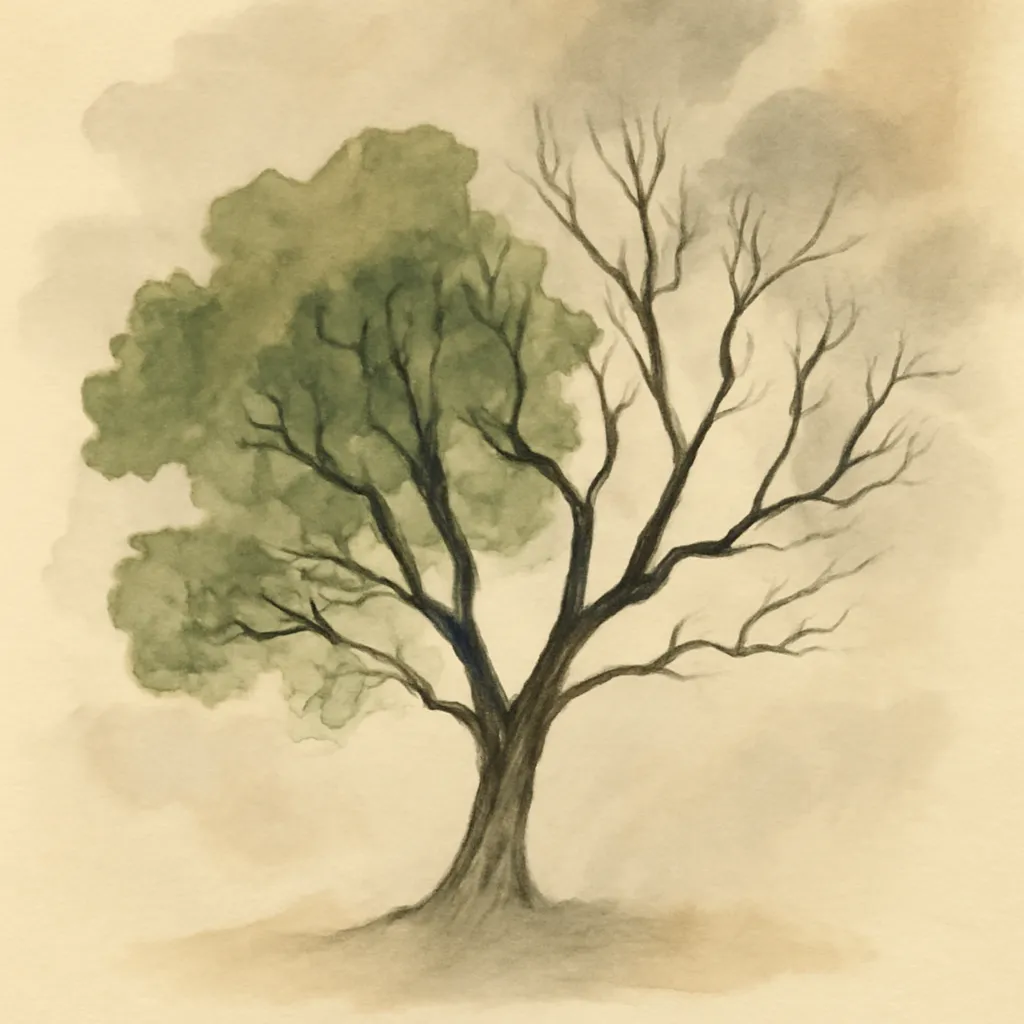
Brontë intricately weaves the theme of duality into her characters, particularly through Heathcliff and Catherine. They embody both the capacity for love and the potential for cruelty, illustrating the complexity of human nature. Heathcliff's transformation from a mistreated child to a vengeful adult reveals how love can morph into hatred when subjected to betrayal. Catherine, too, fluctuates between her wild, passionate self and the societal expectations that constrain her. This duality serves to highlight the internal conflicts faced by individuals, suggesting that everyone harbors both light and darkness within. Brontë’s exploration of these opposing forces invites readers to reflect on their own nature and the choices that define their lives.
8.Isolation and Loneliness
Isolation is a recurring theme in Wuthering Heights, manifesting in both physical and emotional forms. Heathcliff's self-imposed isolation after Catherine's death illustrates how grief can lead to a withdrawal from the world. His home, Wuthering Heights, becomes a symbol of desolation, reflecting his inner turmoil. Similarly, Catherine's struggle between her love for Heathcliff and her social obligations creates an emotional chasm that isolates her from both her heart's desire and her husband. Brontë poignantly captures the loneliness experienced by her characters, suggesting that isolation can be both a choice and a consequence of one’s actions. This theme resonates with readers, prompting them to consider the impact of their relationships on their sense of belonging.
9.The Legacy of the Past
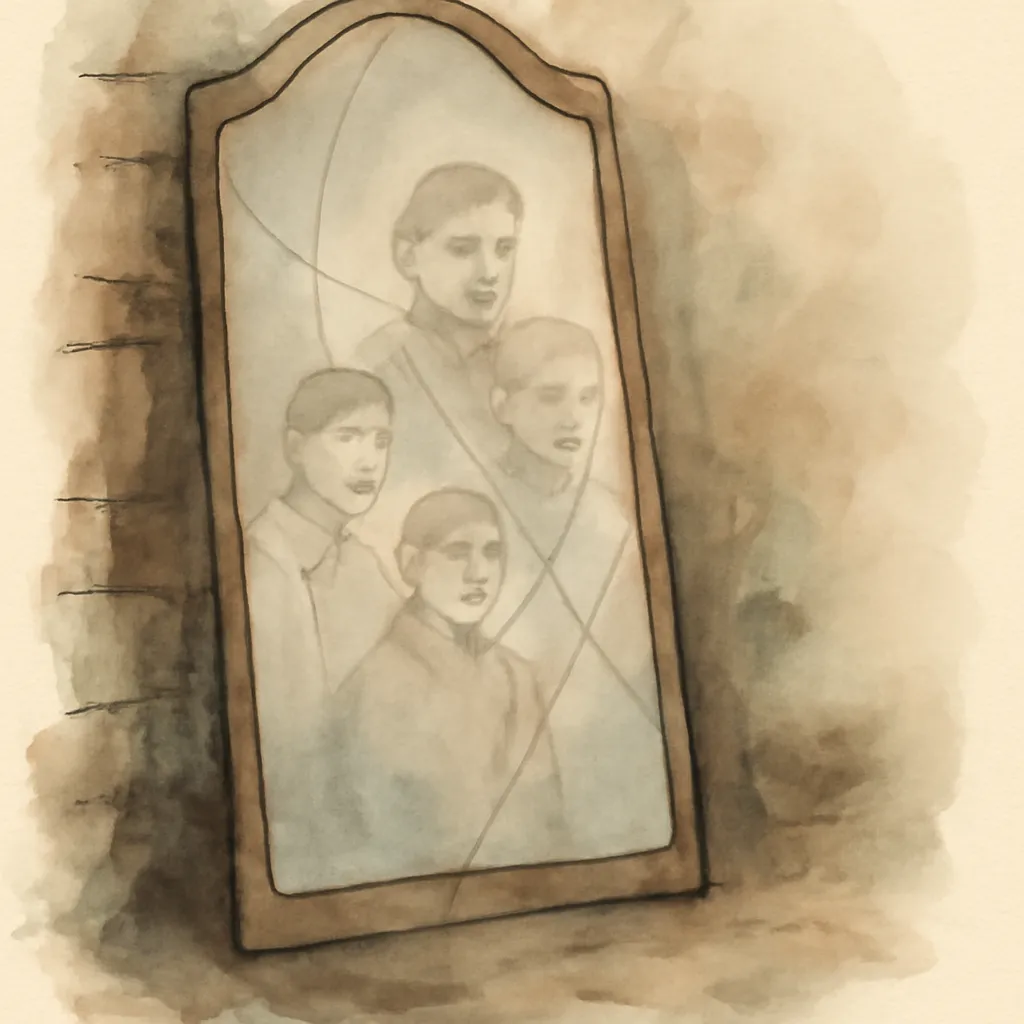
The past looms large in Wuthering Heights, shaping the characters' present and future. The history of Wuthering Heights and Thrushcross Grange is steeped in the actions and decisions of previous generations, particularly concerning Heathcliff and Catherine. Their unresolved issues reverberate through the lives of their descendants, creating a cycle of pain that seems inescapable. For instance, Hareton and young Catherine's relationship reflects the lingering effects of their parents' choices, as they navigate the remnants of past animosities. Brontë emphasizes that the past cannot be easily escaped; rather, it must be acknowledged and confronted to break free from its hold. This exploration of legacy compels readers to consider how their own histories influence their identities and relationships.