1.The Weight of Royal Ambition
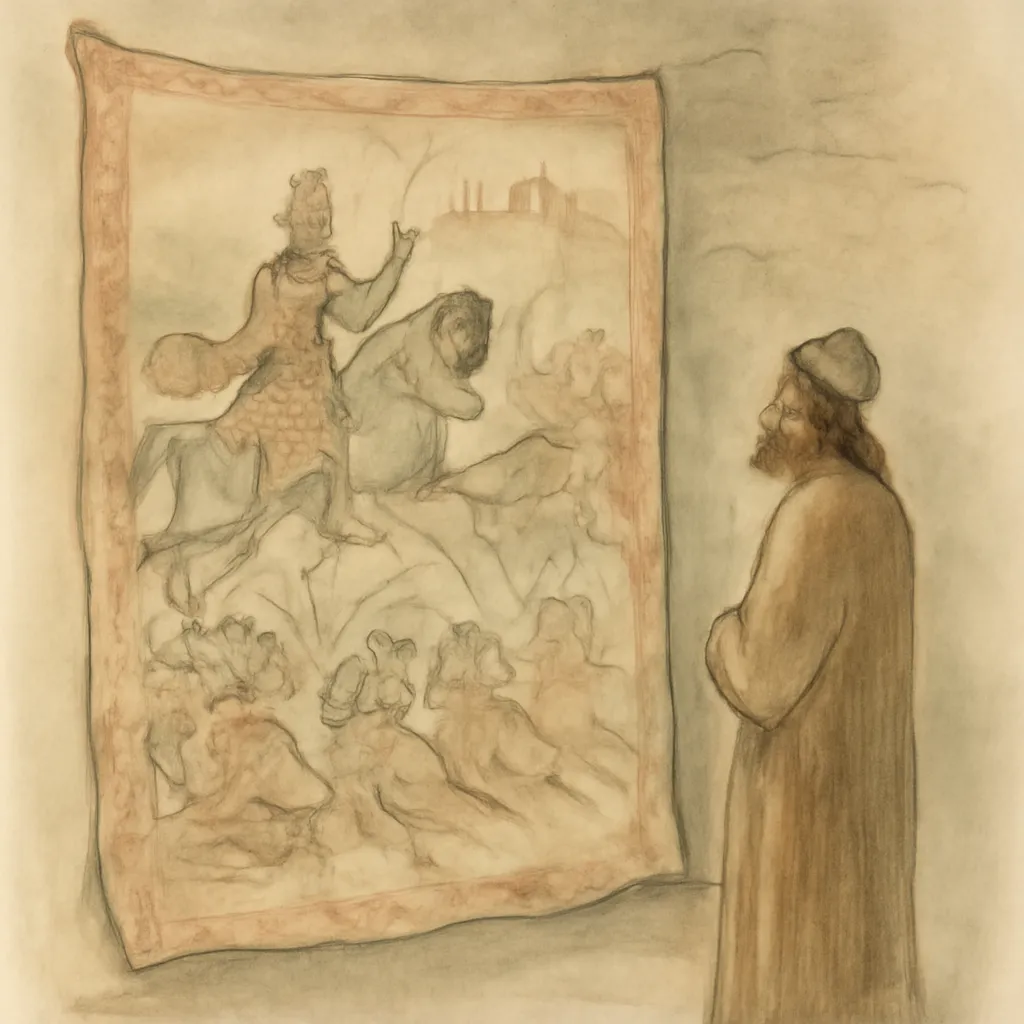
Xerxes ascended to the Persian throne amid a backdrop of familial ambition and rivalry, particularly influenced by his mother, Atossa. Her cunning and political acumen played a significant role in shaping Xerxes’ early life and ambitions. The narrative portrays kingship as a double-edged sword, where the pursuit of power often leads to personal and political peril. Xerxes, like many rulers before and after him, was driven by a desire for greatness, but the expectations placed upon him by his lineage and his mother added layers of complexity to his reign. The interplay of ambition and familial loyalty highlights the personal stakes involved in royal succession and the lengths to which individuals will go to secure their legacy.
2.The Legacy of Darius
The influence of Xerxes' father, Darius, looms large over his reign, especially regarding the unfinished wars against Greece and Egypt. Darius' legacy was one of expansion and ambition, setting a high benchmark for his son. As Xerxes assumed the crown, he inherited not just the empire but also the weight of his father's unfinished conquests. The book illustrates how Darius’ decisions and military campaigns shaped the strategic landscape that Xerxes had to navigate. This context provides readers with an understanding of how previous rulers' actions can create both opportunities and challenges for their successors, emphasizing the continuity of power dynamics in empires.
3.The Decision to Invade Greece
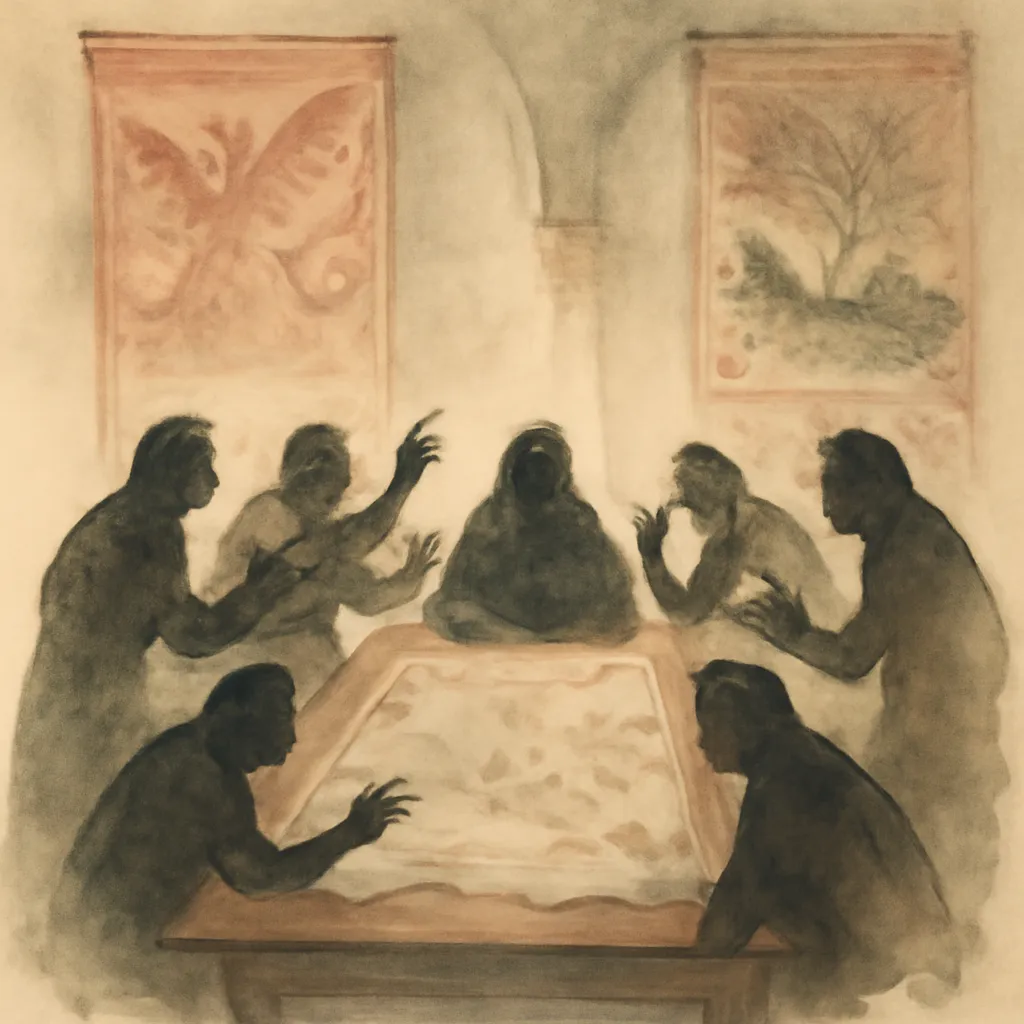
Xerxes' decision to invade Greece was not made in isolation but was the result of intense debate among his advisors. Key figures like Mardonius and Artabanus presented contrasting views on the feasibility and morality of the invasion. The narrative captures the tension between military ambition and caution, showcasing the various perspectives on the Greeks, who were viewed as both a threat and an opportunity. Xerxes’ desire for revenge against the Athenians, who had previously humiliated Persian forces, further fueled his determination. This decision-making process is a critical moment in history, illustrating how personal vendettas can escalate into large-scale conflicts, setting the stage for one of history’s most famous military campaigns.
4.The Scale of Xerxes’ Preparations
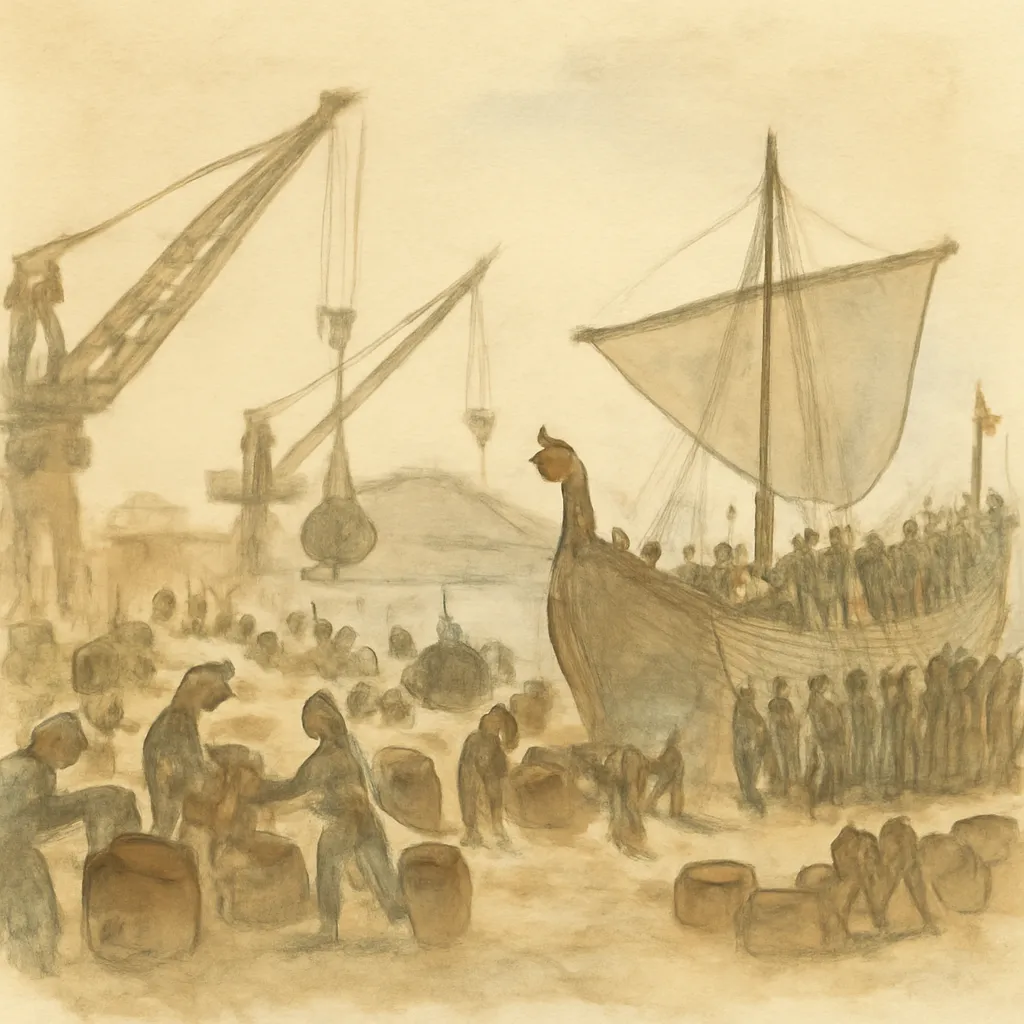
Xerxes' preparations for the invasion of Greece were monumental, reflecting the scale of his ambition. Over four years, he mobilized resources from across his vast empire, showcasing both the logistical capabilities and the bureaucratic challenges of ancient Persia. The author details the process of raising funds, building ships, and assembling an army that was said to number in the millions. This extensive preparation underscores the significance of the invasion, as it was not merely a military campaign but a statement of Persian power. The sheer ambition of the endeavor serves as a reminder of the lengths to which rulers will go to assert dominance and the intricate planning required to execute such grand designs.
5.The Crossing of the Hellespont
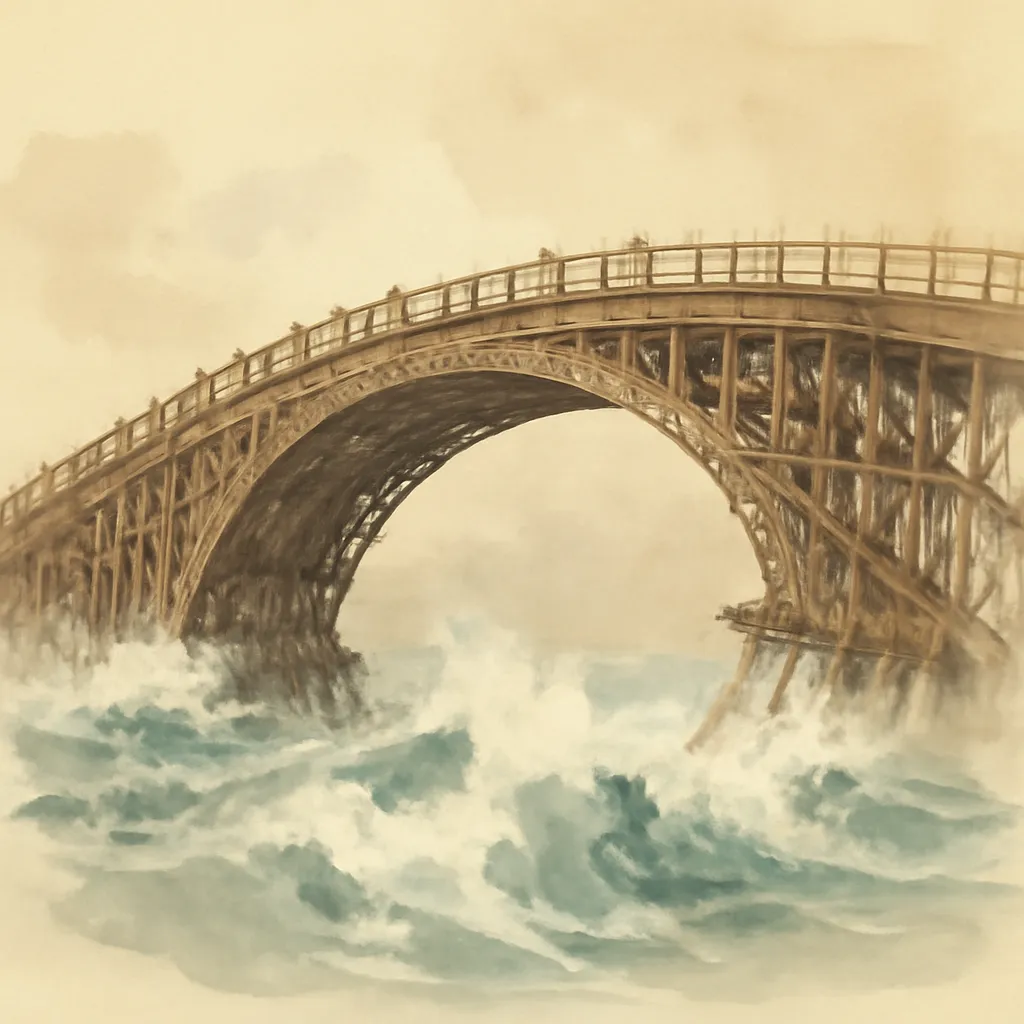
Xerxes' crossing of the Hellespont is one of the most dramatic moments in the narrative, symbolizing the transition from preparation to action. The construction of a bridge across the strait was an engineering feat that demonstrated Persian ingenuity and ambition. However, the destruction of this bridge by storms and Xerxes' subsequent rage, including his absurd punishment of the sea, illustrates the psychological pressures faced by leaders. This event not only highlights the unpredictability of nature but also reflects the theme of hubris, where Xerxes’ anger towards the sea symbolizes a ruler's struggle against forces beyond his control. The crossing marks a pivotal moment, where ambition meets reality, setting the stage for the ensuing conflict.
6.The Review of Troops: A Show of Might
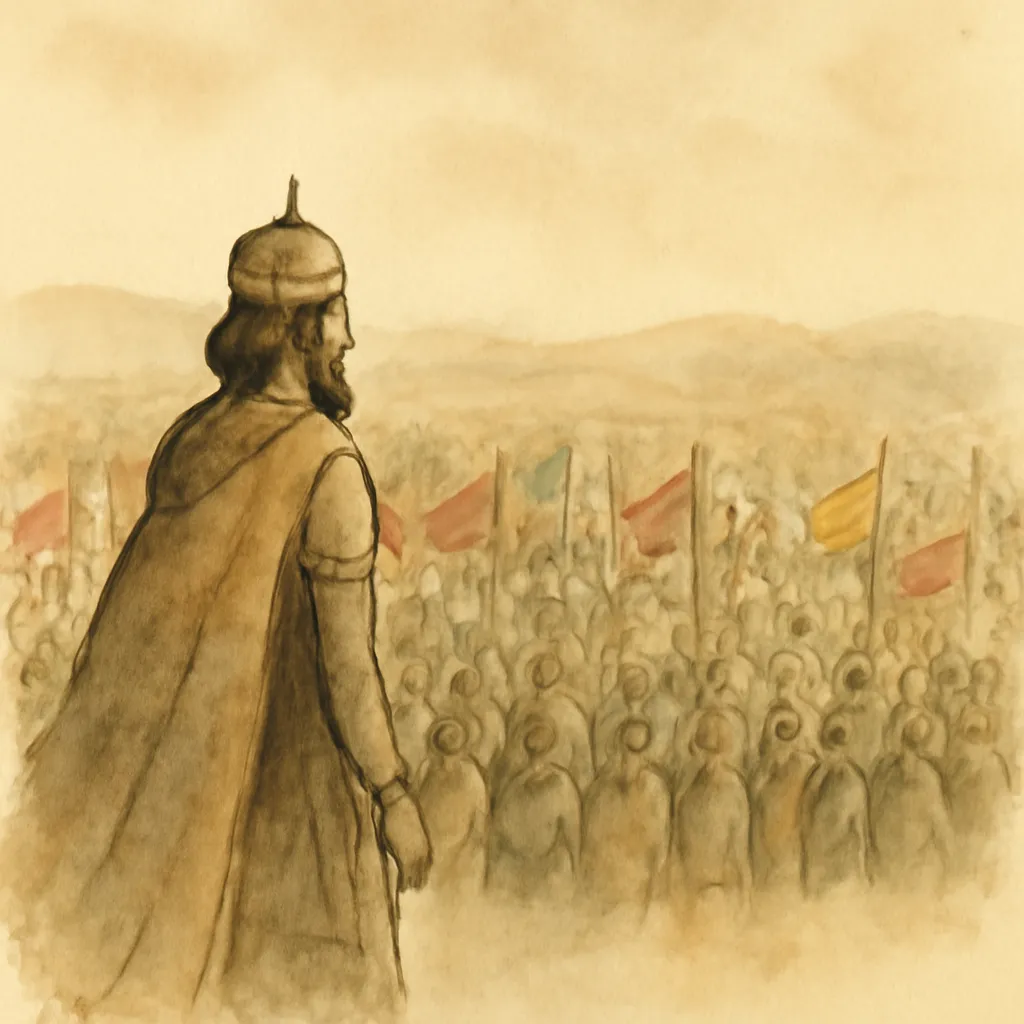
The review of Xerxes' troops at Doriscus is portrayed as a grand spectacle, emphasizing the vastness and diversity of his army. Abbott describes the immense numbers, the various nations represented, and the elaborate preparations for this display of power. This moment serves to boost morale among the troops and instill fear in their enemies. The sheer scale of the review reflects the Persian Empire's resources and the importance of military might in establishing authority. It also underscores the psychological aspects of warfare, where a show of strength can be as significant as the battles themselves. This review becomes a critical element in understanding how leaders use spectacle to solidify their power and intimidate opponents.
7.The Greek Response: Unity in Diversity
In contrast to Xerxes' preparations, the Greeks’ response to the impending invasion showcases their resilience and unity despite their diverse city-states. The collaboration between Athens and Sparta, two rivals with distinct cultures and military strategies, highlights the existential threat posed by Xerxes. The Greeks consulted oracles and debated their strategies, reflecting their democratic values and communal decision-making processes. This unity against a common foe illustrates the theme of collective action in the face of tyranny, serving as a reminder of the power of solidarity. The contrasting approaches of the Persians and Greeks emphasize the significance of cultural identity and values in shaping historical outcomes.
8.The Battle of Thermopylae: Heroism and Sacrifice
The Battle of Thermopylae stands as a testament to bravery and sacrifice, with King Leonidas and his Spartan warriors embodying the spirit of resistance against overwhelming odds. Abbott captures the drama of the battle, detailing the strategic importance of the pass and the fierce combat that ensued. Despite being vastly outnumbered, the Greeks fought valiantly, showcasing their tactical prowess and unwavering resolve. The narrative emphasizes the personal heroism of Leonidas, whose decision to stay and fight rather than retreat became a symbol of courage in the face of certain death. This battle not only highlights military strategy but also explores themes of honor, loyalty, and the human spirit's capacity for resilience in the face of adversity.
9.The Burning of Athens: A Turning Point
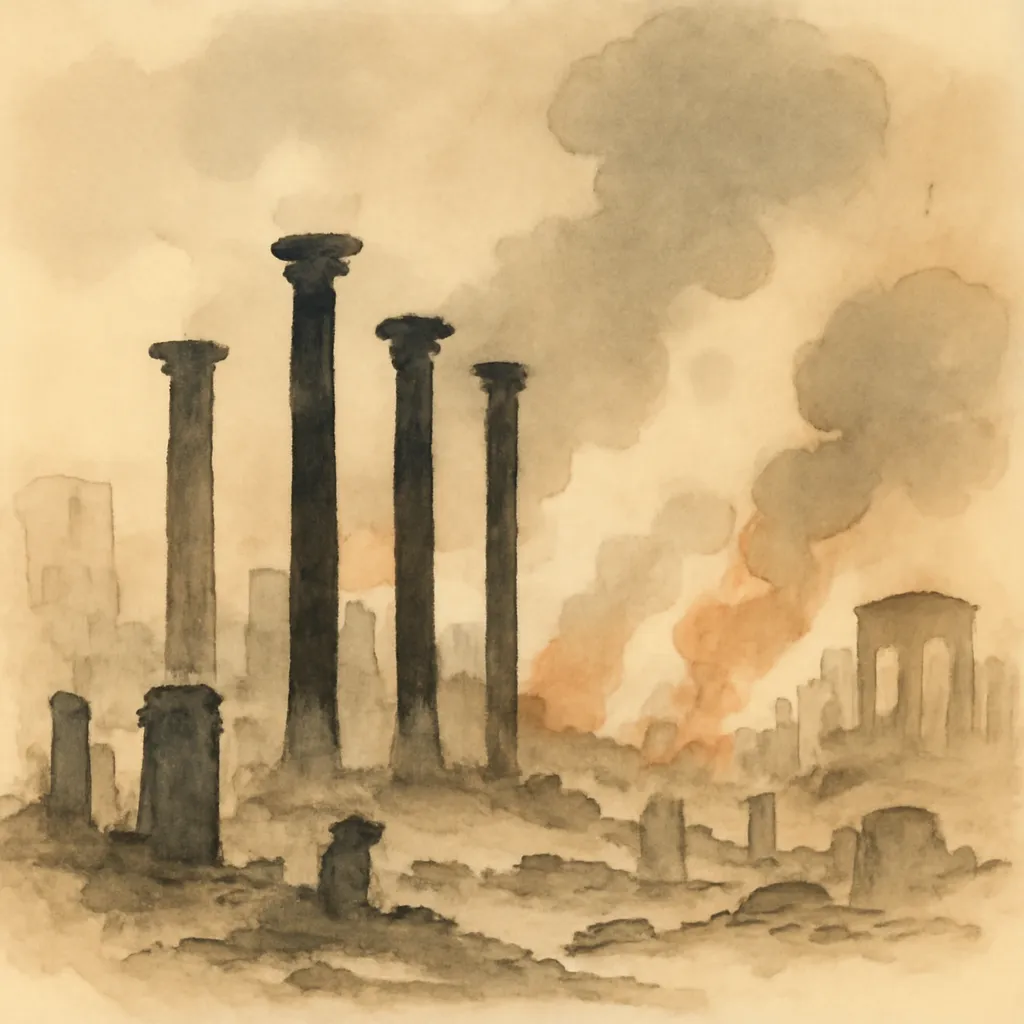
Following the Persian victory at Thermopylae, the burning of Athens marked a significant turning point in the conflict. Xerxes' decision to raze the city illustrated the brutal realities of war and the consequences of imperial ambition. The narrative describes the panic among Athenians and their desperate flight, contrasting with the resolute stance of those who chose to remain and defend their homeland. This event serves as a poignant reminder of the human cost of war, as the cultural and historical heart of Athens was devastated. The burning of Athens galvanized Greek resistance, transforming the narrative from one of despair to a rallying cry for unity against the Persian threat. This pivotal moment underscores the fragility of civilization in the face of conquest and the enduring spirit of those who fight for their homeland.
10.The Battle of Salamis: Naval Strategy and Victory
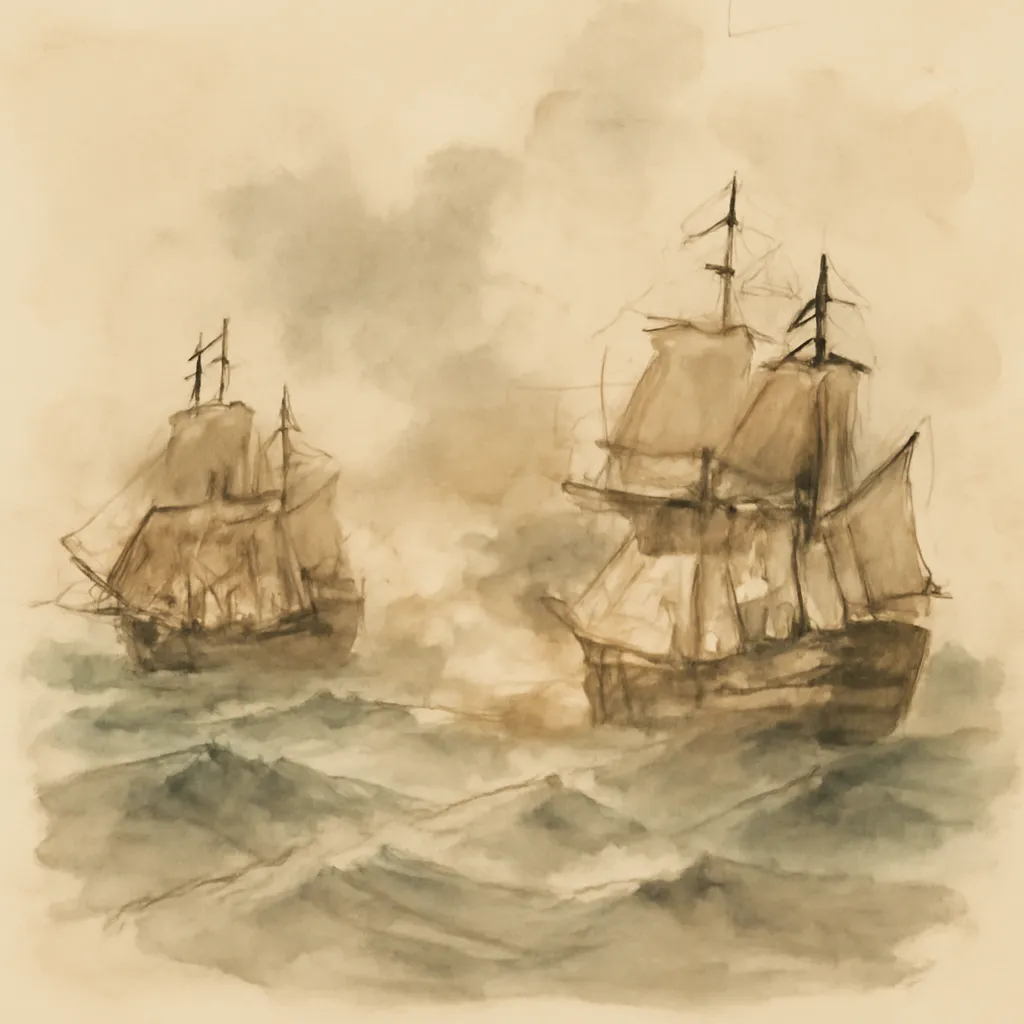
The naval Battle of Salamis emerges as a critical confrontation that ultimately shifted the momentum of the war. Themistocles' strategic foresight in choosing to engage the Persian fleet in the narrow straits showcased the importance of naval power in ancient warfare. Abbott narrates the complexities of the battle, including the disarray among the Persian forces and the unity among the Greeks. The victory at Salamis not only thwarted Xerxes’ ambitions but also marked a turning point in the war, demonstrating the effectiveness of strategy over sheer numbers. This battle exemplifies the theme of adaptability and intelligence in leadership, illustrating how understanding the terrain and enemy weaknesses can lead to triumph against overwhelming odds.
11.The Aftermath: Retreat and Reflection
Following the defeat at Salamis, Xerxes' retreat reflects the fragility of his empire and the consequences of overreach. Mardonius' attempts to rally the remaining forces illustrate the challenges of maintaining control in the face of adversity. The narrative captures the chaos of the retreat, with soldiers suffering from hunger and disease, highlighting the human cost of war. Xerxes’ decision to return to Persia while leaving Mardonius behind to complete the conquest symbolizes a shift in power dynamics and the complexities of leadership. This aftermath serves as a poignant reminder of the fleeting nature of power and the consequences of ambition, as Xerxes’ once-mighty empire faced significant challenges in the wake of defeat.