1.The Human Body as an Evolutionary Mosaic
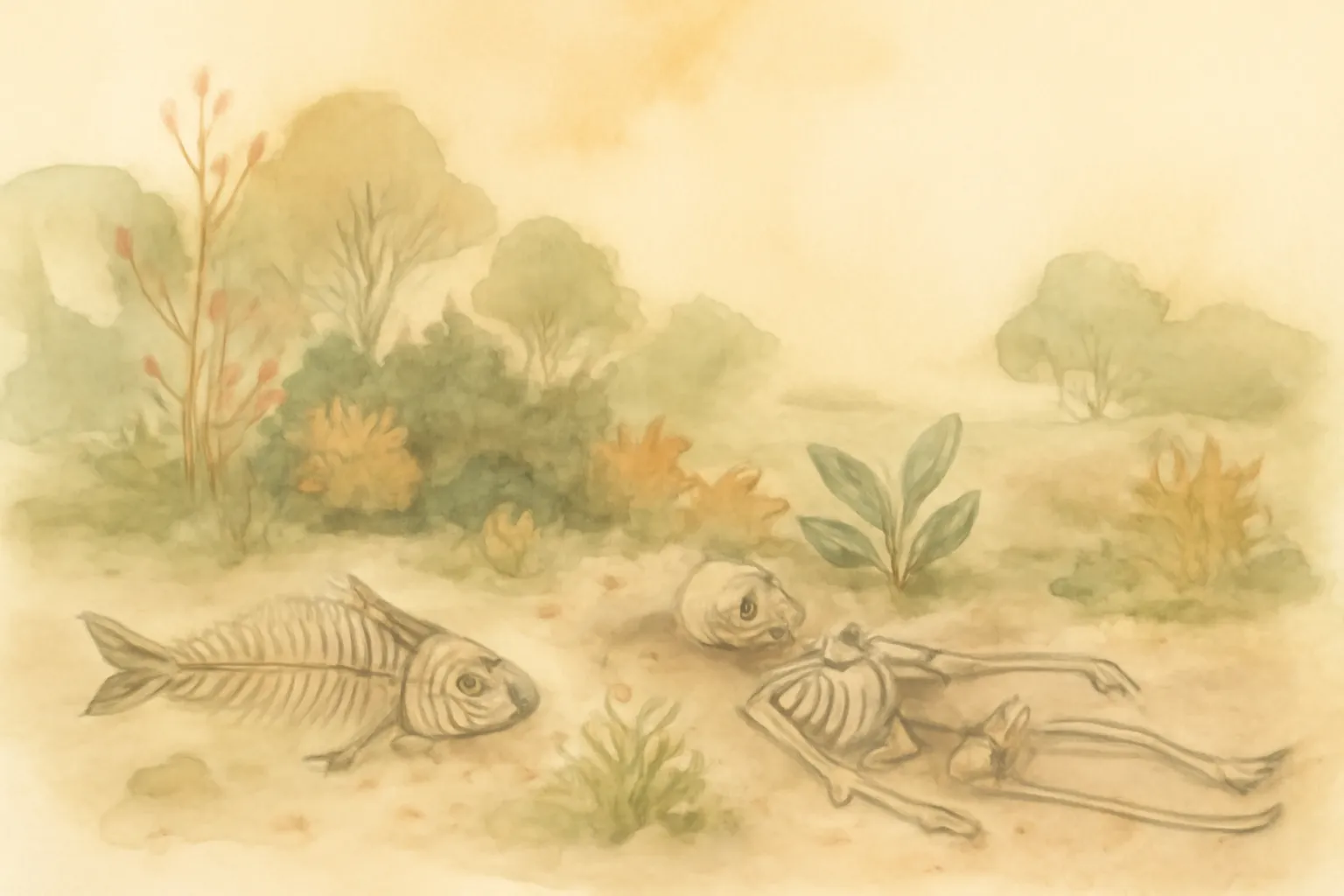
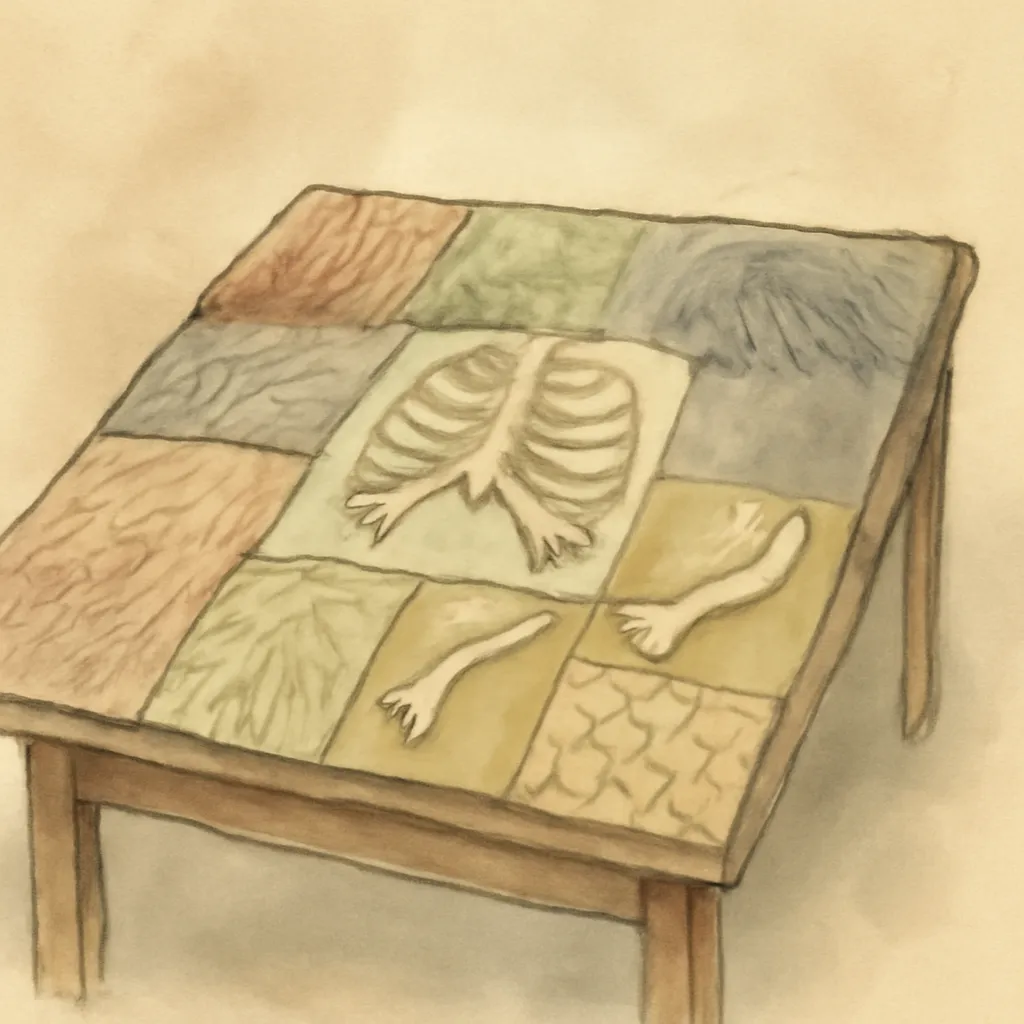
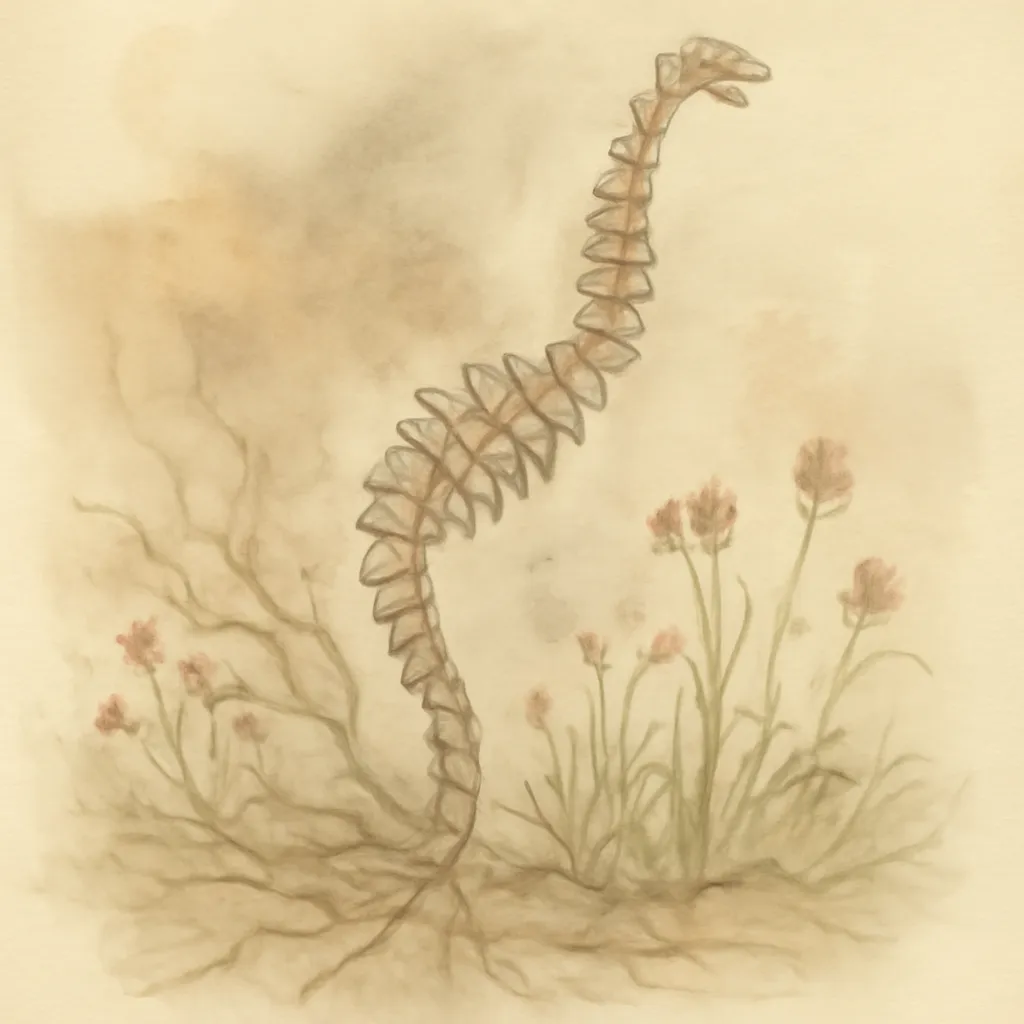
Shubin argues that our bodies are a patchwork of evolutionary innovations layered over millions of years. Features we take for granted—like our limbs, senses, and even vulnerabilities—can be traced to ancient fish, amphibians, and even simpler organisms. This mosaic nature explains both our strengths and our biological quirks, reframing human anatomy as a living archive of evolutionary experiments.
2.Fossils and Genes: Two Windows into the Past
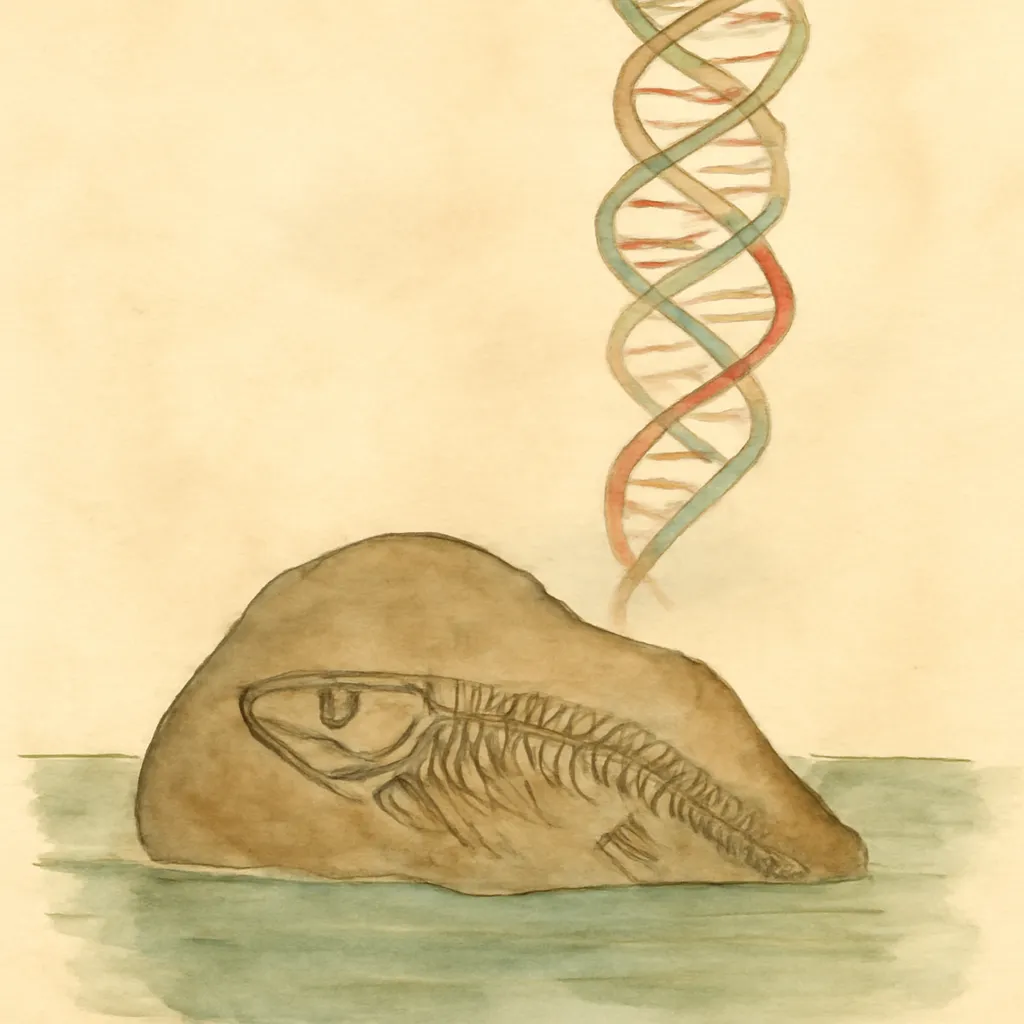
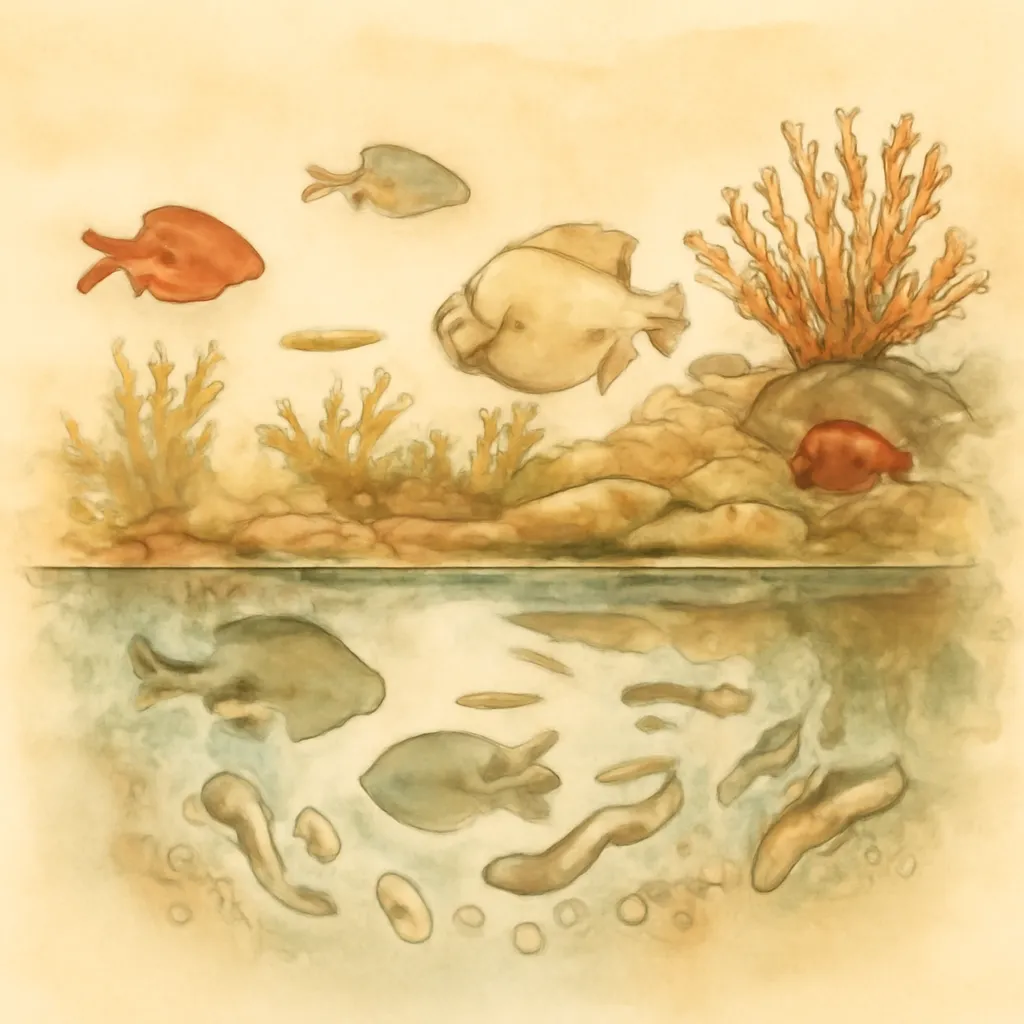
The book emphasizes how fossils and genetics complement each other in reconstructing our evolutionary story. Fossils like Tiktaalik, which Shubin helped discover, illuminate the transition from water to land. Genetic evidence, meanwhile, reveals how ancient developmental programs are reused and modified, connecting us to worms, flies, and fish at the molecular level. Together, these lines of evidence make the case for our deep kinship with all life.
3.Anatomical Surprises: Hands, Heads, and Hiccups
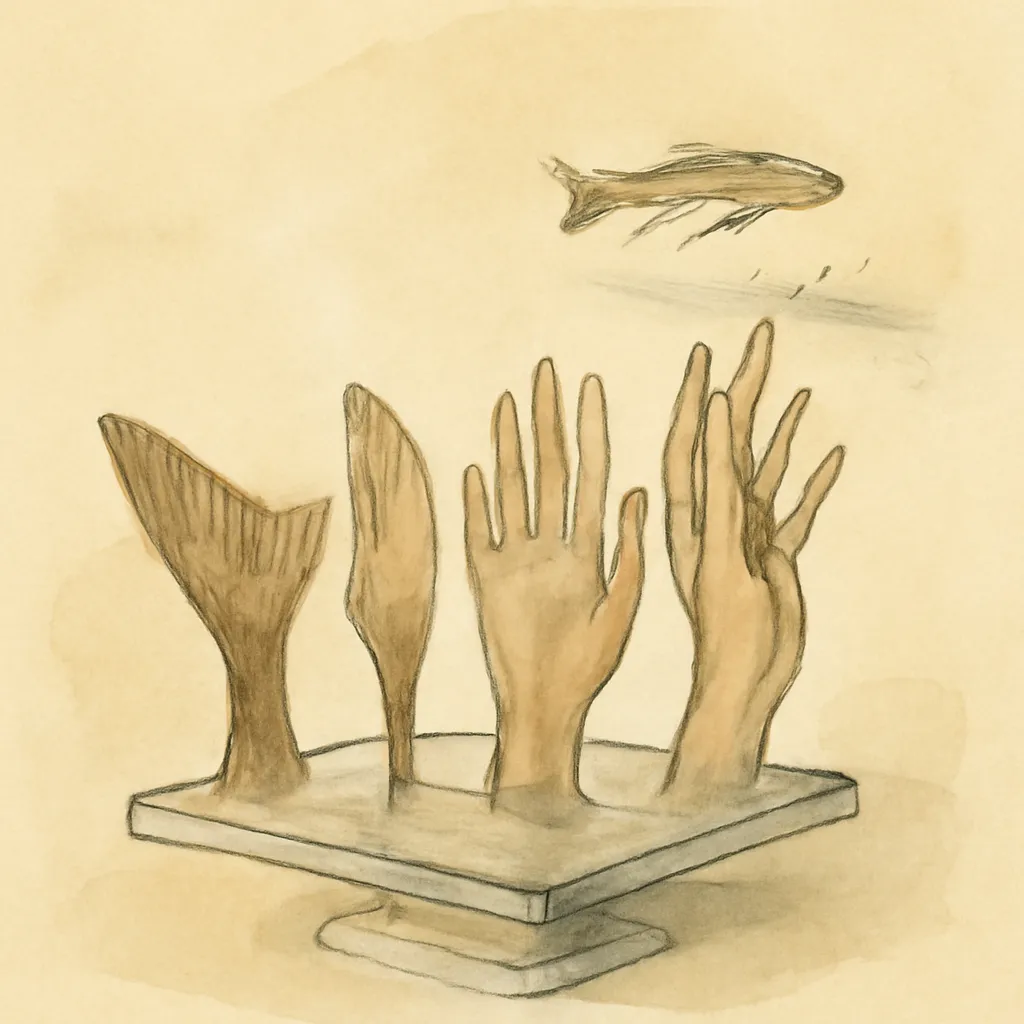
Shubin explores the unexpected evolutionary origins of familiar body parts and functions. For example, the structure of our hands mirrors the fins of lobe-finned fish, and the organization of our heads traces back to jawless fish. Even everyday phenomena like hiccups are relics of our amphibian ancestry. These connections reveal the contingent, often imperfect nature of evolution.
4.Evolution and Human Health
Understanding our evolutionary history sheds light on modern health issues. Many common ailments—hernias, back pain, sleep apnea—are the result of evolutionary trade-offs or ancient adaptations that are mismatched to modern life. Shubin argues that medicine benefits from an evolutionary perspective, helping us understand not just how our bodies work, but why they sometimes fail.
5.Science as Detective Work
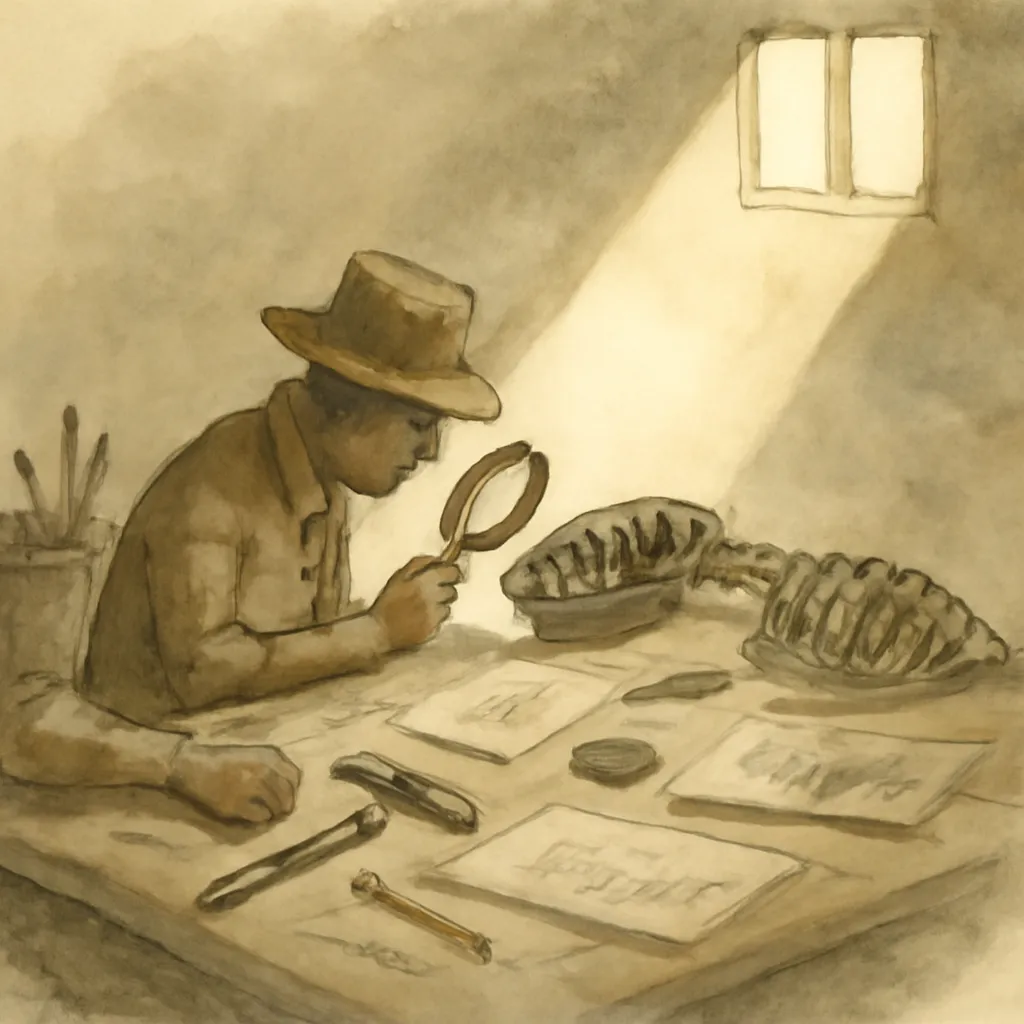
Shubin’s narrative highlights the process of scientific discovery, portraying paleontology and evolutionary biology as detective work that requires creativity, persistence, and collaboration. The search for transitional fossils like Tiktaalik is depicted as a mix of hypothesis-driven exploration and serendipity, making the science accessible and exciting for readers.
6.The Universality of Life
A recurring theme is the unity of life: the same genetic and anatomical building blocks are repurposed across vastly different species. Shubin shows that the boundaries between humans, fish, and even bacteria are more porous than we imagine, emphasizing our place within the broader tapestry of life on Earth.