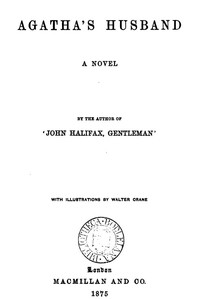

In 'Agatha's Husband,' Dinah Maria Mulock Craik explores the complexities of love, independence, and the societal expectations of marriage through the life of a spirited young woman
Read full overviewShow less›
Agatha Bowen, a young woman of independent means, grapples with the expectations of society and her own desires in 'Agatha's Husband.' Through a series of interactions with her friends, family, and eventual husband, Nathanael Harper, the narrative unfolds the subtleties of love, the tension between independence and partnership, and the societal pressures surrounding marriage. This novel intricately examines the emotional landscapes of its characters, revealing their vulnerabilities and strengths as they navigate the trials of love and commitment. Readers will encounter a rich tapestry of relationships that challenge conventional norms, ultimately leading to a poignant exploration of what it means to truly connect with another person in a world that often prioritizes appearances over genuine affection.
In 'Agatha's Husband,' Dinah Maria Mulock Craik intricately weaves a narrative that explores the depths of love, independence, and societal expectations. Through Agatha's journey, readers are invited to reflect on their own experiences with love and the complexities that accompany it. The novel challenges the notion of marriage as the ultimate goal for women, advocating for a more nuanced understanding of relationships that embrace both partnership and personal identity. Ultimately, Agatha's story is a testament to the enduring power of love, the importance of self-discovery, and the necessity of forgiveness in forging meaningful connections. This rich exploration of human emotions and relationships continues to resonate, making it a timeless and relevant read.
- 1Agatha's Unique Character
- 2Societal Pressures on Marriage
- 3The Complexity of Love
- 4The Role of Friendship
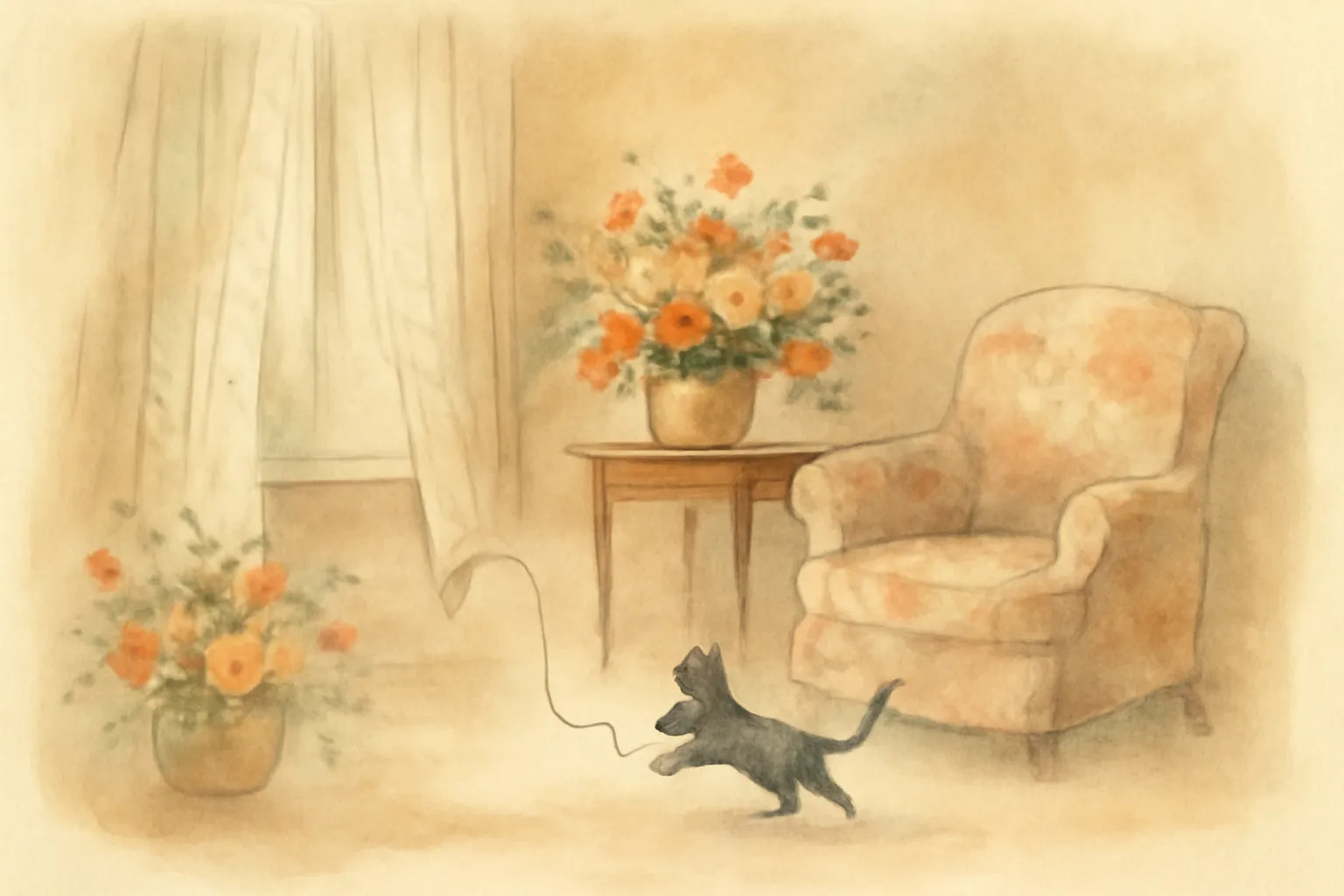
- 5The Symbolism of the Black Kitten
A glimpse inside

Agatha Bowen embodies the essence of her name: a good-hearted individual with a touch of roughness that sets her apart from the sentimental norms of her time. Read moreAgatha Bowen embodies the essence of her name: a good-hearted individual with a touch of roughness that sets her apart from the sentimental norms of her time. At nineteen, she is both playful and serious, showing a childlike demeanor while grappling with the expectations of adulthood. Agatha's independent spirit is further emphasized by her refusal to conform to societal norms that dictate her path. Despite being moderately wealthy and possessing her own suite of rooms, she often finds herself isolated, filled with ennui. Her character is marked by a series of humorous yet scornful interactions with her friends, who are eager to find her a husband. This juxtaposition of her vibrant spirit against the backdrop of societal expectations creates a compelling tension that drives the narrative forward. Agatha’s journey is not just about finding love, but also about discovering her own identity amidst societal pressures. Show less
The narrative highlights the relentless pressure on women to marry, as seen through the interactions in Agatha's drawing-room, where her friends discuss potential suitors… Read moreThe narrative highlights the relentless pressure on women to marry, as seen through the interactions in Agatha's drawing-room, where her friends discuss potential suitors for her. Mrs. Hill and Mrs. Thornycroft, representing societal norms, are anxious for Agatha to secure a husband, reflecting the prevailing belief that a woman's worth is tied to her marital status. Their insistence reveals a deep-seated fear of being single, as they recount the 'excellent matches' Agatha has supposedly thrown away. Agatha's amusement at their matchmaking efforts underscores her independence but also hints at an underlying desire for connection and companionship. This societal pressure is not merely a backdrop; it actively shapes Agatha's experiences and decisions, forcing her to confront her own desires versus societal expectations. The novel critiques this pressure, illustrating how it limits women's choices and autonomy, and ultimately questions the notion of marriage as the sole avenue for a woman's success and happiness. Show less
Read the full text — free
About the author
Dinah Maria Mulock Craik has 2 works free to read on Lumina, including Olive: A Novel
All 2 books by Dinah Maria Mulock Craik →