1.Agatha's Unique Character
Agatha Bowen embodies the essence of her name: a good-hearted individual with a touch of roughness that sets her apart from the sentimental norms of her time. At nineteen, she is both playful and serious, showing a childlike demeanor while grappling with the expectations of adulthood. Agatha's independent spirit is further emphasized by her refusal to conform to societal norms that dictate her path. Despite being moderately wealthy and possessing her own suite of rooms, she often finds herself isolated, filled with ennui. Her character is marked by a series of humorous yet scornful interactions with her friends, who are eager to find her a husband. This juxtaposition of her vibrant spirit against the backdrop of societal expectations creates a compelling tension that drives the narrative forward. Agatha’s journey is not just about finding love, but also about discovering her own identity amidst societal pressures.
2.Societal Pressures on Marriage
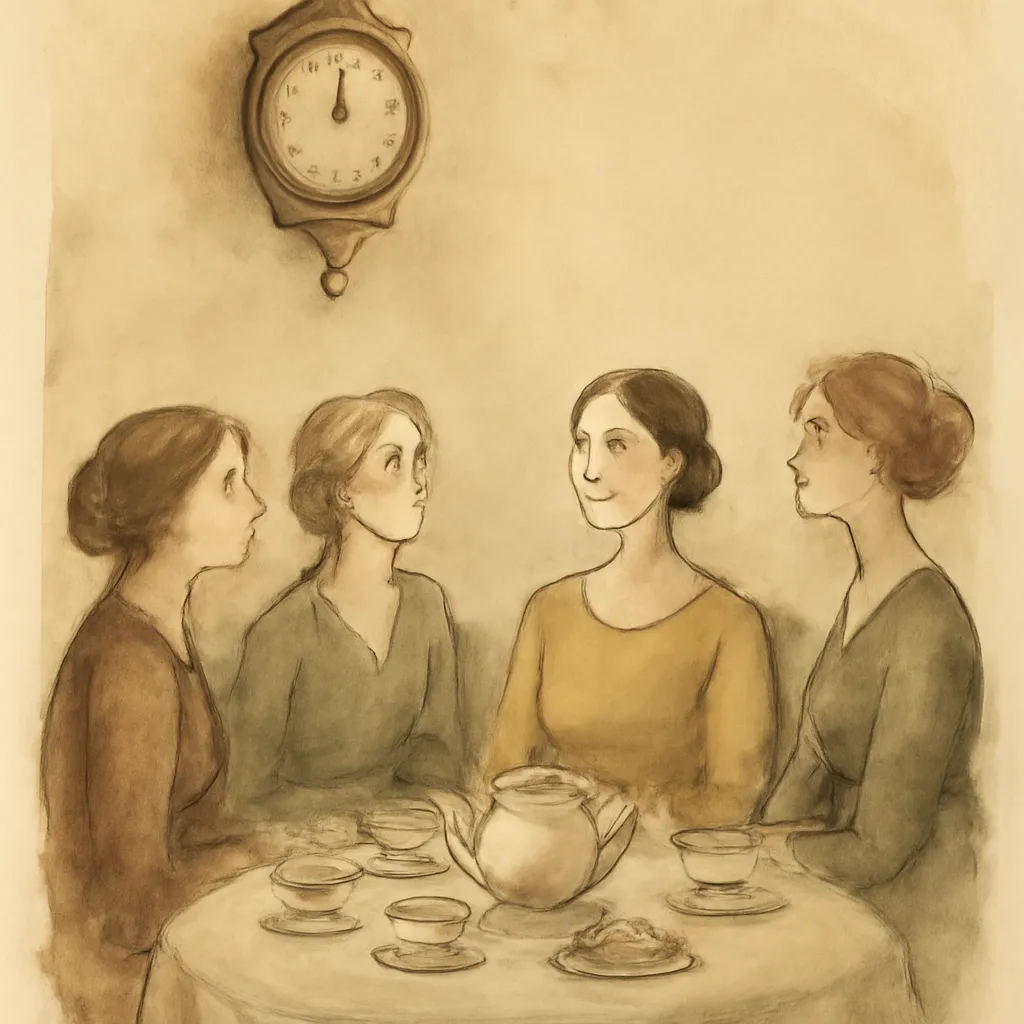
The narrative highlights the relentless pressure on women to marry, as seen through the interactions in Agatha's drawing-room, where her friends discuss potential suitors for her. Mrs. Hill and Mrs. Thornycroft, representing societal norms, are anxious for Agatha to secure a husband, reflecting the prevailing belief that a woman's worth is tied to her marital status. Their insistence reveals a deep-seated fear of being single, as they recount the 'excellent matches' Agatha has supposedly thrown away. Agatha's amusement at their matchmaking efforts underscores her independence but also hints at an underlying desire for connection and companionship. This societal pressure is not merely a backdrop; it actively shapes Agatha's experiences and decisions, forcing her to confront her own desires versus societal expectations. The novel critiques this pressure, illustrating how it limits women's choices and autonomy, and ultimately questions the notion of marriage as the sole avenue for a woman's success and happiness.
3.The Complexity of Love

Agatha's journey into love is fraught with confusion and self-discovery. When she receives her first love letter from Nathanael Harper, it is a moment that encapsulates the blend of excitement and anxiety that comes with new affection. Unlike her past experiences, this letter stirs genuine feelings within her, prompting deep reflection on her own heart. However, her initial response is one of resistance; she grapples with the fear of vulnerability and the implications of love. Agatha's impulsive thoughts often lead her to assume the worst about Nathanael's intentions, reflecting her internal struggle with trust. This complexity is further deepened by her past disappointments, which shape her perspective on relationships. The narrative poignantly captures the bittersweet nature of first love, showcasing how Agatha's struggle to reconcile her feelings with her independence creates a rich emotional landscape. Love, as depicted in Craik's work, is not merely a romantic ideal but a profound and sometimes terrifying experience that challenges one's sense of self.
4.The Role of Friendship

Friendship plays a crucial role in Agatha's development and understanding of love. Her interactions with characters like Mrs. Ianson and Mrs. Thornycroft reveal the importance of companionship in navigating the complexities of life. These friendships provide Agatha with both support and a sounding board for her thoughts and feelings, especially as they navigate their roles as wives. Yet, the contrasting desires for companionship and independence become evident; while her friends push her towards marriage, Agatha often finds solace in her own company and playful affection for her black kitten. The friendships in the narrative also serve as a contrast to her romantic relationships, illustrating that not all love is romantic and that friendships can be equally vital in shaping one's identity and emotional well-being. The tension between these relationships adds layers to Agatha’s character, emphasizing that her journey is not solely about finding a husband but also about forging meaningful connections with others.
5.The Symbolism of the Black Kitten

Agatha's black kitten serves as a poignant symbol throughout the narrative, representing her innocence, playfulness, and the complexities of her character. The kitten is her loyal companion during moments of solitude, echoing Agatha's struggles with loneliness and her desire for companionship without the constraints of societal expectations. It is through her interactions with the kitten that Agatha expresses her whimsical, childlike side, providing a contrast to her serious contemplations about love and marriage. The kitten symbolizes Agatha’s nurturing essence, as she cares for it with tenderness, reflecting her capacity for love and devotion. However, the kitten's presence also highlights Agatha's reluctance to embrace the responsibilities that come with adult relationships. The duality of the kitten as both a symbol of freedom and of the potential burdens of love adds depth to Agatha's character, encapsulating the challenges of balancing independence with the longing for connection.
6.The Tension Between Independence and Partnership

As Agatha navigates her feelings for Nathanael, the tension between her desire for independence and the societal expectation of partnership becomes increasingly pronounced. She is a woman of means, yet she struggles with the idea of relinquishing her autonomy in marriage. This internal conflict is vividly illustrated in her thoughts and actions, as she grapples with the implications of becoming Mrs. Harper. Agatha's reluctance to fully embrace her role as a wife stems from a fear of losing her identity and freedom. This conflict highlights the broader societal struggle that many women faced during the period, where marriage was often seen as a loss of self. The narrative delves into this tension, showcasing how Agatha's journey toward love is also a journey toward understanding what it means to share one's life with another while retaining one's identity. Ultimately, this exploration of independence versus partnership resonates with readers, reminding them that love should not come at the expense of selfhood.
7.The Impact of Family Dynamics
Family dynamics play a significant role in shaping Agatha and Nathanael's relationship. The presence of Nathanael's brother, Major Harper, introduces complications that affect their interactions and emotional states. The tension between the brothers, particularly surrounding their father's expectations and health, adds a layer of complexity to Nathanael's character. Agatha's relationship with her own family, or lack thereof, further emphasizes her independence and the challenges she faces in forming new familial bonds through marriage. The contrasting family structures highlight the varying influences of family on individual choices and relationships, illustrating how familial expectations can both support and hinder personal happiness. Major Harper's complex relationship with their father exemplifies the broader theme of familial obligation, which often conflicts with personal desires. This exploration of family dynamics serves to deepen the reader's understanding of the characters and emphasizes the interconnectedness of love and familial ties.
8.The Journey of Self-Discovery
Agatha's character arc is fundamentally a journey of self-discovery. As she transitions from a carefree young woman to a married individual, she confronts her fears, desires, and insecurities. This transformation is not linear; it is marked by moments of doubt and clarity that lead her to a deeper understanding of herself. Agatha's reflections on her marriage and her role as a wife reveal her internal struggles with identity and fulfillment. This journey of self-discovery is universal, resonating with readers as they witness Agatha navigate the complexities of love, societal expectations, and personal growth. Her evolution serves as a reminder that the path to understanding oneself is often fraught with challenges but ultimately leads to a more profound sense of purpose and connection. As Agatha learns to balance her independent spirit with her new role as a wife, her journey becomes a powerful testament to the transformative power of love.
9.The Nature of Forgiveness

Forgiveness is a central theme that emerges in the aftermath of misunderstandings and conflicts between Agatha and Nathanael. The couple faces challenges that test their bond, particularly when external circumstances threaten their relationship. Agatha's initial reactions to Nathanael's actions reflect her struggle to trust and forgive, mirroring her internal conflict over vulnerability. The narrative explores how forgiveness is not merely an act but a process that requires introspection, empathy, and communication. As Agatha navigates her feelings of hurt and betrayal, the story illustrates the necessity of forgiveness in sustaining love and partnership. This theme resonates deeply, showcasing how relationships can endure through trials when both parties are willing to engage in the difficult work of reconciliation. The journey towards forgiveness is fraught with emotional turmoil, yet it is ultimately through these struggles that Agatha and Nathanael learn to build a stronger foundation for their love.
10.The Significance of Place

The settings in 'Agatha's Husband' serve as more than mere backdrops; they reflect the emotional landscapes of the characters. From the genteel drawing-room where Agatha entertains her friends to the pastoral beauty of Kingcombe Holm, each location encapsulates the essence of the characters' experiences. The contrast between urban London and the serene countryside mirrors Agatha's internal conflict between societal expectations and her yearning for authenticity. As the couple transitions to their new home, the environment becomes a character in its own right, influencing their relationship dynamics and personal growth. The descriptions of Kingcombe Holm evoke a sense of tranquility and solace, providing a stark contrast to Agatha's earlier life filled with social pressures. This emphasis on place underscores the idea that our surroundings profoundly shape our identities and relationships, reinforcing the notion that love flourishes in nurturing environments. Ultimately, the significance of place in the narrative serves to deepen the reader's engagement with the characters' emotional journeys.