Romance · Fiction · Short Reads
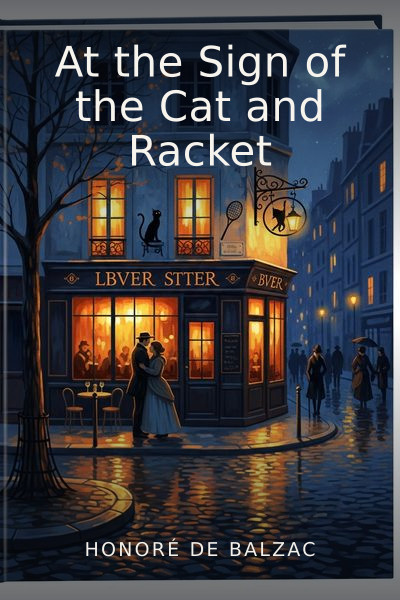
At the Sign of the Cat and Racket by Honoré de Balzac — Summary, Key Ideas & Full Text
71 pages6 chapters1h 26m read1h 1m speed read✦ 9-min Big ideasFree · no account
Rate it
A poignant exploration of love, ambition, and the constraints of societal expectations in 19th-century Paris
At the Sign of the Cat and Racket is a rich narrative that delves into the complexities of love and the social restrictions that bind individuals. Set against the backdrop of Parisian life, the novel presents a vivid portrait of its characters, particularly focusing on the struggles of a young woman, Augustine, as she navigates her affections for a passionate painter, Théodore de Sommervieux. The story intricately weaves themes of ambition, familial duty, and romantic longing, revealing how personal desires can collide with the harsh realities of societal judgment. Readers will find themselves drawn into the world of the Guillaumes, a family bound by tradition and the expectations of a mother whose rigidity stifles her daughters' aspirations. This summary captures the essence of Balzac's exploration of love's trials, illuminating the bittersweet nature of human relationships in a rapidly changing society.
At the Sign of the Cat and Racket is a poignant exploration of the interplay between love, ambition, and societal expectations in 19th-century Paris. Through the struggles of Augustine and her family, Balzac reveals the intricate dynamics of personal relationships shaped by external pressures. The novel serves as a critique of the rigid societal structures that dictate individual worth and happiness, particularly for women. As Augustine navigates her journey of self-discovery amidst betrayal and disillusionment, readers are left with a profound understanding of the complexities of love and the relentless pursuit of personal fulfillment. Balzac's narrative resonates with contemporary audiences, reminding us of the enduring challenges of balancing personal desires with societal expectations.
Honoré de Balzac has 2 works free to read on Lumina, including Father Goriot
All 2 books by Honoré de Balzac →