
Fiction
Father Goriot by Honoré de Balzac — Summary, Key Ideas & Full Text
344 pages29 chapters6h 54m read4h 54m speed read✦ 8-min Big ideasFree · no account
Rate it
In a world ruled by ambition and vanity, the love of a father can illuminate the darkest corners of human greed and desire
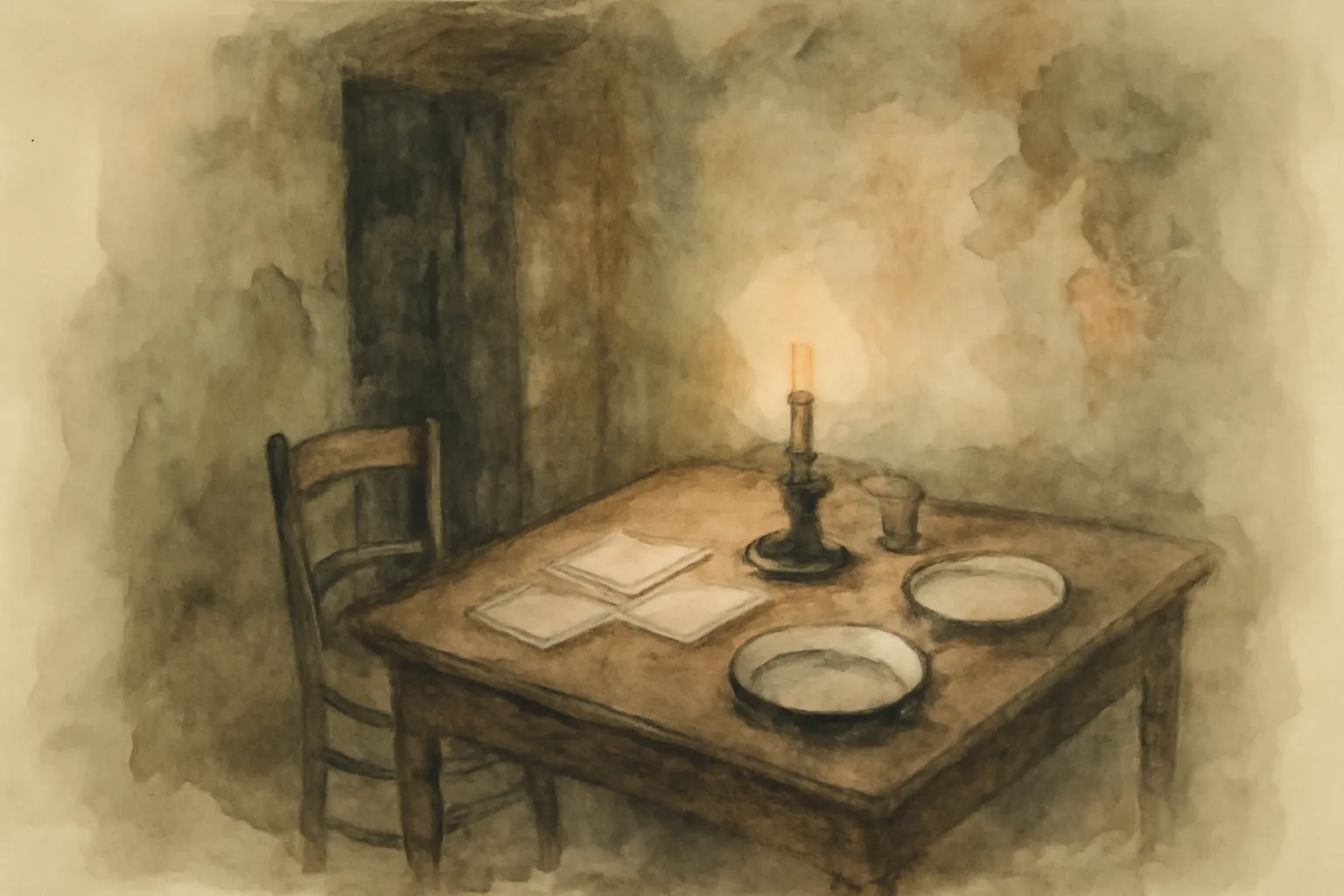
Honoré de Balzac's 'Father Goriot' delves into the intricate web of social ambition, familial loyalty, and the ruthless pursuit of wealth in early 19th-century Paris. Through the tragic figure of Goriot, a father who sacrifices everything for his daughters, and Eugène de Rastignac, a young man navigating the treacherous waters of Parisian society, the novel offers a poignant exploration of love, sacrifice, and the moral compromises that accompany the quest for success. Readers will be drawn into a vivid portrayal of life in a boarding house that serves as a microcosm of society, where the characters' ambitions and desires collide in dramatic and often heartbreaking ways. Balzac's rich characterizations and keen social observations make this work both a compelling narrative and a timeless commentary on the human condition.
In 'Father Goriot,' Balzac masterfully intertwines themes of ambition, love, and sacrifice, creating a rich tapestry that reflects the complexities of human nature. The characters' struggles serve as a mirror for readers, prompting introspection about their own ambitions and the costs associated with them. The novel's exploration of social dynamics and the moral dilemmas faced by its characters remains relevant, resonating with contemporary audiences as they navigate their own paths in a society driven by ambition and desire. Ultimately, Balzac's work challenges readers to consider the true meaning of success and the importance of authentic connections, making 'Father Goriot' a timeless classic that continues to inspire and provoke thought.
Honoré de Balzac has 2 works free to read on Lumina, including At the Sign of the Cat and Racket
All 2 books by Honoré de Balzac →