1.The Tragedy of Father Goriot
Father Goriot, once a prosperous vermicelli maker, is reduced to a shadow of his former self, living in a shabby boarding house in Paris. His downfall is intricately tied to his love for his two daughters, Delphine and Anastasie, who have married into the aristocracy. Goriot's sacrifices for his daughters, including his financial stability and social standing, highlight the theme of paternal devotion. Despite his unwavering love, his daughters' pursuit of wealth and status ultimately leads to his isolation and neglect. Balzac paints a tragic portrait of a man whose love becomes his undoing, illustrating how familial bonds can be both a source of strength and a catalyst for personal ruin.
2.Eugène de Rastignac's Ambition
Eugène de Rastignac, a law student from a modest background, arrives in Paris with dreams of success and social ascension. His journey through the complexities of Parisian society serves as a lens through which Balzac critiques the moral landscape of his time. Eugène's initial idealism is soon challenged by the harsh realities of ambition and the sacrifices it demands. As he becomes entangled with the wealthy and powerful, including Goriot's daughters, his moral compass begins to shift. Rastignac's character arc reflects the seductive nature of ambition and the ethical compromises that often accompany it, making him a relatable figure for any reader who has grappled with the allure of success.
3.The Boarding House as a Microcosm
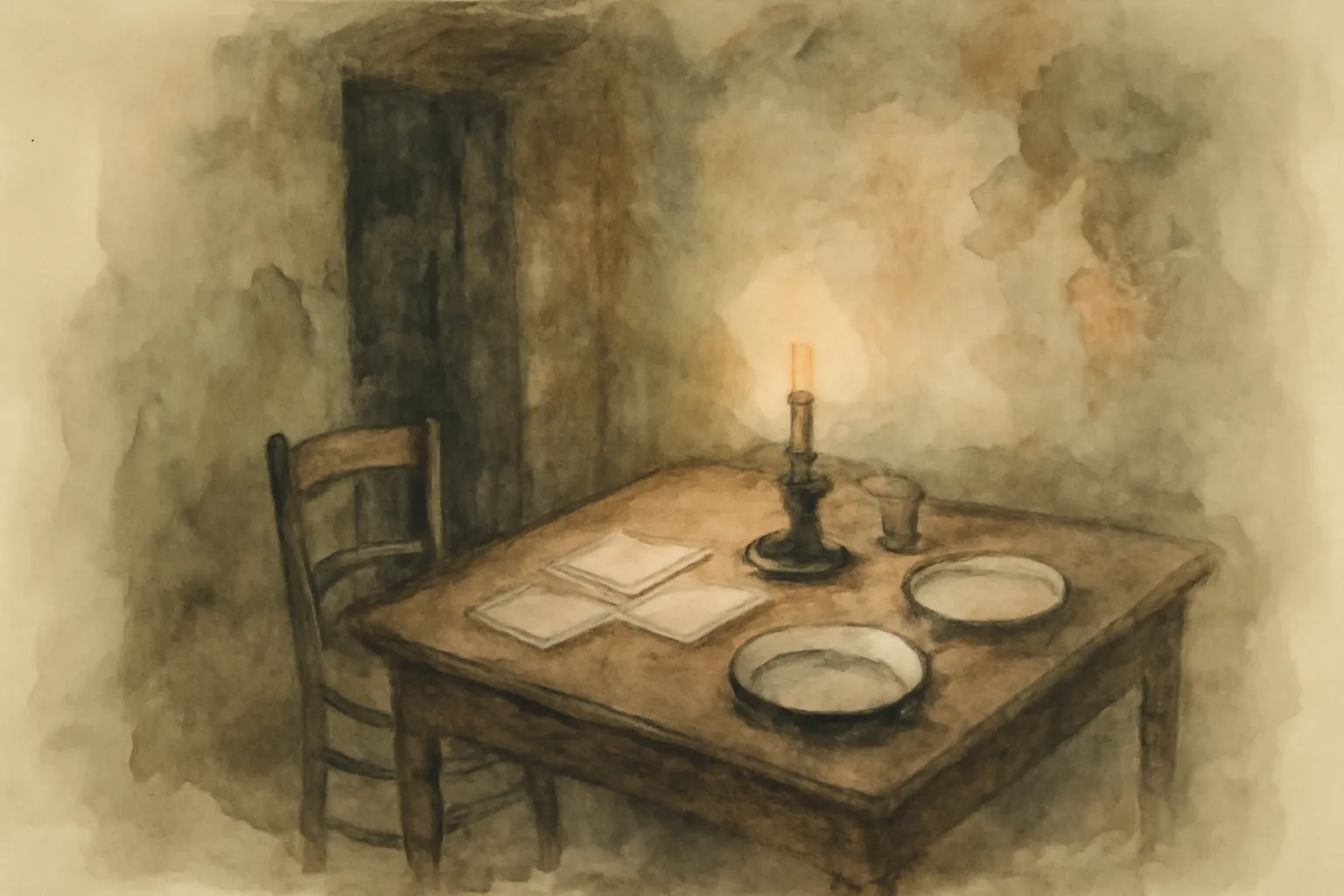
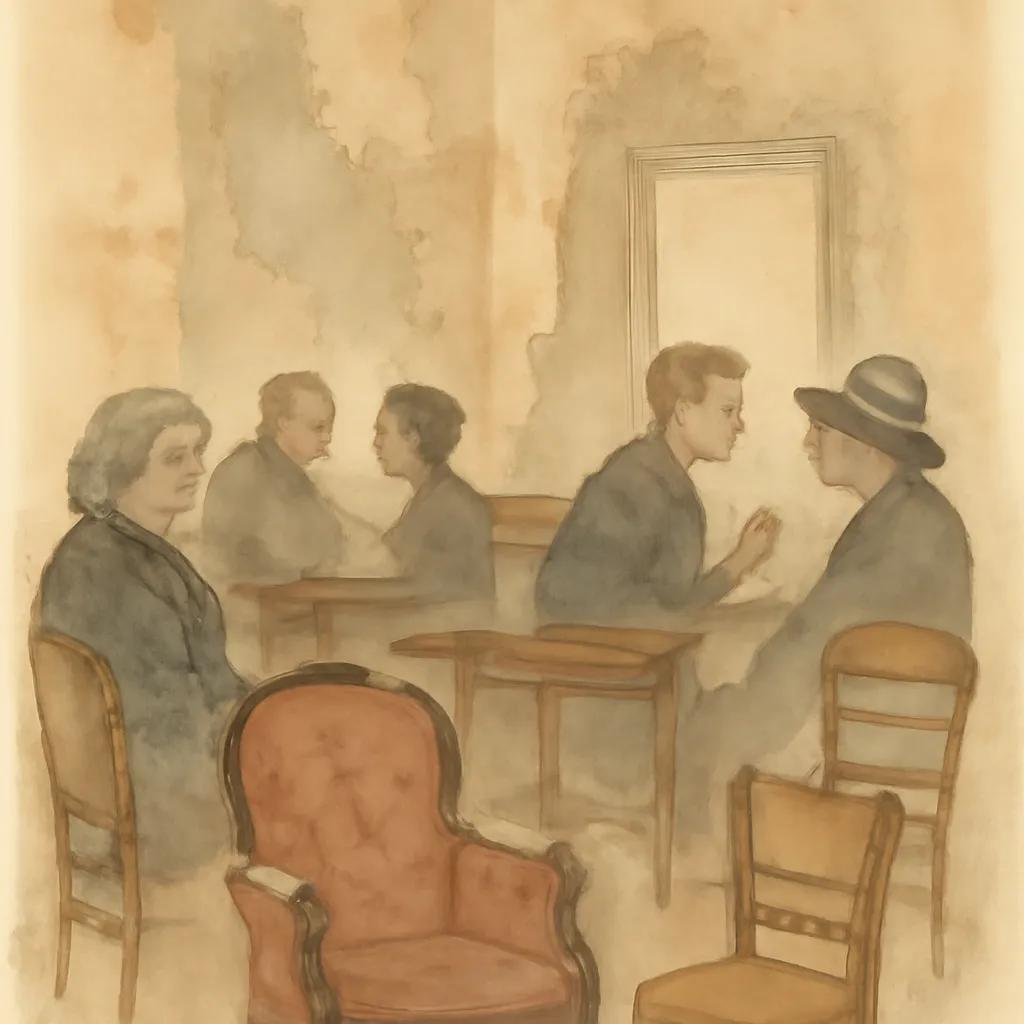
The Maison Vauquer, where Goriot and Rastignac reside, serves as a microcosm of Parisian society, reflecting the diverse social strata and the struggles of its inhabitants. Mme. Vauquer, the boarding house's proprietor, is a figure of both respectability and opportunism, managing to attract boarders from various backgrounds. The eclectic mix of characters, including the elderly Mlle. Michonneau and the mysterious Vautrin, creates a rich tapestry that illustrates the complexities of human relationships in a competitive environment. Each boarder represents different facets of ambition, desire, and moral ambiguity, allowing Balzac to explore how societal pressures shape individual choices and relationships.
4.The Role of Women in Society
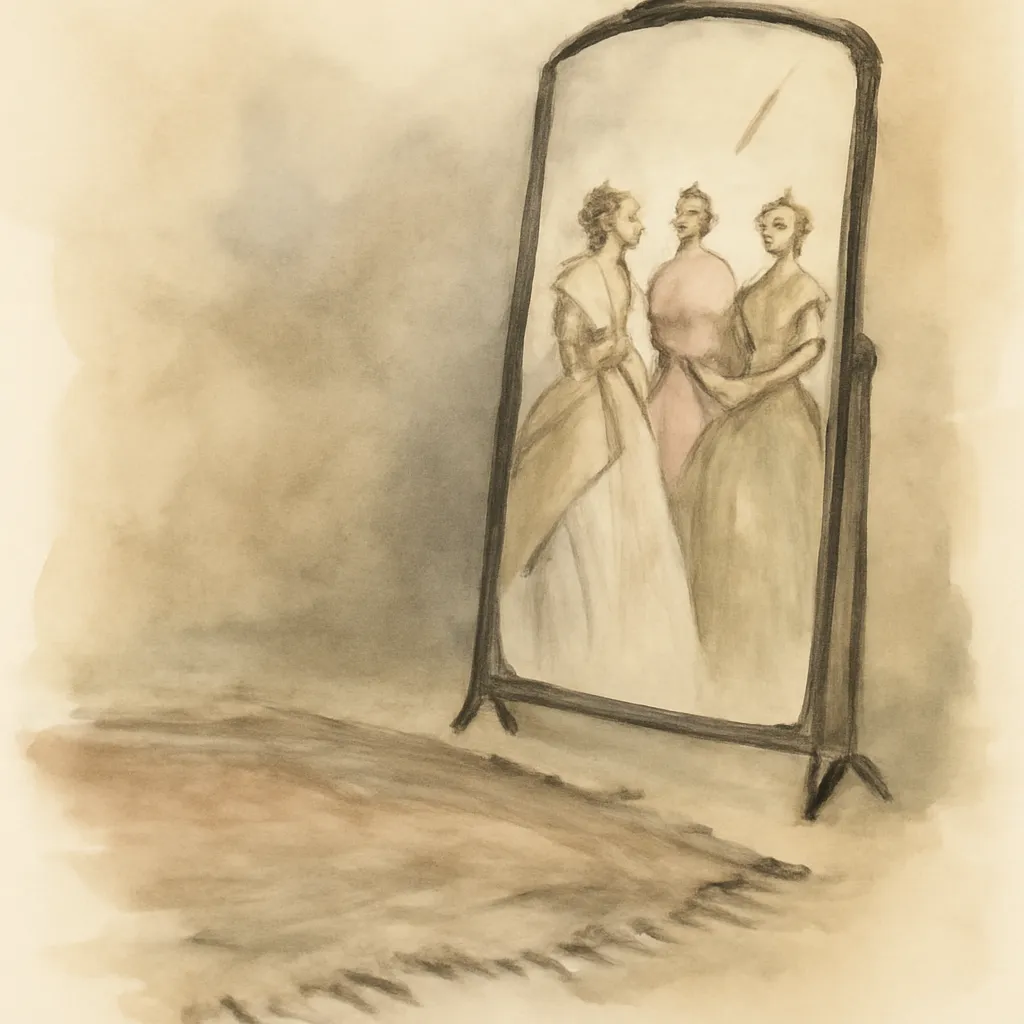
Balzac's portrayal of women in 'Father Goriot' reveals the limited options available to them in a patriarchal society. Delphine and Anastasie, while initially seeming to have achieved their goals through marriage, are ultimately constrained by the expectations and demands of their husbands. Their struggles reflect the societal pressures faced by women, who often must choose between personal happiness and social advancement. Through their characters, Balzac critiques the institution of marriage as a means of social mobility, exposing the sacrifices women make to navigate a world dominated by men. This exploration of gender dynamics adds depth to the narrative, highlighting the complexities of female ambition and the societal constraints that hinder their agency.
5.Vautrin: The Enigmatic Manipulator
Vautrin, a charismatic and cunning character, embodies the darker aspects of ambition and manipulation. His presence in the boarding house introduces themes of crime and moral ambiguity, as he offers Rastignac a path to wealth through less than honorable means. Vautrin's character serves as a foil to Goriot's paternal love, illustrating the seductive nature of power and the lengths individuals will go to achieve their desires. His schemes and philosophical musings challenge Rastignac to reconsider his moral stance, forcing the young man to confront the ethical implications of his ambitions. Vautrin's role in the narrative is crucial, as he embodies the tension between ambition and morality, pushing Rastignac toward a crossroads that will define his future.
6.Social Climbing and Its Consequences
The relentless pursuit of social status is a central theme in 'Father Goriot,' as characters navigate the treacherous waters of Parisian high society. Rastignac's interactions with the wealthy highlight the superficiality and moral vacuity that often accompany social climbing. As he becomes more entrenched in this world, Rastignac grapples with the sacrifices required to maintain his position and the impact of his choices on those around him. Balzac illustrates how ambition can lead to moral compromise, as characters prioritize wealth and status over genuine relationships and ethical considerations. This theme resonates with contemporary readers, as it reflects the ongoing struggle between personal integrity and societal expectations.
7.The Illusion of Wealth and Happiness
Balzac deftly explores the illusion that wealth brings happiness, as characters in 'Father Goriot' grapple with the emptiness of their pursuits. Goriot's daughters, though seemingly successful, are ultimately unhappy and unfulfilled, revealing the hollowness of their social aspirations. Their relationships with their father and each other become strained as they prioritize material gain over familial bonds. This disillusionment serves as a cautionary tale about the dangers of equating wealth with worth, as Balzac challenges the reader to consider the true sources of happiness. The novel's portrayal of wealth as a double-edged sword emphasizes the importance of authentic connections and the perils of losing oneself in the pursuit of status.
8.The Complexity of Human Relationships
At its core, 'Father Goriot' is a profound exploration of human relationships, marked by love, sacrifice, and betrayal. Balzac intricately weaves the lives of his characters together, revealing how their ambitions and desires intersect and clash. The bonds between Goriot and his daughters, as well as Rastignac's evolving connections with both women and men, highlight the complexities of love and loyalty. The novel demonstrates that relationships are often fraught with tension and misunderstanding, as characters navigate their own aspirations while trying to maintain connections with others. This exploration of human dynamics adds depth to the narrative, inviting readers to reflect on their own relationships and the motivations that drive them.
9.The Power of Sacrifice
Sacrifice is a recurring motif in 'Father Goriot,' as characters grapple with the costs of their ambitions. Goriot's unconditional love for his daughters exemplifies the theme of sacrifice, as he willingly gives up his own well-being for their happiness. This selflessness stands in stark contrast to the self-serving nature of the society surrounding him, where individuals often prioritize personal gain over familial bonds. Balzac uses Goriot's sacrifices to illustrate the profound impact of love and the lengths to which a parent will go for their children. However, the novel also reveals the potential consequences of such sacrifices, as Goriot's devotion ultimately leads to his own isolation and despair, prompting readers to consider the balance between selflessness and self-preservation.
10.The Cruelty of Social Expectations
Balzac's depiction of Parisian society unveils the cruelty inherent in social expectations and the pressures individuals face to conform. Characters like Rastignac and Goriot are constantly navigating a landscape where appearances and status dictate their worth. The relentless pursuit of social acceptance forces characters to make difficult choices, often at the expense of their integrity and relationships. Balzac critiques this societal framework, exposing the moral dilemmas that arise when individuals prioritize social standing over authenticity. The novel serves as a powerful commentary on the impact of societal norms on individual behavior, prompting readers to reflect on the ways in which social expectations shape their own lives.