1.The Architectural Symbolism of Parisian Life
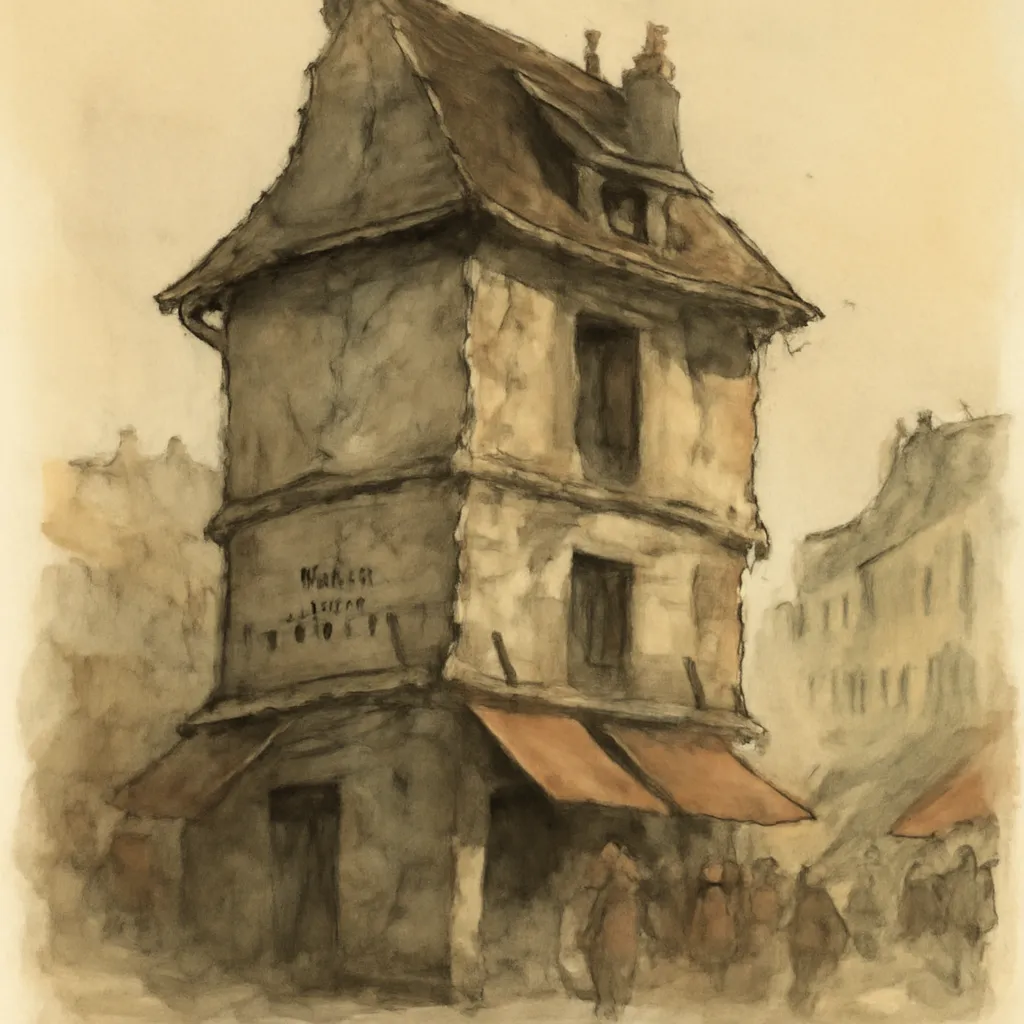
The novel opens with a detailed description of a decrepit house on Rue Saint-Denis, serving as a metaphor for the social fabric of Paris. This tumbledown abode, with its intricate beams and crumbling plaster, reflects the complexities and contradictions of urban life in the 19th century. The house’s age and wear signify the passage of time and the fading grandeur of old Paris, paralleling the characters' struggles against societal decay. Balzac uses architectural details to evoke nostalgia and to comment on the changes in Parisian society, where the past and present collide. This setting becomes a character in itself, embodying the history and aspirations of its inhabitants, much like the Guillaumes who are both defined by and attempting to break free from their familial and social constraints.
2.Madame Guillaume: The Embodiment of Maternal Authority
Madame Guillaume is a formidable presence in the novel, representing the strict and often oppressive nature of maternal authority. Her character is defined by rigid piety and an unwavering adherence to societal norms, which she imposes on her daughters. Described as the 'portress nun,' her austere demeanor and judgmental nature create a stifling environment for Virginie and Augustine. Balzac paints her as a figure whose authoritarian rule over her daughters stifles their individuality and aspirations. Through Madame Guillaume, Balzac critiques the societal expectations placed on women, illustrating how such pressures can lead to emotional and spiritual suffocation. Her interactions with her daughters reveal the tension between the desire for personal freedom and the weight of familial duty, a theme that resonates throughout the narrative.
3.The Contrast Between Virginie and Augustine
The two sisters, Virginie and Augustine, embody different responses to their mother's rigid upbringing. Virginie, though resembling her mother in appearance and demeanor, is patient and gentle, often deferring to the authority of Madame Guillaume. In contrast, Augustine, the younger sister, is characterized by her delicate beauty and spirited nature, which sets her apart from the constraints of her upbringing. While Virginie accepts her role within the family structure, Augustine yearns for a life beyond the confines of the counting-house, dreaming of love and artistic expression. This juxtaposition highlights the varying degrees of rebellion against maternal authority and societal expectations. Augustine's desire for personal agency becomes a focal point of the narrative, as she navigates her feelings for Théodore and the limitations imposed upon her by her family.
4.The Painter's Passion: Théodore de Sommervieux
Théodore de Sommervieux serves as the embodiment of artistic ambition and romantic longing within the novel. His passionate nature and desire for artistic recognition drive him to pursue Augustine, despite the barriers erected by her family. Balzac portrays him as a quintessential artist, struggling against societal norms while navigating his feelings for Augustine. The painter's passion is juxtaposed against the backdrop of his precarious social standing, as he grapples with the perception of artists as 'little better than beggars.' This tension underscores the theme of ambition versus societal expectation, as Théodore's fervent love for Augustine compels him to seek a connection that transcends the limitations of their respective social positions. His character captures the essence of the Romantic ideal, longing for both love and artistic fulfillment amidst the constraints of reality.
5.The Nature of Love in a Restrictive Society
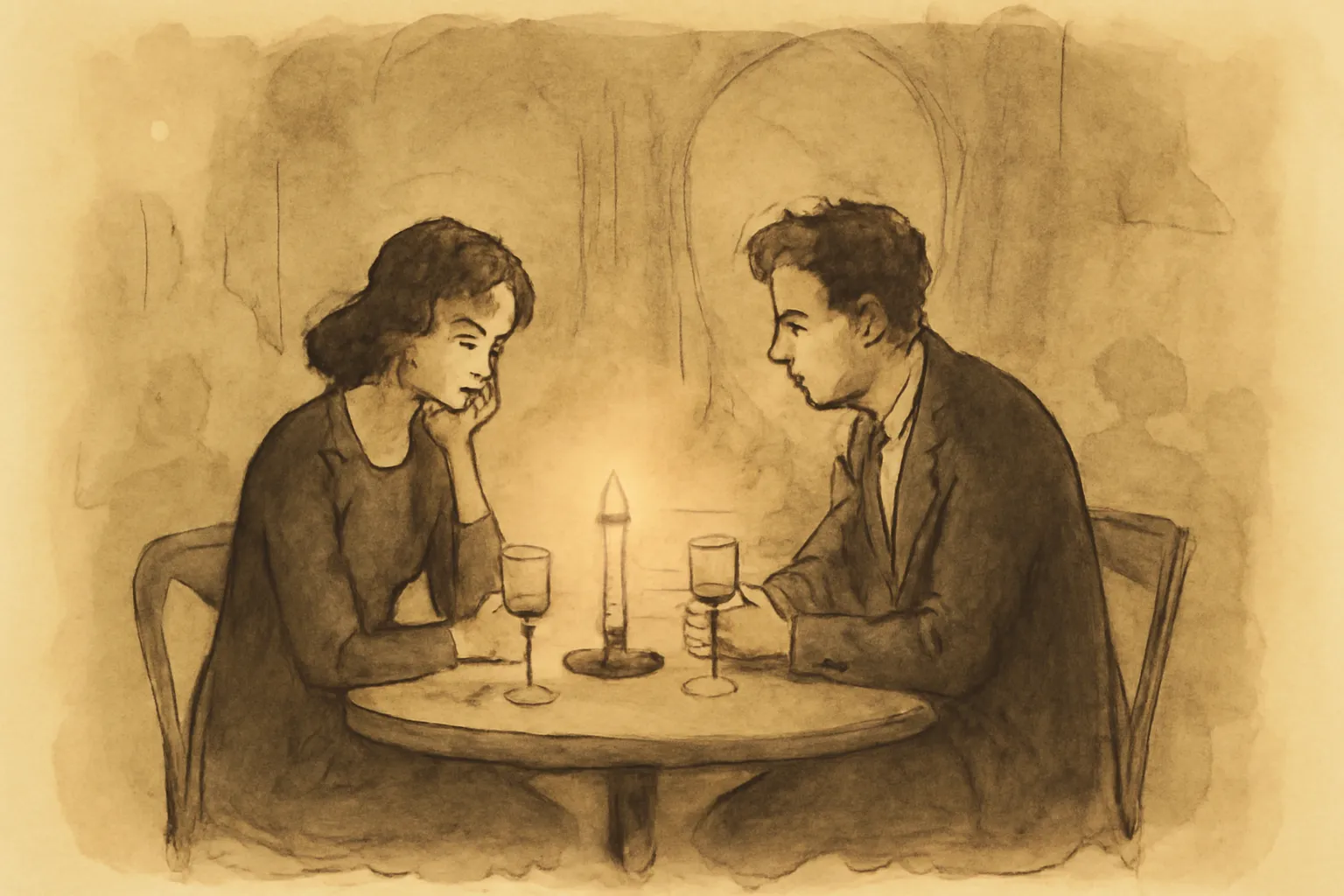
Love in At the Sign of the Cat and Racket is portrayed as a complex, often tumultuous experience shaped by social constraints. Augustine and Théodore's relationship is fraught with challenges, primarily due to the oppressive influence of Madame Guillaume. Their love is characterized by longing and desire, yet it is constantly threatened by external pressures. Balzac explores the dichotomy between romantic ideals and the harsh realities of life, illustrating how societal expectations can hinder genuine connections. The lovers’ attempts to communicate and meet in secret reflect the lengths to which they must go to preserve their affection. This dynamic serves as a critique of a society that prioritizes reputation and propriety over emotional authenticity, revealing the sacrifices individuals must make for love.
6.The Role of Class and Social Status
Class and social status play a pivotal role in shaping the characters' interactions and aspirations in the novel. The Guillaumes, though respectable, belong to the lower middle class, and their social standing influences their worldview and decisions. Madame Guillaume’s disdain for artists and her fixation on financial stability reflect the societal bias against those in creative professions. Théodore's noble lineage is undermined by his current status as a struggling painter, creating a dissonance that complicates his courtship of Augustine. Balzac deftly illustrates the barriers that class creates in personal relationships, emphasizing how societal perceptions can dictate individual worth and happiness. The characters’ struggles against these class constraints reveal a broader commentary on the nature of ambition and the pursuit of love in a rigidly stratified society.
7.The Impact of Societal Expectations on Women
Balzac's portrayal of Augustine reveals the profound impact of societal expectations on women during the 19th century. Augustine's journey from innocence to disillusionment reflects the constraints placed upon women, particularly in matters of love and ambition. Her initial naivety is challenged as she confronts the realities of her marriage to Théodore, who becomes infatuated with the glamorous Duchess de Carigliano. This shift highlights the fragility of a woman's position in a patriarchal society, where her worth is often tied to her husband’s status and fidelity. Augustine's struggle to redefine herself amidst her husband's infidelity illustrates the internal conflict faced by women who seek to assert their identity beyond societal roles. Balzac poignantly captures the emotional turmoil of women constrained by the expectations of marriage, motherhood, and societal propriety.
8.The Pain of Betrayal and Disillusionment
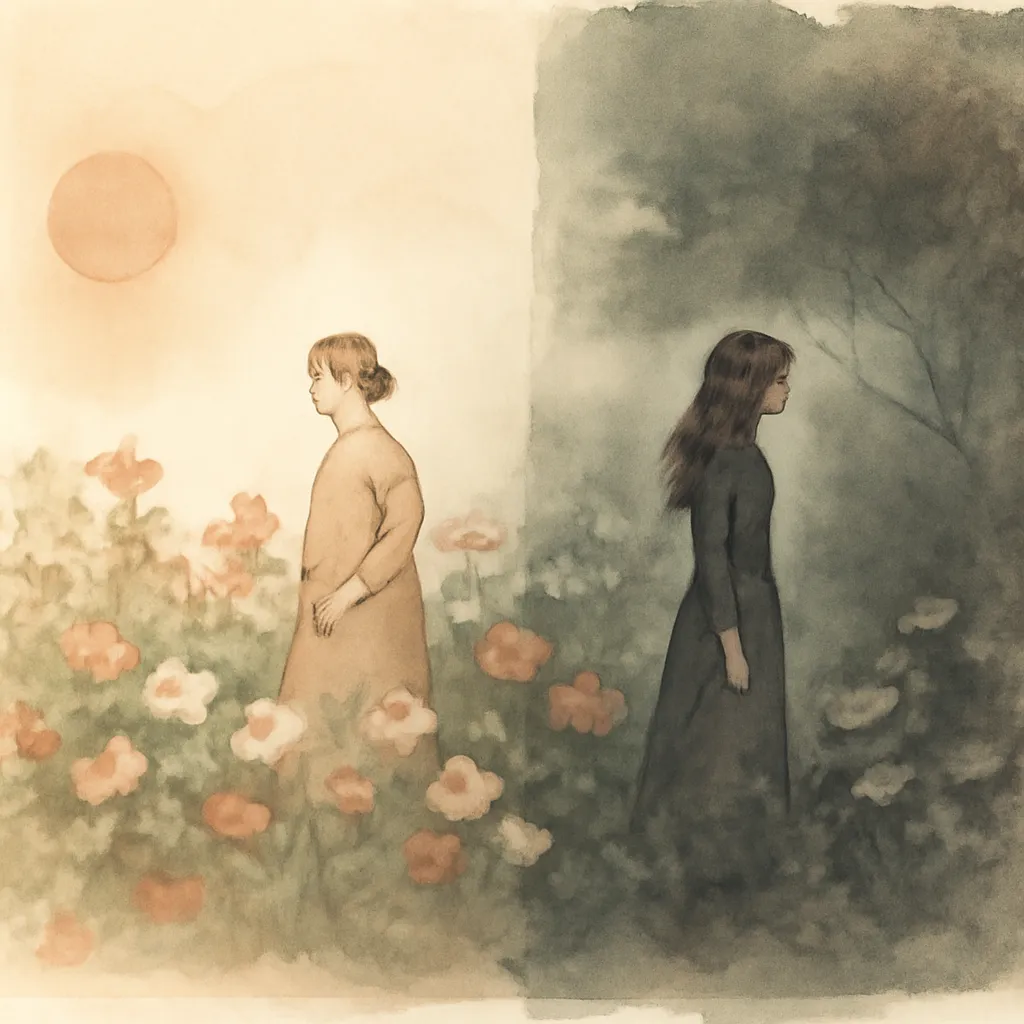
As the narrative progresses, Augustine faces profound betrayal and disillusionment, primarily stemming from Théodore's infatuation with another woman. This betrayal shatters her idealistic views of love and marriage, leading to a deep sense of melancholy. Balzac depicts Augustine's emotional turmoil with sensitivity, illustrating how her once-bright dreams are eclipsed by the harsh realities of her husband's unfaithfulness. The pain of betrayal forces Augustine to confront her own limitations and the societal structures that have constrained her. As she grapples with her feelings of inadequacy and loss, readers witness her transformation from an innocent girl to a woman shaped by sorrow and resilience. This emotional journey underscores the theme of love's fragility and the devastating impact of betrayal on the human spirit.
9.The Pursuit of Self-Improvement
In the wake of her disillusionment, Augustine embarks on a journey of self-improvement, driven by a desire to elevate herself beyond her circumstances. Balzac illustrates her determination to educate herself and refine her character, viewing knowledge and self-awareness as tools for liberation. Despite her efforts, Augustine grapples with the realization that personal growth is often stymied by the limitations of her upbringing and societal expectations. Her attempts to engage with literature and art reflect a yearning for a deeper understanding of herself and her place in the world. However, Balzac poignantly notes that while she can cultivate her intellect, the innate qualities that define her social standing cannot be altered. Augustine's struggle symbolizes the broader quest for self-discovery and the complexities of personal evolution in a constrained society.
10.The Symbolism of the Duchess de Carigliano
The Duchess de Carigliano emerges as a pivotal figure in the narrative, representing the allure and danger of societal ambition. Her character embodies the seductive qualities of wealth and status, contrasting sharply with Augustine's simplicity and sincerity. Théodore's attraction to the Duchess signifies a shift in his affections, highlighting the precariousness of love when intertwined with ambition and societal expectations. Balzac uses the Duchess to critique the superficiality of high society, where personal connections are often overshadowed by social status and allure. Augustine's encounter with the Duchess serves as a moment of reckoning, as she confronts the stark realities of her marriage and the societal pressures that dictate her worth. This dynamic illustrates the conflict between genuine emotion and the seductive pull of societal ambition, underscoring the novel's exploration of love's complexities.