
Utopias · Brainwashing · Moral and ethical aspects of Science
Brave New World by Aldous Huxley — Summary, Key Ideas & Quotes
1932240 pages✦ 3-min Big ideas★ 4.0 (473)
Rate it
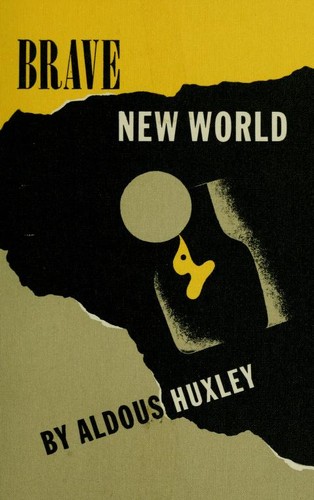
Originally published in 1932, this outstanding work of literature is more crucial and relevant today than ever before. Cloning, feel-good drugs, antiaging programs, and total social control through politics, programming, and media -- has Aldous Huxley accurately predicted our future? With a storyteller's genius, he weaves these ethical controversies in a compelling narrative that dawns in the year 632 AF (After Ford, the deity). When Lenina and Bernard visit a savage reservation, we experience how Utopia can destroy humanity. A powerful work of speculative fiction that has enthralled and terrified readers for generations, Brave New World is both a warning to be heeded and thought-provoking yet satisfying entertainment. - Container.

Huxley’s World State achieves peace and order by eliminating conflict, pain, and unpredictability. This stability, however, comes at the expense of individuality and authentic emotion. Citizens are conditioned from birth to accept their roles and never question the system. The novel asks whether a society that prioritizes comfort and order above all else is truly desirable, or if it stifles the very qualities that make us human.
In Brave New World, happiness is not a natural state but a product of conditioning and pharmacology. The drug soma is used to suppress any negative feelings, ensuring citizens remain content and docile. Huxley critiques the idea that pleasure and the absence of pain are sufficient for a fulfilling life, suggesting that artificially induced happiness can be a tool of control and a barrier to genuine experience.
“Words can be like X-rays if you use them properly—they’ll go through anything. You read and you’re pierced.”
“But I don’t want comfort. I want God, I want poetry, I want real danger, I want freedom, I want goodness. I want sin.”
“Ending is better than mending.”
“Community, Identity, Stability.”
“Everyone belongs to everyone else.”