1.The Price of Stability
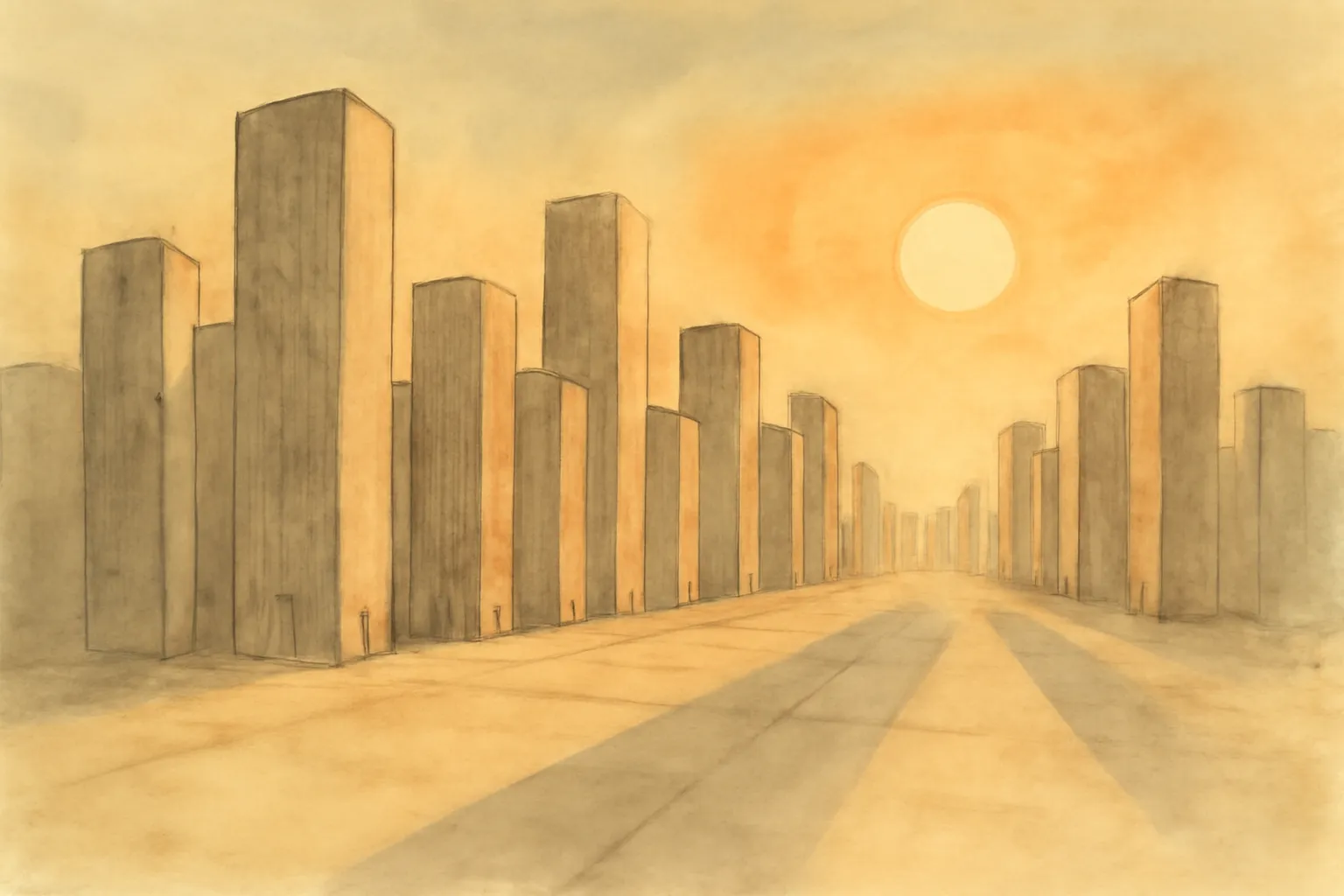
Huxley’s World State achieves peace and order by eliminating conflict, pain, and unpredictability. This stability, however, comes at the expense of individuality and authentic emotion. Citizens are conditioned from birth to accept their roles and never question the system. The novel asks whether a society that prioritizes comfort and order above all else is truly desirable, or if it stifles the very qualities that make us human.
2.Manufactured Happiness
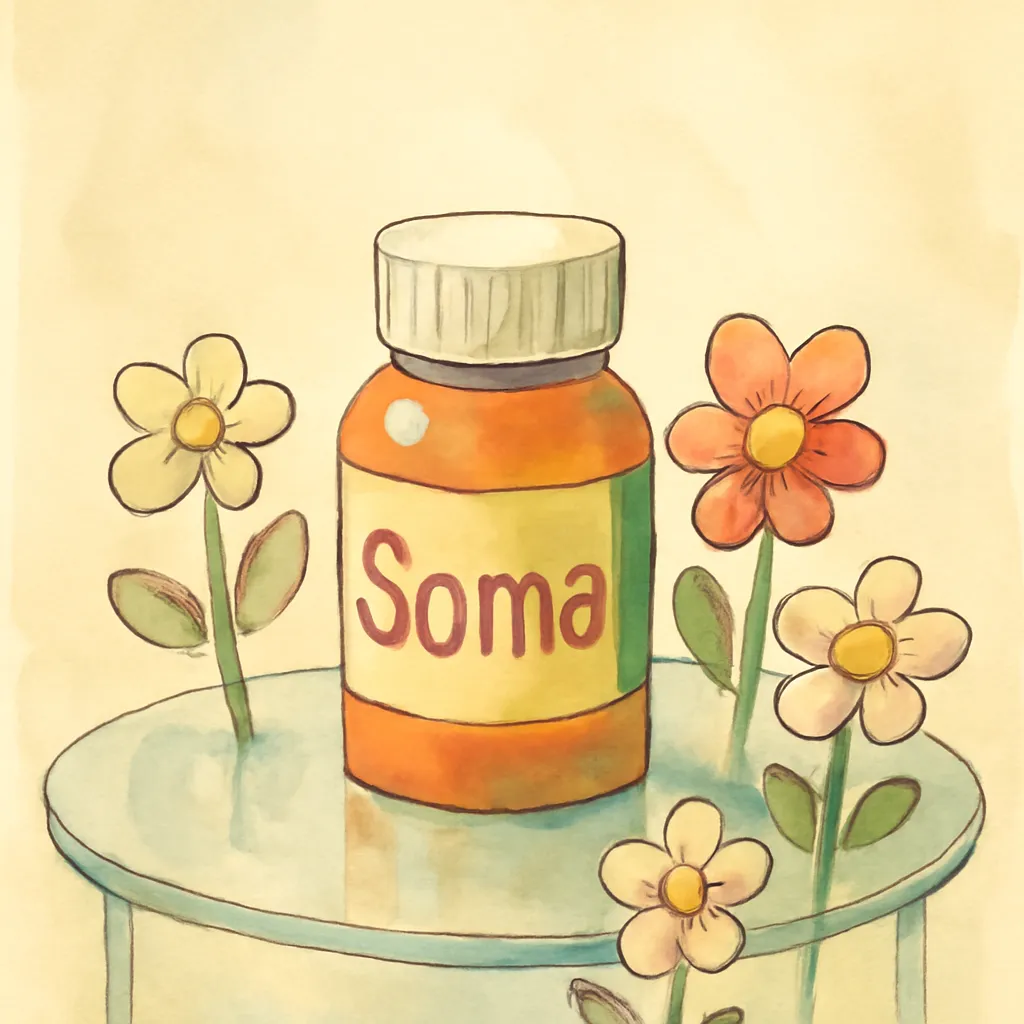
In Brave New World, happiness is not a natural state but a product of conditioning and pharmacology. The drug soma is used to suppress any negative feelings, ensuring citizens remain content and docile. Huxley critiques the idea that pleasure and the absence of pain are sufficient for a fulfilling life, suggesting that artificially induced happiness can be a tool of control and a barrier to genuine experience.
3.Loss of Individuality
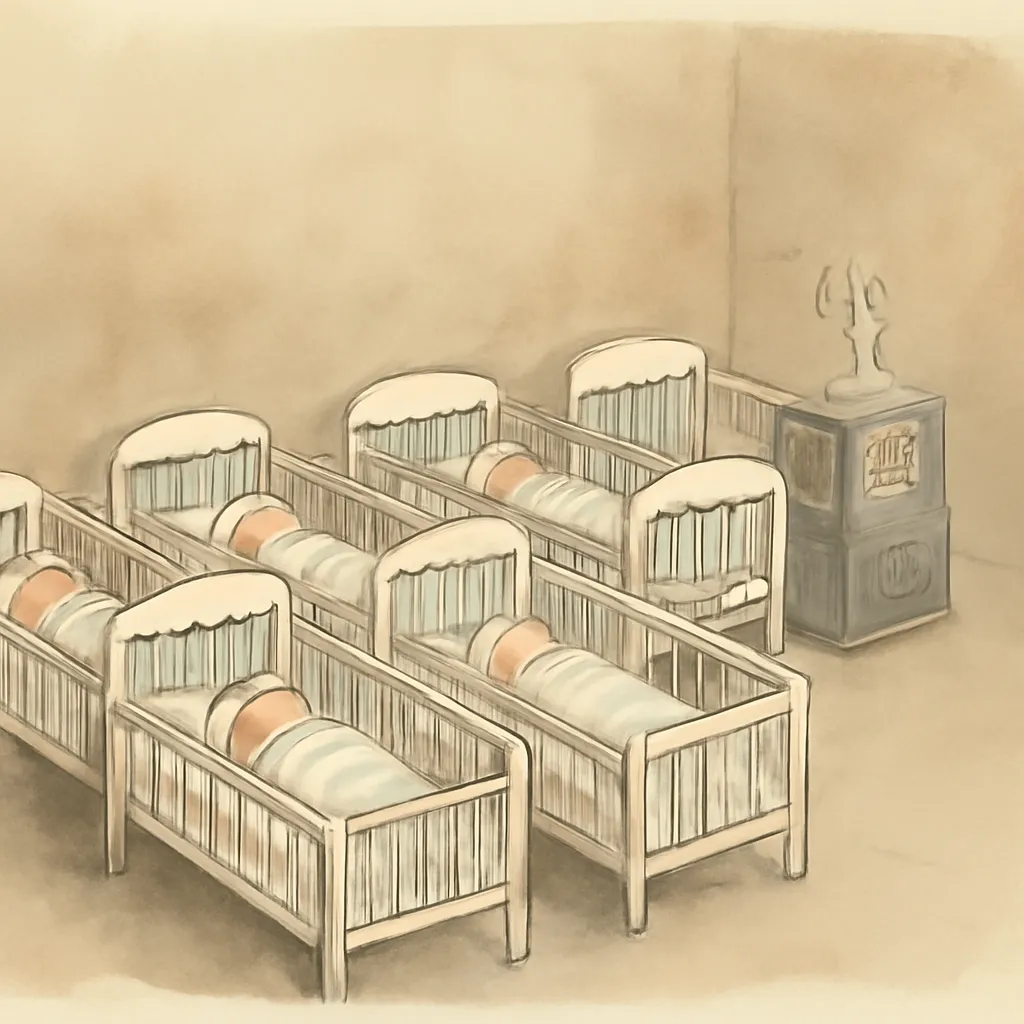
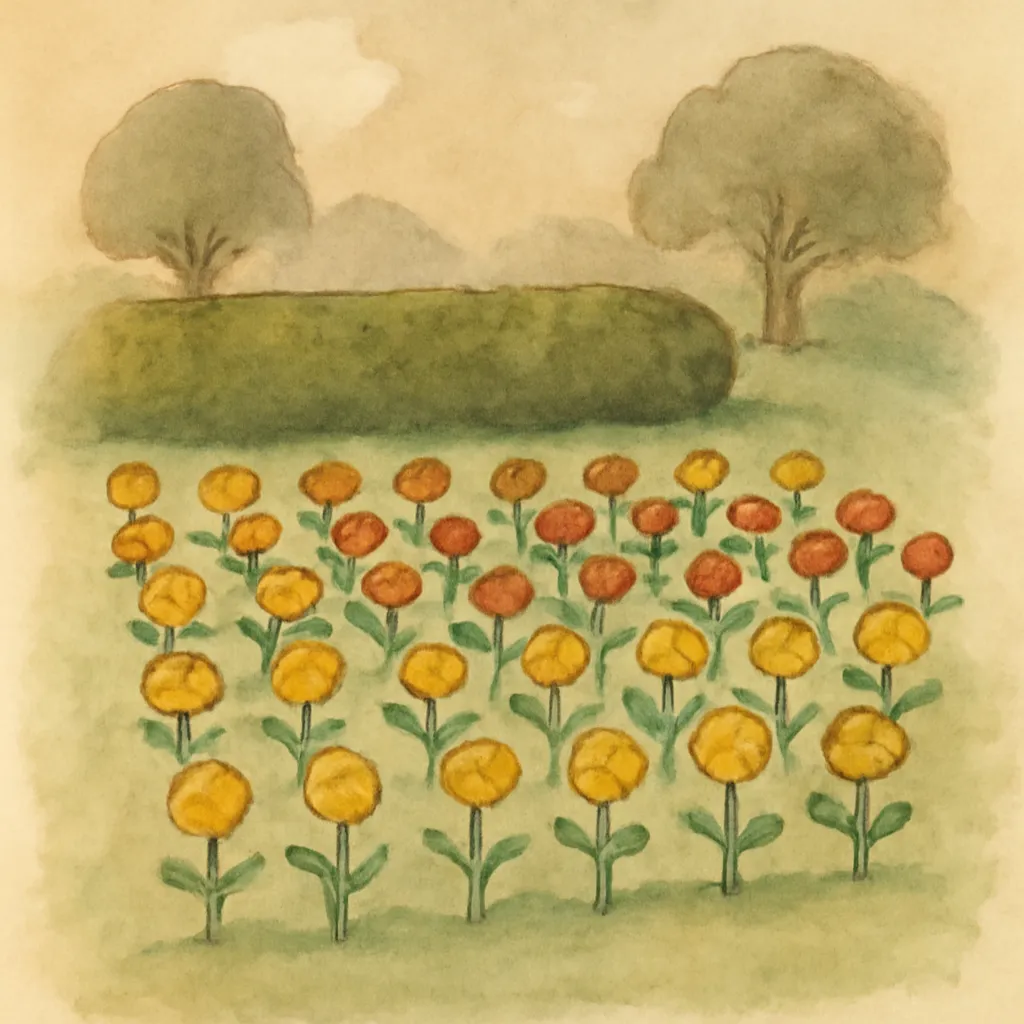
The society in the novel is built on conformity. From their earliest moments, people are engineered and conditioned to fit predetermined castes, with little room for personal ambition or difference. Individual desires and aspirations are suppressed for the sake of social harmony. Huxley warns that the eradication of individuality, even in the name of progress, leads to a shallow and unfulfilling existence.
4.The Role of Technology and Science
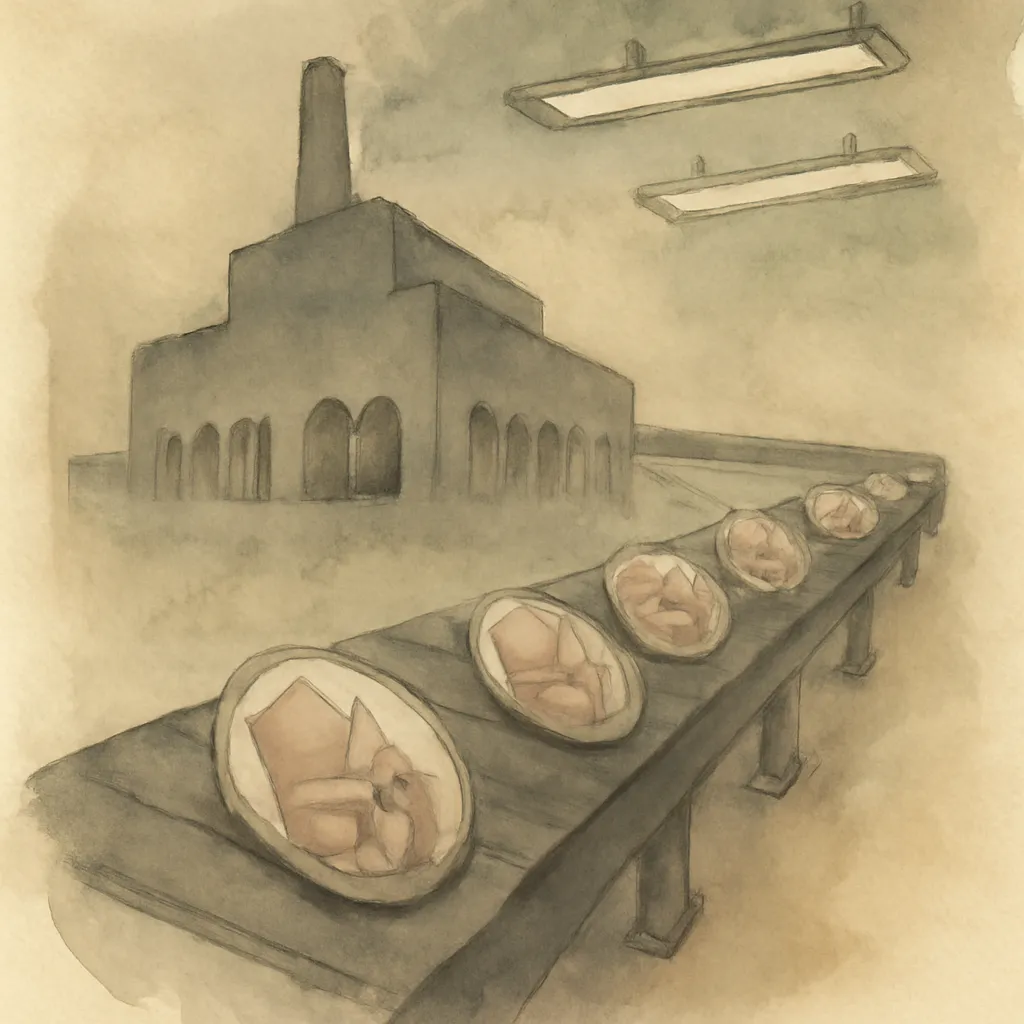
Brave New World presents a society where technological advancement is used not to liberate, but to control. Science enables mass production of humans, psychological manipulation, and the elimination of traditional family structures. Huxley raises concerns about the unchecked use of science, suggesting that without ethical considerations, technology can become a tool for dehumanization.
5.The Cost of Utopia
The novel contrasts the sanitized World State with the ‘Savage Reservation,’ where people still experience suffering, passion, and freedom. Through this juxtaposition, Huxley explores what is lost when a society eliminates all discomfort. The book challenges readers to consider whether a painless world is worth the loss of art, love, and the complexities that define human life.
6.Freedom vs. Happiness
A central tension in the novel is the trade-off between freedom and happiness. The World State offers security and pleasure, but only by restricting personal choice and suppressing dissent. Characters like Bernard Marx and John the Savage embody the struggle to assert individuality in a society that values uniformity. Huxley’s message is that true happiness may require the freedom to experience pain, make mistakes, and seek meaning.